
“The Motorcycle Diaries” is a compelling narrative that chronicles the transformative journey of a young Ernesto Che Guevara, who would later become one of the most iconic figures of the 20th century. Originally published in 1993, this memoir is based on Guevara’s travel diaries from 1951, when he embarked on a road trip across South America with his friend Alberto Granado. The journey, undertaken on a dilapidated motorcycle named “La Poderosa,” serves as a backdrop for Guevara’s awakening to the social injustices and economic disparities that plagued the continent.
The text is not merely a travelogue; it is a profound exploration of identity, purpose, and the socio-political landscape of Latin America during the mid-20th century. The narrative is rich with vivid descriptions of the diverse landscapes, cultures, and peoples that Guevara encounters along the way. From the lush valleys of Argentina to the arid deserts of Chile and the breathtaking vistas of Machu Picchu in Peru, Guevara’s observations are imbued with a sense of wonder and curiosity.
However, beneath this surface-level exploration lies a deeper commentary on the systemic inequalities that he witnesses, which would ultimately shape his revolutionary ideology. The Motorcycle Diaries invites readers to reflect on the formative experiences that influenced Guevara’s later political activism and revolutionary fervor.
Key Takeaways
- “The Motorcycle Diaries” is a memoir written by Ernesto “Che” Guevara, documenting his journey across South America with his friend Alberto Granado.
- The journey of Ernesto Che Guevara in “The Motorcycle Diaries” is a transformative experience that shapes his political ideology and worldview.
- “The Motorcycle Diaries” has had a significant impact on readers, inspiring many to embark on their own journeys of self-discovery and social consciousness.
- The memoir explores themes of poverty, injustice, and the struggle for social equality, as well as the symbolism of the motorcycle as a metaphor for freedom and exploration.
- The cultural and historical context of “The Motorcycle Diaries” provides insight into the social and political landscape of South America in the 1950s.
The Journey of Ernesto Che Guevara
Ernesto Guevara’s journey began in Buenos Aires, where he and Granado set off on their motorcycle adventure with little more than youthful exuberance and a desire for exploration. Their route took them through various countries, including Argentina, Chile, Peru, Ecuador, and Venezuela. Each stop along the way presented unique challenges and experiences that contributed to Guevara’s evolving worldview.
The duo faced mechanical failures, harsh weather conditions, and financial constraints, yet these obstacles only served to deepen their bond and enhance their resolve. One of the most significant moments during their travels occurred when they reached a leper colony in Peru called San Pablo. Here, Guevara was struck by the stark contrast between the lives of the lepers—who were marginalized and ostracized by society—and his own privileged upbringing.
This encounter marked a turning point for Guevara, as he began to grapple with issues of social justice and human rights. The compassion he felt for the lepers ignited a sense of responsibility within him, prompting him to question the societal structures that allowed such inequalities to persist. This experience was pivotal in shaping his commitment to fighting for the oppressed, a theme that would resonate throughout his life.
The Impact of The Motorcycle Diaries

The impact of “The Motorcycle Diaries” extends far beyond its literary merit; it has become a cultural touchstone that resonates with readers around the globe. The memoir has inspired countless individuals to embark on their own journeys of self-discovery and social consciousness. Guevara’s reflections on his travels serve as a reminder of the importance of empathy and understanding in an increasingly fragmented world.
The book has been translated into multiple languages and has reached audiences in diverse cultural contexts, further solidifying its status as a universal narrative. Moreover, “The Motorcycle Diaries” has played a significant role in shaping the public perception of Che Guevara as a revolutionary figure. While some view him as a martyr for social justice, others criticize his methods and ideology.
The memoir provides insight into Guevara’s formative years, allowing readers to understand the motivations behind his later actions. By presenting an intimate portrait of a young man grappling with his identity and purpose, the book humanizes Guevara and invites readers to engage with his legacy on a more personal level.
Themes and Symbolism in The Motorcycle Diaries
The themes woven throughout “The Motorcycle Diaries” are multifaceted, reflecting both personal growth and broader societal issues. One prominent theme is the quest for identity. As Guevara traverses the diverse landscapes of South America, he grapples with questions about who he is and what he stands for.
This journey becomes not only a physical exploration but also an internal one, as he confronts his own beliefs and values in light of the injustices he witnesses. Symbolism plays a crucial role in conveying these themes. The motorcycle itself, “La Poderosa,” symbolizes freedom and adventure but also serves as a reminder of the limitations imposed by socio-economic realities.
As the motorcycle breaks down repeatedly throughout their journey, it becomes a metaphor for the fragility of dreams and aspirations in the face of harsh realities. Additionally, Guevara’s encounters with marginalized communities highlight the stark contrasts between wealth and poverty, privilege and oppression. These experiences serve as catalysts for his awakening to social justice issues, ultimately shaping his revolutionary ideology.
The Cultural and Historical Context of The Motorcycle Diaries
To fully appreciate “The Motorcycle Diaries,” it is essential to consider the cultural and historical context in which it was written. The early 1950s were marked by significant political upheaval across Latin America, characterized by widespread poverty, social inequality, and authoritarian regimes. Countries like Argentina were grappling with economic instability and political corruption, leading to disillusionment among many citizens.
This backdrop provided fertile ground for revolutionary ideas to take root. Guevara’s journey through South America occurred during a time when nationalism was on the rise, and many intellectuals were advocating for social change.
Guevara’s experiences during this period would later inform his involvement in revolutionary activities in Cuba alongside Fidel Castro. Understanding this historical context enriches readers’ comprehension of Guevara’s motivations and the broader implications of his journey.
The Legacy of The Motorcycle Diaries
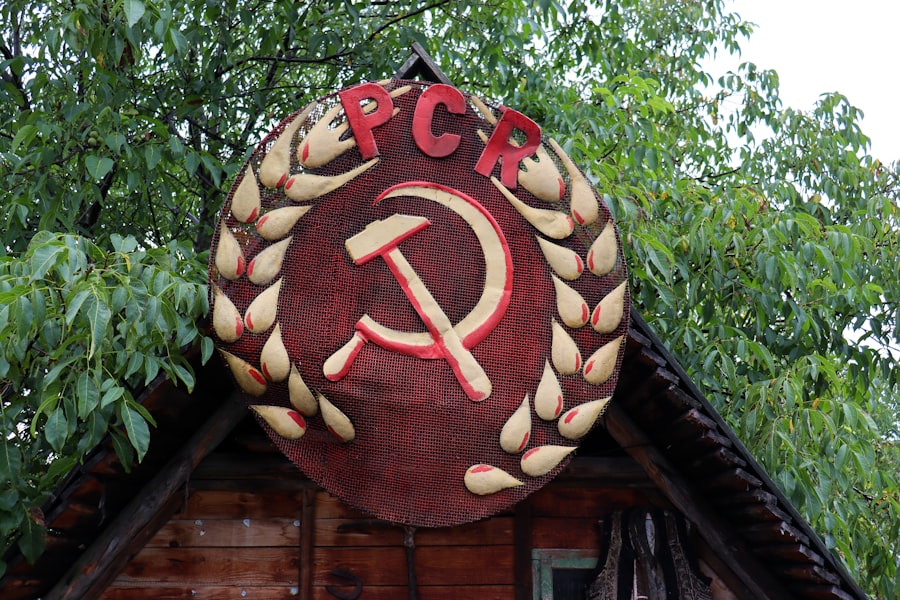
The legacy of “The Motorcycle Diaries” is profound and enduring. It has transcended its original context to become an emblematic work that continues to inspire generations of activists, travelers, and thinkers. Guevara’s journey resonates with those who seek to challenge societal norms and advocate for social justice.
The memoir serves as a call to action for individuals to engage with their surroundings critically and empathetically. Furthermore, “The Motorcycle Diaries” has influenced popular culture in various ways. It has inspired numerous adaptations, including films, documentaries, and artistic interpretations that explore Guevara’s life and ideals.
The imagery associated with Guevara—most notably his iconic beret-clad visage—has become synonymous with revolutionary movements worldwide. This enduring legacy speaks to the power of personal narratives in shaping collective consciousness and inspiring change.
Criticisms and Controversies Surrounding The Motorcycle Diaries
Despite its acclaim, “The Motorcycle Diaries” has not been without its criticisms and controversies. Some detractors argue that the memoir romanticizes Guevara’s journey while glossing over the complexities of his later actions as a revolutionary leader. Critics contend that while Guevara’s early experiences may have fostered empathy for marginalized communities, they do not excuse or justify the violent methods he employed during his campaigns in Cuba and beyond.
Additionally, there are concerns regarding the portrayal of indigenous peoples in Guevara’s narrative. Some scholars argue that his observations can be seen as patronizing or reductive, failing to fully capture the richness and diversity of indigenous cultures. This critique raises important questions about representation and voice within narratives that seek to address social issues.
Engaging with these criticisms allows for a more nuanced understanding of both Guevara as an individual and “The Motorcycle Diaries” as a text.
The Film Adaptation of The Motorcycle Diaries
In 2004, “The Motorcycle Diaries” was adapted into a feature film directed by Walter Salles, bringing Guevara’s journey to life on screen.
Gael García Bernal’s portrayal of Che Guevara resonated with audiences, effectively conveying the character’s transformation from an idealistic young man into a socially conscious individual.
The film adaptation also sparked renewed interest in Guevara’s life and legacy, introducing his story to new audiences who may not have engaged with the original text. While some critics noted that certain aspects of Guevara’s political ideology were downplayed in favor of a more romanticized portrayal, others praised the film for its ability to evoke empathy and provoke thought about social justice issues. By translating Guevara’s journey into a visual medium, “The Motorcycle Diaries” film serves as both an homage to his legacy and an invitation for viewers to reflect on their own roles in addressing societal inequalities.
In conclusion, “The Motorcycle Diaries” remains a significant work that continues to inspire dialogue about identity, social justice, and personal transformation. Through its exploration of Ernesto Che Guevara’s journey across South America, it invites readers to engage with complex themes while considering their own responsibilities within society. Whether through literature or film, Guevara’s story endures as a powerful testament to the potential for change sparked by personal experiences and encounters with injustice.
If you enjoyed reading The Motorcycle Diaries by Ernesto Che Guevara, you may also be interested in checking out this article on hellread.com that discusses the impact of travel on personal growth and self-discovery. Just like Guevara’s journey across South America on his motorcycle, this article explores how stepping out of one’s comfort zone and experiencing new cultures can lead to profound insights and transformation. It’s a fascinating read that complements the themes of adventure and introspection found in Guevara’s iconic memoir.
FAQs
What is The Motorcycle Diaries by Ernesto Che Guevara?
The Motorcycle Diaries is a memoir written by Ernesto “Che” Guevara, which recounts his travels across South America with his friend Alberto Granado. The book details their journey on a motorcycle, exploring the social and political landscape of the continent.
When was The Motorcycle Diaries published?
The Motorcycle Diaries was published in 1993, decades after Guevara’s journey took place. The book was compiled from Guevara’s diaries and notes from his travels.
What is the significance of The Motorcycle Diaries?
The Motorcycle Diaries is significant as it provides insight into the formative experiences that shaped Guevara’s political ideology and revolutionary fervor. The book offers a glimpse into the social injustices and inequalities that Guevara witnessed during his travels, which influenced his later role as a key figure in the Cuban Revolution.
Has The Motorcycle Diaries been adapted into a film?
Yes, The Motorcycle Diaries was adapted into a film in 2004, directed by Walter Salles. The movie received critical acclaim and brought renewed attention to Guevara’s early life and travels.
What themes are explored in The Motorcycle Diaries?
The book explores themes of poverty, injustice, and the struggle for social equality. It also delves into the personal transformation and self-discovery experienced by Guevara during his journey.