
“What My Bones Know” is a deeply personal memoir by Stephanie Foo that delves into the complexities of trauma, healing, and the intricate relationship between the body and mind. In this book, Foo shares her experiences of growing up in a household marked by abuse and neglect, and how these experiences shaped her understanding of herself and her place in the world.
The title itself hints at a profound connection between physical sensations and emotional memories, suggesting that our bodies hold onto experiences in ways that our minds may not fully comprehend.
Through her narrative, Foo invites readers to explore the often-unspoken realities of trauma and its long-lasting effects. She doesn’t shy away from the rawness of her experiences, making it clear that healing is not a linear journey but rather a complex process filled with setbacks and revelations. This memoir serves as both a personal account and a broader commentary on the nature of trauma, making it a significant contribution to contemporary discussions around mental health and healing.
Key Takeaways
- Stephanie Foo’s “What My Bones Know” explores the author’s personal journey with trauma and healing.
- The book delves into the concept of “body memory” and its impact on the author’s experiences.
- Intergenerational trauma plays a significant role in shaping the author’s narrative and perspective.
- Stephanie Foo uses storytelling and narrative to convey her experiences, highlighting the power of personal storytelling in trauma literature.
- The book emphasizes the role of resilience and healing in the author’s narrative, offering hope and inspiration to readers.
The author’s personal journey with trauma and healing
Stephanie Foo’s journey is one marked by resilience in the face of adversity. Growing up in a tumultuous environment, she faced challenges that many would find overwhelming. Her childhood was characterized by instability, with her family dynamics often shifting due to her parents’ struggles with their own issues. This backdrop of chaos left an indelible mark on Foo, shaping her perceptions of love, safety, and self-worth.
As she navigates her path toward healing, Foo candidly shares the struggles she faced in acknowledging her trauma. The process of confronting her past was not easy; it involved grappling with feelings of shame and confusion. However, through therapy and self-reflection, she began to understand that healing is not about erasing the past but rather integrating those experiences into her identity. This realization is pivotal in her narrative, as it highlights the importance of self-acceptance and the courage it takes to confront one’s history.
Exploring the concept of “body memory” in the book
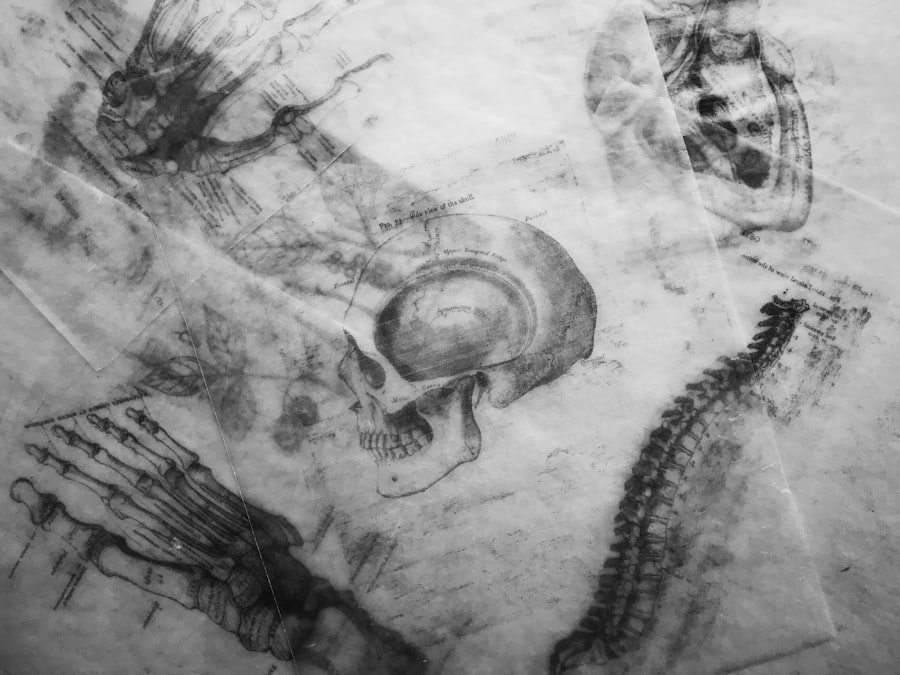
One of the central themes in “What My Bones Know” is the idea of “body memory,” which refers to the way our bodies retain memories of trauma even when our minds may not fully recall them. Foo illustrates this concept through her own experiences, describing how certain physical sensations or reactions would trigger memories from her past. For instance, she might feel an inexplicable sense of dread or anxiety in situations that remind her of her childhood home, even if she couldn’t pinpoint why.
This connection between body and memory is significant because it underscores the idea that trauma is not just a mental experience; it is also deeply physical. Foo’s exploration of body memory invites readers to consider how their own bodies might be holding onto unprocessed emotions or experiences. By bringing this concept to light, she encourages a more holistic understanding of trauma that encompasses both psychological and physiological aspects.
The impact of intergenerational trauma on the author’s experience

In addition to her personal experiences, Foo also delves into the concept of intergenerational trauma—how the effects of trauma can ripple through families and affect subsequent generations. She reflects on her parents’ backgrounds and how their own unresolved traumas influenced their parenting styles and family dynamics. This exploration adds depth to her narrative, illustrating that trauma is often not isolated but rather a shared experience that can shape familial relationships.
Foo’s insights into intergenerational trauma highlight the importance of understanding one’s family history in the context of healing. She emphasizes that recognizing these patterns can be a crucial step toward breaking the cycle of trauma. By acknowledging how her parents’ experiences impacted her own life, Foo provides a broader perspective on healing that extends beyond individual experiences to encompass familial legacies.
How the author uses storytelling and narrative to convey her experiences
Foo’s storytelling is both poignant and powerful, allowing readers to connect with her experiences on a personal level. She employs vivid imagery and emotional honesty to bring her memories to life, making them relatable even for those who may not have experienced similar traumas.
Her narrative style is engaging, drawing readers into her world while also prompting them to reflect on their own experiences.
The use of storytelling as a tool for healing is a recurring theme in Foo’s work. She demonstrates how sharing one’s story can be an act of empowerment, allowing individuals to reclaim their narratives and find meaning in their experiences. By weaving together personal anecdotes with broader reflections on trauma and healing, Foo creates a rich tapestry that resonates with readers from diverse backgrounds.
The role of resilience and healing in the author’s narrative
Resilience emerges as a key theme throughout “What My Bones Know.” Foo’s journey is not just one of survival but also one of growth and transformation. Despite the challenges she faced, she illustrates how resilience can manifest in various forms—whether through seeking therapy, building supportive relationships, or finding creative outlets for expression. Her narrative serves as a testament to the human spirit’s capacity to endure and thrive even in the face of adversity.
Healing is portrayed as an ongoing process rather than a destination. Foo emphasizes that setbacks are a natural part of this journey, and it’s essential to approach healing with compassion for oneself. By sharing her own struggles with self-doubt and frustration, she normalizes these feelings and encourages readers to embrace their own healing journeys with patience and understanding.
The intersection of mental health and physical health in the book
In “What My Bones Know,” Foo effectively illustrates the interconnectedness of mental health and physical health. She discusses how unresolved trauma can manifest in physical symptoms—such as chronic pain or fatigue—highlighting the importance of addressing both aspects for holistic healing. This perspective challenges the often compartmentalized view of health that separates mental well-being from physical wellness.
Foo’s exploration of this intersection encourages readers to consider their own health holistically. By recognizing how emotional experiences can impact physical well-being, individuals may be more motivated to seek comprehensive care that addresses both mental and physical health needs. This approach fosters a deeper understanding of self-care and emphasizes the importance of nurturing both aspects for overall well-being.
The importance of representation and diverse voices in literature about trauma
Representation matters significantly in literature about trauma, and Foo’s memoir contributes to this conversation by offering a unique perspective shaped by her cultural background and personal experiences. As an Asian American woman, she navigates the complexities of identity while addressing themes of trauma that resonate across cultures. Her voice adds depth to the discourse surrounding trauma literature, highlighting the need for diverse narratives that reflect varied experiences.
By sharing her story, Foo opens up space for others who may feel marginalized or unheard in mainstream discussions about trauma. Her work underscores the importance of amplifying diverse voices in literature, as these narratives can foster empathy and understanding among readers from different backgrounds. In doing so, she encourages a more inclusive dialogue about trauma that acknowledges the multifaceted nature of human experiences.
Analyzing the themes of identity and belonging in What My Bones Know
Identity and belonging are central themes woven throughout Foo’s memoir. As she grapples with her past, she also explores how her experiences have shaped her sense of self. The struggle for belonging—both within her family and society at large—resonates deeply as she navigates cultural expectations and personal aspirations. This exploration adds layers to her narrative, making it relatable for anyone who has ever questioned their place in the world.
Foo’s journey toward self-acceptance is marked by moments of introspection and growth. She reflects on how embracing her identity has been integral to her healing process. By sharing these insights, she encourages readers to embark on their own journeys of self-discovery, emphasizing that understanding one’s identity can be a powerful catalyst for healing.
The significance of the title and its relation to the book’s content
The title “What My Bones Know” encapsulates the essence of Foo’s memoir—an exploration of how our bodies hold onto memories and experiences long after they occur. It suggests a deep-seated wisdom within us that transcends conscious thought, highlighting the idea that our physical selves are repositories of our histories. This connection between body and memory serves as a guiding thread throughout the book.
By choosing this title, Foo invites readers to consider their own relationships with their bodies and how those relationships may be influenced by past traumas. It encourages reflection on how we carry our histories within us, often in ways we may not fully understand. The title ultimately reinforces the book’s central themes of healing, resilience, and self-discovery.
Reflecting on the impact of What My Bones Know and its contribution to the conversation on trauma and healing
“What My Bones Know” stands as a significant contribution to contemporary discussions surrounding trauma and healing. Through Stephanie Foo’s candid storytelling, readers are invited into an intimate exploration of resilience, identity, and the complexities of navigating one’s past. Her insights into body memory, intergenerational trauma, and the intersectionality of mental and physical health offer valuable perspectives for anyone seeking to understand their own experiences or support others on their healing journeys.
The memoir not only sheds light on personal struggles but also emphasizes the importance of representation in literature about trauma. By sharing her unique voice, Foo paves the way for more diverse narratives that resonate with readers from all walks of life. Ultimately, “What My Bones Know” serves as both a personal account and a universal exploration of what it means to heal—a reminder that while our pasts shape us, they do not define us.




