
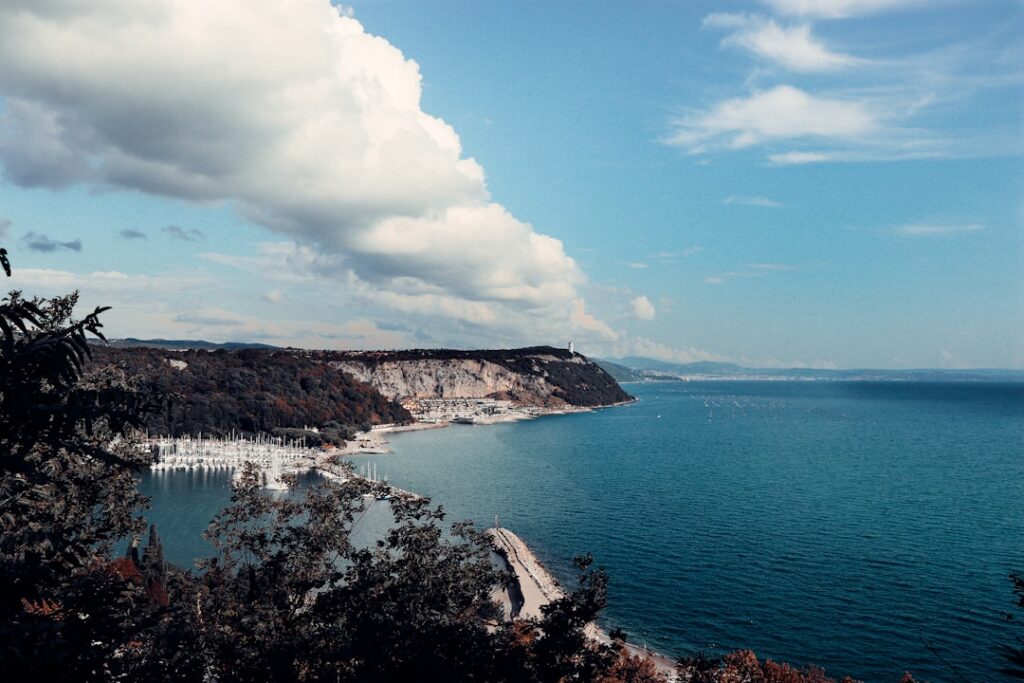
Trieste is a port city located at the northeastern tip of Italy, bordering Slovenia and overlooking the Adriatic Sea. Its geographical position has created a distinctive cultural and historical identity characterized by multiple influences. The city occupies a liminal space—neither fully Italian nor entirely Slavic, neither wholly Western nor Eastern.
This unique positioning has resulted in a complex blend of languages, traditions, and cultural influences that define the city’s character. Trieste’s historical development reflects its role as a crossroads where multiple empires and cultures intersected. Throughout its history, diverse populations have lived and worked in the city, creating a layered cultural landscape.
This convergence of different traditions has produced a sense of cultural ambiguity, where residents navigate multiple identities and sources of belonging. The city’s inhabitants have historically drawn from both Italian and Central European traditions, as well as influences from the broader Mediterranean and Adriatic regions. Understanding Trieste requires examining how these various cultural elements have coexisted and evolved over time, and how the city’s unique position has influenced both local identity and broader European cultural development.
Key Takeaways
- Trieste is a unique city with a rich history and cultural blend, often described as “nowhere” due to its ambiguous identity.
- Jan Morris, a renowned travel writer, explores the concept of “nowhere” to capture Trieste’s complex and transient nature.
- The theme of “nowhere” in Morris’s work highlights the city’s role as a crossroads of European cultures and histories.
- Trieste’s influence on Morris’s writing underscores the city’s significance in shaping broader European identity and travel literature.
- Reflecting on “nowhere” invites readers to reconsider notions of place, belonging, and the fluidity of cultural borders.
The History and Culture of Trieste
Trieste’s history is a rich tapestry woven from various threads, including Roman, Byzantine, and Austro-Hungarian influences. Originally established as a Roman settlement in the 1st century BC, Trieste flourished as a significant port city due to its strategic location along trade routes. The remnants of its Roman past can still be seen today in the form of ancient ruins, such as the Roman Theatre and the Arch of Riccardo.
However, it was during the Austro-Hungarian Empire that Trieste truly blossomed into a cosmopolitan hub, attracting merchants, intellectuals, and artists from across Europe. The cultural landscape of Trieste is equally diverse, characterized by a blend of Italian, Slovenian, and Croatian influences. This multiculturalism is evident in the city’s architecture, cuisine, and festivals.
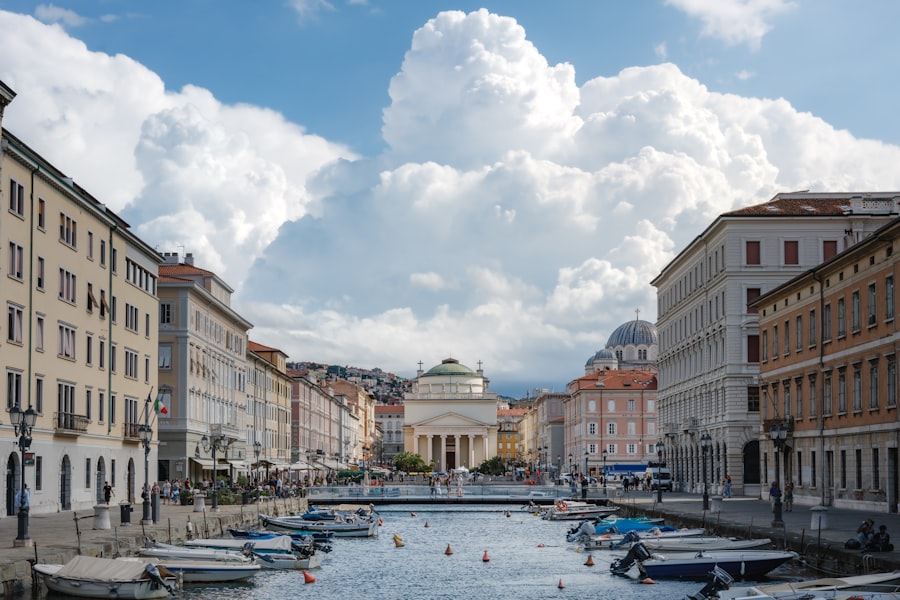
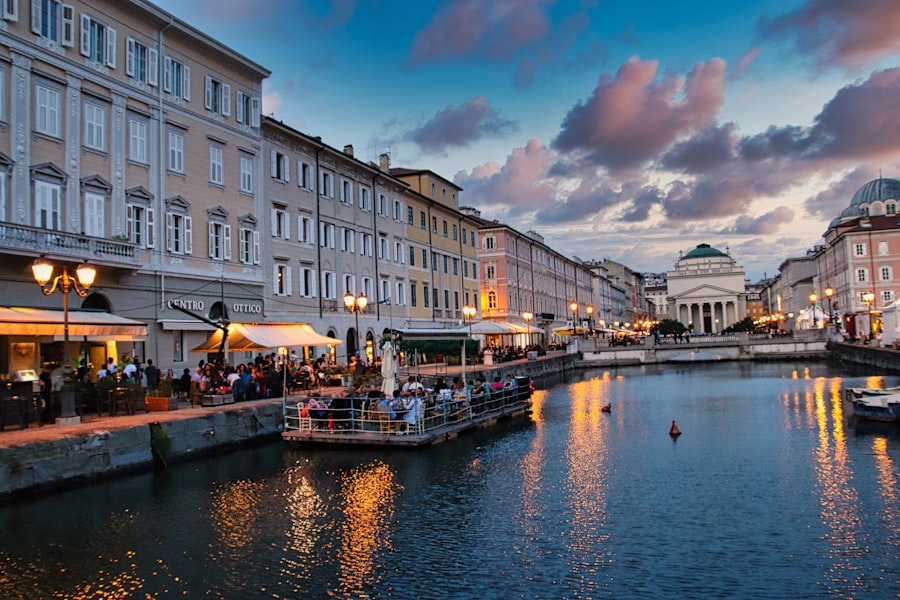
The grand palaces lining the Canal Grande reflect the opulence of its Austro-Hungarian heritage, while the vibrant markets showcase local produce and culinary delights that speak to its Slavic roots. The annual Barcolana regatta, one of the largest sailing events in the world, exemplifies Trieste’s maritime culture and its connection to the sea. This rich cultural milieu has fostered a sense of pride among Triestini, who celebrate their unique identity through various artistic expressions.
Jan Morris: A Brief Overview
Jan Morris was an acclaimed British travel writer and historian whose works have left an indelible mark on the literary landscape. Born in 1926 in Wales, Morris’s career spanned several decades during which she produced an impressive body of work that explored cities and cultures around the globe. Her writing is characterized by its lyrical prose and keen observations, often blending personal reflections with historical context.
Morris’s journey as a writer was also intertwined with her own personal evolution; she transitioned from James Morris to Jan Morris in the 1970s, embracing her identity as a transgender woman.
In this book, she reflects on her deep connection to Trieste, a city she first visited in 1954.
Through her evocative descriptions and insightful commentary, Morris captures the essence of Trieste as a place that embodies both beauty and melancholy. Her writing not only serves as a travelogue but also as a meditation on identity, belonging, and the complexities of human experience. Morris’s unique perspective as an outsider looking in allows readers to appreciate Trieste through her eyes while also prompting them to consider their own notions of place and identity.
Exploring the Themes of “Nowhere” in the Book
In “Trieste and the Meaning of Nowhere,” Jan Morris delves into the concept of “nowhere” as it pertains to her experiences in Trieste. The book is not merely a travel narrative; it is an exploration of existential themes that resonate with anyone who has ever felt out of place or disconnected from their surroundings. Morris articulates her fascination with Trieste as a city that exists on the margins—geographically, culturally, and emotionally.
This sense of being “nowhere” becomes a lens through which she examines her own life and experiences. Morris’s reflections on “nowhere” are deeply intertwined with her observations about the city’s inhabitants. She portrays Triestini as individuals who embody this sense of liminality; they are shaped by their diverse backgrounds yet often struggle to define their identities within a broader context.
Through her vivid descriptions and poignant anecdotes, Morris invites readers to contemplate their own relationships with place and identity, encouraging them to embrace the complexities that come with being “nowhere.”
The Influence of Trieste on Jan Morris’s Writing
Trieste has had a profound influence on Jan Morris’s writing style and thematic choices. The city’s unique atmosphere—its blend of melancholy beauty and vibrant cultural life—serves as both backdrop and character in her narratives. Morris’s prose often reflects the lyrical quality of Trieste itself; her sentences flow like the waves lapping against its shores, imbued with a sense of nostalgia and longing.
This stylistic choice mirrors her own emotional connection to the city, allowing readers to experience Trieste not just as a location but as an integral part of her literary journey. Moreover, Trieste’s historical significance as a crossroads of cultures resonates throughout Morris’s work. Her ability to weave together personal anecdotes with broader historical narratives showcases her deep understanding of how place shapes identity.
In “Trieste and the Meaning of Nowhere,” she draws parallels between her own experiences as an outsider and those of Triestini navigating their multifaceted identities. This exploration enriches her writing, inviting readers to reflect on their own connections to place while also acknowledging the complexities inherent in defining oneself within a global context.
The Significance of “Nowhere” in Travel Literature
The concept of “nowhere” holds significant weight within travel literature, serving as both a thematic exploration and a narrative device. Travel writers often grapple with feelings of dislocation or alienation when encountering unfamiliar landscapes or cultures. In this context, “nowhere” becomes a powerful metaphor for the search for meaning in places that defy easy categorization.
It challenges travelers to confront their own assumptions about identity, belonging, and home. Jan Morris’s exploration of “nowhere” in relation to Trieste exemplifies how travel literature can transcend mere description to delve into deeper philosophical inquiries. By framing her experiences within this concept, she invites readers to consider their own journeys—both physical and emotional—and how these experiences shape their understanding of self and place.
The significance of “nowhere” extends beyond individual narratives; it speaks to the broader human experience of navigating an increasingly interconnected yet fragmented world.
Trieste’s Role in Shaping European Identity
Trieste occupies a unique position in European history as a city that has witnessed the ebb and flow of empires, cultures, and identities. Its role as a port city facilitated trade and cultural exchange among diverse populations, contributing to its reputation as a melting pot of ideas and traditions. This historical context has shaped not only Trieste’s local identity but also its significance within the broader narrative of European identity.
The city’s tumultuous past—marked by shifting borders and allegiances—reflects the complexities inherent in defining national identity in Europe. As nations grapple with questions of sovereignty and belonging in an era marked by globalization, Trieste serves as a poignant reminder of the fluidity of identity. Its multicultural heritage challenges simplistic notions of nationality while highlighting the importance of embracing diversity as an integral part of European identity.
Reflecting on the Meaning of “Nowhere” in Trieste
In examining Trieste through the lens of Jan Morris’s “Trieste and the Meaning of Nowhere,” we uncover layers of meaning that extend far beyond geographical boundaries. The city’s rich history, cultural diversity, and complex identity invite us to reflect on our own experiences with place and belonging. As we navigate an increasingly interconnected world, Trieste stands as a testament to the beauty found in ambiguity—the notion that being “nowhere” can be just as meaningful as being “somewhere.” Through Morris’s evocative prose, we are reminded that our journeys are not solely about destinations but also about the stories we carry with us along the way.
In her evocative exploration of Trieste, Jan Morris delves into the city’s unique identity and its historical significance, which resonates with themes of place and belonging. For those interested in further reading about the concept of “nowhere” and its implications in contemporary society, the article on Hellread titled “Hello World” offers intriguing insights. You can read it [here](https://hellread.com/2024/12/04/hello-world/).
FAQs
Who is Jan Morris?
Jan Morris was a British historian, author, and travel writer known for her works on cities and history. She gained fame for her detailed and evocative travel writing, including the book “Trieste and the Meaning of Nowhere.”
What is “Trieste and the Meaning of Nowhere” about?
“Trieste and the Meaning of Nowhere” is a travel book by Jan Morris that explores the city of Trieste, located in northeastern Italy. The book delves into the city’s unique history, culture, and identity, portraying it as a place that defies easy categorization and embodies a sense of “nowhere.”
Where is Trieste located?
Trieste is a port city situated in northeastern Italy, near the border with Slovenia. It lies on the Adriatic Sea and has historically been a crossroads of various cultures and empires.
Why is Trieste described as “nowhere” in the book?
Jan Morris describes Trieste as “nowhere” because it does not fit neatly into any single national or cultural identity. Its complex history, diverse population, and shifting political status have made it a city that feels both central and peripheral, belonging everywhere and nowhere at once.
When was “Trieste and the Meaning of Nowhere” published?
“Trieste and the Meaning of Nowhere” was first published in 2001.
What themes does Jan Morris explore in the book?
The book explores themes such as identity, belonging, history, and the fluid nature of borders. It also reflects on the impact of empire, war, and migration on the city and its inhabitants.
Is “Trieste and the Meaning of Nowhere” a travel guide?
While the book contains detailed descriptions of Trieste and its landmarks, it is not a conventional travel guide. Instead, it is a literary and historical exploration of the city, blending personal narrative with cultural and political analysis.
What makes Trieste historically significant?
Trieste has been historically significant as a major port of the Austro-Hungarian Empire, a melting pot of ethnicities and languages, and a strategic location in European geopolitics. Its history reflects broader European conflicts and cultural exchanges.
Can “Trieste and the Meaning of Nowhere” be considered a biography?
No, the book is not a biography. It is a travel and cultural history book focused on the city of Trieste rather than on an individual’s life.
Who would benefit from reading “Trieste and the Meaning of Nowhere”?
Readers interested in European history, travel literature, cultural identity, and the complexities of border regions would find the book insightful. It is also valuable for those curious about the unique character of Trieste.




