
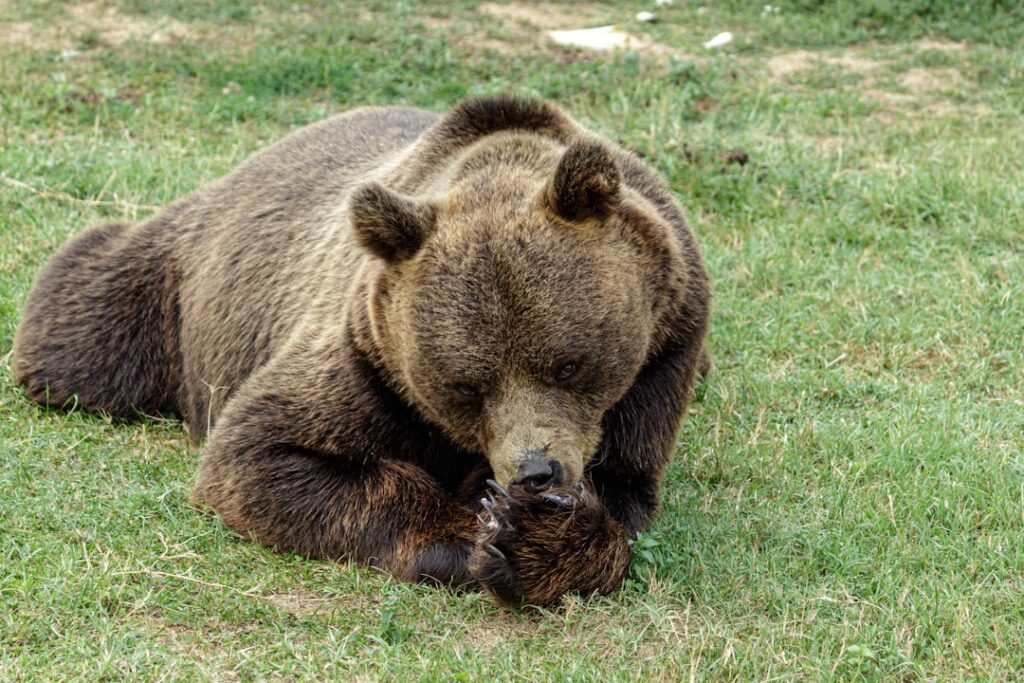
Doug Peacock, born in 1938, is a wildlife conservationist and author whose career has focused on grizzly bears and wilderness preservation in the American West. After serving as a Green Beret during the Vietnam War, Peacock sought refuge in the remote backcountry of Montana and Wyoming, where he began systematic field research on grizzly bears. For decades, he conducted extensive fieldwork, often camping alone in wilderness areas to observe bears in their natural environment.
Peacock has documented his experiences and conservation philosophy through numerous publications. His memoir “Grizzly Years: In Search of the American Wilderness” combines personal narrative with advocacy for grizzly bear protection and habitat preservation. His work emphasizes the importance of human-wildlife coexistence and has established him as a significant voice in the conservation movement.
Peacock continues to advocate for the protection of grizzly bears and the preservation of their ecosystems in the American West.
Key Takeaways
- Doug Peacock’s life is deeply connected to grizzly bears and wilderness conservation.
- Grizzly bears play a crucial role in maintaining healthy ecosystems.
- Grizzly bears face significant threats from habitat loss and human activities.
- The author shares personal, impactful encounters with grizzly bears.
- Conservation efforts and cultural respect are vital for the survival of grizzly bears.
The Impact of Grizzly Bears on the Ecosystem
Grizzly bears play a crucial role in maintaining the health and balance of their ecosystems. As apex predators, they help regulate populations of various species, including deer and elk, which can otherwise overgraze vegetation if left unchecked. This predatory behavior contributes to a diverse plant community, which in turn supports a wide array of other wildlife.
The presence of grizzly bears can lead to increased biodiversity, as their foraging habits create opportunities for other species to thrive. Moreover, grizzly bears are also considered keystone species due to their significant impact on nutrient cycling within their habitats. When they catch salmon during spawning season, for instance, they transport nutrients from aquatic environments to terrestrial ecosystems.
The remains of these fish, often left behind after feeding, enrich the soil and provide sustenance for various plants and smaller animals. This nutrient transfer is vital for maintaining healthy forest ecosystems, demonstrating how grizzly bears contribute not only to their immediate surroundings but also to broader ecological processes.
The Threats Facing Grizzly Bears
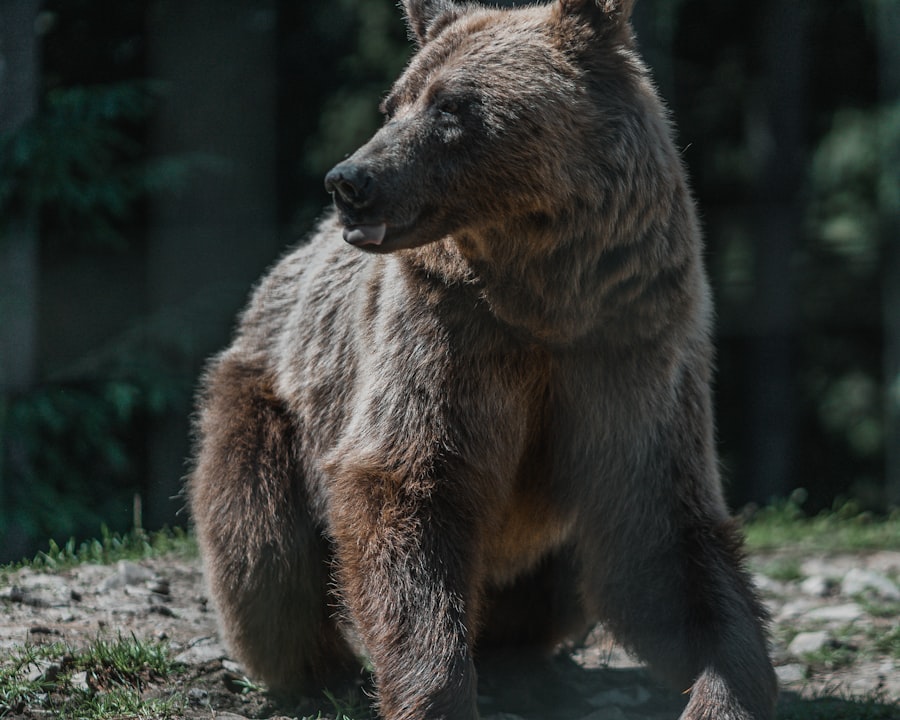
Despite their ecological importance, grizzly bears face numerous threats that jeopardize their survival. Habitat loss is one of the most pressing issues, primarily driven by human activities such as urban development, logging, and agriculture. As natural habitats are fragmented or destroyed, grizzly bears are forced into smaller territories, which can lead to increased competition for food and resources.
This encroachment on their habitat not only affects their population numbers but also disrupts their migratory patterns and breeding behaviors. Additionally, climate change poses a significant threat to grizzly bear populations. Alterations in temperature and precipitation patterns can affect food availability, particularly during critical seasons such as spring when bears emerge from hibernation.
Furthermore, climate change can exacerbate human-bear conflicts as bears venture closer to human settlements in search of food, leading to increased mortality rates due to hunting or relocation efforts.
The Author’s Personal Encounters with Grizzly Bears
Doug Peacock’s personal encounters with grizzly bears are not just anecdotes; they are profound experiences that have shaped his understanding of wildlife and conservation. One notable encounter occurred during a solo camping trip in the backcountry of Yellowstone National Park. Peacock found himself face-to-face with a massive grizzly bear while hiking along a remote trail.
Instead of succumbing to fear, he remained calm and observed the bear’s behavior from a safe distance. This moment crystallized for him the importance of respecting wildlife and understanding their role within the ecosystem. In another instance, Peacock recounts a time when he witnessed a mother bear with her cubs foraging for food.
The tenderness displayed by the mother as she taught her young how to navigate their environment left a lasting impression on him. These encounters reinforced his belief that grizzly bears are not merely subjects of study but sentient beings deserving of respect and protection. Through his writings, Peacock shares these experiences to inspire others to appreciate the beauty and complexity of wildlife interactions, urging readers to foster a deeper connection with nature.
Conservation Efforts for Grizzly Bears
Conservation efforts aimed at protecting grizzly bears have gained momentum over the past few decades, driven by both grassroots activism and scientific research. Organizations such as the Greater Yellowstone Coalition and the National Parks Conservation Association have been at the forefront of these initiatives, advocating for policies that safeguard bear habitats and promote coexistence between humans and wildlife. These groups work tirelessly to raise awareness about the challenges facing grizzlies and mobilize public support for conservation measures.
One significant achievement in grizzly bear conservation has been the establishment of protected areas and wildlife corridors that facilitate safe movement between habitats. These corridors are essential for maintaining genetic diversity within bear populations, allowing them to adapt to changing environmental conditions. Additionally, educational programs aimed at local communities have been implemented to reduce human-bear conflicts by promoting bear-safe practices such as proper food storage while camping or hiking.
These efforts reflect a growing recognition that successful conservation requires collaboration between scientists, policymakers, and local residents.
The Role of Grizzly Bears in Native American Culture
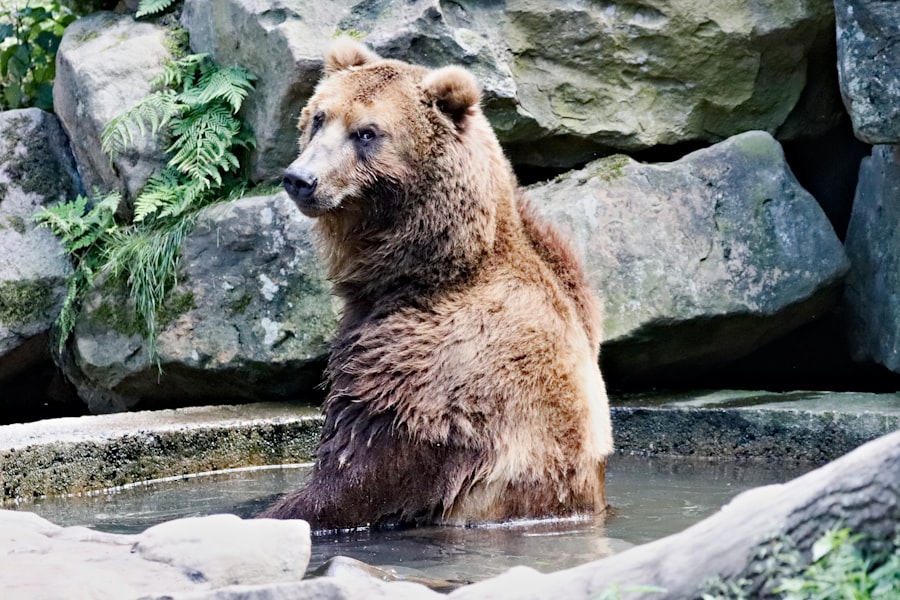
Grizzly bears hold a revered place in many Native American cultures, symbolizing strength, courage, and wisdom. Various tribes across North America have woven stories and traditions around these majestic animals, viewing them as spiritual guides or protectors. For instance, the Kootenai Tribe of Montana considers the grizzly bear a sacred being that embodies the spirit of the wilderness.
Their stories often highlight the bear’s role as a teacher, imparting lessons about respect for nature and the interconnectedness of all living things. In addition to their spiritual significance, grizzly bears have historically been integral to the subsistence practices of many Native American communities. Tribes relied on bear meat for sustenance and utilized various parts of the animal for tools, clothing, and ceremonial purposes.
This deep-rooted relationship with grizzlies underscores a profound understanding of ecological balance and respect for wildlife that has been passed down through generations. Today, many Native American tribes continue to advocate for grizzly bear conservation as part of their cultural heritage, emphasizing the need to protect these animals not only for ecological reasons but also for their cultural significance.
The Importance of Wilderness Conservation
Wilderness conservation is essential not only for protecting individual species like grizzly bears but also for preserving entire ecosystems that support diverse forms of life.
The preservation of these landscapes is increasingly urgent in light of climate change and habitat destruction caused by human activities.
Moreover, wilderness areas offer invaluable opportunities for recreation and education. They provide spaces where people can connect with nature, fostering a sense of stewardship that is crucial for future conservation efforts. Outdoor activities such as hiking, camping, and wildlife watching not only enhance physical well-being but also promote mental health by allowing individuals to experience the tranquility and beauty of unspoiled landscapes.
By prioritizing wilderness conservation, society can ensure that future generations inherit a world rich in biodiversity and natural wonders.
The Legacy of Grizzly Years
The legacy of “Grizzly Years” extends beyond Doug Peacock’s personal narrative; it serves as a powerful testament to the ongoing struggle for wildlife conservation in an increasingly urbanized world. Through his evocative storytelling and passionate advocacy, Peacock has inspired countless individuals to recognize the intrinsic value of grizzly bears and their habitats. His work has sparked conversations about the ethical responsibilities humans hold toward wildlife and has encouraged a broader understanding of ecological interdependence.
As society grapples with pressing environmental challenges, Peacock’s message remains relevant: protecting grizzly bears is not just about saving a species; it is about preserving our connection to nature itself. The lessons learned from observing these magnificent creatures resonate deeply within the context of contemporary conservation efforts. By embracing a holistic approach that values both biodiversity and cultural heritage, we can honor the legacy of “Grizzly Years” while working toward a more sustainable future for all living beings on this planet.
In “Grizzly Years,” Doug Peacock shares his profound experiences with grizzly bears and the wilderness, highlighting the intricate relationship between humans and nature. For readers interested in exploring similar themes of wildlife conservation and the human impact on the environment, the article on Hellread titled “Hello World” offers insightful perspectives on these pressing issues. You can read it [here](https://hellread.com/2024/12/04/hello-world/).
FAQs
What is “Grizzly Years” by Doug Peacock about?
“Grizzly Years” is a memoir by Doug Peacock that chronicles his experiences living in the wilderness of Montana and his deep connection with grizzly bears. The book explores themes of nature, conservation, and the relationship between humans and wildlife.
Who is Doug Peacock?
Doug Peacock is an American author, naturalist, and environmentalist known for his work in grizzly bear conservation. He is also recognized for his friendship with author Edward Abbey and his contributions to wilderness preservation.
When was “Grizzly Years” published?
“Grizzly Years” was first published in 1999.
What is the main focus of “Grizzly Years”?
The main focus of the book is Doug Peacock’s personal journey living among grizzly bears in the Montana wilderness, his observations of their behavior, and his advocacy for their protection.
Is “Grizzly Years” based on true events?
Yes, “Grizzly Years” is a nonfiction memoir based on Doug Peacock’s real-life experiences and encounters with grizzly bears.
What themes are explored in “Grizzly Years”?
The book explores themes such as wilderness survival, the importance of conservation, the human impact on wildlife, and the spiritual connection between humans and nature.
Has “Grizzly Years” received any notable recognition?
“Grizzly Years” has been praised for its vivid storytelling and contribution to environmental literature, helping raise awareness about grizzly bear conservation.
Is “Grizzly Years” suitable for all readers?
While the book is accessible to a general audience, it contains detailed descriptions of wildlife and wilderness life that may be more appreciated by readers interested in nature and environmental topics.
Are there any adaptations of “Grizzly Years”?
There are no widely known film or television adaptations of “Grizzly Years,” but the book has influenced environmental discussions and inspired readers interested in wildlife conservation.
Where can I purchase or read “Grizzly Years”?
“Grizzly Years” is available for purchase at bookstores, online retailers, and may also be found in libraries. It is available in various formats including print, ebook, and audiobook.




