
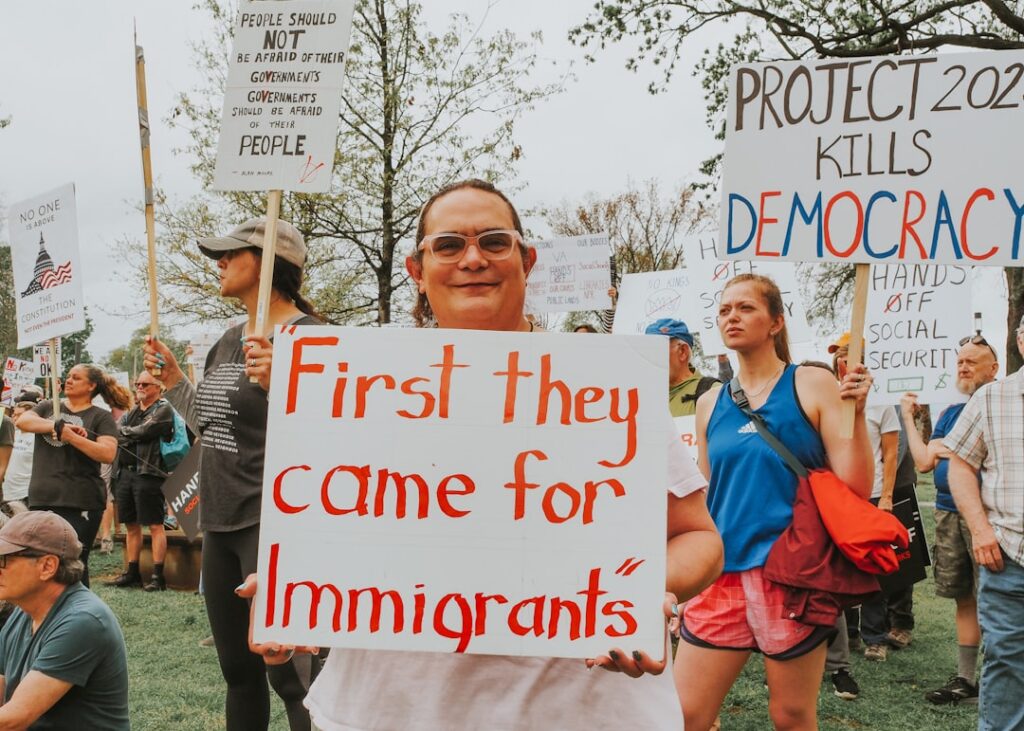
“The Undocumented Americans” by Karla Cornejo Villavicencio offers a poignant exploration of the lives of undocumented immigrants in the United States. Through a blend of personal narrative and in-depth reporting, Villavicencio sheds light on the often-overlooked stories of individuals who navigate life in the shadows of society. The book challenges readers to confront the realities faced by these individuals, moving beyond statistics and political rhetoric to reveal the human experiences behind the headlines.
Villavicencio’s work is not just an account of struggles; it’s a celebration of resilience and humanity. By focusing on the personal stories of undocumented individuals, she invites us to understand their hopes, dreams, and the everyday challenges they face. This book serves as a crucial reminder that immigration is not merely a policy issue but a deeply human one, filled with complex narratives that deserve to be heard.
Key Takeaways
- The Undocumented Americans provides a powerful and intimate look into the lives of undocumented individuals in America.
- Author Karla Cornejo Villavicencio shares her personal journey as an undocumented immigrant, offering a unique and empathetic perspective on the topic.
- The book features profiles of undocumented individuals from various backgrounds, shedding light on the diversity and complexity of their experiences.
- Immigration policies have a profound impact on undocumented communities, leading to fear, insecurity, and limited opportunities for advancement.
- The undocumented experience is multifaceted, encompassing issues of race, gender, class, and other intersecting identities that shape individuals’ experiences.
The author’s personal journey and connection to the topic
Karla Cornejo Villavicencio’s connection to the subject matter is deeply personal. As an undocumented immigrant herself, she brings a unique perspective to the narrative. Her journey from Ecuador to the United States is not just a backdrop; it shapes her understanding of the complexities surrounding immigration. Villavicencio’s experiences navigating life as an undocumented person inform her writing, allowing her to convey authenticity and depth in her storytelling.
Her personal journey is marked by both hardship and triumph. Villavicencio recounts her struggles with identity, belonging, and the constant fear of deportation. These experiences resonate throughout the book, as she weaves her own story with those of others in similar situations. This blend of personal narrative and broader social commentary creates a powerful framework for understanding the undocumented experience in America.
Profiles of undocumented individuals featured in the book
One of the most compelling aspects of “The Undocumented Americans” is its focus on individual stories. Villavicencio introduces readers to a diverse array of characters, each with their own unique backgrounds and experiences. From a young mother working multiple jobs to support her family to a dreamer grappling with the uncertainty of their future, these profiles humanize the statistics often associated with undocumented immigrants.
Through these narratives, Villavicencio highlights the resilience and resourcefulness of undocumented individuals. Each story reveals not only the challenges they face but also their aspirations and contributions to society. For instance, one profile might detail a skilled worker who has been essential in their community during crises, while another might focus on an artist using their craft to express their identity. These stories serve as a reminder that undocumented individuals are not just statistics; they are vibrant members of society with rich lives and dreams.
The impact of immigration policies on undocumented communities
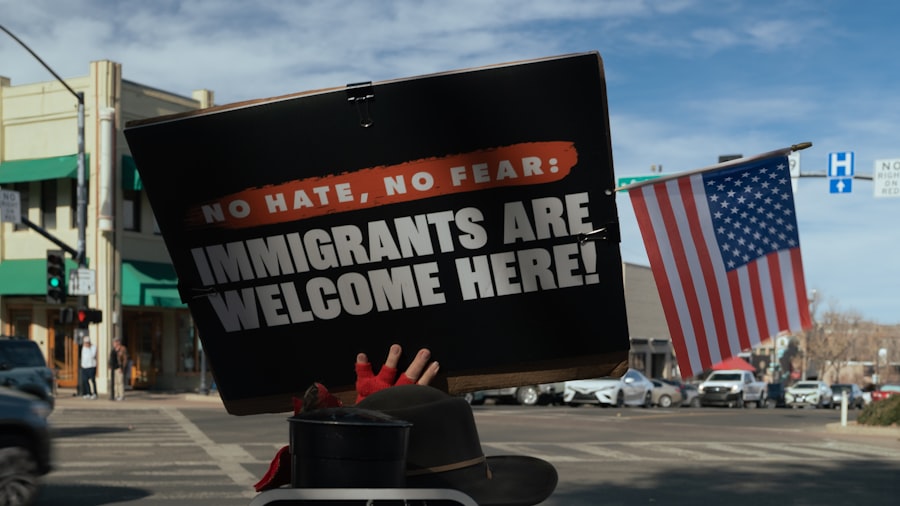
The book delves into how immigration policies shape the lives of undocumented individuals. Villavicencio examines the often harsh realities imposed by these policies, which can lead to fear, instability, and separation from loved ones. The constant threat of deportation looms large over many families, creating an environment of anxiety that permeates daily life.
Villavicencio also discusses how policies can vary significantly depending on political climates and local jurisdictions. This inconsistency can lead to confusion and further marginalization within undocumented communities. For example, some areas may offer sanctuary protections while others aggressively enforce immigration laws. This patchwork of policies complicates the lives of those trying to navigate an already challenging existence.
Exploring the complexities of the undocumented experience
The undocumented experience is far from monolithic; it encompasses a wide range of backgrounds, motivations, and challenges. Villavicencio emphasizes that not all undocumented individuals share the same story or face identical obstacles. Factors such as country of origin, socioeconomic status, and personal circumstances all play significant roles in shaping their experiences.
Moreover, Villavicencio highlights how intersectional identities—such as race, gender, and sexuality—further complicate the undocumented experience. For instance, women may face additional vulnerabilities related to gender-based violence or discrimination, while LGBTQ+ individuals may encounter unique challenges within both immigrant and broader communities. By acknowledging these complexities, Villavicencio encourages readers to appreciate the diversity within undocumented populations.
Intersectionality and the undocumented experience
Intersectionality is a key theme in “The Undocumented Americans.” Villavicencio illustrates how various aspects of identity intersect to create unique challenges for undocumented individuals. For example, a Latina woman may face discrimination not only due to her immigration status but also because of her gender and ethnicity. This layered experience can exacerbate feelings of isolation and marginalization.
Villavicencio also explores how intersectionality affects access to resources and support systems. Undocumented individuals who belong to multiple marginalized groups may find it even more difficult to navigate social services or seek help when needed. By highlighting these intersections, Villavicencio calls for a more nuanced understanding of immigration issues that takes into account the diverse realities faced by different individuals.
The role of activism and advocacy in the undocumented community
Activism plays a crucial role in advocating for the rights and recognition of undocumented individuals. Villavicencio showcases various grassroots movements that have emerged within undocumented communities, emphasizing their importance in raising awareness and pushing for policy changes. These activists often work tirelessly to create safe spaces for their peers while also challenging systemic injustices.
The book highlights specific examples of activism that have made significant impacts, such as campaigns for DACA (Deferred Action for Childhood Arrivals) or local sanctuary movements. Villavicencio illustrates how these efforts not only empower individuals but also foster a sense of community among those who share similar experiences. Through collective action, undocumented individuals can amplify their voices and advocate for their rights more effectively.
Mental health and well-being in undocumented communities
Mental health is another critical aspect addressed in “The Undocumented Americans.” Villavicencio discusses how the stressors associated with being undocumented—such as fear of deportation, economic instability, and social isolation—can take a toll on mental well-being. Many individuals in these communities struggle with anxiety, depression, and other mental health issues as they navigate their precarious situations.
Villavicencio emphasizes the importance of addressing mental health needs within undocumented populations. Access to mental health resources can be limited due to fear of exposure or lack of affordability. By bringing attention to these issues, she advocates for more inclusive support systems that recognize the unique challenges faced by undocumented individuals.
The importance of storytelling and representation for undocumented individuals
Storytelling emerges as a powerful tool for change throughout “The Undocumented Americans.” Villavicencio argues that sharing personal narratives can humanize the immigrant experience and challenge stereotypes perpetuated by mainstream media. By amplifying these voices, she aims to foster empathy and understanding among readers who may not have direct connections to undocumented communities.
Representation matters significantly in this context; when undocumented individuals see themselves reflected in literature and media, it can validate their experiences and inspire hope.
Villavicencio’s work contributes to this representation by centering the stories of those often marginalized or silenced in public discourse.
Critique and reception of The Undocumented Americans
“The Undocumented Americans” has received both praise and critique since its release. Many readers appreciate Villavicencio’s candid writing style and her ability to weave personal narrative with broader social commentary. Critics have noted that her approach offers a refreshing perspective on immigration issues that often feel abstract or distant.
However, some critiques focus on whether Villavicencio’s personal experiences can fully encapsulate the diversity within undocumented communities. While her narrative is compelling, some argue that it may not represent all voices within this complex population. Nonetheless, her work has sparked important conversations about representation and the need for more diverse narratives in discussions about immigration.
The book’s contribution to the conversation on immigration and undocumented experiences in America
Ultimately, “The Undocumented Americans” makes a significant contribution to ongoing conversations about immigration in America. By centering personal stories and emphasizing intersectionality, Villavicencio encourages readers to engage with these issues on a deeper level. Her work challenges us to reconsider our perceptions of undocumented individuals and recognize their humanity.
In an era where immigration remains a contentious topic, Villavicencio’s book serves as both a call to action and an invitation for empathy. It reminds us that behind every statistic is a person with dreams, struggles, and a story worth telling. Through her writing, she not only amplifies these voices but also fosters a greater understanding of what it means to be undocumented in America today.




