

Oscar Zeta Acosta was a multifaceted figure whose life story is as compelling as the narratives he crafted. Born on April 8, 1935, in El Paso, Texas, Acosta grew up in a Mexican-American family that faced the challenges of cultural identity and economic hardship. His early years were marked by a struggle to reconcile his heritage with the American experience, a theme that would later permeate his writing. After moving to Los Angeles, he pursued a career in law, becoming a prominent Chicano activist and attorney. Acosta’s legal work often intersected with his literary pursuits, as he fought for the rights of marginalized communities while also exploring the complexities of his own identity.
Acosta’s life took a dramatic turn when he became involved with the counterculture movement of the 1960s. His friendship with Hunter S. Thompson, the father of Gonzo journalism, introduced him to a world of radical thought and unconventional storytelling. This relationship not only influenced Acosta’s writing style but also shaped his worldview. He became known for his unapologetic exploration of race, identity, and social justice, which would later culminate in his most famous work, “The Autobiography of a Brown Buffalo.” Acosta’s life was a tapestry of activism, legal battles, and literary ambition, all of which contributed to his unique voice in American literature.
In exploring the themes of identity and cultural struggle presented in “The Autobiography of a Brown Buffalo” by Oscar Zeta Acosta, readers may find it enriching to delve into a related article that discusses the broader implications of Chicano literature and its impact on contemporary society. This article provides insights into the historical context and personal narratives that shape the Chicano experience, drawing parallels to Acosta’s powerful storytelling. For more information, you can read the article here: Chicano Literature and Its Impact.
Key Takeaways
- Oscar Zeta Acosta was a prominent figure in the Chicano movement, known for his activism and writing.
- The Autobiography of a Brown Buffalo had a significant impact on the Chicano literary movement, inspiring many writers and activists.
- Themes of identity, alienation, and the search for belonging are prominent in The Autobiography of a Brown Buffalo.
- The book played a crucial role in shaping Chicano literature, paving the way for more diverse and authentic voices to be heard.
- The controversial nature of The Autobiography of a Brown Buffalo sparked discussions about race, identity, and representation in literature.
The Influence of The Autobiography of a Brown Buffalo
“The Autobiography of a Brown Buffalo” is more than just a memoir; it serves as a cultural touchstone that reflects the complexities of Chicano identity in America. Acosta wrote this book during a time when the Chicano civil rights movement was gaining momentum, and his narrative captures the essence of that struggle. The book is infused with Acosta’s personal experiences, blending autobiography with social commentary. It offers readers an intimate glimpse into his life while simultaneously addressing broader societal issues faced by Mexican-Americans.
The influence of this work extends beyond its pages. It has inspired countless writers and activists who seek to articulate their own experiences within the framework of American society. Acosta’s candid exploration of his identity as a “brown buffalo” resonates with many who grapple with similar questions of belonging and self-acceptance. His narrative style, characterized by vivid imagery and raw honesty, invites readers to engage with the complexities of race and culture in a way that is both accessible and profound.
Themes and Motifs in The Autobiography of a Brown Buffalo
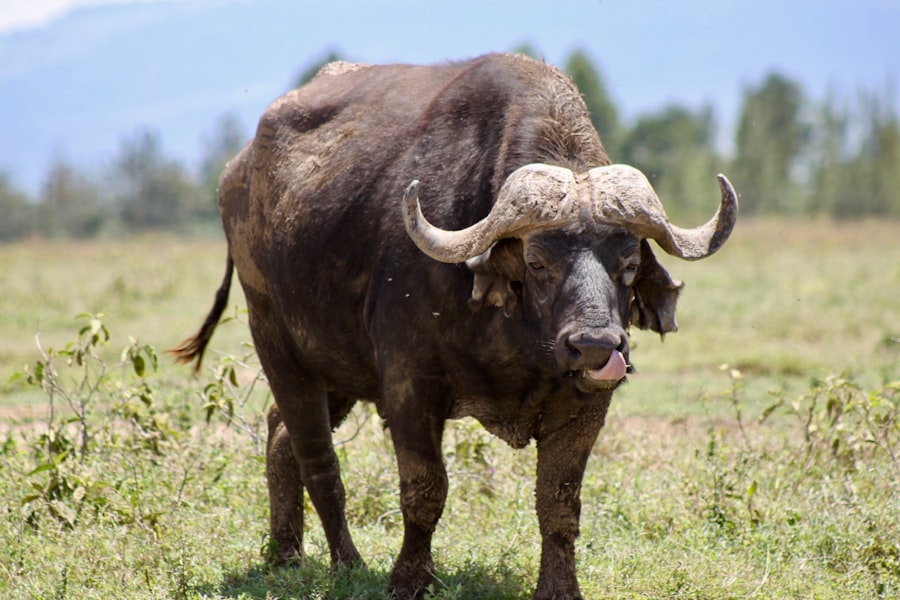
Acosta’s “The Autobiography of a Brown Buffalo” is rich with themes that delve into identity, race, and the search for belonging. One prominent theme is the struggle for self-identity amidst societal expectations. Acosta grapples with his dual heritage as both Mexican and American, often feeling caught between two worlds. This internal conflict is mirrored in his interactions with family, friends, and society at large, highlighting the challenges faced by many individuals navigating multicultural identities.
Another significant motif in the book is the concept of transformation. Acosta uses the metaphor of the “brown buffalo” to symbolize his journey from confusion to self-acceptance. Throughout the narrative, he undergoes various transformations—both personally and politically—as he learns to embrace his identity rather than shy away from it. This motif serves as a powerful reminder that self-discovery is often a tumultuous process filled with setbacks and revelations.
The Impact of The Autobiography of a Brown Buffalo on Chicano Literature

“The Autobiography of a Brown Buffalo” holds a pivotal place in Chicano literature, marking a departure from traditional narratives that often marginalized or overlooked the experiences of Mexican-Americans. Acosta’s work paved the way for future generations of writers who sought to explore their cultural identities through literature. By blending autobiography with social critique, he created a new genre that resonated deeply within the Chicano community.
The book’s impact can be seen in the works of later Chicano authors who have drawn inspiration from Acosta’s fearless exploration of identity and race. Writers like Sandra Cisneros and Luis Alberto Urrea have cited Acosta as an influence, acknowledging how his candid storytelling opened doors for more authentic representations of Mexican-American experiences. In this way, “The Autobiography of a Brown Buffalo” not only enriched Chicano literature but also contributed to the broader landscape of American literature by challenging conventional narratives.
In exploring the themes of identity and cultural struggle in Oscar Zeta Acosta’s “The Autobiography of a Brown Buffalo,” readers may find a deeper understanding of the Chicano experience by examining related literature. One such article that delves into the complexities of cultural identity and the impact of societal expectations is available at this link. This resource provides valuable insights that complement Acosta’s narrative, highlighting the ongoing dialogue about race, identity, and the quest for self-acceptance within marginalized communities.
The Controversy Surrounding The Autobiography of a Brown Buffalo
Despite its acclaim, “The Autobiography of a Brown Buffalo” has not been without controversy. Some critics argue that Acosta’s portrayal of certain characters and events can be overly sensationalized or exaggerated. This has led to debates about the authenticity of his experiences and whether they accurately represent the Chicano community as a whole. While some readers appreciate Acosta’s boldness in addressing difficult topics, others feel that it risks perpetuating stereotypes or misrepresenting cultural nuances.
Additionally, Acosta’s unapologetic style has sparked discussions about the boundaries between autobiography and fiction. His blending of fact and fiction raises questions about the nature of truth in storytelling. Critics have pointed out that while Acosta’s narrative is deeply personal, it also serves as a broader commentary on societal issues that may not always align with individual experiences. This tension between personal truth and collective representation continues to fuel discussions about the role of autobiography in literature.
The Legacy of Oscar Zeta Acosta and The Autobiography of a Brown Buffalo
Oscar Zeta Acosta’s legacy is one that transcends his literary contributions; it embodies the spirit of resistance and self-affirmation within marginalized communities. His work has inspired countless individuals to embrace their identities and advocate for social justice. “The Autobiography of a Brown Buffalo” remains a seminal text that encourages readers to confront their own biases and assumptions about race and culture.
Acosta’s influence extends beyond literature into activism, where his commitment to civil rights continues to resonate today. Many contemporary activists draw upon his writings as they navigate their own struggles for justice and equality. In this sense, Acosta’s legacy is not just confined to the pages of his books; it lives on through those who continue to fight for the rights of marginalized communities.
The Reception of The Autobiography of a Brown Buffalo
Upon its release, “The Autobiography of a Brown Buffalo” received mixed reviews from critics and readers alike. Some praised its raw honesty and innovative narrative style, while others questioned its authenticity and representation of Chicano culture. Over time, however, the book has gained recognition as an essential work within Chicano literature, celebrated for its bold exploration of identity and social issues.
The reception has evolved significantly since its publication in 1972. Initially overshadowed by other literary works, it has since been rediscovered by new generations seeking to understand the complexities of race and identity in America. Academic institutions have begun to include it in their curricula, further solidifying its status as a critical text in understanding Chicano literature and culture.
The Significance of The Autobiography of a Brown Buffalo in American Literature
“The Autobiography of a Brown Buffalo” holds significant importance not only within Chicano literature but also in the broader context of American literature. It challenges conventional narratives by presenting an authentic voice that speaks to the experiences of marginalized communities. Acosta’s work invites readers to confront uncomfortable truths about race, identity, and social justice—issues that remain relevant today.
Moreover, Acosta’s blending of autobiography with social critique serves as a model for future writers seeking to explore their own identities within complex societal frameworks. His fearless approach to storytelling encourages others to share their truths, fostering a richer understanding of the diverse tapestry that makes up American culture. In this way, “The Autobiography of a Brown Buffalo” stands as a testament to the power of literature to inspire change and promote empathy across cultural divides.
FAQs
What is The Autobiography of a Brown Buffalo by Oscar Zeta Acosta?
The Autobiography of a Brown Buffalo is a semi-autobiographical novel written by Oscar Zeta Acosta, first published in 1972. It is a fictionalized account of Acosta’s experiences as a Mexican-American lawyer and activist in the 1960s and 1970s.
What is the significance of The Autobiography of a Brown Buffalo?
The Autobiography of a Brown Buffalo is considered a significant work in Chicano literature and the broader American literary landscape. It addresses issues of identity, race, and social justice, and offers a unique perspective on the Chicano experience in the United States.
Who is Oscar Zeta Acosta?
Oscar Zeta Acosta was a prominent Mexican-American attorney, writer, and activist. He was known for his work in the Chicano civil rights movement and his friendship with author Hunter S. Thompson. Acosta’s writing and activism made him a key figure in the Chicano movement of the 1960s and 1970s.
What themes are explored in The Autobiography of a Brown Buffalo?
The novel explores themes of identity, alienation, activism, and the search for belonging. It delves into the complexities of the Chicano experience in America, as well as the challenges and triumphs of the civil rights movement during that era.
How has The Autobiography of a Brown Buffalo been received?
The Autobiography of a Brown Buffalo has been well-received by critics and readers alike. It is praised for its raw and unapologetic portrayal of the Chicano experience, as well as its contribution to the broader conversation about race, identity, and social justice in America.




