

“Desert Solitaire,” published in 1968, is a seminal work that captures the essence of the American Southwest through the lens of nature writing. Edward Abbey, the author, presents a vivid portrayal of the stark beauty and profound solitude found in the deserts of Utah, particularly in Arches National Park. The book is not merely a travelogue; it is a philosophical exploration of humanity’s relationship with nature, a meditation on solitude, and a passionate plea for environmental preservation.
Abbey’s prose is rich and evocative, drawing readers into the arid landscapes where he spent time as a seasonal park ranger. The narrative oscillates between personal anecdotes, philosophical musings, and sharp critiques of modern society, making it a multifaceted work that resonates with a diverse audience. The book’s structure is non-linear, comprising a series of essays that reflect Abbey’s experiences and thoughts during his time in the desert.
Each chapter serves as a standalone piece, yet they collectively weave a tapestry that illustrates the beauty and harshness of desert life. Abbey’s writing style is characterized by its lyrical quality, often blending poetic imagery with stark realism. This combination invites readers to not only visualize the landscapes he describes but also to feel the emotional weight of his reflections on nature and humanity.
“Desert Solitaire” stands as a testament to the power of nature writing, influencing generations of environmentalists, writers, and outdoor enthusiasts.
Key Takeaways
- Desert Solitaire is a seminal work by Edward Abbey that explores the beauty and solitude of the American Southwest.
- Edward Abbey, known for his environmental activism, uses vivid prose to convey his deep connection to nature.
- The book combines personal narrative with reflections on wilderness preservation and human impact on the environment.
- Key themes include solitude, environmental conservation, and criticism of modern industrial society.
- Desert Solitaire has influenced environmental thought but also faced criticism for Abbey’s controversial views and style.
The Author: Edward Abbey
Edward Abbey was born on January 29, 1927, in Indiana, Pennsylvania, and his upbringing in rural America profoundly shaped his worldview. Growing up in a family that valued nature and outdoor activities, Abbey developed an early appreciation for the wilderness. His experiences as a young man, including his service in the U.
Army during World War II and his subsequent education at the University of New Mexico, further solidified his commitment to environmentalism and literature. Abbey’s career as a park ranger in the American Southwest provided him with firsthand knowledge of the landscapes he would later immortalize in his writing. Abbey’s literary career was marked by a distinctive voice that combined humor, anger, and deep reverence for nature.
He was an outspoken critic of industrialization and environmental degradation, often using his platform to advocate for the preservation of wild spaces. His other notable works include “The Monkey Wrench Gang,” which explores eco-terrorism and activism, and “One Life at a Time, Please,” a collection of essays that further delve into his environmental philosophy. Abbey’s life was as adventurous as his writing; he was known for his love of rock climbing, hiking, and exploring remote areas.
This passion for adventure is palpable in “Desert Solitaire,” where he immerses himself in the rugged beauty of the desert landscape.
Summary of Desert Solitaire
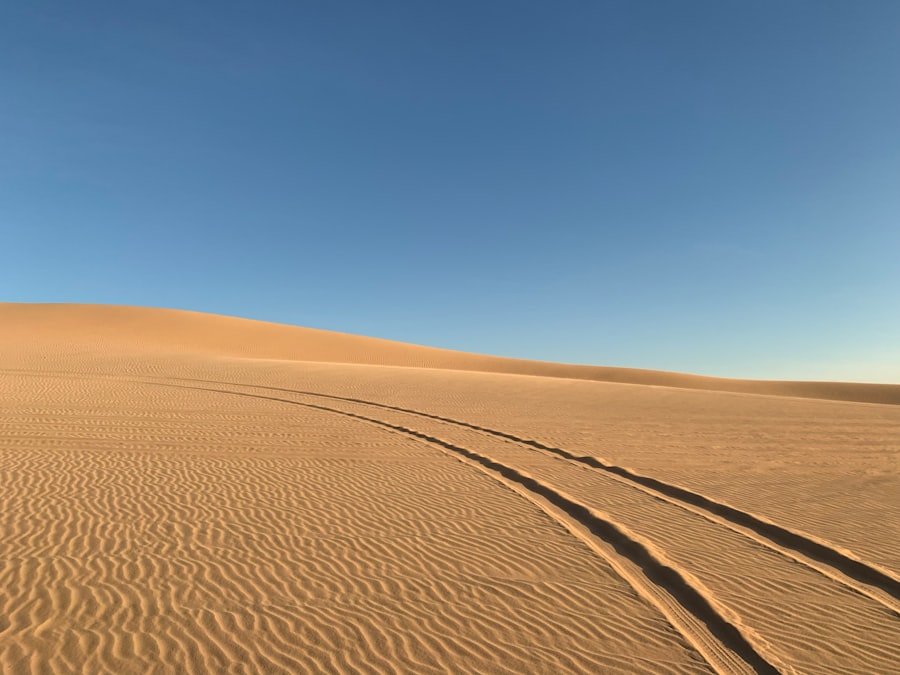
“Desert Solitaire” is structured around Abbey’s experiences during his time as a seasonal ranger in Arches National Park from 1956 to 1957. The book opens with Abbey’s reflections on the stark beauty of the desert landscape, where he finds solace in its isolation and tranquility. He describes the unique geological formations, the vibrant colors of the sunsets, and the diverse flora and fauna that inhabit this arid environment.
Through vivid descriptions, Abbey invites readers to appreciate the desert’s raw beauty while simultaneously confronting its harsh realities. As the narrative unfolds, Abbey shares various encounters with wildlife, fellow rangers, and visitors to the park. He recounts moments of joy and frustration, illustrating the tension between human activity and the natural world.
One poignant episode involves Abbey’s observations of tourists who flock to the park, often oblivious to its delicate ecosystems. He expresses concern over the impact of mass tourism on these pristine landscapes, highlighting the need for conservation efforts. Throughout “Desert Solitaire,” Abbey’s voice emerges as both a passionate advocate for nature and a critical observer of human behavior, creating a compelling narrative that resonates with readers who share his love for the wilderness.
Themes in Desert Solitaire
One of the central themes in “Desert Solitaire” is the concept of solitude and its transformative power. Abbey finds profound meaning in isolation, viewing it as an opportunity for self-discovery and reflection. His time spent alone in the desert allows him to connect deeply with nature and confront existential questions about life and purpose.
This theme resonates with readers who seek solace in nature or who grapple with their own sense of identity amidst the chaos of modern life. Another significant theme is Abbey’s critique of industrialization and its detrimental effects on the environment. He laments the encroachment of civilization into wild spaces and expresses concern over the loss of natural beauty due to urban development and tourism.
Abbey’s passionate defense of wilderness serves as a rallying cry for environmental activism, urging readers to recognize the intrinsic value of untouched landscapes. His writing challenges societal norms that prioritize economic growth over ecological preservation, making “Desert Solitaire” a powerful manifesto for conservation.
Environmental Impact of Desert Solitaire
“Desert Solitaire” has had a lasting impact on environmental discourse since its publication. Abbey’s vivid descriptions of the desert landscape and his impassioned pleas for conservation have inspired countless individuals to appreciate and protect natural spaces. The book has become a cornerstone of environmental literature, influencing movements aimed at preserving wilderness areas across the United States.
Abbey’s advocacy for minimal human impact on fragile ecosystems resonates with contemporary environmentalists who continue to fight against climate change and habitat destruction. Moreover, Abbey’s work has contributed to a broader understanding of the importance of solitude in nature for mental health and well-being. In an age where urbanization dominates daily life, “Desert Solitaire” serves as a reminder of the restorative power of wild spaces.
The book encourages readers to seek out moments of quiet reflection in nature, fostering a deeper connection to the environment. This message has gained renewed relevance as society grapples with issues such as urban stressors and disconnection from nature.
Criticisms and Controversies surrounding Desert Solitaire
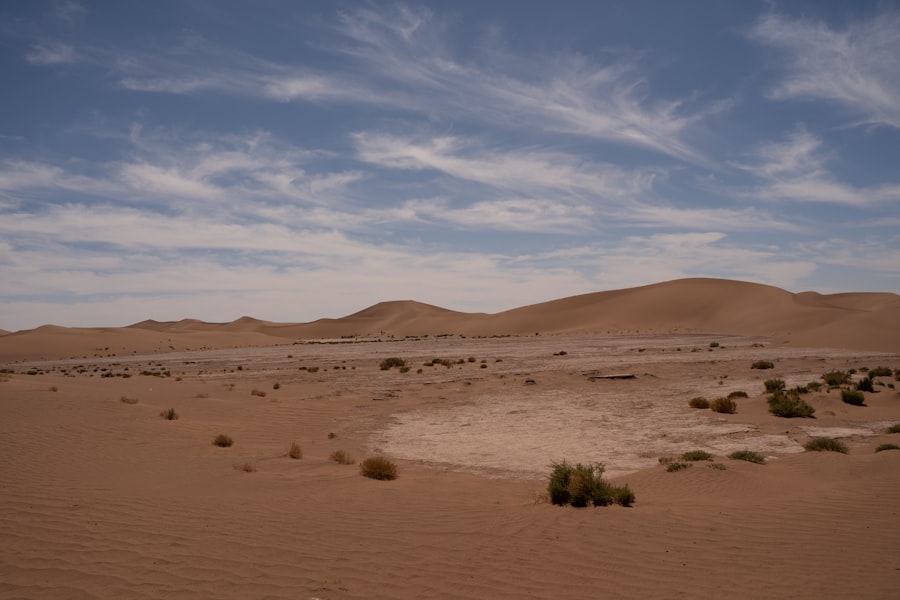
Despite its acclaim, “Desert Solitaire” has not been without its criticisms. Some detractors argue that Abbey’s romanticized view of nature overlooks the complexities of human interaction with the environment. Critics contend that his portrayal of solitude may inadvertently promote an elitist perspective that dismisses the experiences of marginalized communities who may not have access to such wilderness spaces.
This critique raises important questions about inclusivity within environmental movements and highlights the need for diverse voices in discussions about conservation. Additionally, Abbey’s sometimes controversial views on environmental activism have sparked debate among readers and scholars alike. His advocacy for direct action against perceived threats to nature has been interpreted by some as endorsing eco-terrorism.
While Abbey himself may not have explicitly condoned violent actions against property or infrastructure, his passionate rhetoric has led to varied interpretations among activists. This complexity adds layers to discussions surrounding environmental ethics and strategies for achieving conservation goals.
Legacy of Desert Solitaire
The legacy of “Desert Solitaire” extends far beyond its initial publication; it has become a touchstone for environmental literature and activism. Abbey’s work has inspired generations of writers, activists, and outdoor enthusiasts who seek to engage with nature on a deeper level. The book’s influence can be seen in contemporary environmental movements that emphasize the importance of preserving wild spaces for future generations.
Furthermore, “Desert Solitaire” has contributed to a broader cultural appreciation for national parks and wilderness areas in America. As more people seek refuge in natural spaces amid urbanization and technological advancement, Abbey’s reflections on solitude resonate with those yearning for connection to the earth.
The book has also sparked discussions about sustainable tourism practices that prioritize conservation while allowing people to experience the beauty of these landscapes responsibly.
The Influence of Desert Solitaire
The influence of “Desert Solitaire” is profound and enduring, marking it as one of the most significant works in American literature regarding nature and environmentalism. Edward Abbey’s passionate prose continues to inspire readers to explore their own connections with nature while advocating for its preservation. The themes explored within its pages—solitude, industrialization’s impact on wilderness, and the call for environmental stewardship—remain relevant today as society grapples with pressing ecological challenges.
As we navigate an increasingly complex world marked by climate change and habitat loss, “Desert Solitaire” serves as both a reminder and an inspiration to cherish our natural surroundings. Abbey’s work encourages us to reflect on our place within the ecosystem and challenges us to consider how we can contribute positively to preserving our planet’s wild spaces for future generations. In this way, “Desert Solitaire” transcends its time period; it remains a vital part of ongoing conversations about humanity’s relationship with nature and our responsibility toward it.
In Edward Abbey’s “Desert Solitaire,” the author passionately explores the beauty and fragility of the American Southwest’s natural landscapes. For readers interested in further discussions about the relationship between nature and human experience, the article on the importance of preserving wilderness areas can provide valuable insights. You can read more about this topic in the related article


