

Mountains have long occupied a significant position in human consciousness, functioning as both physical and symbolic landscapes that influence our thoughts, ambitions, and self-perception. The imposing peaks inspire awe and present challenges beyond their physical presence. They represent more than geological formations; they symbolize perseverance, discovery, and the pursuit of knowledge.
The concept “Mountains of the Mind” reflects this duality, indicating that physical mountains have counterparts in our internal psychological terrain. This relationship between external and internal landscapes encourages examination of how mountains affect our psychology, cultural expressions, and innovative thinking. Mountain fascination permeates human history.
Throughout time, from ancient societies that considered them holy sites to contemporary explorers attempting to reach their summits, mountains have consistently provided inspiration and challenges. They function simultaneously as physical obstacles and metaphorical journeys, compelling individuals to face their personal limitations and goals. Examining mountaineering history reveals not only the development of climbing methods and tools but also evolving perceptions of mountains—transforming from barriers to overcome into locations of exceptional beauty and spiritual importance.
Key Takeaways
- Mountains have shaped human culture, psychology, and imagination throughout history.
- Mountaineering evolved from exploration to a blend of physical challenge and spiritual experience.
- Mountains inspire rich literary and artistic expressions reflecting their profound impact.
- Climbing offers both a physical test and a deep, often spiritual, connection with nature.
- Environmental concerns highlight the need to preserve mountain ecosystems amid growing human activity.
The History of Mountaineering
The history of mountaineering is a tapestry woven with tales of exploration, bravery, and innovation. The earliest recorded attempts to scale mountains can be traced back to the ancient Greeks, who viewed peaks like Olympus as the abode of gods. However, it was not until the late 18th century that mountaineering began to emerge as a distinct pursuit.
The ascent of Mont Blanc in 1786 by Jacques Balmat and Michel-Gabriel Paccard marked a pivotal moment in this history, igniting a passion for climbing that would spread across Europe and beyond. This ascent was not merely an act of physical achievement; it symbolized humanity’s desire to conquer nature and understand its mysteries. As the 19th century progressed, mountaineering evolved into a popular sport, attracting adventurers from various backgrounds.
The establishment of climbing clubs, such as the Alpine Club in 1857, facilitated the sharing of knowledge and techniques among climbers. This period also saw the rise of iconic figures like Edward Whymper, who famously conquered the Matterhorn in 1865. Whymper’s journey was fraught with peril, culminating in tragedy when several members of his party perished during the descent.
Such events underscored the inherent dangers of mountaineering but also highlighted the indomitable spirit of those who sought to reach new heights. The evolution of climbing gear, including the introduction of pitons and ropes, further transformed the practice, making previously inaccessible peaks attainable.
The Psychological and Cultural Impact of Mountains

Mountains exert a profound psychological influence on individuals and cultures alike. For many, they represent a space for introspection and self-discovery. The act of climbing can serve as a metaphor for overcoming personal challenges, with each ascent mirroring the struggles faced in everyday life.
The solitude found in high altitudes often leads climbers to confront their innermost thoughts, fostering a sense of clarity and purpose. This psychological aspect is not limited to climbers; even those who admire mountains from afar can experience feelings of awe and inspiration that provoke deep reflection. Culturally, mountains have been woven into the fabric of societies around the world.
In many indigenous cultures, mountains are revered as sacred entities that embody spiritual significance. For instance, Mount Fuji in Japan is not only a stunning natural landmark but also a symbol of beauty and resilience deeply embedded in Japanese art and literature. Similarly, the Andes hold immense cultural importance for various South American communities, serving as both a source of sustenance and a spiritual refuge.
These cultural narratives surrounding mountains contribute to a collective identity that shapes how communities interact with their environment and each other.
The Literary and Artistic Representation of Mountains
Mountains have inspired countless works of literature and art throughout history, serving as powerful symbols that evoke a range of emotions and ideas. In literature, mountains often represent both physical challenges and metaphysical quests.
Muir’s writings about the Sierra Nevada not only celebrate the beauty of these landscapes but also advocate for their preservation, highlighting the interconnectedness between nature and human experience. In visual arts, mountains have been depicted in various styles and mediums, from traditional landscape paintings to modern abstract interpretations. Artists like Caspar David Friedrich used mountains to convey themes of solitude and transcendence, inviting viewers to contemplate their own place within the vastness of nature.
The Romantic movement further emphasized this connection between mountains and human emotion, portraying them as sublime forces that evoke both fear and admiration. Contemporary artists continue to explore this relationship, using mountains as metaphors for personal struggles or societal issues, thus ensuring that their significance endures in modern discourse.
The Physical and Spiritual Experience of Climbing
The act of climbing is not merely a physical endeavor; it encompasses a holistic experience that intertwines body, mind, and spirit. As climbers ascend rugged terrains, they engage in a dialogue with nature that challenges their physical limits while simultaneously fostering a sense of connection to something greater than themselves. The exhilaration felt at reaching a summit is often accompanied by profound moments of introspection, where climbers reflect on their journey—both literal and metaphorical.
This duality transforms climbing into a spiritual pilgrimage for many, where each ascent becomes an opportunity for personal growth. Moreover, the physical demands of climbing cultivate resilience and determination. Climbers must navigate unpredictable weather conditions, treacherous paths, and their own fears.
Each obstacle surmounted reinforces a sense of accomplishment that extends beyond the mountain itself. This experience resonates deeply with individuals seeking to push their boundaries in other aspects of life. The lessons learned on the mountain—perseverance in the face of adversity, humility in recognizing one’s limitations—often translate into newfound strength in personal or professional challenges.
Environmental and Conservation Concerns
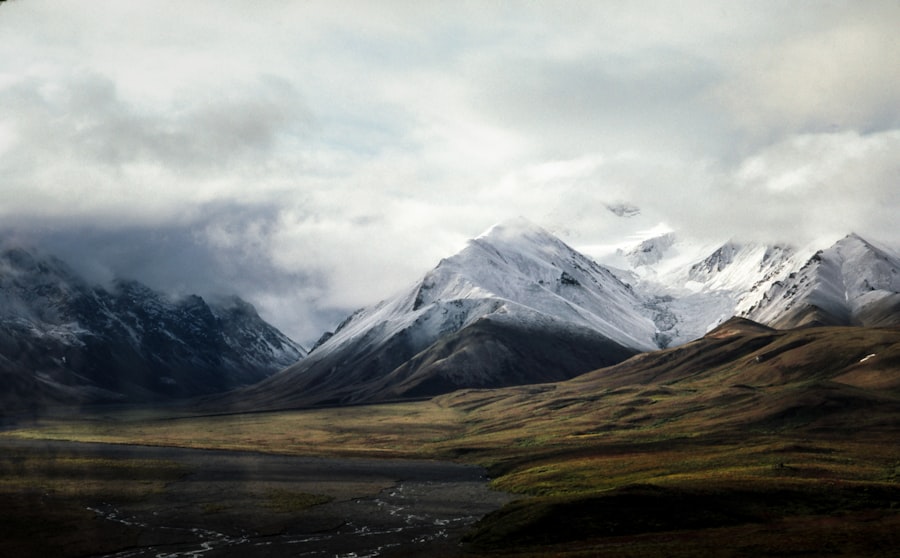
As interest in mountaineering continues to grow, so too do concerns regarding environmental sustainability and conservation. The increasing number of climbers on popular peaks has led to significant ecological impacts, including littering, soil erosion, and disturbances to local wildlife habitats. For instance, Mount Everest has become emblematic of these challenges; its popularity has resulted in overcrowding during climbing seasons, leading to waste management crises that threaten both the environment and climbers’ safety.
The delicate ecosystems surrounding these majestic peaks require careful stewardship to ensure their preservation for future generations. In response to these challenges, various organizations have emerged to promote responsible climbing practices and environmental awareness among mountaineers. Initiatives such as Leave No Trace emphasize minimizing human impact on natural landscapes by encouraging climbers to pack out what they bring in and respect wildlife habitats.
Additionally, conservation efforts aimed at protecting mountain ecosystems are gaining traction globally. Collaborative projects involving local communities, climbers, and environmentalists seek to balance recreational access with ecological preservation, fostering a sense of shared responsibility for these awe-inspiring landscapes.
The Influence of Mountains on Human Imagination
Mountains have long served as powerful catalysts for human imagination, inspiring myths, legends, and dreams across cultures. They often symbolize challenges that must be faced or obstacles that must be overcome—both physically and metaphorically. In many mythologies, mountains are depicted as abodes for gods or mystical beings, representing a bridge between the earthly realm and the divine.
For example, in Greek mythology, Mount Olympus is not only a physical location but also a symbol of ultimate power and authority among the gods. The influence of mountains extends beyond mythology into contemporary culture as well. They appear prominently in films, music, and popular literature as symbols of adventure and exploration.
Movies like “Everest” or “Into Thin Air” dramatize real-life climbing expeditions while exploring themes of ambition and human vulnerability against nature’s grandeur. Similarly, musicians often draw upon mountainous imagery to evoke feelings of freedom or introspection in their lyrics. This pervasive presence in various forms of expression underscores how mountains continue to shape our collective imagination.
Mountains as a Source of Inspiration and Challenge
Mountains stand as enduring symbols within human culture—representing both formidable challenges and profound sources of inspiration. They invite us to explore not only their physical heights but also our inner landscapes as we confront our fears and aspirations. Through mountaineering’s rich history, we witness humanity’s evolving relationship with these majestic formations—from obstacles to be conquered to sacred spaces deserving reverence.
The psychological impact of mountains resonates deeply within individuals while shaping cultural narratives across societies. Their representation in literature and art reflects our ongoing fascination with nature’s grandeur and its ability to evoke complex emotions.
In navigating both the physical challenges posed by mountains and the internal struggles they symbolize, we find opportunities for growth that extend far beyond any summit reached. Ultimately, mountains serve as powerful reminders that life itself is an ascent filled with obstacles worth overcoming—a journey that inspires us to reach new heights within ourselves.
In “Mountains of the Mind,” Robert Macfarlane explores the complex relationship between humans and the mountainous landscapes that inspire both awe and fear. This theme resonates with the insights presented in a related article on Hellread, which delves into the psychological impact of nature on the human psyche. For a deeper understanding of how our surroundings shape our emotions and thoughts, you can read more in this article.
FAQs
What is “Mountains of the Mind” about?
“Mountains of the Mind” is a book by Robert Macfarlane that explores the complex relationship between humans and mountains. It delves into the history, psychology, and cultural significance of mountains, examining why people are drawn to them despite the dangers they pose.
Who is Robert Macfarlane?
Robert Macfarlane is a British writer and academic known for his works on landscape, nature, and travel. He has written several acclaimed books that explore human connections with the natural world, including “Mountains of the Mind.”
When was “Mountains of the Mind” published?
“Mountains of the Mind” was first published in 2003.
What themes are explored in “Mountains of the Mind”?
The book explores themes such as the allure and fear of mountains, the history of mountaineering, the psychological motivations behind climbing, and the cultural myths and stories associated with mountains.
Is “Mountains of the Mind” a factual or fictional work?
“Mountains of the Mind” is a non-fiction work that combines history, psychology, and personal reflection to provide insight into human fascination with mountains.
Does the book discuss famous mountaineers?
Yes, the book discusses notable figures in mountaineering history, including their achievements and the impact they had on the perception of mountains.
What is the significance of the title “Mountains of the Mind”?
The title reflects the idea that mountains exist not only as physical entities but also as powerful symbols and constructs within the human imagination and psyche.
Has “Mountains of the Mind” received any awards or recognition?
Yes, the book has been widely praised for its literary quality and insightful analysis, and it has won several awards, including the Guardian First Book Award.
Is “Mountains of the Mind” suitable for readers interested in nature writing?
Absolutely. The book is highly regarded in the genre of nature writing and appeals to readers interested in landscapes, adventure, and the human relationship with the natural world.
Where can I find “Mountains of the Mind”?
“Mountains of the Mind” is available in bookstores, libraries, and online retailers in both print and digital formats.




