
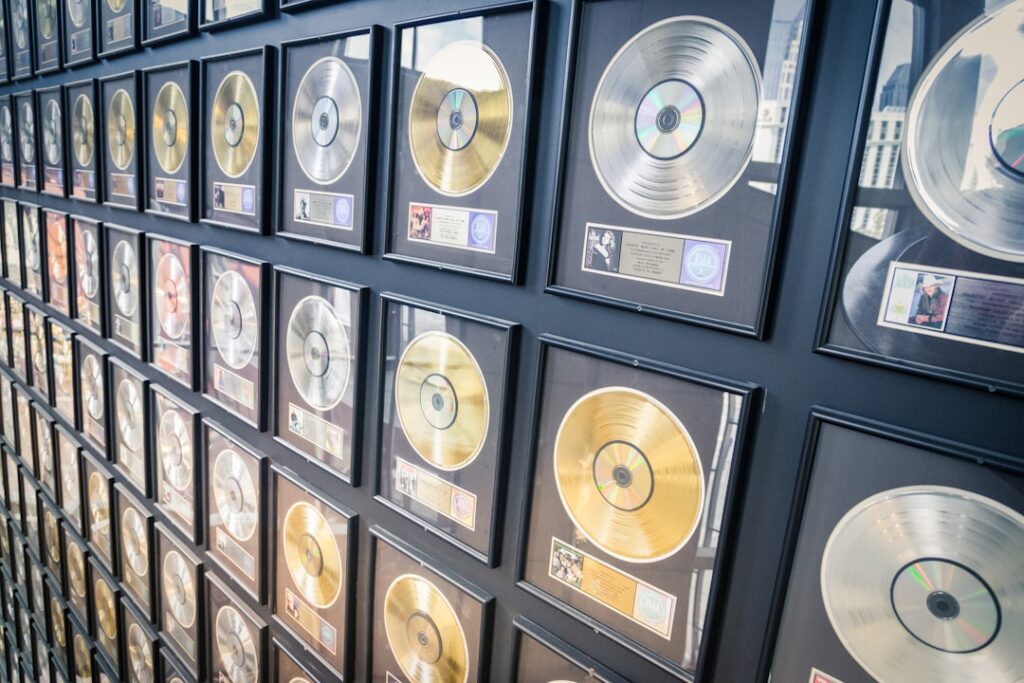
The music industry has undergone a seismic shift over the past two decades, driven primarily by the rapid advancement of digital technology. This transformation has not only altered how music is consumed but has also redefined the roles of artists, producers, and record labels. The advent of the internet, coupled with the proliferation of smartphones and high-speed connectivity, has created an environment where music is more accessible than ever before.
Gone are the days when physical sales dominated the market; today, digital platforms reign supreme, reshaping the landscape of music distribution and consumption. As we delve into this digital transformation, it is essential to recognize the multifaceted nature of these changes. The rise of streaming services, social media platforms, and digital distribution channels has democratized music access, allowing independent artists to reach global audiences without the backing of major record labels.
This shift has not only empowered musicians but has also led to new business models and revenue streams that challenge traditional paradigms. Understanding this evolution is crucial for anyone involved in the music industry, as it presents both challenges and opportunities that require adaptation and innovation.
Key Takeaways
- Streaming services have revolutionized music consumption and revenue models.
- Social media platforms play a crucial role in music promotion and fan engagement.
- Digital distribution has transformed how music reaches audiences globally.
- Technology advances have significantly influenced music creation and production processes.
- Independent artists face both new challenges and opportunities in the evolving digital landscape.
The Impact of Streaming Services on the Music Industry
Streaming services have revolutionized how listeners engage with music, fundamentally altering consumption patterns. Platforms like Spotify, Apple Music, and Amazon Music have made it possible for users to access vast libraries of songs for a monthly subscription fee or even for free with ads. This model has shifted the focus from album sales to single-track consumption, leading to a significant decline in physical sales and digital downloads.
According to the Recording Industry Association of America (RIAA), streaming accounted for over 80% of the U.S. music industry’s revenue in 2020, underscoring its dominance in the market. Moreover, streaming services have introduced new metrics for success in the music industry.
The concept of “hits” has evolved; rather than relying solely on album sales or radio play, artists now aim for high streaming numbers and playlist placements. Curated playlists have become a powerful tool for discovery, allowing listeners to explore new music based on their preferences. However, this shift has also raised concerns about fair compensation for artists.
Many musicians argue that the per-stream payout is insufficient to sustain a living, prompting discussions about how to create a more equitable system within the streaming economy.
The Role of Social Media in the Promotion of Music
Social media has emerged as a critical component in the promotion and marketing of music in the digital age. Platforms such as Instagram, TikTok, Twitter, and Facebook provide artists with direct access to their fanbase, enabling them to engage with listeners in real-time. This level of interaction fosters a sense of community and loyalty that was previously difficult to achieve through traditional marketing channels.
Artists can share behind-the-scenes content, announce new releases, and even host live performances, creating a more personal connection with their audience. The viral nature of social media can also propel songs to unexpected heights. For instance, TikTok has become a breeding ground for music trends, where snippets of songs can go viral and lead to significant increases in streams and downloads.
The song “Old Town Road” by Lil Nas X is a prime example; its popularity on TikTok played a pivotal role in its chart-topping success. This phenomenon illustrates how social media not only serves as a promotional tool but also as a platform for discovery, allowing new artists to break into the mainstream without traditional gatekeeping.
The Evolution of Music Distribution in the Digital Age
The distribution of music has transformed dramatically with the advent of digital technology. In the past, artists relied heavily on record labels to distribute their music through physical formats like vinyl records, cassettes, and CDs. However, the rise of digital distribution platforms such as DistroKid, TuneCore, and CD Baby has empowered independent musicians to take control of their own distribution channels.
These services allow artists to upload their music directly to streaming platforms and online stores, bypassing traditional gatekeepers. This shift has led to an explosion of content available to consumers. With millions of tracks at their fingertips, listeners can explore diverse genres and discover emerging artists from around the world.
However, this abundance also presents challenges; standing out in a crowded marketplace requires strategic marketing efforts and a strong online presence. Additionally, the ease of distribution has led to concerns about quality control, as not all music released is polished or professionally produced. As a result, listeners must navigate through a vast sea of content to find what resonates with them.
The Influence of Technology on Music Creation and Production
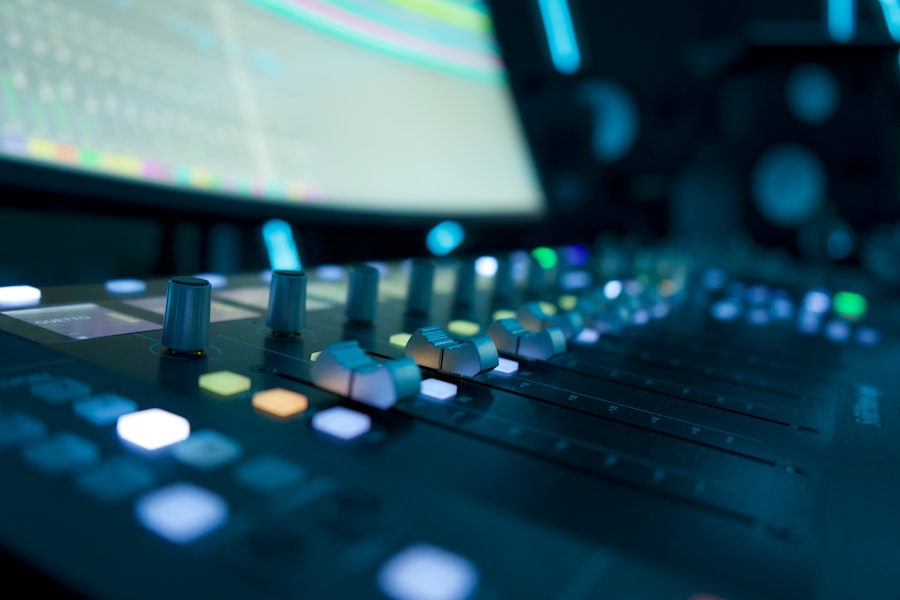
Technology has not only transformed how music is distributed but has also revolutionized how it is created and produced. Digital audio workstations (DAWs) like Ableton Live, Logic Pro, and Pro Tools have democratized music production, allowing aspiring musicians to create high-quality recordings from their home studios. This accessibility has led to an explosion of creativity, as artists can experiment with sounds and production techniques without the constraints of traditional studio environments.
Moreover, advancements in artificial intelligence (AI) and machine learning are beginning to influence music creation in unprecedented ways.
For instance, platforms like Amper Music allow users to create custom tracks by selecting parameters such as mood and genre, showcasing how technology can augment human creativity rather than replace it.
This intersection of technology and artistry opens up new possibilities for collaboration and innovation within the music industry.
The Challenges and Opportunities for Independent Artists in the Digital Era

While the digital landscape offers unprecedented opportunities for independent artists, it also presents significant challenges that must be navigated carefully. One major hurdle is the saturation of the market; with so many artists vying for attention online, it can be difficult for newcomers to gain visibility. Effective marketing strategies are essential for standing out in this crowded space.
Independent musicians often rely on social media campaigns, collaborations with other artists, and grassroots efforts to build their fanbase. Additionally, financial sustainability remains a pressing concern for many independent artists. While digital distribution allows for greater reach, revenue generation through streaming can be inconsistent and often insufficient to cover production costs.
Many artists are exploring alternative revenue streams such as merchandise sales, crowdfunding campaigns, and live performances to supplement their income. Platforms like Patreon enable fans to support their favorite artists directly through subscriptions or donations, fostering a more sustainable model for independent musicians.
The Future of the Music Industry in a Digital World
As we look ahead to the future of the music industry in an increasingly digital world, several trends are likely to shape its trajectory. One significant development is the continued rise of immersive experiences through virtual reality (VR) and augmented reality (AR). These technologies have the potential to transform live performances by creating interactive environments that engage audiences in new ways.
Artists like Travis Scott have already experimented with virtual concerts within video games like Fortnite, demonstrating how digital platforms can expand the reach and impact of live music. Furthermore, as consumer preferences evolve, there may be a shift towards more personalized listening experiences driven by AI algorithms that curate content based on individual tastes.
However, this personalization must be balanced with diversity; ensuring that emerging artists from various backgrounds are still given opportunities for exposure will be crucial in maintaining a vibrant musical landscape.
Navigating the Digital Transformation as a Music Industry Professional
Navigating the digital transformation of the music industry requires adaptability and an understanding of emerging trends and technologies. For industry professionals—whether they are artists, producers, or marketers—embracing change is essential for success in this dynamic environment. By leveraging digital tools effectively and staying attuned to shifts in consumer behavior, professionals can position themselves strategically within this evolving landscape.
As we continue to witness rapid advancements in technology and shifts in consumer preferences, those who remain agile and open-minded will thrive in this new era of music. The digital transformation presents both challenges and opportunities that can redefine careers and reshape the industry as a whole. Embracing innovation while maintaining a commitment to artistic integrity will be key for navigating this exciting yet complex terrain in the years to come.
In exploring the impact of technology on the music industry, a related article titled “The Future of Music Streaming: Trends and Predictions” provides valuable insights into the evolving landscape of music consumption. This article delves into the latest trends in streaming services and how they are shaping the way artists connect with their audiences. For more information, you can read the article here.
FAQs
What is digital transformation in the music industry?
Digital transformation in the music industry refers to the integration of digital technology into all areas of music production, distribution, and consumption. This includes the shift from physical media to digital formats, the rise of streaming services, and the use of data analytics and social media to engage audiences.
How has digital transformation affected music distribution?
Digital transformation has shifted music distribution from physical formats like CDs and vinyl to digital platforms such as streaming services (Spotify, Apple Music) and digital downloads. This has made music more accessible globally and changed revenue models for artists and record labels.
What role do streaming services play in the digital transformation of music?
Streaming services are central to the digital transformation, providing on-demand access to vast music libraries. They have changed how listeners consume music, emphasizing playlists and personalized recommendations, and have become a primary revenue source for many artists.
How has digital technology impacted music production?
Digital technology has revolutionized music production by enabling artists to create, edit, and produce music using software and digital instruments. This has lowered barriers to entry, allowing independent artists to produce high-quality music without traditional studio resources.
What challenges has the music industry faced due to digital transformation?
Challenges include piracy, changes in revenue distribution, and the need to adapt to new business models. Artists and labels have had to navigate lower income from physical sales and find ways to monetize digital streams and online presence effectively.
How has digital transformation influenced artist-fan interaction?
Digital platforms and social media have enhanced direct communication between artists and fans, allowing for real-time engagement, marketing, and community building. This has empowered artists to build their brand and fanbase independently.
What is the impact of data analytics in the music industry?
Data analytics helps artists, labels, and platforms understand listener behavior, optimize marketing strategies, and tailor music recommendations. It supports decision-making in A&R (artists and repertoire) and helps identify emerging trends.
Are physical music formats still relevant in the digital age?
While digital formats dominate, physical formats like vinyl have seen a resurgence among collectors and audiophiles. They remain a niche market but contribute to diversified revenue streams for artists and labels.
How has digital transformation affected music rights and royalties?
Digital transformation has complicated rights management due to the proliferation of platforms and formats. It has led to new licensing models and the need for improved tracking and distribution of royalties to ensure fair compensation.
What future trends are expected in the digital transformation of the music industry?
Future trends include increased use of artificial intelligence in music creation and curation, blockchain for rights management, immersive technologies like virtual reality concerts, and further personalization of music experiences.




