
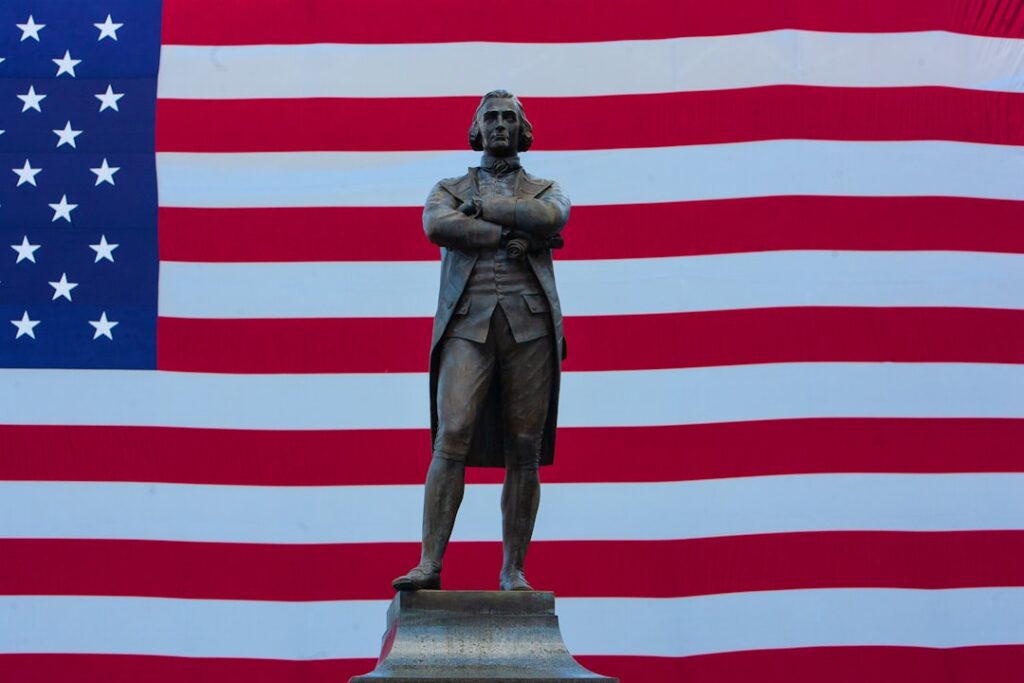
George Washington, often referred to as the “Father of His Country,” stands as a towering figure in American history. His life and legacy are intricately woven into the fabric of the United States, representing the ideals of leadership, resilience, and patriotism. Born on February 22, 1732, in Westmoreland County, Virginia, Washington’s journey from a young land surveyor to the commander-in-chief of the Continental Army and eventually the first President of the United States is a testament to his extraordinary character and unwavering commitment to his country.
His influence extends beyond his military and political achievements; Washington’s vision for a united nation continues to resonate in contemporary American society. Washington’s significance is not merely confined to his roles in military and governance; he embodies the spirit of a nation striving for independence and self-determination. His leadership during the American Revolution galvanized disparate colonies into a cohesive force against British rule, while his presidency laid the groundwork for the fledgling republic’s governance.
As a symbol of unity and integrity, Washington’s legacy serves as a guiding light for future generations, reminding them of the values upon which the United States was founded.
Key Takeaways
- George Washington was the first President of the United States and a key figure in the American Revolution.
- He had a successful military career and played a crucial role in the founding of the United States.
- Washington’s leadership and character were instrumental in shaping the early American government and setting precedents for future leaders.
- His presidency and political legacy set the tone for the new nation and established many of the traditions and institutions that endure today.
- Washington’s impact on American history is profound, and his contributions to the founding of the United States are widely recognized and celebrated.
Early Life and Military Career
George Washington was born into a family of planters, which afforded him a comfortable upbringing in colonial Virginia. His early education was sporadic, primarily conducted at home, where he developed a keen interest in mathematics and surveying. By the age of 17, Washington had begun his career as a surveyor, which not only honed his skills in land measurement but also provided him with an intimate understanding of the Virginia wilderness.
This experience would later prove invaluable during his military campaigns. In 1754, Washington’s military career began in earnest when he was appointed as a lieutenant colonel in the Virginia militia during the French and Indian War. His early encounters with warfare were marked by both triumphs and setbacks, including his notable defeat at Fort Necessity.
The French and Indian War served as a crucible for Washington, shaping his military acumen and leadership style. He learned the importance of strategy, logistics, and troop morale while navigating the complexities of colonial warfare. After the war, Washington returned to Virginia, where he married Martha Custis, a wealthy widow, and took on the role of a plantation owner.
However, his military ambitions were not extinguished. The growing tensions between the American colonies and Great Britain reignited Washington’s passion for military service. As discontent brewed over issues such as taxation without representation, Washington emerged as a prominent voice advocating for colonial rights, setting the stage for his pivotal role in the impending revolution.
Leadership in the American Revolution
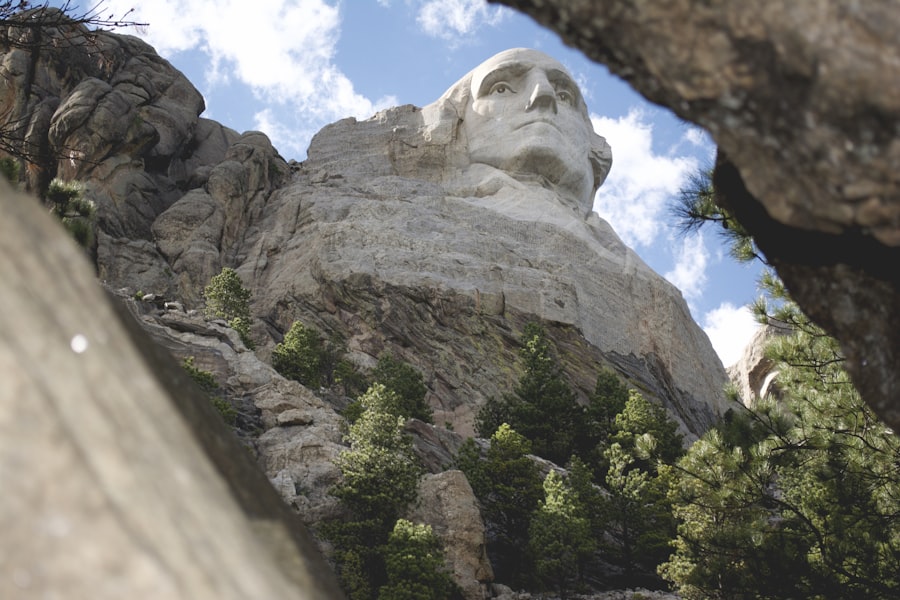
Washington’s leadership during the American Revolution was characterized by his ability to inspire and unify diverse groups under a common cause.
Washington’s strategic foresight was evident in his decision to adopt unconventional tactics that leveraged the strengths of his troops while exploiting British weaknesses.
The surprise attack on Trenton after crossing the icy Delaware River on December 25, 1776, exemplified his audacity and willingness to take calculated risks. Throughout the war, Washington faced numerous challenges, including supply shortages, troop desertions, and internal divisions among the Continental Congress. Yet, his steadfast resolve and ability to maintain morale among his soldiers were crucial to sustaining the revolutionary effort.
The winter at Valley Forge in 1777-78 tested both Washington’s leadership and the endurance of his troops. Despite facing harsh conditions and dwindling resources, Washington’s commitment to training and discipline transformed the Continental Army into a formidable fighting force. His leadership culminated in the decisive victory at Yorktown in 1781, where British General Cornwallis surrendered, effectively ending major hostilities in the war.
Presidency and Political Legacy
After the Revolutionary War, George Washington was unanimously elected as the first President of the United States in 1789. His presidency set critical precedents for the office and established foundational principles for American governance. Washington approached his role with a sense of duty and responsibility, understanding that his actions would shape the future of the nation.
He emphasized the importance of a strong federal government while also advocating for checks and balances to prevent tyranny. His administration faced significant challenges, including economic instability and foreign relations with European powers. One of Washington’s most significant contributions during his presidency was his decision to step down after two terms in office.
This voluntary relinquishment of power established a precedent for future presidents and underscored his belief in democratic principles over personal ambition. Washington’s Farewell Address in 1796 further solidified his political legacy by warning against political factions and foreign entanglements. He urged Americans to prioritize national unity and remain vigilant against divisive influences that could threaten the republic’s stability.
Personal Life and Character
George Washington’s personal life was marked by both triumphs and tribulations that shaped his character. His marriage to Martha Custis brought him wealth and social standing but also placed him under public scrutiny as he navigated life as a prominent figure in Virginia society. The couple had no children together, but Washington adopted Martha’s two children from her previous marriage, raising them as his own.
His deep affection for Martha is well-documented through their correspondence, revealing a tender side to a man often portrayed as stoic and resolute. Washington’s character was defined by integrity, humility, and an unwavering sense of duty. He was known for his strong moral compass and commitment to fairness, which earned him respect from both allies and adversaries alike.
Despite his elevated status, he remained grounded in his values and often sought counsel from others before making decisions. This humility was evident in his interactions with fellow leaders during the revolution and later in his presidency. Washington’s ability to listen and adapt contributed significantly to his effectiveness as a leader.
Contributions to the Founding of the United States
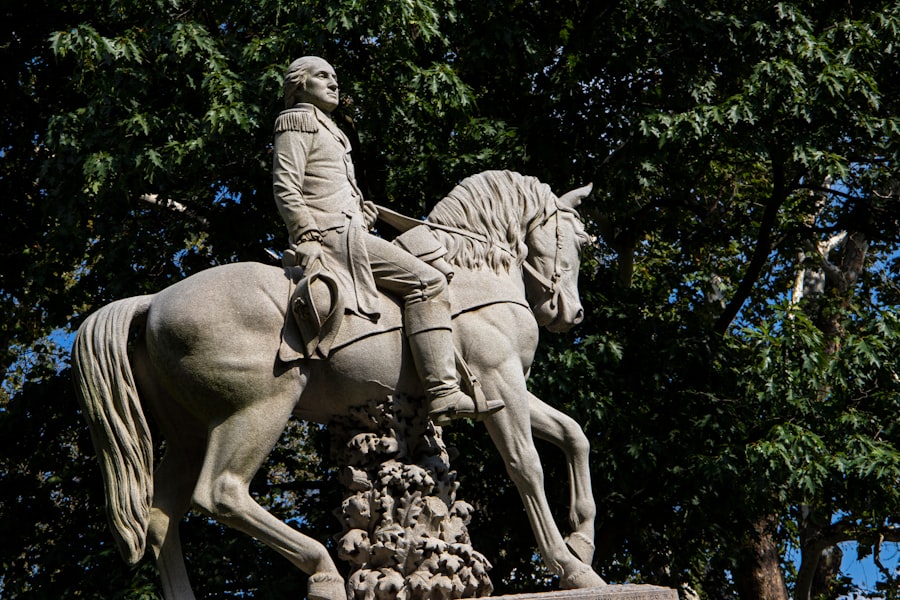
Washington’s contributions to the founding of the United States extend beyond his military victories and presidential leadership; he played an instrumental role in shaping key documents that defined the nation’s governance. As a delegate to the Constitutional Convention in 1787, he presided over deliberations that resulted in the drafting of the U.S. Constitution. His support for a strong central government was pivotal in persuading other delegates to adopt provisions that balanced power among branches while safeguarding individual liberties. Moreover, Washington’s influence on the Bill of Rights cannot be overstated. He recognized that protecting individual freedoms was essential for fostering trust between citizens and their government. His advocacy for these amendments reflected his commitment to ensuring that the new government would not replicate the oppressive practices experienced under British rule. The ratification of these amendments solidified Washington’s vision for a nation built on democratic principles and respect for human rights.
Impact on American History
The impact of George Washington on American history is profound and multifaceted. As a military leader, he not only secured independence but also established military traditions that continue to influence U.S. armed forces today. His strategies during the Revolutionary War laid foundational principles for modern military tactics, emphasizing adaptability and resilience in face of adversity. Furthermore, Washington’s leadership style has been studied extensively by military strategists and political leaders alike as an exemplar of effective command. In addition to his military contributions, Washington’s presidency set critical precedents that shaped executive power in America. His establishment of a cabinet system allowed for diverse perspectives within governance while promoting collaboration among leaders with differing viewpoints. This model has endured through centuries of American political evolution, demonstrating Washington’s foresight in creating an adaptable government structure capable of addressing emerging challenges.
Conclusion and Legacy
George Washington’s legacy is one that transcends time; it is etched into the very identity of the United States as a nation built on principles of liberty, democracy, and unity. His life story—from humble beginnings to becoming a national icon—serves as an enduring source of inspiration for countless individuals striving for greatness against all odds. The values he championed—integrity, service before self, and commitment to civic duty—continue to resonate within American society today.
As we reflect on Washington’s contributions to both the founding of America and its ongoing evolution as a democratic republic, it becomes clear that his influence remains relevant in contemporary discussions about leadership and governance.
In honoring George Washington’s legacy, we not only celebrate a remarkable individual but also reaffirm our commitment to uphold the values that define our nation’s character.
In exploring the life and legacy of George Washington, John Marshall’s biography provides a comprehensive look at the founding father’s character and contributions. For readers interested in further insights into historical figures and their impact on American history, a related article can be found at this link, which delves into the broader context of Washington’s era and the challenges faced by early American leaders.
FAQs
What is the book “The Life of George Washington” about?
The book “The Life of George Washington” by John Marshall is a biography of the first President of the United States, George Washington. It covers his early life, military career, and presidency.
Who is the author of “The Life of George Washington”?
The author of “The Life of George Washington” is John Marshall, who was a prominent American statesman and the fourth Chief Justice of the United States.
When was “The Life of George Washington” published?
“The Life of George Washington” was first published in 1804 and is considered one of the earliest and most influential biographies of George Washington.
What is the significance of “The Life of George Washington”?
“The Life of George Washington” is significant as it provides a comprehensive and detailed account of the life and achievements of George Washington, offering valuable insights into the founding of the United States and the character of its first president.
Is “The Life of George Washington” considered a reliable source of information?
Yes, “The Life of George Washington” is considered a reliable source of information as it was written by John Marshall, a respected statesman and contemporary of George Washington, and is based on extensive research and firsthand accounts.




