

Edward Shils was a prominent sociologist whose work has left an indelible mark on the study of social structures and revolutions. Born in 1910, Shils dedicated his life to understanding the complexities of social behavior and the underlying forces that drive societal change. His insights into the nature of revolutions, particularly in the context of social structures and ideologies, have provided a framework for analyzing the tumultuous events that shape human history.
As we delve into his theories, we find that Shils’ perspective is not merely academic; it resonates with the lived experiences of societies grappling with change. Shils emphasized the importance of understanding the interplay between various social elements during revolutionary periods. He argued that revolutions are not isolated events but rather the culmination of deep-seated tensions within a society.
By examining his work, we can gain a clearer understanding of how revolutions unfold and the factors that contribute to their success or failure. In this article, we will explore Shils’ analysis of revolution, focusing on the dynamics of social structure, ideology, leadership, mass mobilization, and violence.
Key Takeaways
- Edward A. Shils was a prominent sociologist known for his work on revolution and social change.
- Revolution is a complex process influenced by social structure, ideology, leadership, and mass mobilization.
- Social structure plays a crucial role in shaping the dynamics of revolution and determining its outcome.
- Ideology serves as a powerful force in motivating and mobilizing individuals to participate in revolutionary movements.
- Effective leadership can significantly impact the course and success of a revolution, while mass mobilization is essential for sustaining momentum and achieving change.
Understanding the Dynamics of Revolution
Revolutions are complex phenomena that arise from a confluence of social, political, and economic factors. Shils posited that to comprehend a revolution fully, we must analyze the underlying dynamics that propel societies toward upheaval. He believed that revolutions often emerge from a sense of discontent among the populace, fueled by perceived injustices and inequalities.
This discontent can manifest in various forms, from economic hardship to political repression, creating a fertile ground for revolutionary sentiments to take root. Moreover, Shils highlighted the role of historical context in shaping revolutionary dynamics. Each revolution is unique, influenced by the specific circumstances and cultural narratives of the society in which it occurs.
This historical perspective allows us to appreciate the nuances of each revolutionary movement while recognizing the broader themes that connect them.
The Role of Social Structure in Revolution
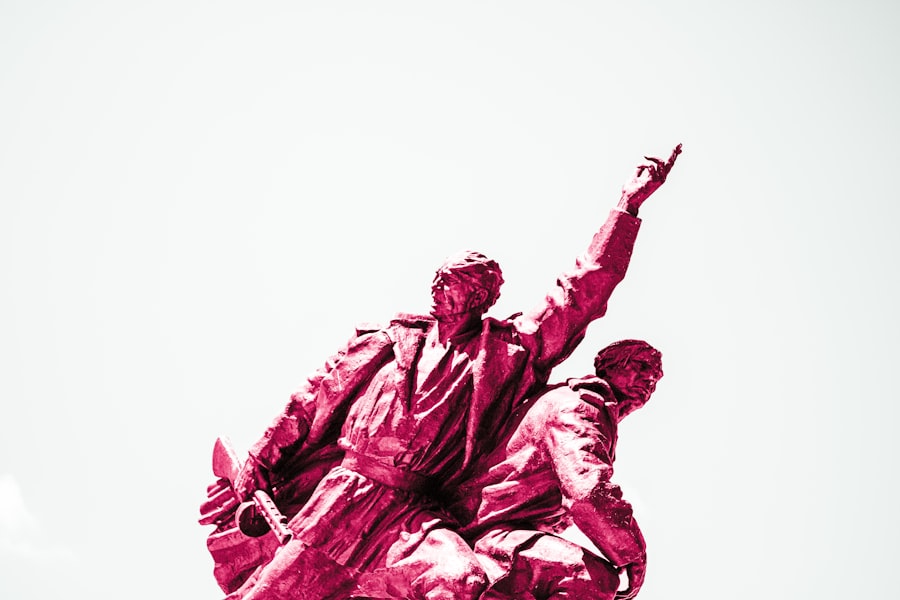
Social structure plays a pivotal role in shaping the trajectory of revolutions. Shils argued that the existing social hierarchies and institutions significantly influence how revolutionary movements develop and succeed. In societies where rigid class structures exist, for instance, the potential for revolution may be heightened as marginalized groups seek to challenge their oppression.
Conversely, in more fluid social structures, the pathways to revolution may be less clear-cut, as individuals navigate a complex web of relationships and power dynamics. Furthermore, Shils emphasized that social structures are not static; they evolve over time in response to changing circumstances. This fluidity can either facilitate or hinder revolutionary movements.
For example, when traditional institutions begin to lose their legitimacy, it can create an opening for new ideas and leadership to emerge. Conversely, entrenched power structures may resist change, leading to violent confrontations between revolutionary forces and those seeking to maintain the status quo. Understanding these dynamics is crucial for analyzing how revolutions unfold and what factors contribute to their ultimate success or failure.
The Importance of Ideology in Revolution
Ideology serves as a powerful catalyst for revolutionary movements, providing a framework through which individuals can interpret their experiences and aspirations. Shils recognized that ideologies often emerge from the collective grievances of a society, articulating a vision for a better future that resonates with the masses. These ideological narratives can mobilize individuals and groups, fostering a sense of unity and purpose among those who seek change.
Moreover, Shils pointed out that ideologies are not monolithic; they can be diverse and multifaceted, reflecting the varied interests and aspirations of different social groups. This diversity can lead to tensions within revolutionary movements as competing ideologies vie for dominance. The ability of a revolutionary movement to articulate a coherent and compelling ideology can significantly impact its success.
When individuals feel that their struggles are framed within a larger narrative that speaks to their hopes and fears, they are more likely to engage actively in the revolutionary process.
The Impact of Leadership on Revolution
Leadership is another critical factor in determining the course of a revolution. Shils argued that effective leadership can galvanize support and provide direction during tumultuous times. Charismatic leaders often emerge during revolutions, capturing the imagination of the masses and inspiring them to take action.
These leaders can articulate the grievances of their followers while offering a vision for a transformed society. However, Shils also cautioned against placing too much emphasis on individual leaders at the expense of understanding the broader social context in which they operate. While charismatic leadership can be instrumental in mobilizing support, it is essential to recognize that leaders are often products of their environments.
Their effectiveness is shaped by the prevailing social structures, ideologies, and historical circumstances surrounding them. Thus, while leadership is vital in revolutions, it must be understood as part of a larger tapestry of social dynamics.
The Role of Mass Mobilization in Revolution

Mass mobilization is a defining characteristic of revolutionary movements, as it reflects the collective will of individuals seeking change. Shils emphasized that revolutions often require widespread participation from various segments of society to achieve their goals. This mobilization can take many forms, from protests and demonstrations to organized political action and grassroots campaigns.
The ability to mobilize large numbers of people is influenced by several factors, including social networks, communication channels, and existing organizational structures. Shils noted that revolutions often thrive in environments where individuals feel connected to one another and share common grievances. Social media and modern communication technologies have transformed how mass mobilization occurs in contemporary revolutions, allowing for rapid dissemination of information and coordination among diverse groups.
However, mass mobilization is not without its challenges. As movements grow in size and complexity, they may face internal divisions and conflicts over goals and strategies. Shils highlighted that successful revolutions often require leaders who can navigate these tensions while maintaining a sense of unity among participants.
The ability to harness collective energy while addressing divergent interests is crucial for sustaining momentum during revolutionary periods.
The Dynamics of Violence in Revolution
Violence is an inherent aspect of many revolutions, shaping their trajectory and outcomes in profound ways. Shils recognized that while some revolutions may begin with peaceful intentions, they often escalate into violent confrontations as opposing forces clash over power and control. The dynamics of violence during revolutions are complex; they can serve both as a means of resistance against oppression and as a tool for maintaining power by those in authority.
Shils argued that understanding the role of violence requires an examination of its underlying causes and consequences. In some cases, violence may emerge from desperation as marginalized groups seek to assert their rights against oppressive regimes. In other instances, it may be employed strategically by leaders seeking to consolidate power or eliminate opposition.
The interplay between violence and non-violent resistance is critical for analyzing how revolutions unfold and what factors contribute to their success or failure. Moreover, Shils emphasized that violence can have lasting effects on societies long after a revolution has concluded. The scars left by violent conflict can shape collective memory and influence future political dynamics.
As societies grapple with the aftermath of revolution, addressing issues related to violence becomes essential for fostering reconciliation and rebuilding trust among citizens.
Lessons from Edward Shils’ Analysis
Edward Shils’ analysis of revolution offers valuable insights into the complexities of societal change. His emphasis on understanding the interplay between social structure, ideology, leadership, mass mobilization, and violence provides a comprehensive framework for analyzing revolutionary movements across different contexts. As we reflect on his work, we recognize that revolutions are not merely events but rather intricate processes shaped by a multitude of factors.
One key lesson from Shils’ analysis is the importance of context in understanding revolutions. Each movement is unique, influenced by its historical circumstances and cultural narratives. By examining past revolutions through this lens, we can identify patterns that inform our understanding of contemporary struggles for change.
Additionally, Shils reminds us that revolutions are inherently social phenomena; they arise from collective grievances and aspirations rather than individual actions alone. The role of ideology in framing these grievances highlights the need for coherent narratives that resonate with diverse groups within society. Ultimately, as we navigate our own societal challenges today, we can draw upon Shils’ insights to better understand the dynamics at play in revolutionary movements around the world.
By recognizing the interconnectedness of social structures, ideologies, leadership dynamics, mass mobilization efforts, and violence, we equip ourselves with the tools necessary to engage thoughtfully with the complexities of change in our societies.
In exploring the themes presented in “The Dynamics of Revolution” by Edward A. Shils, one can find a complementary perspective in the article available at Hello World. This article delves into the socio-political factors that contribute to revolutionary movements, echoing Shils’ analysis of the underlying dynamics that drive societal change.
FAQs
What is the main focus of “The Dynamics of Revolution” by Edward A. Shils?
The main focus of “The Dynamics of Revolution” is to analyze the various factors and dynamics that contribute to the occurrence of revolutions in societies.
Who is Edward A. Shils?
Edward A. Shils was a prominent sociologist and social philosopher known for his work in the fields of sociology, political science, and social anthropology.
What are some of the key concepts discussed in “The Dynamics of Revolution”?
Some of the key concepts discussed in “The Dynamics of Revolution” include the role of social, economic, and political factors in precipitating revolutions, the impact of ideology and leadership on revolutionary movements, and the consequences of revolutions for societies.
What are some of the factors that contribute to the occurrence of revolutions, according to Shils?
According to Shils, factors such as social inequality, political oppression, economic hardship, and ideological fervor can contribute to the occurrence of revolutions in societies.
How does “The Dynamics of Revolution” contribute to the understanding of revolutionary movements?
“The Dynamics of Revolution” provides a comprehensive analysis of the various factors and dynamics that contribute to the occurrence of revolutions, offering valuable insights into the nature and impact of revolutionary movements on societies.




