
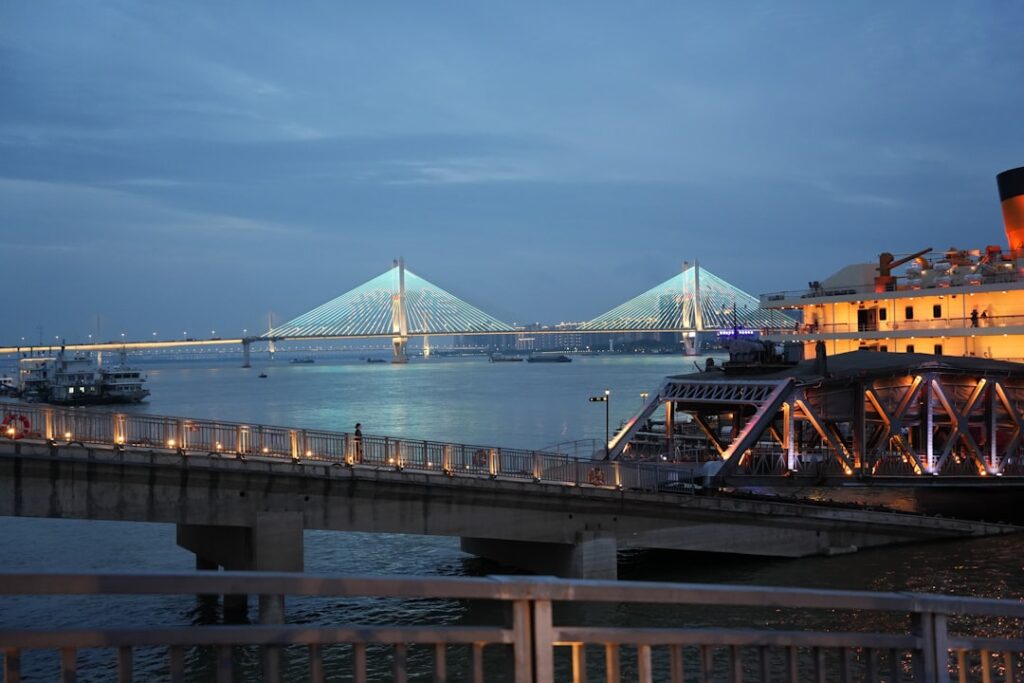
“River Town: Two Years on the Yangtze” is a compelling narrative that chronicles the experiences of Peter Hessler, an American Peace Corps volunteer, as he immerses himself in the culture and daily life of a small town in China. Set against the backdrop of the Yangtze River, one of the longest rivers in the world, the book offers a unique perspective on a nation undergoing rapid transformation. Hessler’s account is not merely a travelogue; it is a deep exploration of the complexities of Chinese society, the nuances of language, and the profound changes brought about by modernization.
The narrative unfolds in Fuling, a town that serves as a microcosm of broader societal shifts, where ancient traditions coexist with the pressures of contemporary life. Hessler’s writing is characterized by its vivid descriptions and keen observations, allowing readers to visualize the landscapes and people he encounters. The river itself becomes a central character in the story, symbolizing both continuity and change.
As Hessler navigates his new environment, he grapples with the challenges of language barriers, cultural misunderstandings, and the intricacies of local customs.
Key Takeaways
- “River Town: Two Years on the Yangtze” is a memoir by Peter Hessler, detailing his experiences as a Peace Corps volunteer in Fuling, a small city along the Yangtze River in China.
- Peter Hessler is an American writer and journalist known for his in-depth exploration of Chinese culture and society through his books and articles.
- The book provides a vivid portrayal of life and culture along the Yangtze River, offering insights into the daily lives, traditions, and customs of the local people.
- Hessler discusses the impact of the Three Gorges Dam on the environment, economy, and social fabric of the communities along the Yangtze River.
- Through personal experiences and observations, Hessler reflects on Chinese history, politics, and the complexities of the country’s rapid modernization.
The Author: Peter Hessler
Peter Hessler is an accomplished writer and journalist whose work has garnered critical acclaim for its insightful portrayal of life in China. Born in 1970 in Columbia, Missouri, Hessler graduated from Princeton University and later joined the Peace Corps, which led him to Fuling. His time in China was transformative, shaping his worldview and influencing his subsequent writing career.
After completing his service, Hessler continued to live and work in China for several years, further deepening his understanding of the country and its people. Hessler’s literary style is marked by a blend of personal narrative and cultural analysis. He possesses an extraordinary ability to weave together anecdotes from his life with broader observations about Chinese society.
This skill is evident in “River Town,” where he captures the essence of Fuling’s residents while also reflecting on their aspirations and struggles. His subsequent works, including “Oracle Bones” and “Country Driving,” further explore themes of change and continuity in China, solidifying his reputation as one of the foremost chroniclers of contemporary Chinese life. Through his writing, Hessler invites readers to engage with the complexities of a nation that is often misunderstood or oversimplified.
Life and Culture Along the Yangtze River

The Yangtze River is not just a geographical feature; it is a lifeline that has shaped the culture and economy of the regions it traverses. In “River Town,” Hessler delves into the daily lives of Fuling’s residents, illustrating how their existence is intricately linked to the river. Fishing, farming, and trade are all influenced by the rhythms of the waterway, which has served as a source of sustenance and livelihood for generations.
The river’s significance extends beyond economic factors; it is also a cultural touchstone that informs local traditions, festivals, and social interactions. Hessler’s observations reveal a rich tapestry of life in Fuling, where ancient customs coexist with modern influences. He describes local festivals that celebrate agricultural cycles, highlighting how these events foster community bonds and reinforce cultural identity.
The author also explores the impact of globalization on traditional practices, noting how younger generations are increasingly drawn to urban centers in search of better opportunities. This tension between tradition and modernity is palpable throughout the narrative, as Hessler captures both the charm of rural life and the challenges posed by rapid change.
The Impact of the Three Gorges Dam
One of the most significant developments during Hessler’s time in Fuling was the construction of the Three Gorges Dam, a monumental engineering project that has had far-reaching implications for both the environment and local communities. The dam was designed to control flooding, generate hydroelectric power, and improve navigation along the Yangtze River. However, its construction also led to widespread displacement and environmental degradation, raising ethical questions about development priorities in China.
Hessler provides a nuanced examination of the dam’s impact on Fuling and its residents. He recounts stories of families forced to relocate due to rising waters, capturing their sense of loss and dislocation. The dam symbolizes not only technological progress but also the sacrifices made by individuals who are often overlooked in grand narratives of national development.
Through interviews with locals affected by the dam’s construction, Hessler highlights their resilience and adaptability in the face of adversity. This exploration serves as a poignant reminder that large-scale projects can have profound human consequences that extend far beyond economic metrics.
Reflections on Chinese History and Politics
“River Town” is not merely an account of daily life; it is also a reflection on China’s historical trajectory and political landscape. Hessler contextualizes his experiences within a broader framework of Chinese history, examining how past events shape contemporary realities. He delves into themes such as nationalism, cultural identity, and the legacy of Mao Zedong’s policies, providing readers with insights into the complexities of Chinese governance and society.
Hessler’s reflections on politics are particularly relevant given China’s rapid rise as a global power. He navigates sensitive topics with care, offering observations that encourage readers to think critically about issues such as censorship, human rights, and social inequality. By engaging with these themes through personal narratives and local perspectives, Hessler fosters a deeper understanding of China’s multifaceted identity.
His ability to balance personal anecdotes with historical analysis enriches the narrative, making it accessible to readers who may not have prior knowledge of Chinese history or politics.
Personal Experiences and Observations

Throughout “River Town,” Hessler shares his personal experiences as he adapts to life in Fuling. His journey is marked by moments of humor, frustration, and profound connection with the local community. From language mishaps to cultural faux pas, Hessler’s candid reflections resonate with anyone who has navigated unfamiliar territory.
His interactions with students, colleagues, and neighbors reveal not only his growing fluency in Mandarin but also his deepening appreciation for Chinese culture. One particularly memorable episode involves Hessler’s attempts to teach English to local students. He encounters both enthusiasm and resistance as he navigates differing educational expectations and cultural attitudes toward learning.
These experiences highlight the challenges faced by educators in cross-cultural contexts while also underscoring the importance of building relationships based on mutual respect and understanding.
Reviews and Reception of River Town
Upon its publication, “River Town” received widespread acclaim for its insightful portrayal of life in contemporary China. Critics praised Hessler’s ability to blend personal narrative with cultural commentary, creating a work that is both engaging and informative. The book was lauded for its rich descriptions and thoughtful reflections on complex issues facing Chinese society.
Reviewers noted that Hessler’s writing transcends mere observation; it invites readers to empathize with individuals whose lives are shaped by larger forces. The reception of “River Town” also reflects a growing interest in literature that explores cross-cultural experiences. As globalization continues to shape our world, readers are increasingly drawn to narratives that offer nuanced perspectives on different cultures.
Hessler’s work stands out in this regard, as it provides an intimate glimpse into a society often portrayed through simplistic stereotypes. The book has been embraced by educators, students, and general readers alike for its ability to foster understanding and dialogue about China’s evolving identity.
Legacy of River Town
The legacy of “River Town” extends beyond its pages; it serves as a vital contribution to our understanding of modern China through personal experience. Peter Hessler’s narrative captures a moment in time when traditional ways of life were being challenged by rapid modernization and globalization. His reflections on culture, history, and politics resonate with readers seeking to comprehend the complexities of contemporary Chinese society.
As we continue to navigate an increasingly interconnected world, “River Town” remains relevant for its exploration of themes such as identity, resilience, and adaptation in the face of change. Hessler’s ability to convey empathy for his subjects while providing critical insights into broader societal issues makes this work an enduring classic in cross-cultural literature. Through his eyes, we gain not only an understanding of Fuling but also a deeper appreciation for the rich tapestry that is China—a nation defined by its history yet constantly evolving toward an uncertain future.
In “River Town: Two Years on the Yangtze,” Peter Hessler provides a vivid account of his experiences living and teaching in a small Chinese town, offering readers a unique perspective on the cultural and social dynamics of China during the late 1990s. For those interested in exploring similar themes of cultural immersion and personal transformation, an article that complements Hessler’s narrative can be found on Hellread. This article delves into the nuances of cross-cultural experiences and the profound impact they have on individuals. You can read more about these themes in the article titled “Hello World” by visiting this link.
FAQs
What is “River Town: Two Years on the Yangtze” by Peter Hessler about?
“River Town: Two Years on the Yangtze” is a non-fiction book written by Peter Hessler, an American writer and journalist. The book chronicles Hessler’s experiences as a Peace Corps volunteer in Fuling, a small city on the Yangtze River in China, from 1996 to 1998.
What are some of the themes explored in “River Town: Two Years on the Yangtze”?
The book explores themes such as cultural exchange, the impact of modernization on traditional Chinese society, the challenges of language barriers, and the personal relationships Hessler forms with the local residents during his time in Fuling.
What is the significance of the Yangtze River in the book?
The Yangtze River serves as a central backdrop in the book, as it is not only a physical presence in the landscape of Fuling, but also a symbol of the changes and challenges facing China during the late 1990s.
How did “River Town: Two Years on the Yangtze” contribute to the understanding of China and its culture?
Hessler’s book provides a nuanced and intimate portrayal of life in a small Chinese city, offering insights into the daily lives, customs, and aspirations of the local residents. It also sheds light on the impact of China’s rapid modernization on traditional ways of life.
What was the critical reception of “River Town: Two Years on the Yangtze”?
The book received widespread critical acclaim for its vivid storytelling, insightful observations, and empathetic portrayal of the people of Fuling. It was praised for its ability to humanize the Chinese experience and provide a deeper understanding of the country and its culture.




