

The Soccer War, also known as the Football War, is a term that refers to the brief but intense conflict between El Salvador and Honduras in 1969. This war, which lasted for approximately four days, was ignited by a series of soccer matches that served as a backdrop to deeper socio-political tensions between the two Central American nations. While the immediate cause of the conflict was a series of qualifying matches for the 1970 FIFA World Cup, the underlying issues were rooted in historical grievances, economic disparities, and social unrest.
The war serves as a poignant example of how sports can transcend mere entertainment and become intertwined with national identity, pride, and even conflict. The term “Soccer War” itself is somewhat misleading, as it implies that the conflict was solely about soccer. In reality, the matches were merely a catalyst that brought to the surface long-standing animosities and issues that had been simmering for years.
The war resulted in significant loss of life and property, and it left a lasting impact on both nations. Understanding the Soccer War requires delving into the historical context that shaped the relationship between El Salvador and Honduras, as well as examining the role that soccer played in exacerbating existing tensions.
Key Takeaways
- “The Soccer War” is a book by Ryszard Kapuściński that explores the impact of the 1969 conflict between Honduras and El Salvador, which was triggered by a soccer match.
- The historical context of The Soccer War is rooted in the longstanding political and social tensions between Honduras and El Salvador, exacerbated by issues such as land reform and immigration.
- Ryszard Kapuściński, a Polish journalist, provides a unique perspective on The Soccer War, drawing on his experiences and observations as a foreign correspondent.
- Soccer played a significant role in the conflict, serving as a catalyst for existing tensions and fueling nationalist sentiments on both sides.
- The Soccer War had a lasting impact on the countries involved, leading to economic and social repercussions, as well as shaping their national identities and international relations.
The Historical Context of The Soccer War
To fully grasp the significance of the Soccer War, one must consider the historical backdrop of El Salvador and Honduras during the mid-20th century. Both countries were grappling with issues such as land reform, economic inequality, and political instability. In El Salvador, a small elite class controlled vast tracts of land, while the majority of the population lived in poverty.
This disparity led to widespread discontent and social unrest, which was often met with violent repression by the government. In contrast, Honduras was experiencing its own struggles, including an influx of Salvadoran migrants seeking better opportunities due to the dire conditions in their home country. The migration of Salvadorans into Honduras created tensions over land and resources.
Many Salvadorans settled in agricultural areas, leading to disputes over land ownership and usage. The Honduran government, feeling threatened by this influx, began to implement policies aimed at repatriating Salvadoran migrants. These policies were met with resistance from both Salvadorans and Hondurans who had developed ties through intermarriage and shared communities.
The situation was further complicated by political factors, including U.S. involvement in Central America during the Cold War, which often exacerbated local conflicts. The soccer matches that preceded the war were not merely sporting events; they were imbued with national pride and identity.
The first match took place in Tegucigalpa, Honduras, on June 8, 1969, and ended in a 1-0 victory for Honduras. This result ignited tensions among Salvadoran fans and players alike. The return match in San Salvador on June 15 saw El Salvador win 3-0, further inflaming nationalistic sentiments.
The final match on June 27 was marred by violence both on and off the field, culminating in riots that reflected the broader societal tensions at play.
Ryszard Kapuściński: The Author and His Perspective
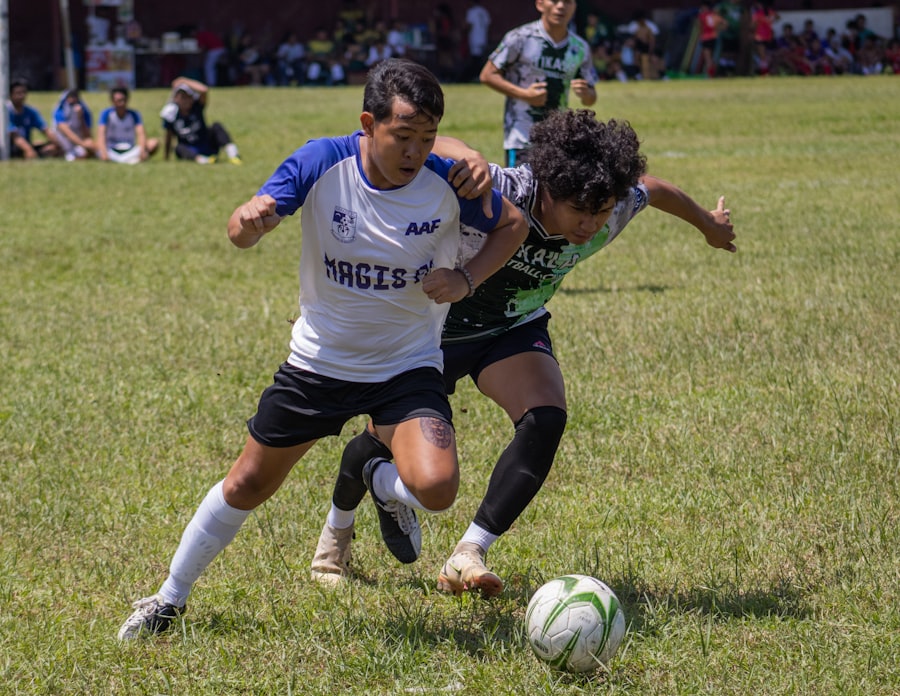
Ryszard Kapuściński was a Polish journalist and author whose work often focused on political upheaval and social change in developing countries. His perspective on the Soccer War is particularly insightful because he approached it not just as a conflict between two nations but as a reflection of broader human experiences and emotions. Kapuściński’s writings are characterized by their depth of understanding and empathy for those caught in the crossfire of political strife.
In his book “The Soccer War,” Kapuściński explores the absurdity of how a sport could escalate into a full-blown conflict. He delves into the lives of ordinary people affected by the war, illustrating how their hopes and dreams were shattered by violence and chaos. His narrative style combines journalistic rigor with literary flair, allowing readers to grasp the emotional weight of the events he describes.
Kapuściński’s perspective emphasizes that while soccer served as a trigger for violence, it was ultimately the socio-political realities that fueled the conflict. Kapuściński’s work also highlights the role of media in shaping public perception during times of crisis. He notes how sensationalist reporting can exacerbate tensions by framing conflicts in simplistic terms.
In the case of the Soccer War, media coverage often focused on the matches themselves rather than addressing the underlying issues that led to violence. This observation serves as a cautionary tale about the responsibilities of journalists in reporting on conflicts and their potential impact on public sentiment.
The Role of Soccer in the Conflict
Soccer played a multifaceted role in the Soccer War, acting as both a unifying force for national identity and a flashpoint for existing tensions. In Central America, soccer is more than just a sport; it is deeply woven into the fabric of national pride and cultural identity. For many fans, victories on the field are seen as reflections of national strength and unity.
In this context, the matches between El Salvador and Honduras became symbolic battlegrounds where national pride was at stake. The matches themselves were charged with emotion, drawing large crowds and intense media attention. Fans from both countries invested their hopes in their teams, viewing victories as affirmations of their national identity.
However, this fervor also had a darker side; it fostered an environment where rivalries could easily escalate into violence. The atmosphere surrounding these matches was often electric, with fans engaging in chants and displays of nationalism that could quickly turn hostile. As tensions mounted during the qualifying rounds for the World Cup, soccer became a vehicle for expressing grievances that extended far beyond the pitch.
The matches served as a stage for showcasing national pride but also highlighted deep-seated animosities rooted in historical injustices. When violence erupted following these games, it became evident that soccer had transformed from a source of entertainment into a catalyst for conflict.
The Impact of The Soccer War on the Countries Involved
The impact of the Soccer War on El Salvador and Honduras was profound and far-reaching. In El Salvador, the conflict exacerbated existing social tensions and contributed to an environment ripe for civil unrest. The war resulted in significant casualties—estimates suggest that around 2,000 people lost their lives during this brief conflict—and left many more injured or displaced.
The Salvadoran government used the war as an opportunity to crack down on dissent, leading to increased repression against leftist movements and political opposition. In Honduras, while the immediate impact was less severe in terms of casualties, the war nonetheless had lasting effects on national identity and politics. The conflict heightened anti-Salvadoran sentiment among some segments of Honduran society, leading to increased discrimination against Salvadoran migrants who had settled in Honduras over previous decades.
This animosity would continue to shape relations between the two countries long after hostilities ceased. The aftermath of the Soccer War also had implications for regional politics in Central America. The conflict drew international attention to issues such as migration, land reform, and economic inequality—factors that would continue to fuel tensions in subsequent decades.
As both countries grappled with their respective challenges, they found themselves caught in a cycle of violence and instability that would culminate in further conflicts throughout the 1970s and 1980s.
The Legacy of The Soccer War
The legacy of the Soccer War is complex and multifaceted. On one hand, it serves as a cautionary tale about how sports can become entangled with nationalism and conflict. The events surrounding this brief war illustrate how deeply held emotions tied to national identity can lead to violence when exacerbated by existing social grievances.
This legacy continues to resonate today as sports remain a powerful medium through which national pride is expressed. Moreover, the Soccer War has left an indelible mark on both El Salvador and Honduras’ political landscapes. In El Salvador, the war contributed to an escalation of civil strife that would culminate in a brutal civil war lasting from 1980 to 1992.
The societal divisions exacerbated by this conflict have persisted over time, influencing contemporary politics and social dynamics within the country.
The legacy of distrust between Salvadorans and Hondurans has continued to affect bilateral relations over subsequent decades, complicating efforts toward regional cooperation.
Criticisms and Controversies Surrounding The Soccer War
The Soccer War has not been without its share of criticisms and controversies. One major point of contention is whether it is appropriate to frame such a serious conflict through the lens of sport. Critics argue that labeling it as “The Soccer War” trivializes the human suffering experienced during this period by reducing complex socio-political issues to mere sporting rivalries.
Additionally, there are debates surrounding media portrayals of the conflict at the time. Some scholars contend that sensationalist reporting contributed to heightened tensions by framing events in overly simplistic terms that failed to capture the nuances of underlying issues. This raises important questions about journalistic responsibility during times of crisis—how can media outlets report on conflicts without exacerbating existing divisions?
Furthermore, there are discussions about how historical narratives surrounding the Soccer War have been constructed over time. Different perspectives exist regarding who bears responsibility for escalating tensions—whether it be government actions or societal attitudes—and these narratives can shape public perception long after events have transpired.
The Relevance of The Soccer War in Today’s World
The relevance of the Soccer War extends beyond its historical context; it serves as a reminder of how sports can intersect with broader societal issues such as nationalism, identity politics, and conflict resolution. In an increasingly globalized world where sports continue to play significant roles in shaping national identities, understanding these intersections becomes crucial. Contemporary examples abound where sporting events have been used as platforms for expressing national pride or even dissent against oppressive regimes.
Events like international soccer tournaments often evoke strong emotions tied to national identity—similar to what was witnessed during the Soccer War—demonstrating that while time may pass, certain dynamics remain constant. Moreover, discussions surrounding migration continue to resonate today as millions seek better opportunities across borders—much like those who fled El Salvador during its civil strife or sought refuge from violence in Honduras post-war. As nations grapple with issues related to immigration policy amid rising xenophobia globally, lessons learned from historical events like the Soccer War can inform current debates about identity politics and social cohesion.
In conclusion, while nearly five decades have passed since its occurrence, understanding both its historical context and contemporary implications remains essential for comprehending how sports can influence societal dynamics across borders today.
Ryszard Kapuściński’s “The Soccer War” is a compelling exploration of the complex socio-political landscapes that can ignite conflict, using the 1969 war between El Salvador and Honduras as a backdrop. For readers interested in further exploring themes of conflict and the intricate dynamics that lead to war, an insightful related article can be found on Hellread. This article delves into the broader implications of sports and politics intertwining, offering a modern perspective on how these elements continue to shape global relations. You can read more about it by visiting this article.
FAQs
What is “The Soccer War” by Ryszard Kapuściński about?
“The Soccer War” is a book by Ryszard Kapuściński that recounts the author’s experiences as a war correspondent during the 1960s and 1970s, particularly focusing on the political and social upheavals in Africa and Latin America. The title refers to the 1969 conflict between Honduras and El Salvador, which was sparked by a soccer match and became known as the “Soccer War.”
Who is Ryszard Kapuściński?
Ryszard Kapuściński was a Polish journalist, photographer, and author known for his extensive reporting on Africa, Latin America, and the Middle East. He is considered one of the greatest journalists of the 20th century and is renowned for his unique literary style and insightful analysis of global events.
What is the significance of the “Soccer War” in the book?
The “Soccer War” serves as a focal point in the book, symbolizing the complex interplay between sports, nationalism, and political tensions. Kapuściński uses the conflict as a lens through which to explore broader themes of identity, power, and the human experience in the midst of war and upheaval.
Is “The Soccer War” a work of fiction or non-fiction?
“The Soccer War” is a work of non-fiction, based on Kapuściński’s personal experiences and observations as a journalist. While the book contains elements of storytelling and literary embellishment, it is firmly rooted in real events and historical context.




