

Conversational design is an emerging field that focuses on creating effective and engaging interactions between humans and machines, particularly through the use of chatbots and voice assistants. As technology continues to evolve, the way users communicate with devices has shifted from traditional graphical interfaces to more intuitive conversational interfaces. This transition has been driven by advancements in natural language processing (NLP), machine learning, and artificial intelligence (AI), which have enabled machines to understand and respond to human language in a more natural manner.
The goal of conversational design is to create seamless interactions that feel organic and human-like, allowing users to engage with technology in a way that feels familiar and comfortable. At its core, conversational design is about understanding the nuances of human communication. This includes not only the words that are spoken or typed but also the context, tone, and intent behind those words.
Designers must consider various factors such as user demographics, cultural differences, and the specific use cases for which the conversational interface is being developed. By focusing on these elements, designers can create experiences that resonate with users, ultimately leading to higher satisfaction and engagement rates. As businesses increasingly adopt conversational interfaces for customer service, marketing, and other applications, the importance of effective conversational design cannot be overstated.
Key Takeaways
- Conversational design focuses on creating natural and engaging interactions between users and bots.
- Understanding user needs and expectations is crucial for designing effective conversational experiences.
- Choosing the right platform for bot development is essential for creating a seamless and user-friendly experience.
- Designing natural and engaging conversations involves using language that is familiar and relatable to users.
- Implementing personalization and contextual understanding enhances the user experience and makes conversations more effective.
Understanding User Needs and Expectations
To create a successful conversational interface, it is essential to first understand the needs and expectations of the target audience. This involves conducting thorough research to identify user pain points, preferences, and behaviors.
For instance, if a company is developing a customer support chatbot, understanding common customer inquiries and frustrations can help shape the bot’s responses and capabilities. By aligning the bot’s functionality with user expectations, designers can create a more satisfying experience. Moreover, user personas play a crucial role in this process.
By developing detailed profiles of potential users, designers can better empathize with their needs and tailor the conversational experience accordingly. For example, a financial services chatbot may need to cater to both tech-savvy millennials who prefer quick responses and older clients who may require more detailed explanations. By segmenting users into different personas, designers can create targeted conversations that address specific needs while ensuring that the overall experience remains cohesive.
Choosing the Right Platform for Bot Development
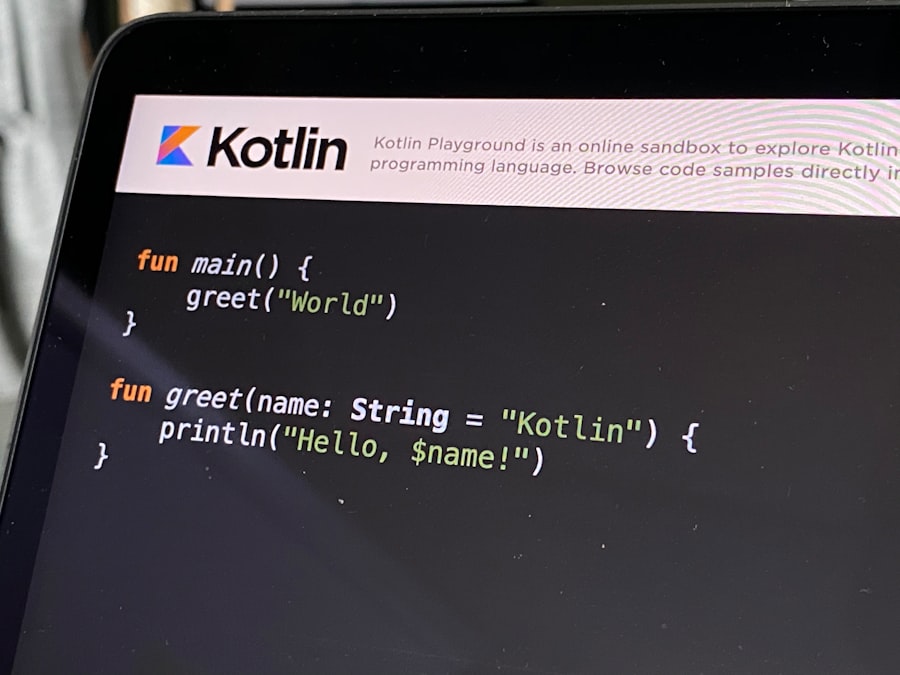
Selecting the appropriate platform for bot development is a critical decision that can significantly impact the success of a conversational interface. Various platforms offer different features, capabilities, and integrations that can influence how well a bot performs. Popular platforms such as Dialogflow, Microsoft Bot Framework, and Amazon Lex provide robust tools for building conversational agents, each with its own strengths and weaknesses.
For instance, Dialogflow excels in natural language understanding and offers easy integration with Google services, making it an excellent choice for businesses already invested in the Google ecosystem. In addition to evaluating technical capabilities, designers must also consider the target audience’s preferred communication channels. Some users may prefer interacting with chatbots via messaging apps like Facebook Messenger or WhatsApp, while others may opt for voice assistants like Amazon Alexa or Google Assistant.
Understanding where users are most likely to engage with the bot can guide platform selection and ensure that the conversational experience is accessible and convenient. Furthermore, scalability is an important factor; as user demand grows, the chosen platform should be able to accommodate increased traffic without compromising performance.
Designing Natural and Engaging Conversations
Creating natural and engaging conversations is at the heart of effective conversational design. This involves crafting dialogue that feels fluid and intuitive while also being informative and helpful. One key aspect of this process is using natural language that mirrors how people actually speak.
This means avoiding overly technical jargon or robotic responses that can alienate users. Instead, designers should aim for a friendly tone that encourages interaction and fosters a sense of connection between the user and the bot. In addition to language choice, conversation flow is crucial for maintaining user engagement.
Designers should map out potential conversation paths, anticipating user questions and responses to create a dynamic dialogue. Incorporating elements such as humor or empathy can enhance the user experience by making interactions feel more human-like. For example, if a user expresses frustration about a delayed order, a well-designed bot might respond with understanding and offer reassurance rather than simply providing transactional information.
By prioritizing emotional intelligence in conversations, designers can create memorable experiences that resonate with users on a deeper level.
Implementing Personalization and Contextual Understanding
Personalization is a powerful tool in conversational design that can significantly enhance user engagement. By leveraging data such as user preferences, past interactions, and contextual information, designers can create tailored experiences that feel relevant and meaningful. For instance, a travel booking chatbot could remember a user’s previous destinations or preferred travel dates to suggest personalized vacation options.
This level of customization not only improves user satisfaction but also fosters loyalty by making users feel valued. Contextual understanding is equally important in ensuring that conversations remain relevant throughout the interaction. A well-designed bot should be able to recognize context cues such as location, time of day, or previous messages to provide timely and appropriate responses.
For example, if a user asks about restaurant recommendations while they are in a specific city, the bot should prioritize options within that location rather than offering generic suggestions. By integrating contextual awareness into the design process, developers can create more intelligent bots that adapt to user needs in real-time.
Testing and Iterating Conversational Experiences

Testing is an essential component of the conversational design process that helps identify areas for improvement and ensures that the bot meets user expectations. Various testing methods can be employed, including A/B testing, usability testing, and beta testing with real users. A/B testing allows designers to compare different versions of conversation flows or responses to determine which performs better in terms of user engagement or satisfaction metrics.
Usability testing provides insights into how users interact with the bot in real-world scenarios, highlighting any pain points or confusion that may arise during conversations. Iteration is key to refining conversational experiences based on testing feedback. Designers should be prepared to make adjustments to dialogue flows, response styles, or even underlying algorithms based on user interactions.
Continuous monitoring of user behavior post-launch can also provide valuable data for ongoing improvements. For instance, if analytics reveal that users frequently abandon conversations at a certain point, designers can investigate why this occurs and make necessary changes to enhance engagement at that stage.
Ensuring Ethical and Responsible Bot Design
As conversational interfaces become more prevalent in society, ethical considerations surrounding their design are increasingly important. Designers must be mindful of issues such as data privacy, transparency, and bias in AI algorithms. Users should be informed about how their data will be used and have control over their information.
For example, if a chatbot collects personal data for personalization purposes, it should clearly communicate this to users and provide options for opting out. Additionally, addressing bias in AI systems is crucial for ensuring fair treatment of all users. Designers should actively work to identify and mitigate biases in training data that could lead to discriminatory outcomes in bot interactions.
This involves regularly auditing algorithms for fairness and inclusivity while also seeking diverse perspectives during the design process. By prioritizing ethical considerations in conversational design, developers can build trust with users and contribute positively to the broader discourse surrounding AI technology.
The Future of Conversational Design
The future of conversational design holds immense potential as technology continues to advance at an unprecedented pace. As natural language processing capabilities improve and AI becomes more sophisticated, we can expect conversational interfaces to become even more intuitive and responsive to user needs. The integration of voice recognition technology will likely lead to more seamless interactions across various devices, allowing users to engage with bots in ways that feel increasingly natural.
The rise of multimodal interfaces—combining text, voice, and visual elements—will further enrich conversational experiences by providing users with diverse ways to interact with technology. Ultimately, as we move forward into this new era of communication between humans and machines, effective conversational design will play a pivotal role in shaping how we connect with technology in our daily lives.
In the realm of conversational design, Amir Shevat’s book “Designing Bots: Creating Conversational Experiences” serves as a foundational guide for those looking to delve into the intricacies of crafting engaging and effective chatbots. For readers interested in exploring further into the world of conversational interfaces and their impact on user interaction, an insightful article can be found on Hellread. This article, titled “Hello World,” delves into the evolution of conversational AI and its future prospects. You can read more about it by visiting this link.
FAQs
What is conversational design?
Conversational design is the process of creating a natural and engaging conversation between a user and a bot or virtual assistant. It involves designing the flow of the conversation, the language used, and the overall user experience.
What are the key principles of conversational design?
Key principles of conversational design include empathy, clarity, personality, and context. Empathy involves understanding the user’s needs and emotions, while clarity ensures that the conversation is easy to understand. Personality adds a human touch to the conversation, and context allows the bot to remember previous interactions and provide relevant responses.
What are some best practices for designing conversational experiences?
Best practices for designing conversational experiences include understanding the user’s needs, designing a clear and intuitive conversation flow, using a consistent and appropriate tone of voice, and providing helpful and relevant responses. It’s also important to test and iterate on the design based on user feedback.
What are some common challenges in designing conversational experiences?
Common challenges in designing conversational experiences include understanding user intent, handling natural language processing limitations, maintaining context over multiple interactions, and designing for diverse user needs and preferences. It’s also important to consider ethical and privacy concerns in the design process.
What are some tools and platforms for designing conversational experiences?
There are several tools and platforms available for designing conversational experiences, including chatbot development frameworks like Dialogflow, Microsoft Bot Framework, and IBM Watson Assistant. These platforms provide tools for designing conversation flows, natural language processing, and integration with various messaging channels.




