

Amanda Palmer is a multifaceted artist known for her work as a musician, writer, and performer. She gained significant attention with her TED Talk, “The Art of Asking,” where she shared her experiences of asking for help and the profound connections that can arise from vulnerability. Palmer’s approach challenges conventional notions of independence and self-sufficiency, emphasizing that asking for support can be a powerful act of courage. Her journey illustrates how asking can foster community, deepen relationships, and ultimately lead to personal growth.
In her talk and subsequent book, Palmer explores the dynamics of asking in various contexts—whether it’s seeking financial support from fans or simply asking for emotional assistance from friends. She argues that asking is not a sign of weakness but rather an essential part of human interaction. By embracing this art, we can create a more connected and supportive world.
Key Takeaways
- Amanda Palmer is a musician and artist known for her unconventional approach to asking for support from her fans.
- Vulnerability is a key component of asking, as it allows for genuine connections and fosters a sense of community.
- Asking can be a powerful tool for building a supportive and engaged community around a shared cause or interest.
- Overcoming the fear of rejection is essential in asking, as it opens the door to new opportunities and connections.
- The power of connection in asking lies in the ability to create meaningful and mutually beneficial relationships.
The Importance of Vulnerability in Asking
Vulnerability is often seen as a weakness, but in the context of asking, it becomes a strength. When we allow ourselves to be vulnerable, we open the door to authentic connections with others. Palmer emphasizes that showing our true selves—complete with our needs and desires—can lead to deeper relationships. This willingness to be open about our struggles invites others to share their own experiences, creating a sense of solidarity.
Moreover, vulnerability in asking can dismantle the barriers that often keep us isolated. When we express our needs, we not only acknowledge our humanity but also give others permission to do the same. This mutual exchange fosters empathy and understanding, allowing us to build a community where everyone feels valued and supported. In this way, vulnerability becomes a bridge rather than a barrier.
Building a Community Through Asking
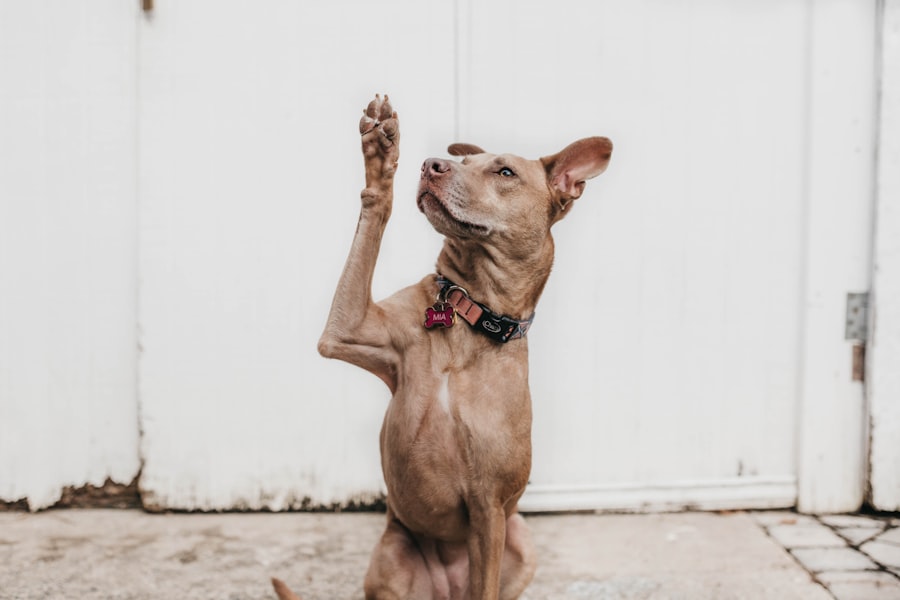
Asking is inherently relational; it’s about reaching out to others and inviting them into our lives. Palmer’s experiences illustrate how asking can cultivate a sense of community. When we ask for help or support, we create opportunities for others to engage with us meaningfully. This interaction can lead to shared experiences, collaborations, and friendships that enrich our lives.
In her own career, Palmer has built a loyal fan base by inviting her supporters into her creative process. She often shares her struggles and triumphs openly, encouraging her fans to contribute in various ways—whether through financial support on platforms like Patreon or simply by sharing their stories. This reciprocal relationship not only strengthens her community but also empowers her fans to feel like active participants in her journey.
Overcoming the Fear of Rejection in Asking
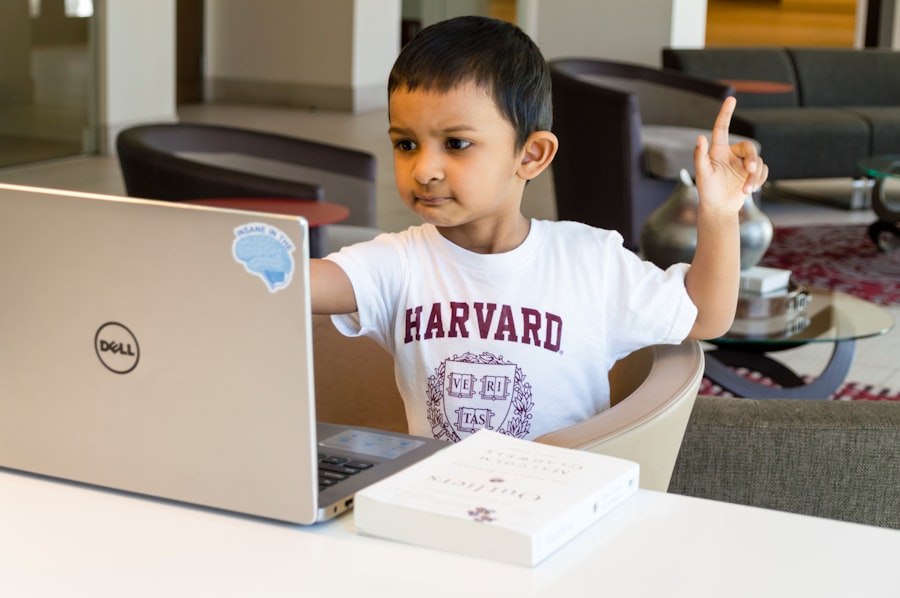
One of the biggest hurdles in the art of asking is the fear of rejection. Many people hesitate to ask for help because they worry about being turned down or judged. Palmer acknowledges this fear but encourages us to reframe it.
Instead of viewing rejection as a personal failure, we can see it as a natural part of the process.
Not every request will be met with enthusiasm, and that’s okay.
Understanding that rejection is not a reflection of our worth can help us approach asking with more confidence.
Each time we ask, we gain valuable experience and insight into what works and what doesn’t.
Over time, this practice can desensitize us to the fear of rejection, allowing us to approach future requests with greater ease. Ultimately, embracing the possibility of rejection can lead to more authentic interactions and a stronger sense of resilience.
The Power of Connection in Asking
At its core, asking is about connection. When we reach out for help or support, we invite others into our lives in a meaningful way. Palmer’s experiences highlight how these connections can lead to unexpected opportunities and collaborations. By being open about our needs, we create space for others to step in and offer their unique perspectives and skills.
This power of connection extends beyond individual relationships; it can also foster a sense of belonging within larger communities. When people come together to support one another through asking, they create networks of care and solidarity. These connections can be transformative, leading to collective action and shared goals that benefit everyone involved.
The Role of Trust in Asking
Trust plays a crucial role in the art of asking. When we ask for help, we are essentially placing our faith in others—believing that they will respond with kindness and support. Palmer emphasizes that building trust takes time and requires vulnerability on both sides. It’s about creating an environment where people feel safe to express their needs without fear of judgment.
To cultivate trust, it’s important to be transparent about our intentions when asking. Clear communication helps others understand why we’re reaching out and what we hope to achieve. Additionally, showing appreciation for those who respond positively reinforces trust and encourages future interactions. By nurturing this trust, we create a foundation for ongoing support and collaboration.
The Ethics of Asking
The ethics surrounding asking are complex and nuanced. Palmer encourages us to consider the implications of our requests—who we are asking, why we are asking them, and how our requests may impact others. It’s essential to approach asking with sensitivity and awareness, recognizing that not everyone may be in a position to help.
Moreover, ethical asking involves being mindful of power dynamics within relationships. For instance, when reaching out to someone in a position of authority or influence, it’s important to consider how our request may affect them. Striking a balance between asserting our needs and respecting others’ boundaries is key to ethical engagement in the art of asking.
The Art of Gratitude in Asking
Gratitude is an integral part of the asking process. When someone responds positively to our request, expressing genuine appreciation can strengthen the bond between us. Palmer highlights that gratitude not only acknowledges the support received but also reinforces the idea that asking is a collaborative effort rather than a one-sided transaction.
Incorporating gratitude into our interactions can create a positive feedback loop—encouraging others to continue offering their help in the future. Simple gestures like thank-you notes or public acknowledgments can go a long way in fostering goodwill and reinforcing community ties.
The tension between asking for help and maintaining independence is a common struggle for many people. Society often glorifies self-sufficiency, leading individuals to feel guilty or ashamed when they need assistance. Palmer challenges this notion by arguing that true independence doesn’t mean going it alone; rather, it involves recognizing when collaboration is necessary.
Asking for help can actually enhance our independence by allowing us to tap into the strengths and resources of others. It’s about understanding that we don’t have to shoulder every burden alone; instead, we can lean on our communities for support while still pursuing our individual goals.
The Art of Giving in Response to Asking
When we receive help from others, it’s important to recognize the reciprocal nature of asking. Palmer emphasizes that giving back is an essential part of the process—whether through offering support in return or contributing to the community in other ways. This cycle of giving and receiving creates a dynamic where everyone feels valued and empowered.
Engaging in acts of giving not only strengthens relationships but also reinforces the idea that asking is not just about taking; it’s about building connections that benefit everyone involved. By actively participating in this cycle, we contribute to a culture where asking is normalized and celebrated.
Embracing the Art of Asking
Embracing the art of asking requires courage, vulnerability, and an open heart. Amanda Palmer’s insights remind us that asking is not just about seeking help; it’s about fostering connections, building communities, and creating spaces where everyone feels supported. By overcoming our fears and embracing vulnerability, we can transform our relationships and enrich our lives.
Ultimately, the art of asking invites us to engage with one another authentically—recognizing that we are all interconnected in this journey called life. As we learn to ask with intention and gratitude, we pave the way for deeper connections and a more compassionate world where everyone feels empowered to reach out for support when needed.




