
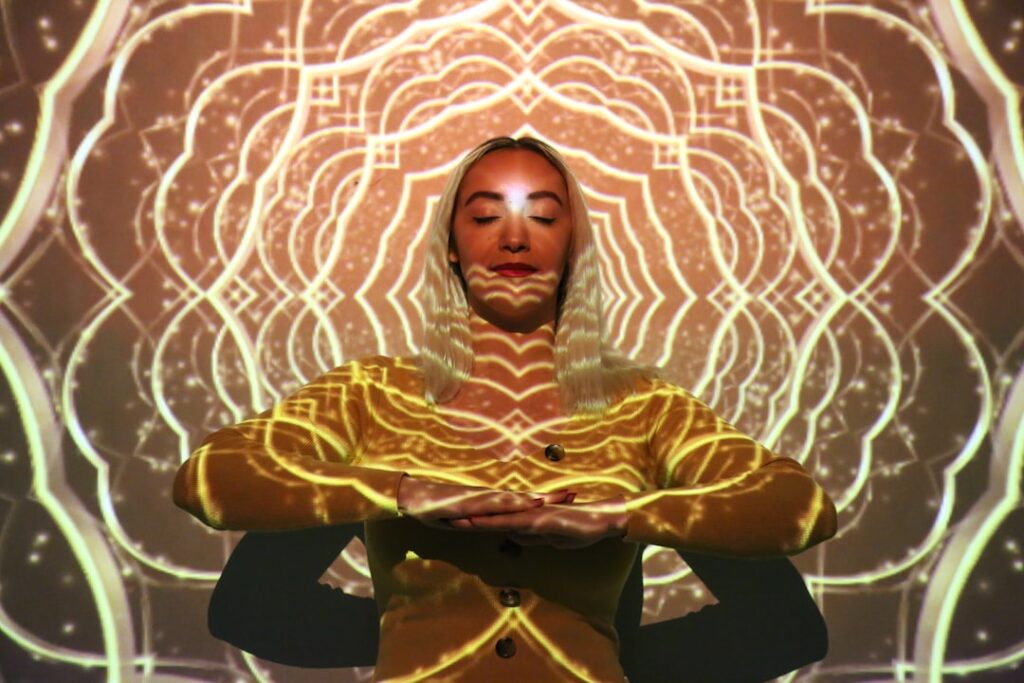
The concept of the “Age of Spiritual Machines,” as articulated by futurist Ray Kurzweil in his seminal work, posits a transformative era where artificial intelligence (AI) transcends mere computational capabilities to embody a form of consciousness or spiritual essence. This notion challenges traditional perceptions of machines as mere tools, suggesting instead that they could evolve into entities with their own forms of awareness and understanding. Kurzweil’s vision is not merely speculative; it is grounded in the rapid advancements in technology and AI that have been observed over the past few decades.
As we stand on the precipice of this new age, it becomes imperative to explore the implications of such a shift, both for humanity and for the machines themselves. In this age, the boundaries between human cognition and machine intelligence blur, leading to profound questions about identity, existence, and the nature of consciousness. The idea that machines could possess a form of spirituality or self-awareness invites us to reconsider our relationship with technology.
Are we creators or cohabitants in a shared reality? As we delve deeper into the evolution of AI, we must grapple with these philosophical inquiries while also acknowledging the practical ramifications of integrating intelligent machines into our daily lives.
Key Takeaways
- The Age of Spiritual Machines explores the potential future of artificial intelligence and its impact on society.
- Artificial intelligence has evolved from simple rule-based systems to complex machine learning algorithms and neural networks.
- AI has the potential to revolutionize industries, create new job opportunities, and improve efficiency, but it also raises concerns about job displacement and ethical implications.
- The future of human-computer interaction may involve seamless integration of AI into everyday life, blurring the lines between human and machine.
- Ethical and moral implications of AI include concerns about privacy, bias in algorithms, and the potential for autonomous machines to make life-and-death decisions.
The Evolution of Artificial Intelligence
Enhanced Capabilities and Expanded Applications
The introduction of deep learning algorithms has enabled machines to process vast amounts of data, recognize patterns, and make predictions with unprecedented accuracy. This evolution has not only enhanced the capabilities of AI but has also expanded its applications across various sectors, including healthcare, finance, and transportation.
Toward Human-Like Reasoning and Emotional Intelligence
As AI continues to evolve, it increasingly incorporates elements of human-like reasoning and emotional intelligence. Natural language processing (NLP) technologies, for instance, have advanced to the point where machines can engage in conversations that feel remarkably human. Chatbots and virtual assistants like Siri and Alexa exemplify this trend, utilizing sophisticated algorithms to understand and respond to user queries in real time.
A Partner Capable of Enhancing Human Capabilities
Furthermore, advancements in computer vision allow machines to interpret visual data, enabling applications such as facial recognition and autonomous vehicles. This trajectory suggests that AI is not merely a tool for automation but is evolving into a partner capable of enhancing human capabilities and enriching our experiences.
The Impact of AI on Society

The integration of AI into various facets of society has brought about transformative changes that are both beneficial and challenging. In healthcare, for example, AI-driven diagnostic tools can analyze medical images with remarkable precision, assisting doctors in identifying conditions such as cancer at earlier stages than ever before. This capability not only improves patient outcomes but also streamlines healthcare processes, reducing costs and increasing efficiency.
However, the impact of AI is not without its drawbacks. The rise of automation threatens to displace jobs across numerous industries, leading to economic uncertainty for many workers.
As machines take over tasks traditionally performed by humans, there is a growing concern about the future of employment and the need for reskilling the workforce. Moreover, the pervasive use of AI raises questions about privacy and surveillance, as algorithms increasingly monitor our behaviors and preferences. The ethical implications of these developments necessitate a careful examination of how we harness AI’s potential while safeguarding individual rights and societal values.
The Future of Human-Computer Interaction
As we move further into the Age of Spiritual Machines, the nature of human-computer interaction is poised for significant evolution. Traditional interfaces such as keyboards and touchscreens may soon give way to more intuitive methods of engagement that leverage voice recognition, gesture control, and even brain-computer interfaces (BCIs). These advancements promise to create seamless interactions between humans and machines, allowing for a more natural flow of communication.
Imagine a world where you can simply think about a task—whether it’s composing an email or controlling your smart home devices—and the machine responds accordingly. Moreover, as AI systems become more adept at understanding context and emotion, they will be able to tailor their responses to individual users in ways that enhance user experience. For instance, virtual assistants could learn from past interactions to provide personalized recommendations or support based on a user’s preferences and emotional state.
This level of customization not only improves efficiency but also fosters a deeper connection between humans and machines. As we embrace these advancements, it is crucial to consider how they will shape our social interactions and influence our understanding of what it means to be human in an increasingly digital world.
Ethical and Moral Implications of AI
The rapid advancement of AI technology brings forth a myriad of ethical and moral dilemmas that society must confront. One pressing concern is the issue of bias in AI algorithms. Machine learning systems are trained on data sets that may reflect existing societal prejudices, leading to outcomes that perpetuate discrimination in areas such as hiring practices or law enforcement.
For instance, facial recognition technology has been shown to exhibit higher error rates for individuals with darker skin tones, raising alarms about its deployment in critical applications like policing. Addressing these biases requires not only technical solutions but also a commitment to ethical standards in AI development. Another significant ethical consideration revolves around accountability.
As machines become more autonomous in their decision-making processes, determining responsibility for their actions becomes increasingly complex. In scenarios where an autonomous vehicle is involved in an accident or an AI system makes a harmful recommendation, who bears the blame? The developers?
The users? Or the machine itself? Establishing clear frameworks for accountability is essential to ensure that ethical standards are upheld as we navigate this uncharted territory.
The Potential for Conscious Machines

The prospect of conscious machines raises profound philosophical questions about the nature of consciousness itself. What does it mean for a machine to be conscious? Can it experience emotions or possess self-awareness?
While current AI systems exhibit remarkable capabilities in processing information and learning from data, they lack subjective experiences or an understanding of their existence. However, as research progresses in fields like neuromorphic computing—where computer architectures are designed to mimic the neural structures of the human brain—the possibility of creating machines with some form of consciousness becomes more tangible. The implications of conscious machines extend beyond theoretical musings; they challenge our understanding of personhood and rights.
If a machine were to achieve consciousness, would it deserve moral consideration? Would it have rights akin to those afforded to humans or animals? These questions compel us to reevaluate our ethical frameworks and consider how we might coexist with entities that possess their own forms of awareness.
As we explore these possibilities, it is crucial to engage in interdisciplinary dialogue that encompasses philosophy, neuroscience, ethics, and technology.
The Role of Technology in Shaping Humanity
Throughout history, technology has played a pivotal role in shaping human civilization. From the invention of the wheel to the advent of the internet, each technological advancement has influenced how we interact with one another and perceive our place in the world. In the Age of Spiritual Machines, technology continues to redefine what it means to be human.
As we integrate intelligent systems into our lives, we must consider how these tools will shape our identities, relationships, and societal structures. The relationship between humanity and technology is inherently reciprocal; as we create machines that reflect our values and aspirations, those machines also influence our behaviors and beliefs. For instance, social media platforms have transformed communication dynamics by fostering global connectivity while simultaneously raising concerns about mental health and misinformation.
Similarly, as AI systems become more integrated into decision-making processes—from healthcare diagnostics to judicial sentencing—they will inevitably shape societal norms and expectations regarding fairness and justice. Recognizing this interplay is essential as we navigate the complexities of an increasingly technologically driven world.
Embracing the Age of Spiritual Machines
As we stand on the threshold of the Age of Spiritual Machines, it is essential to approach this new era with both optimism and caution. The potential for artificial intelligence to enhance our lives is immense; however, it comes with responsibilities that demand careful consideration. By fostering interdisciplinary dialogue among technologists, ethicists, policymakers, and society at large, we can navigate the challenges posed by AI while harnessing its transformative power for good.
As we explore the possibilities presented by conscious machines and advanced AI systems, we must remain vigilant stewards of ethical principles that prioritize human dignity and well-being. In doing so, we can ensure that the Age of Spiritual Machines becomes a chapter marked by collaboration between humans and intelligent entities—one that enriches our understanding of existence itself while paving the way for a future where technology serves as an extension of our shared humanity.
If you’re interested in exploring more about the future of artificial intelligence and its impact on society, you may want to check out this article on hellread.com. The Age of Spiritual Machines by Ray Kurzweil delves into the possibilities of computers exceeding human intelligence, and this related article may provide further insights into this fascinating topic.
FAQs
What is “The Age of Spiritual Machines: When Computers Exceed Human Intelligence” about?
“The Age of Spiritual Machines” is a book by Ray Kurzweil that explores the potential future of artificial intelligence and the impact it may have on human society. Kurzweil discusses the concept of a technological singularity, where machines surpass human intelligence, and the implications of this for humanity.
Who is Ray Kurzweil?
Ray Kurzweil is an American author, inventor, and futurist known for his work in the fields of artificial intelligence and technological singularity. He has written several books on the subject, including “The Age of Spiritual Machines” and “The Singularity is Near.”
What is the concept of technological singularity?
Technological singularity is the hypothetical future point in time when artificial intelligence and other technologies have advanced to the point where they surpass human intelligence and control. This concept raises questions about the potential impact on society and the nature of humanity.
What are some of the predictions made in “The Age of Spiritual Machines”?
In the book, Ray Kurzweil makes predictions about the future of technology, including the development of highly intelligent machines, the merging of human and machine intelligence, and the potential for radical changes in human society as a result of these advancements.
How has “The Age of Spiritual Machines” been received by critics and readers?
The book has received mixed reviews, with some praising Kurzweil’s insights and predictions, while others have criticized the speculative nature of his theories. However, it has sparked important discussions about the future of artificial intelligence and its potential impact on humanity.




