

When we delve into the economics of crime, we find ourselves at the intersection of sociology, psychology, and economic theory. This multifaceted field examines how crime affects economic systems and how economic conditions can influence criminal behavior.
By understanding the economic implications of crime, we can better appreciate the broader societal impacts and the motivations behind criminal activities.
As we explore this topic, we will uncover the intricate relationships between crime rates, economic incentives, and the effectiveness of law enforcement.
The study of crime through an economic lens allows us to analyze not just the actions of criminals but also the responses of society. We can consider how individuals weigh the costs and benefits of engaging in criminal activities. This perspective helps us understand why certain crimes are more prevalent in specific areas or among particular demographics. By examining these dynamics, we can gain insights into potential policy interventions that could mitigate crime and its associated costs.
In exploring the intricate relationship between economic factors and criminal behavior, one might find it insightful to read a related article that delves deeper into this subject. The article, which examines the implications of economic policies on crime rates, complements Isaac Ehrlich’s seminal work, “The Economics of Crime.” For further reading, you can access the article here: Related Article on Economic Policies and Crime.
Key Takeaways
- The economics of crime examines the costs and benefits of criminal behavior from a financial perspective.
- Crime imposes significant costs on society, including direct expenses for law enforcement and criminal justice, as well as indirect costs such as lost productivity and decreased quality of life.
- Criminals benefit from their actions through financial gain, power, and other incentives, which can outweigh the potential costs of punishment.
- Punishment can act as a deterrent to crime, but its effectiveness depends on factors such as the severity and certainty of punishment.
- Economic factors such as poverty, unemployment, and inequality can influence criminal behavior, highlighting the need for targeted interventions and crime prevention strategies.
The Costs of Crime to Society
The costs of crime extend far beyond the immediate financial losses incurred by victims. They encompass a wide range of social, psychological, and economic repercussions that ripple through communities. For instance, property crimes can lead to increased insurance premiums, which ultimately affect all consumers. Additionally, violent crimes can instill fear within communities, leading to a decline in social cohesion and a reduction in community engagement. This erosion of trust can have long-lasting effects on neighborhood dynamics and overall quality of life.
Moreover, the costs associated with crime also manifest in the form of increased law enforcement expenditures and judicial processing. Governments allocate substantial resources to policing, court systems, and correctional facilities in an effort to combat crime. These expenditures often divert funds from essential public services such as education and healthcare, creating a cycle where communities suffer from both crime and underinvestment in critical infrastructure. As we analyze these costs, it becomes evident that crime is not merely a personal issue but a societal one that demands collective attention and action.
The Benefits of Crime to Criminals

While crime imposes significant costs on society, it can also yield benefits for those who engage in it. For many criminals, the allure of quick financial gain can outweigh the potential risks involved. The prospect of stealing valuable goods or engaging in illicit activities can seem more appealing than pursuing traditional employment, especially in economically disadvantaged areas where opportunities are scarce. This creates a paradox where crime becomes a rational choice for individuals facing limited options.
Additionally, some criminals may derive psychological benefits from their actions. The thrill of committing a crime or the sense of power it provides can be intoxicating for certain individuals. This psychological aspect complicates our understanding of criminal behavior, as it suggests that motivations extend beyond mere financial gain. By recognizing these benefits, we can better comprehend why some individuals persist in criminal activities despite the risks involved.
The Deterrent Effect of Punishment on Crime
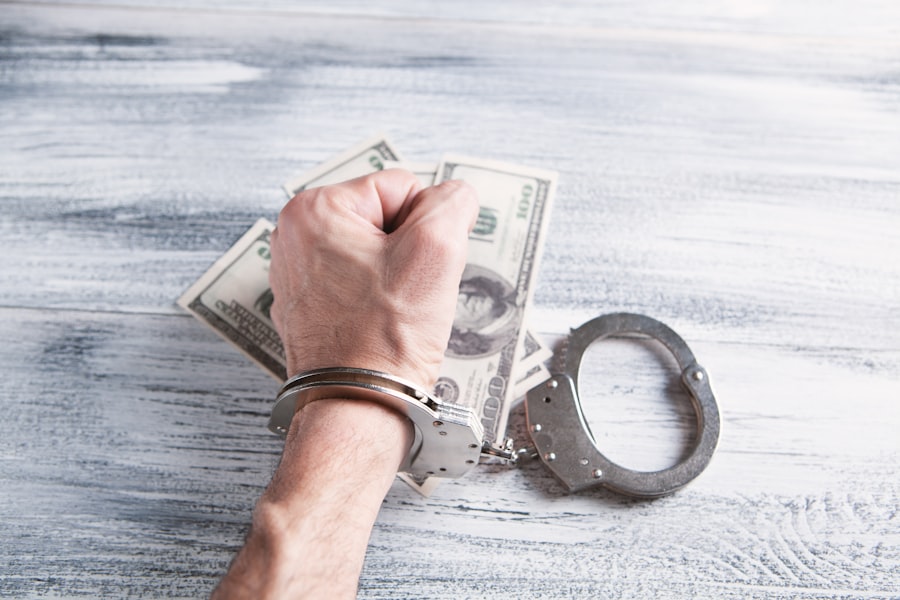
The concept of deterrence plays a crucial role in shaping our understanding of crime and punishment. The theory posits that the fear of punishment can dissuade individuals from engaging in criminal behavior. When potential offenders perceive a high likelihood of being caught and facing severe consequences, they may think twice before committing a crime. This relationship between punishment and deterrence is central to many criminal justice policies aimed at reducing crime rates.
However, the effectiveness of deterrence is not uniform across all types of crime or demographics. Research indicates that certain individuals may be less influenced by the threat of punishment due to various factors such as socio-economic status, mental health issues, or a lack of understanding about legal consequences. This suggests that while deterrence can be effective for some, it may not be sufficient for others. As we consider policy implications, it becomes essential to explore alternative strategies that address the root causes of criminal behavior rather than relying solely on punitive measures.
In exploring the intricate relationship between economic factors and criminal behavior, one can gain further insights by examining a related article that delves into the societal impacts of crime and its economic implications. For those interested in a broader perspective, the article available at Hellread provides a comprehensive analysis that complements the findings presented in Isaac Ehrlich’s work, “The Economics of Crime.” This connection highlights the importance of understanding how economic conditions can influence crime rates and the effectiveness of various policy responses.
The Economic Factors that Influence Criminal Behavior
Economic conditions play a pivotal role in shaping criminal behavior. Factors such as unemployment rates, income inequality, and access to education can significantly influence an individual’s likelihood of engaging in crime. In times of economic downturns, for instance, we often witness spikes in property crimes as individuals struggle to make ends meet. The desperation that accompanies financial hardship can push some individuals toward illegal activities as a means of survival.
Furthermore, income inequality can create environments where crime flourishes. When individuals perceive stark disparities between their own economic situation and that of wealthier members of society, feelings of resentment and frustration may arise. This sense of injustice can lead to criminal behavior as individuals seek to level the playing field through illicit means. By understanding these economic factors, we can develop targeted interventions that address the underlying issues contributing to criminal behavior.
The Role of Law Enforcement in Reducing Crime
Law enforcement agencies play a critical role in maintaining public safety and reducing crime rates. Their presence serves as a deterrent to potential offenders while also providing support to victims and communities affected by crime. Effective policing strategies can foster trust between law enforcement and community members, creating an environment where residents feel empowered to report crimes and collaborate with authorities.
However, the relationship between law enforcement and communities is complex and often fraught with tension. In some areas, negative perceptions of police can hinder cooperation and exacerbate crime rates. To address this issue, law enforcement agencies must prioritize community engagement and transparency in their operations. By building positive relationships with residents and addressing concerns about bias or misconduct, police can enhance their effectiveness in preventing crime and fostering safer neighborhoods.
The Economic Impact of Crime Prevention Strategies
Investing in crime prevention strategies can yield significant economic benefits for society as a whole. Programs aimed at addressing root causes—such as poverty alleviation initiatives, educational opportunities, and mental health services—can reduce the likelihood of individuals turning to crime. By focusing on prevention rather than solely on punishment, we can create a more sustainable approach to reducing crime rates.
Moreover, successful crime prevention strategies can lead to substantial cost savings for governments and communities. By decreasing crime rates, we reduce the need for extensive law enforcement resources and judicial processing costs. Additionally, safer neighborhoods can attract businesses and investments, further stimulating local economies. As we consider future policy directions, it is essential to recognize the long-term economic advantages associated with proactive crime prevention efforts.
Implications for Policy and Future Research
In conclusion, our exploration of the economics of crime reveals a complex interplay between individual behavior, societal costs, and economic conditions. Understanding these dynamics is crucial for developing effective policies aimed at reducing crime and its associated impacts on society. As we move forward, it is imperative that policymakers consider not only punitive measures but also comprehensive strategies that address the root causes of criminal behavior.
Future research should continue to investigate the economic factors influencing crime while also exploring innovative approaches to prevention and intervention. By fostering collaboration between economists, sociologists, law enforcement agencies, and community organizations, we can develop holistic solutions that promote safety and well-being for all members of society. Ultimately, our collective efforts will shape a future where crime is not only reduced but also understood within its broader economic context.
FAQs
What is the relationship between economics and crime?
Economics and crime are closely related as economic factors such as poverty, inequality, and unemployment can contribute to higher crime rates. Additionally, the study of economics can help understand the incentives and costs associated with criminal behavior.
What are some economic theories that explain criminal behavior?
Some economic theories that explain criminal behavior include rational choice theory, which suggests that individuals weigh the costs and benefits of committing a crime before making a decision, and the theory of human capital, which posits that criminal behavior can be influenced by the individual’s investment in education and skills.
How does the criminal justice system impact the economy?
The criminal justice system can have significant economic implications, including the costs of law enforcement, incarceration, and rehabilitation programs. Additionally, crime can have a negative impact on economic productivity and investment in affected areas.
What are some economic strategies for reducing crime rates?
Economic strategies for reducing crime rates include investing in education and skill development, creating job opportunities, and implementing policies to reduce income inequality and poverty. Additionally, targeted law enforcement and rehabilitation programs can also be effective in reducing criminal behavior.
What are the economic costs of crime to society?
The economic costs of crime to society include direct costs such as law enforcement and criminal justice system expenses, as well as indirect costs such as lost productivity, property damage, and healthcare expenses. Additionally, crime can also lead to decreased property values and investment in affected areas.




