
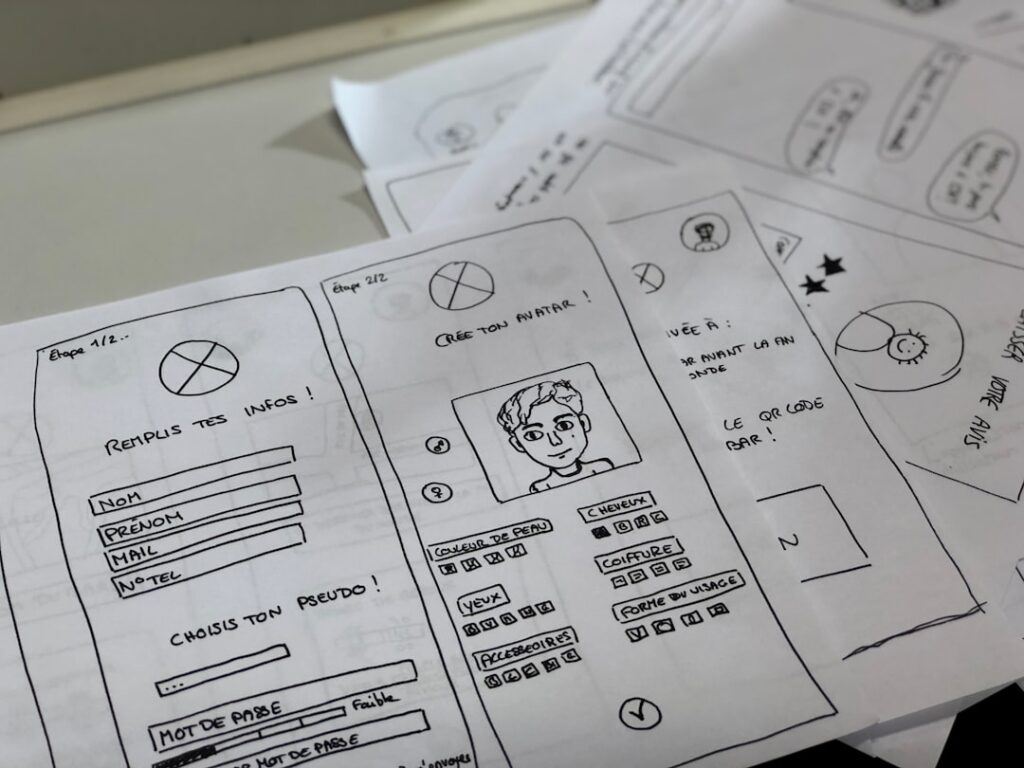
The User Experience (UX) design process is a structured approach that guides designers through the complexities of creating products that are not only functional but also enjoyable to use. A UX design process map serves as a visual representation of this journey, outlining the various stages involved in crafting an effective user experience. This map is essential for both seasoned designers and newcomers, as it provides clarity and direction in a field that can often feel overwhelming due to its multifaceted nature.
By breaking down the process into distinct phases, designers can better manage their projects, ensuring that they address user needs at every step. The UX design process is inherently iterative, meaning that it often requires revisiting earlier stages based on feedback and testing results. This cyclical nature allows for continuous improvement and refinement of the product, ultimately leading to a more polished final outcome.
The process map typically includes stages such as research, ideation, prototyping, testing, implementation, and post-launch evaluation. Each of these phases plays a critical role in ensuring that the end product aligns with user expectations and business goals. Understanding this process is vital for anyone involved in UX design, as it lays the groundwork for creating user-centered solutions that resonate with target audiences.
Key Takeaways
- The UX design process map is a systematic approach to creating user-centered designs that prioritize the user’s needs and experiences.
- User-centered design approach focuses on understanding the users’ behaviors, motivations, and goals to create designs that meet their needs and expectations.
- The research and discovery phase in UX design involves gathering insights about the target users, their pain points, and the context in which they will use the product.
- Ideation and prototyping phase in UX design involves brainstorming and creating multiple design concepts, followed by building prototypes to test and validate the ideas.
- Testing and iterating in the UX design process involves gathering feedback from users, making improvements, and iterating on the design to ensure it meets the users’ needs and expectations.
Understanding the User-Centered Design Approach
At the heart of effective UX design lies the user-centered design (UCD) approach, which prioritizes the needs, preferences, and behaviors of users throughout the design process. UCD is grounded in the belief that products should be designed with the end-user in mind, ensuring that their experiences are seamless and intuitive. This approach involves engaging with users at various stages of the design process, gathering insights that inform decisions and shape the final product.
By focusing on users, designers can create solutions that not only meet functional requirements but also evoke positive emotional responses. User-centered design encompasses several key principles, including empathy, usability, and accessibility. Empathy is crucial; designers must strive to understand users’ perspectives and experiences to create solutions that genuinely address their pain points.
Usability refers to how easily users can navigate and interact with a product, while accessibility ensures that all users, regardless of their abilities or disabilities, can engage with the design effectively. By adhering to these principles, designers can foster a more inclusive environment where diverse user needs are acknowledged and met.
Research and Discovery Phase in UX Design
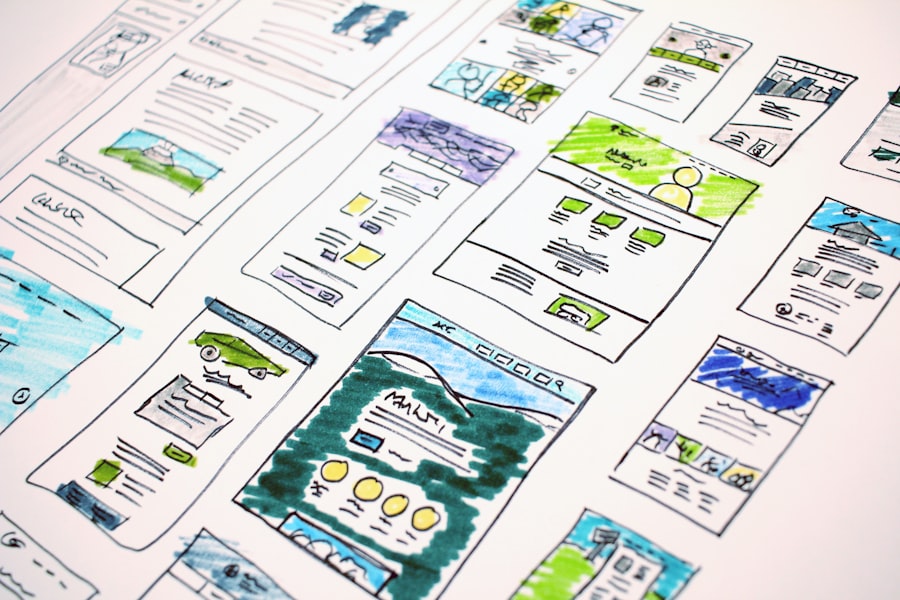
The research and discovery phase is foundational to the UX design process, as it sets the stage for informed decision-making throughout subsequent stages. During this phase, designers gather qualitative and quantitative data about users, their behaviors, and their needs. Various research methods can be employed, including surveys, interviews, focus groups, and observational studies.
Each method offers unique insights that contribute to a comprehensive understanding of the target audience. For instance, surveys can provide statistical data on user preferences, while interviews allow for deeper exploration of individual experiences. In addition to user research, competitive analysis is also a critical component of this phase.
By examining existing products within the same market space, designers can identify strengths and weaknesses in competitors’ offerings. This analysis not only highlights opportunities for differentiation but also helps designers understand industry standards and user expectations. The insights gained during the research and discovery phase serve as a foundation for defining user personas—fictional representations of target users based on research findings—which guide design decisions throughout the project.
Ideation and Prototyping Phase in UX Design
Once sufficient research has been conducted, the ideation phase begins, where designers brainstorm potential solutions to address identified user needs. This stage encourages creativity and collaboration among team members, often utilizing techniques such as mind mapping or sketching to generate a wide array of ideas. The goal is to explore various concepts without judgment initially; this open-minded approach fosters innovation and can lead to unexpected yet valuable solutions.
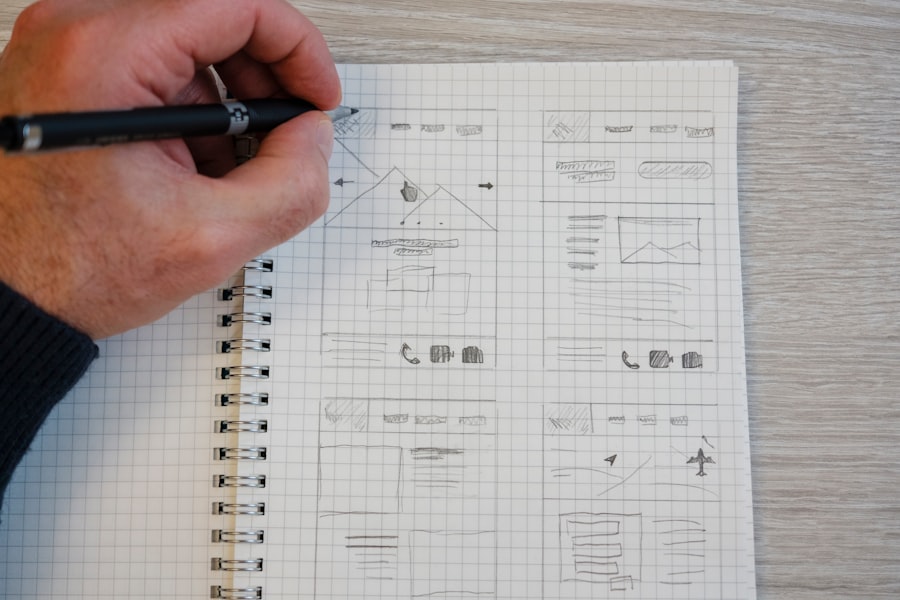
Following ideation, the prototyping phase allows designers to translate their ideas into tangible representations. Prototypes can range from low-fidelity wireframes to high-fidelity interactive models, depending on the project’s requirements and timeline. Low-fidelity prototypes are often quick sketches or paper models that focus on layout and functionality without delving into visual design details.
In contrast, high-fidelity prototypes incorporate more refined visuals and interactivity, providing a closer approximation of the final product. This phase is crucial for visualizing concepts and facilitating discussions among stakeholders.
Testing and Iterating in the UX Design Process
Testing is an integral part of the UX design process that occurs after prototyping. It involves evaluating prototypes with real users to gather feedback on usability and overall experience. Various testing methods can be employed, including usability testing sessions where participants complete specific tasks while observers note any difficulties encountered.
A/B testing is another valuable technique that compares two versions of a design to determine which performs better based on user interactions. The insights gained from testing are invaluable; they highlight areas for improvement and inform necessary iterations before finalizing the design. This iterative process may involve revisiting earlier phases—such as ideation or prototyping—to refine concepts based on user feedback.
For example, if users struggle with navigation in a prototype, designers may need to rethink their approach to information architecture or interaction design. This cycle of testing and iterating ensures that the final product aligns closely with user expectations and provides an optimal experience.
Implementation and Launching of the UX Design
Once testing has been completed and necessary adjustments made, the implementation phase begins. This stage involves collaborating with developers to bring the design to life through coding and technical execution. Effective communication between designers and developers is essential during this phase to ensure that design specifications are accurately translated into functional elements.
Tools such as design handoff software can facilitate this collaboration by providing developers with access to design assets and specifications. Launching the product is a significant milestone in the UX design process; however, it is not merely a one-time event but rather a carefully orchestrated effort that includes marketing strategies and user onboarding plans. A successful launch requires thorough planning to ensure that users are aware of the new product and understand how to use it effectively.
This may involve creating tutorials, help documentation, or promotional materials that highlight key features and benefits.
Post-Launch Evaluation and Feedback Gathering
After a product has been launched, the focus shifts to post-launch evaluation and feedback gathering. This phase is critical for assessing how well the product meets user needs in real-world scenarios. Various metrics can be tracked to gauge success, including user engagement rates, task completion times, and customer satisfaction scores.
Analytics tools can provide valuable insights into user behavior patterns, helping designers identify areas for further improvement. Feedback gathering can take many forms; surveys sent to users post-launch can yield insights into their experiences while using the product. Additionally, monitoring social media channels or customer support inquiries can reveal common pain points or feature requests from users.
This ongoing evaluation allows designers to remain responsive to user needs even after launch, fostering a culture of continuous improvement that enhances long-term user satisfaction.
Conclusion and Future Trends in UX Design
As technology continues to evolve at an unprecedented pace, so too does the field of UX design. Emerging trends such as artificial intelligence (AI), voice user interfaces (VUIs), and augmented reality (AR) are reshaping how designers approach user experience. AI-driven tools are increasingly being utilized for personalization, allowing products to adapt dynamically to individual user preferences based on their interactions.
Similarly, VUIs are gaining traction as voice-activated devices become more prevalent in everyday life; designers must consider how users interact with these systems differently than traditional interfaces.
Designers are now more than ever tasked with creating experiences that cater to diverse populations with varying abilities.
This shift towards inclusivity not only enhances user satisfaction but also broadens market reach by ensuring that products are usable by everyone. In summary, understanding the UX design process map is essential for creating effective user-centered solutions. By embracing research-driven methodologies and iterative practices throughout each phase—from discovery through post-launch evaluation—designers can craft experiences that resonate deeply with users while adapting to future trends in technology and society.
If you enjoyed reading about The UX Design Process Map By Various Authors, you may also be interested in checking out this article on how to create a successful website design. This article provides valuable insights and tips on creating a user-friendly and visually appealing website that will enhance the overall user experience. It complements the information provided in The UX Design Process Map and offers additional guidance for designing effective digital products.
FAQs
What is the UX design process map?
The UX design process map is a visual representation of the steps involved in the user experience design process. It outlines the various stages and activities that designers go through to create a user-friendly and effective product or service.
What are the key stages of the UX design process?
The key stages of the UX design process typically include research, ideation, prototyping, testing, and implementation. These stages may vary slightly depending on the specific methodology or approach used by the design team.
Why is the UX design process map important?
The UX design process map is important because it provides a clear and structured framework for designers to follow. It helps ensure that all necessary steps are taken to create a product or service that meets the needs and expectations of the end users.
How does the UX design process map benefit design teams?
The UX design process map benefits design teams by providing a common understanding of the steps involved in the design process. It helps teams stay organized, focused, and aligned throughout the project, leading to more efficient and effective collaboration.
Can the UX design process map be customized for different projects?
Yes, the UX design process map can be customized to fit the specific needs and requirements of different projects. Design teams may choose to adapt the process map to align with their preferred design methodology, project scope, or industry standards.




