
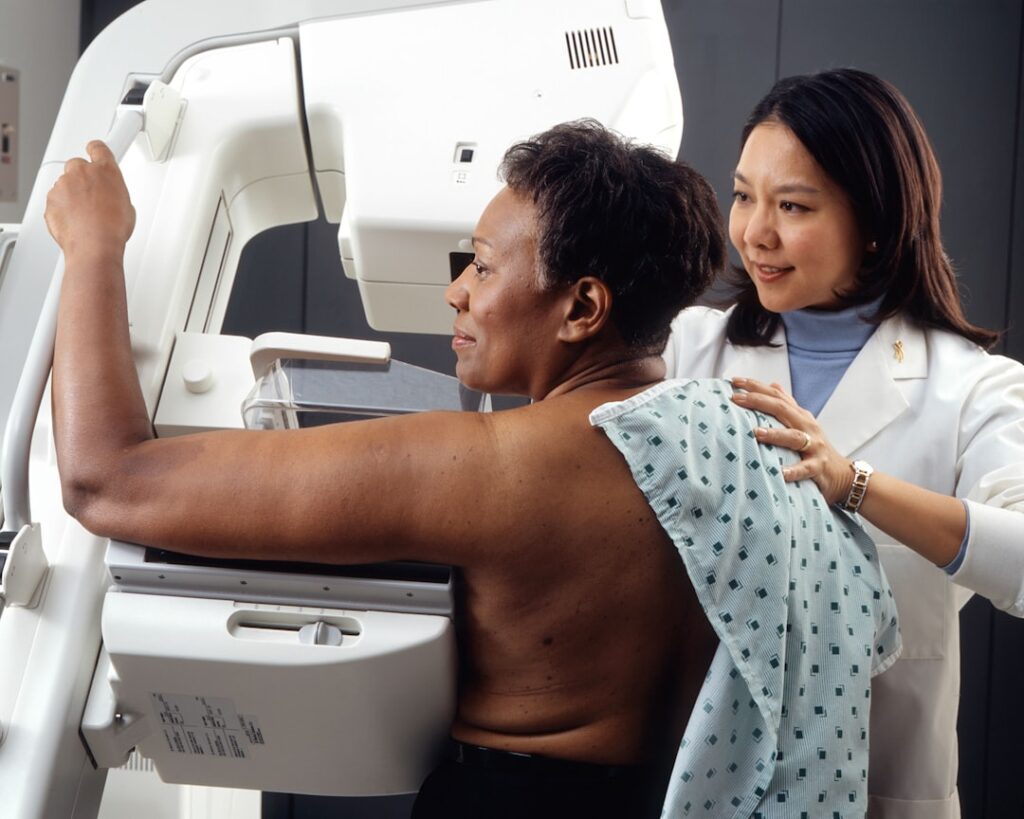
Digital transformation in healthcare represents a profound shift in how medical services are delivered, managed, and experienced. This transformation is not merely about adopting new technologies; it encompasses a comprehensive rethinking of processes, workflows, and patient interactions. The healthcare sector, traditionally characterized by its reliance on paper-based records and face-to-face consultations, is now embracing digital tools that enhance efficiency, improve patient outcomes, and facilitate better communication among stakeholders.
The COVID-19 pandemic acted as a catalyst for this transformation, accelerating the adoption of digital solutions across the globe. As healthcare organizations strive to meet the demands of a rapidly changing environment, they are increasingly leveraging technology to create more responsive and patient-centered care models. The integration of digital technologies into healthcare is multifaceted, involving various components such as telemedicine, artificial intelligence (AI), big data analytics, and electronic health records (EHRs).
Each of these elements plays a crucial role in reshaping the landscape of healthcare delivery. For instance, telemedicine has expanded access to care, particularly for patients in remote areas or those with mobility challenges. Meanwhile, AI is revolutionizing diagnostics and treatment planning by providing clinicians with powerful tools to analyze vast amounts of data quickly.
As these technologies continue to evolve, they promise to enhance the quality of care while also addressing some of the systemic inefficiencies that have long plagued the industry.
Key Takeaways
- Digital transformation in healthcare is revolutionizing the way medical services are delivered and accessed, leading to improved patient care and outcomes.
- Telemedicine and virtual care have significantly impacted healthcare by providing remote access to medical services, reducing the need for in-person visits, and increasing patient convenience.
- Artificial intelligence is playing a crucial role in healthcare by enabling predictive analytics, personalized treatment plans, and improving diagnostic accuracy.
- Big data and analytics are being used to improve patient care by analyzing large volumes of healthcare data to identify trends, patterns, and potential areas for improvement.
- Digital health records and interoperability are streamlining the exchange of patient information between healthcare providers, leading to better coordination of care and improved patient safety.
The Impact of Telemedicine and Virtual Care
Telemedicine has emerged as a cornerstone of digital transformation in healthcare, fundamentally altering how patients interact with their providers. By enabling remote consultations through video conferencing, phone calls, or messaging platforms, telemedicine has made healthcare more accessible than ever before. Patients can now receive medical advice without the need to travel to a clinic or hospital, which is particularly beneficial for those living in rural areas or for individuals with chronic conditions that make travel difficult.
The convenience of virtual care has led to increased patient satisfaction and engagement, as individuals can schedule appointments that fit their lifestyles without the constraints of traditional office hours. Moreover, telemedicine has proven invaluable during public health emergencies, such as the COVID-19 pandemic. As hospitals faced overwhelming patient loads and the risk of virus transmission loomed large, many healthcare providers quickly pivoted to virtual care models.
This rapid adoption not only ensured continuity of care but also allowed healthcare systems to allocate resources more effectively. For example, patients with non-urgent conditions could be treated remotely, freeing up in-person appointments for those requiring immediate attention. The success of telemedicine during this period has prompted many healthcare organizations to consider it a permanent fixture in their service offerings, leading to ongoing investments in technology and training.
The Role of Artificial Intelligence in Healthcare

Artificial intelligence is revolutionizing healthcare by providing tools that enhance decision-making and streamline operations. AI algorithms can analyze vast datasets far more quickly than human practitioners, identifying patterns and insights that may not be immediately apparent. For instance, AI-driven diagnostic tools can assist radiologists in interpreting medical images by highlighting potential areas of concern, thereby improving accuracy and reducing the time required for analysis.
This capability not only enhances diagnostic precision but also allows clinicians to focus on patient care rather than administrative tasks. In addition to diagnostics, AI is playing a significant role in personalized medicine.
This approach has shown promise in oncology, where AI algorithms can predict how patients will respond to specific therapies based on their genetic makeup. Furthermore, AI-powered predictive analytics can identify patients at risk of developing certain conditions, enabling proactive interventions that can prevent disease progression. As these technologies continue to advance, they hold the potential to transform not only how care is delivered but also how it is conceptualized.
Big Data and Analytics in Improving Patient Care
The advent of big data in healthcare has opened new avenues for improving patient care through enhanced analytics capabilities. Healthcare organizations are now able to collect and analyze vast amounts of data from various sources, including EHRs, wearable devices, and patient surveys. This wealth of information provides valuable insights into patient populations, treatment outcomes, and operational efficiencies.
Moreover, big data analytics can facilitate population health management by identifying at-risk populations and tracking health outcomes across different demographics. For instance, healthcare systems can use data analytics to monitor chronic disease prevalence within specific communities and implement targeted interventions aimed at reducing health disparities.
Predictive analytics can also play a crucial role in resource allocation; by forecasting patient volumes based on historical data trends, hospitals can optimize staffing levels and reduce wait times for patients. As organizations continue to harness the power of big data, they are better equipped to deliver high-quality care that is both efficient and effective.
Digital Health Records and Interoperability
Digital health records have become a fundamental component of modern healthcare systems, replacing traditional paper records with electronic formats that enhance accessibility and efficiency. EHRs allow for the seamless storage and retrieval of patient information, enabling healthcare providers to access critical data at the point of care. This transition not only improves clinical workflows but also enhances communication among providers, as patient information can be shared easily across different settings.
However, the true potential of EHRs can only be realized through interoperability—the ability of different systems to communicate and exchange information effectively. Interoperability ensures that patient data is not siloed within individual organizations but is instead accessible across various platforms and providers. This capability is essential for coordinated care; for example, when a patient transitions from a primary care physician to a specialist or requires hospitalization, having access to their complete medical history can significantly improve treatment outcomes.
Despite the challenges associated with achieving full interoperability—such as varying standards and regulatory hurdles—efforts are underway to create more integrated systems that prioritize patient-centered care.
The Rise of Wearable Technology in Healthcare

Empowering Individuals to Take Charge of Their Health
Devices such as smartwatches and fitness trackers enable users to track vital signs like heart rate, sleep patterns, and physical activity levels in real-time. This continuous monitoring empowers individuals to take charge of their health by providing actionable insights into their daily habits and overall well-being.
Enhancing Clinical Practice with Remote Patient Monitoring
In addition to personal health management, wearable technology has significant implications for clinical practice. Healthcare providers can leverage data collected from wearables to monitor patients with chronic conditions remotely. For instance, patients with diabetes can use continuous glucose monitors that transmit data directly to their healthcare team, allowing for timely adjustments in treatment plans based on real-time glucose levels.
Improving Patient Engagement and Health Outcomes
This proactive approach not only enhances patient engagement but also reduces the need for frequent office visits, ultimately leading to better health outcomes.
Cybersecurity and Privacy Concerns in Digital Healthcare
As healthcare organizations increasingly adopt digital technologies, cybersecurity and privacy concerns have emerged as critical issues that must be addressed. The digitization of sensitive patient information makes healthcare systems attractive targets for cybercriminals seeking to exploit vulnerabilities for financial gain or malicious intent. High-profile data breaches have underscored the importance of robust cybersecurity measures; for example, the 2015 breach of Anthem Inc., which exposed the personal information of nearly 80 million individuals, highlighted the potential consequences of inadequate security protocols.
To mitigate these risks, healthcare organizations must prioritize cybersecurity strategies that encompass both technology and training. Implementing advanced encryption methods, multi-factor authentication, and regular security audits are essential steps in safeguarding patient data. Additionally, staff training on recognizing phishing attempts and adhering to best practices for data protection is crucial in creating a culture of security awareness within organizations.
As digital transformation continues to evolve in healthcare, addressing cybersecurity concerns will be paramount in maintaining patient trust and ensuring compliance with regulations such as HIPAA.
The Future of Digital Transformation in Medicine
The future of digital transformation in medicine holds immense promise as technology continues to advance at an unprecedented pace. Emerging innovations such as blockchain technology may revolutionize how patient data is stored and shared securely while enhancing interoperability among different systems. Furthermore, advancements in virtual reality (VR) and augmented reality (AR) could transform medical training and surgical procedures by providing immersive simulations that enhance learning experiences.
As digital transformation progresses, it will also necessitate a shift in organizational culture within healthcare institutions. Embracing a mindset that prioritizes innovation and adaptability will be essential for navigating the complexities of an increasingly digital landscape. Stakeholders must collaborate across disciplines—clinicians, technologists, policymakers—to ensure that digital solutions are designed with the end-user in mind: the patient.
By fostering an environment that encourages experimentation and embraces change, healthcare organizations can position themselves at the forefront of this transformative era. In conclusion, while challenges remain on the path toward comprehensive digital transformation in healthcare—such as ensuring equitable access to technology and addressing regulatory concerns—the potential benefits are substantial. By harnessing the power of digital tools and fostering a culture of innovation, the healthcare industry can create a more efficient, effective, and patient-centered system that meets the needs of diverse populations now and into the future.
One related article to “The Digital Transformation of Healthcare: How Technology is Reshaping the Future of Medicine” is “Hello World: A Beginner’s Guide to Programming” available at https://hellread.com/2024/12/04/hello-world/. This article provides insights into the basics of programming, which is a crucial skill in the development and implementation of healthcare technology. Understanding programming languages and concepts can help healthcare professionals and technologists collaborate effectively to create innovative solutions for the industry.
FAQs
What is digital transformation in healthcare?
Digital transformation in healthcare refers to the integration of digital technology into all aspects of healthcare, including patient care, medical records, and administrative processes. This includes the use of electronic health records, telemedicine, wearable devices, and other digital tools to improve the delivery of healthcare services.
How is technology reshaping the future of medicine?
Technology is reshaping the future of medicine by enabling more personalized and efficient healthcare delivery. It is allowing for remote monitoring of patients, telemedicine consultations, predictive analytics for early disease detection, and the use of artificial intelligence for diagnosis and treatment planning.
What are some examples of digital technology in healthcare?
Examples of digital technology in healthcare include electronic health records (EHRs), telemedicine platforms, wearable devices for remote patient monitoring, mobile health apps, artificial intelligence for medical imaging analysis, and blockchain for secure health data exchange.
What are the benefits of digital transformation in healthcare?
The benefits of digital transformation in healthcare include improved access to care, better patient outcomes, increased efficiency in healthcare delivery, reduced healthcare costs, and the ability to leverage data for research and population health management.
What are the challenges of implementing digital transformation in healthcare?
Challenges of implementing digital transformation in healthcare include concerns about data privacy and security, interoperability issues between different digital systems, the need for workforce training and education, and the potential for widening health disparities for those who lack access to digital technology.




