

Eustace Conway, born on September 8, 1961, in the small town of Columbia, South Carolina, has become a symbol of the modern back-to-nature movement. From a young age, Conway exhibited a profound connection to the natural world, often spending his childhood exploring the woods and rivers near his home. His early experiences instilled in him a deep appreciation for the wilderness, which would later shape his life choices and philosophies.
After earning a degree in anthropology from Appalachian State University, Conway made a pivotal decision to abandon conventional societal norms and pursue a life that aligned more closely with his values. He moved to the Blue Ridge Mountains of North Carolina, where he established Turtle Island Preserve, a 1,000-acre sanctuary dedicated to teaching sustainable living practices and fostering a connection with nature. Conway’s legacy is not merely one of personal achievement; it is also about the impact he has had on countless individuals seeking to reconnect with the earth.
Through Turtle Island, he has educated thousands about traditional skills such as foraging, woodworking, and primitive survival techniques. His commitment to environmental stewardship and self-sufficiency has inspired many to reconsider their relationship with nature and the modern conveniences that often distance them from it. Conway’s life story is a testament to the idea that one can live authentically and harmoniously with the environment, challenging societal expectations in the process.
Key Takeaways
- Eustace Conway lived an unconventional and impactful life, leaving behind a legacy of wilderness advocacy and self-sufficiency.
- His deep connection with nature shaped his beliefs and lifestyle, leading him to live off the grid and embrace a minimalist approach to life.
- Conway faced numerous challenges living off the grid, but his triumphs and resilience have inspired many to pursue a similar lifestyle.
- His influence on the modern homesteading movement has encouraged others to seek a simpler, more sustainable way of living.
- “The Last American Man” has had a significant impact on environmental conservation, shedding light on the importance of preserving wilderness and living in harmony with nature.
Eustace Conway’s Relationship with Nature
Nature as a Teacher
Conway’s experiences in the wilderness have taught him valuable lessons about patience, resilience, and adaptability.
By observing and understanding the intricate ecosystems of nature, Conway has gained a deeper appreciation for the interconnectedness of all living things.
A Sustainable Lifestyle
Conway’s daily practices reflect his commitment to living in harmony with nature. He engages in activities such as hunting, fishing, and foraging, which provide sustenance and reinforce his bond with the land.
A Model for Others
Conway’s relationship with nature serves as a model for others who seek to cultivate a deeper connection with the natural world. By embracing practices that reduce our ecological footprint, we can work towards a more harmonious relationship with nature. Conway’s lifestyle is a testament to the possibility of living in balance with the natural world, and his message inspires others to follow in his footsteps.
Eustace Conway’s Unconventional Lifestyle and Beliefs
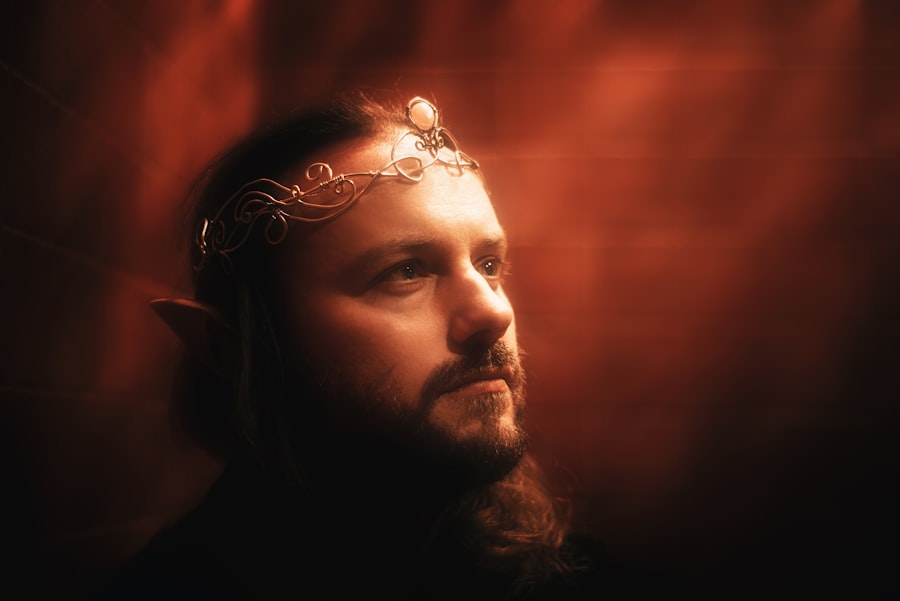
Eustace Conway’s lifestyle is often described as unconventional, particularly in a society that increasingly values consumerism and convenience over simplicity and self-sufficiency. He has chosen to live without many of the modern amenities that most people take for granted, such as electricity and running water. Instead, he relies on his knowledge of traditional skills to meet his needs.
This choice reflects his belief that true fulfillment comes from living in accordance with one’s values rather than conforming to societal expectations. Conway’s life serves as a critique of modernity, challenging individuals to reconsider what it means to live well. His beliefs extend beyond personal choices; they encompass a broader philosophy regarding humanity’s relationship with the environment.
Conway argues that modern society has become disconnected from nature, leading to ecological degradation and a loss of cultural heritage. He advocates for a return to simpler ways of living that honor the earth and promote sustainability. This perspective resonates with many who feel disillusioned by contemporary life and are searching for alternatives that align more closely with their values.
Through his teachings and writings, Conway encourages others to embrace an unconventional lifestyle that prioritizes ecological awareness and self-reliance.
The Challenges and Triumphs of Living Off the Grid
Living off the grid presents numerous challenges that test both physical endurance and mental fortitude. For Eustace Conway, these challenges have been integral to his journey. The harsh realities of weather conditions, food scarcity, and isolation can be daunting for anyone attempting to live outside the conventional framework of society.
Conway has faced these obstacles head-on, often sharing stories of his struggles with harsh winters or unexpected wildlife encounters. These experiences have not only shaped his character but have also deepened his understanding of resilience and adaptability. Despite these challenges, Conway’s life is also marked by triumphs that highlight the rewards of living off the grid.
The sense of accomplishment that comes from building shelter with one’s own hands or successfully foraging for food is unparalleled. Conway often emphasizes the joy found in simple pleasures—watching a sunrise over the mountains or feeling the earth beneath one’s feet. These moments serve as reminders of the beauty and richness of life when one is attuned to nature.
His ability to navigate both the difficulties and joys of off-grid living has made him a respected figure among those who aspire to similar lifestyles.
Eustace Conway’s Impact on the Modern Homesteading Movement
Eustace Conway has played a significant role in shaping the modern homesteading movement, which emphasizes self-sufficiency, sustainability, and a return to traditional skills. His work at Turtle Island Preserve has provided a blueprint for aspiring homesteaders seeking to reconnect with their roots and cultivate a more sustainable way of life. Through workshops and educational programs, Conway has shared invaluable knowledge about gardening, animal husbandry, and natural building techniques.
His teachings resonate with individuals who are increasingly disillusioned by industrial agriculture and are eager to embrace more sustainable practices. The impact of Conway’s work extends beyond individual homesteaders; it has contributed to a broader cultural shift towards valuing local food systems and ecological stewardship. As more people become aware of the environmental consequences of industrialized farming and consumerism, they are turning to homesteading as a viable alternative.
Conway’s emphasis on community building and sharing resources aligns with this movement, fostering connections among those who seek to live more sustainably. His influence can be seen in the growing popularity of farmers’ markets, community gardens, and local food initiatives across the country.
The Influence of “The Last American Man” on Environmental Conservation

Eustace Conway’s life story gained national attention through Elizabeth Gilbert’s book “The Last American Man,” which chronicles his journey toward self-sufficiency and his deep connection with nature. The book not only highlights Conway’s personal experiences but also serves as a commentary on broader themes related to environmental conservation and humanity’s relationship with the earth. Gilbert’s portrayal of Conway resonates with readers who are increasingly concerned about ecological issues and are searching for ways to live more harmoniously with nature.
The influence of “The Last American Man” extends beyond literature; it has sparked conversations about conservation practices and sustainable living among diverse audiences. By showcasing Conway’s commitment to preserving wilderness areas and advocating for responsible land use, Gilbert encourages readers to reflect on their own impact on the environment. The book serves as both an inspiration and a call to action for those who wish to engage in environmental conservation efforts.
Through its narrative, it emphasizes the importance of individual agency in addressing ecological challenges.
Elizabeth Gilbert’s Portrayal of Eustace Conway in “The Last American Man”
In “The Last American Man,” Elizabeth Gilbert presents Eustace Conway as a complex figure whose life embodies both idealism and realism. She captures his passion for nature alongside his struggles against societal norms that often seem at odds with his values. Gilbert’s writing delves into Conway’s psyche, exploring his motivations for choosing an unconventional lifestyle while also acknowledging the sacrifices he has made along the way.
This nuanced portrayal allows readers to appreciate both the beauty and difficulty inherent in living authentically. Gilbert also highlights Conway’s charisma and ability to inspire others through his actions rather than mere words. His dedication to teaching others about sustainable living practices is evident throughout the narrative, showcasing how he embodies the principles he espouses.
By weaving together personal anecdotes with broader themes related to environmentalism and self-sufficiency, Gilbert creates a compelling portrait of a man who challenges conventional wisdom while remaining deeply connected to nature.
Eustace Conway’s Continued Advocacy for Wilderness and Self-Sufficiency
Even today, Eustace Conway remains an active advocate for wilderness preservation and self-sufficiency. His work at Turtle Island Preserve continues to attract individuals seeking guidance on how to live sustainably while fostering a deeper connection with nature. Through workshops focused on traditional skills such as basket weaving or herbal medicine, Conway empowers participants to reclaim their relationship with the earth while equipping them with practical knowledge for self-reliance.
Conway’s advocacy extends beyond education; he actively participates in conservation efforts aimed at protecting natural habitats from development and exploitation. He collaborates with various organizations dedicated to preserving wilderness areas, emphasizing the importance of safeguarding these spaces for future generations. His unwavering commitment serves as an inspiration for those who share his vision of a world where humanity coexists harmoniously with nature rather than dominating it.
Through his life’s work, Eustace Conway exemplifies what it means to live authentically in alignment with one’s values while advocating for environmental stewardship and self-sufficiency. His legacy continues to inspire individuals across generations who seek meaningful connections with both themselves and the natural world around them.
If you enjoyed reading The Last American Man by Elizabeth Gilbert, you may also be interested in checking out an article on Hellread.com that discusses the impact of modern technology on society. The article titled “Hello World” delves into how advancements in technology have shaped our world and the way we interact with one another. You can read more about it here.
FAQs
What is “The Last American Man” by Elizabeth Gilbert about?
“The Last American Man” is a biography written by Elizabeth Gilbert about the life of Eustace Conway, a modern-day woodsman and naturalist who has chosen to live a primitive lifestyle in the Appalachian Mountains.
Who is Eustace Conway?
Eustace Conway is the subject of “The Last American Man” and is known for his efforts to live a self-sufficient and primitive lifestyle in the wilderness. He is also the founder of the Turtle Island Preserve, an educational center focused on preserving traditional skills and crafts.
What are some of the themes explored in “The Last American Man”?
The book explores themes such as the desire for a simpler and more authentic way of life, the tension between individualism and community, and the impact of modern society on the natural world.
What is the significance of the title “The Last American Man”?
The title “The Last American Man” refers to Eustace Conway’s embodiment of traditional American values such as self-reliance, rugged individualism, and a deep connection to the land. It also reflects the author’s exploration of what it means to be a man in contemporary society.
How has “The Last American Man” been received by critics?
“The Last American Man” has received generally positive reviews from critics, who have praised Gilbert’s engaging writing style and her ability to capture the complexities of Eustace Conway’s life and philosophy. The book was also a finalist for the National Book Award.




