
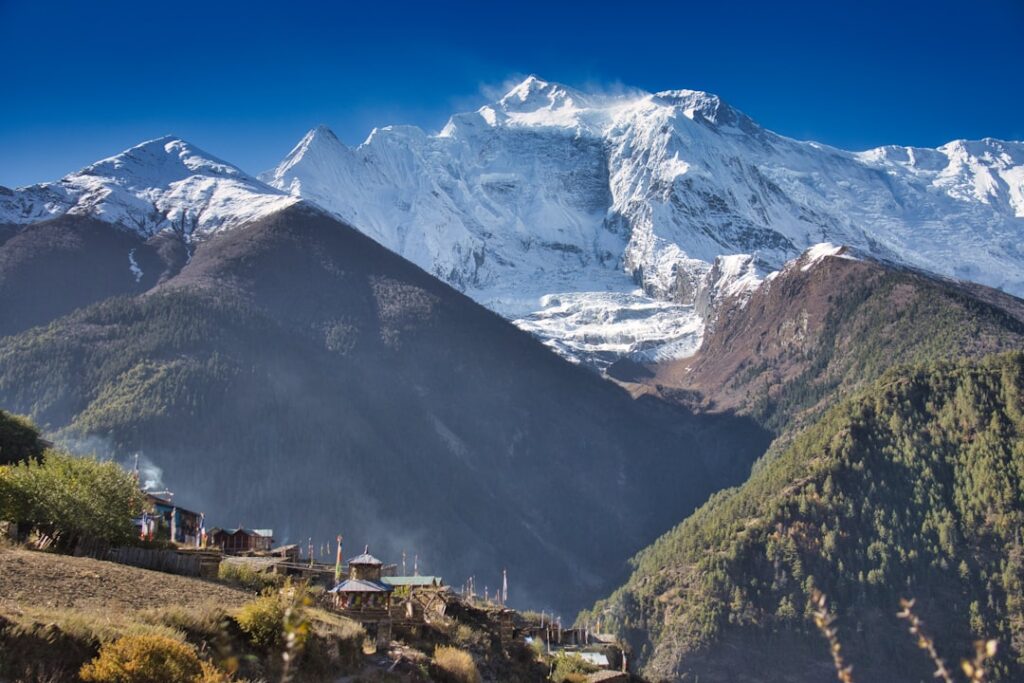
Annapurna, the tenth highest mountain in the world, stands as a formidable giant in the Himalayas, reaching an elevation of 8,091 meters (26,545 feet). Its name, derived from the Sanskrit word for “full of food,” reflects the mountain’s cultural significance in Nepalese society. However, beyond its majestic peaks and treacherous slopes, Annapurna has become a symbol of women’s empowerment in the realm of mountaineering.
The mountain’s challenging terrain and unpredictable weather have historically deterred many climbers, but it was here that a pivotal moment in women’s climbing history unfolded.
The narrative surrounding Annapurna is not merely about its physical challenges; it encapsulates a broader discourse on gender roles and the representation of women in adventure sports.
The mountain’s allure has drawn climbers from around the globe, yet it has often been male-dominated. The successful ascent by women on this iconic peak served as a catalyst for change, inspiring future generations of female climbers to pursue their ambitions in a field that has long been characterized by gender disparity. This article delves into the life and achievements of Arlene Blum, the challenges faced by women climbers, and the lasting impact of the first all-woman ascent of Annapurna on women’s mountaineering.
Key Takeaways
- “Annapurna: A Woman’s Place” is a book that highlights the achievements of women climbers and the challenges they face in the male-dominated world of mountaineering.
- Arlene Blum, the author of the book, is a renowned mountaineer who led the first all-woman ascent of Annapurna, one of the world’s highest and most dangerous peaks.
- Women climbers face numerous challenges, including lack of support, discrimination, and limited opportunities for leadership roles in mountaineering.
- The first all-woman ascent of Annapurna in 1978 was a groundbreaking achievement that shattered gender barriers and inspired women climbers around the world.
- “Annapurna: A Woman’s Place” has had a significant impact on women’s mountaineering, empowering women to pursue their passion for climbing and challenging gender stereotypes in the sport.
The Life and Achievements of Arlene Blum
Arlene Blum is a name synonymous with pioneering achievements in mountaineering and environmental activism. Born in 1938, Blum’s journey into the world of climbing began at a young age, influenced by her adventurous spirit and love for nature. She earned her Ph.D. in biophysical chemistry from the University of California, Berkeley, but her passion for climbing soon took precedence over her academic pursuits. Blum’s early climbing experiences included ascents in the Sierra Nevada and the Tetons, where she honed her skills and developed a deep appreciation for the mountains. Blum’s most notable achievement came in 1978 when she led the first all-women expedition to Annapurna. This groundbreaking ascent was not just a personal triumph; it represented a significant shift in the perception of women in mountaineering. The expedition faced numerous challenges, including harsh weather conditions, technical climbing difficulties, and the psychological pressures of being part of an all-female team in a male-dominated sport. Despite these obstacles, Blum’s leadership and determination propelled the team to success, culminating in their historic summit on October 15, 1978. This achievement not only solidified Blum’s place in mountaineering history but also inspired countless women to pursue their dreams in outdoor sports.
The Challenges Faced by Women Climbers

Women climbers have historically faced a myriad of challenges that extend beyond the physical demands of mountaineering. Societal expectations and gender stereotypes have often relegated women to secondary roles within the climbing community. The perception that climbing is a male-dominated sport has created barriers for women seeking to establish themselves as serious climbers.
These barriers manifest in various forms, including limited access to training resources, fewer sponsorship opportunities, and a lack of representation in climbing media. Moreover, women climbers often encounter skepticism regarding their abilities.
The psychological toll of navigating these challenges can be significant, as women must not only contend with the physical demands of climbing but also combat societal biases that question their competence. The journey to gain recognition and respect within the climbing community is fraught with obstacles that require resilience and determination.
Breaking Barriers: The First All-Woman Ascent of Annapurna
The first all-woman ascent of Annapurna was a watershed moment in mountaineering history, marking a significant departure from traditional gender roles within the sport. Led by Arlene Blum, the expedition comprised a diverse group of women who brought unique skills and perspectives to the team. Their journey began with extensive preparation, including rigorous training and acclimatization to high-altitude conditions.
The team faced numerous logistical challenges, from securing permits to navigating the treacherous terrain of the Himalayas. As they approached the summit, the climbers encountered extreme weather conditions that tested their resolve. The psychological pressure was immense; they were not only striving for personal achievement but also carrying the weight of representing women climbers on a global stage.
On October 15, 1978, after weeks of grueling effort, Blum and her team reached the summit of Annapurna, etching their names into history. This accomplishment shattered preconceived notions about women’s capabilities in mountaineering and served as an inspiration for future generations of female climbers.
The Impact of Annapurna: A Woman’s Place on Women’s Mountaineering
The successful ascent of Annapurna by an all-women team had far-reaching implications for women’s mountaineering. It catalyzed a shift in perceptions about women’s roles in adventure sports and encouraged more women to pursue climbing as a serious endeavor. The expedition demonstrated that women could not only participate in extreme sports but excel at them, challenging long-held stereotypes about physical strength and endurance.
In the years following the ascent, there was a noticeable increase in female participation in climbing expeditions worldwide. Women began to form their own teams and tackle challenging peaks that had previously been considered male territory. The legacy of Annapurna: A Woman’s Place continues to resonate today as more women take on leadership roles within the climbing community and advocate for gender equality in outdoor sports.
Lessons and Inspiration from Arlene Blum’s Story

Arlene Blum’s story is one of resilience, determination, and breaking boundaries. Her journey serves as an inspiration for aspiring climbers and adventurers everywhere. One of the key lessons from Blum’s experience is the importance of perseverance in the face of adversity.
Despite encountering numerous challenges throughout her career, including skepticism from peers and societal pressures, Blum remained steadfast in her pursuit of excellence. Additionally, Blum’s emphasis on teamwork highlights the significance of collaboration in achieving shared goals. The success of the Annapurna expedition was not solely due to individual prowess; it was a collective effort that showcased the strength and capabilities of women working together.
This lesson resonates beyond mountaineering; it underscores the value of support networks and camaraderie in any endeavor.
The Importance of Gender Equality in Mountaineering
The conversation surrounding gender equality in mountaineering is crucial for fostering an inclusive environment where all climbers can thrive regardless of gender. While significant strides have been made since Blum’s historic ascent, challenges persist. Women continue to face barriers related to access, representation, and recognition within the climbing community.
Addressing these issues requires concerted efforts from both men and women to create an equitable landscape for all climbers. Promoting gender equality involves not only increasing female representation in climbing media but also providing mentorship opportunities for aspiring female climbers. Organizations dedicated to supporting women in outdoor sports play a vital role in empowering future generations to pursue their passions without fear of discrimination or bias.
By fostering an inclusive culture within mountaineering, we can ensure that all climbers have equal opportunities to achieve their dreams.
The Legacy of Annapurna: A Woman’s Place
The legacy of Annapurna: A Woman’s Place extends far beyond its geographical significance; it represents a transformative moment in mountaineering history that continues to inspire climbers today. Arlene Blum and her team’s groundbreaking ascent challenged societal norms and opened doors for future generations of female climbers. Their achievement serves as a reminder that determination, resilience, and collaboration can lead to extraordinary accomplishments.
As we reflect on this legacy, it is essential to recognize that the journey toward gender equality in mountaineering is ongoing. By celebrating achievements like those of Blum and her team while actively working to dismantle barriers for women climbers, we can create a more inclusive and equitable future for all adventurers who seek to conquer new heights.
If you enjoyed reading Annapurna: A Woman’s Place by Arlene Blum, you may also be interested in checking out this article on Hellread titled Hello World. This article explores the concept of new beginnings and the excitement of embarking on new adventures, much like the climbers in Blum’s book who set out to conquer Annapurna. It’s a thought-provoking read that will inspire you to embrace change and step out of your comfort zone.
FAQs
What is Annapurna: A Woman’s Place by Arlene Blum about?
Annapurna: A Woman’s Place is a book written by Arlene Blum, which tells the story of the first American women’s ascent of Annapurna, one of the world’s most dangerous and difficult peaks.
Who is Arlene Blum?
Arlene Blum is a renowned mountaineer, scientist, and author. She is best known for her pioneering efforts in promoting the participation of women in mountaineering and her advocacy for environmental and public health issues.
What is the significance of the first American women’s ascent of Annapurna?
The first American women’s ascent of Annapurna was a groundbreaking achievement in the mountaineering world, as it demonstrated that women were capable of tackling some of the most challenging peaks in the world. It also helped to pave the way for greater gender equality in the sport of mountaineering.
What are some of the key themes in Annapurna: A Woman’s Place?
Some of the key themes in Annapurna: A Woman’s Place include gender equality in mountaineering, the challenges and triumphs of high-altitude climbing, and the importance of perseverance and teamwork in achieving difficult goals.
Where can I find a copy of Annapurna: A Woman’s Place?
Annapurna: A Woman’s Place is available for purchase at bookstores, online retailers, and libraries. It is also available in e-book and audiobook formats.




