
Robert Noyce was born on December 12, 1927, in Burlington, Iowa, into a family that valued education and intellectual curiosity.
Growing up during the Great Depression, Noyce developed a strong work ethic and an appreciation for the value of innovation and problem-solving.
His childhood was marked by a fascination with science and technology, which was further nurtured by his access to books and educational resources. This early exposure laid the groundwork for his future contributions to the field of electronics. Noyce’s academic journey began at Grinnell College in Iowa, where he pursued a degree in physics.
His time at Grinnell was characterized by a rigorous curriculum that emphasized both theoretical knowledge and practical application. After graduating in 1949, he continued his education at the Massachusetts Institute of Technology (MIT), where he earned a Ph.D. in physics in 1953.
At MIT, Noyce was introduced to the burgeoning field of semiconductor technology, which would later become the cornerstone of his career. His doctoral thesis focused on the study of semiconductor junctions, a topic that would prove pivotal in the development of integrated circuits.
Key Takeaways
- Robert Noyce grew up in Iowa and showed an early interest in electronics, building his own radios and earning a degree in physics from Grinnell College.
- Noyce co-invented the integrated circuit, a revolutionary technology that combined multiple electronic components on a single chip, leading to the development of modern microprocessors and the digital revolution.
- Noyce played a key role in the formation of Silicon Valley, co-founding Fairchild Semiconductor and later Intel, which became the leading semiconductor manufacturer in the world.
- Noyce was known for his collaborative and empowering management style, fostering a culture of innovation and entrepreneurship at Intel.
- Noyce’s impact on the semiconductor industry was profound, shaping the development of modern technology and laying the foundation for the digital age.
The Invention of the Integrated Circuit
The invention of the integrated circuit (IC) is one of the most significant milestones in the history of electronics, and Robert Noyce played a crucial role in its development. In the late 1950s, the semiconductor industry was grappling with the limitations of discrete components, which were bulky and inefficient for complex electronic systems. Noyce recognized that by integrating multiple electronic components onto a single piece of silicon, it would be possible to create smaller, faster, and more reliable devices.
This vision led him to co-invent the integrated circuit in 1958, alongside Jack Kilby, who independently developed a similar concept at Texas Instruments. Noyce’s approach to the integrated circuit was groundbreaking because it utilized planar technology, which allowed for the fabrication of multiple components on a single substrate. This method not only reduced the size of electronic devices but also significantly lowered production costs.
The first practical integrated circuits were used in military applications, but their potential for consumer electronics quickly became apparent. Noyce’s invention laid the foundation for modern computing and telecommunications, enabling the development of everything from personal computers to smartphones.
Noyce’s Role in the Formation of Silicon Valley
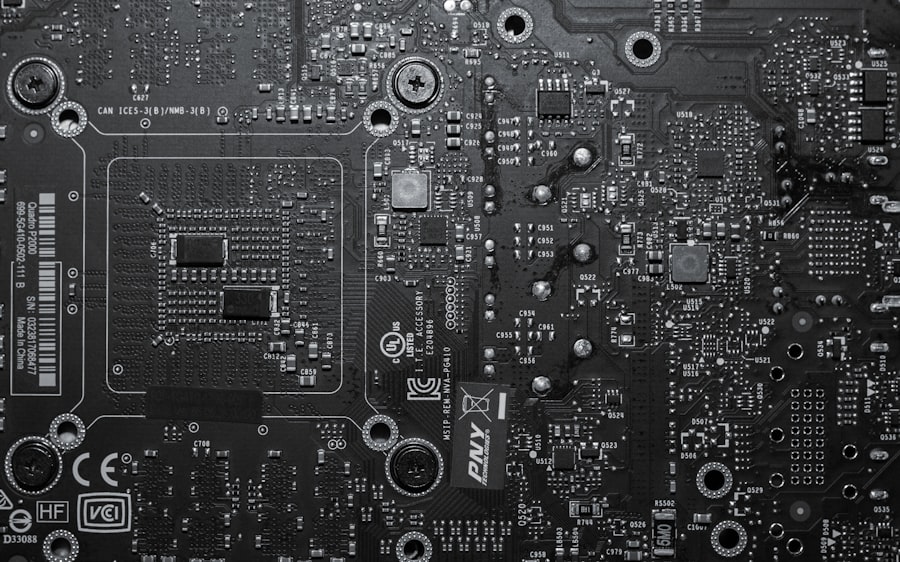
Robert Noyce’s influence extended beyond his technical innovations; he was also instrumental in shaping Silicon Valley as a hub for technological advancement. In 1957, Noyce co-founded Fairchild Semiconductor with a group of engineers known as the “Fairchild Eight.” This company became one of the first to commercialize integrated circuits and played a pivotal role in establishing Silicon Valley as a center for innovation. Fairchild Semiconductor attracted talented engineers and entrepreneurs, fostering an environment that encouraged collaboration and creativity.
The culture at Fairchild Semiconductor was characterized by a unique blend of risk-taking and support for new ideas. Noyce’s leadership style encouraged employees to experiment and pursue their passions, which led to groundbreaking developments in semiconductor technology. The success of Fairchild Semiconductor not only solidified Noyce’s reputation as a visionary leader but also inspired other companies to establish themselves in the region.
This influx of talent and investment contributed to the rapid growth of Silicon Valley, transforming it into a global epicenter for technology and innovation.
The Founding of Intel
In 1968, Robert Noyce co-founded Intel Corporation with Gordon Moore, another prominent figure in the semiconductor industry. The formation of Intel marked a significant turning point in Noyce’s career and the broader landscape of computing technology. The company’s mission was to develop advanced semiconductor products that would revolutionize computing power.
Under Noyce’s leadership, Intel quickly became known for its innovative microprocessors, which would eventually power personal computers and other electronic devices. Intel’s first major product was the 4004 microprocessor, released in 1971. This groundbreaking chip was capable of performing thousands of calculations per second, paving the way for the development of more sophisticated computing systems.
Noyce’s vision for Intel extended beyond just creating powerful chips; he aimed to build a company culture that prioritized innovation and collaboration. This approach attracted some of the brightest minds in engineering and computer science, further solidifying Intel’s position as a leader in the semiconductor industry.
Noyce’s Management Style and Leadership
Robert Noyce’s management style was characterized by an emphasis on open communication and collaboration.
Noyce often encouraged his team members to voice their ideas and challenge conventional thinking, creating an environment where creativity could flourish.
This approach not only motivated employees but also led to groundbreaking advancements in technology. Noyce’s leadership was also marked by his ability to navigate challenges with resilience and optimism. He understood that failure was an inherent part of innovation and encouraged his team to learn from setbacks rather than fear them.
This mindset helped Intel weather various challenges throughout its history, including intense competition from other semiconductor manufacturers. Noyce’s ability to inspire confidence in his team played a crucial role in Intel’s long-term success and established him as a respected figure within the industry.
Noyce’s Impact on the Semiconductor Industry
The Foundation of Modern Computing
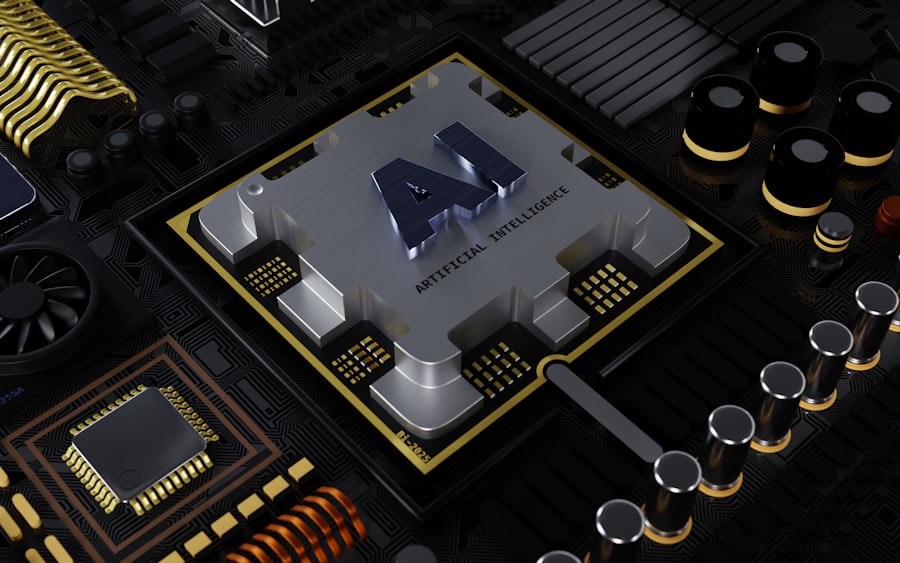
Noyce’s work laid the groundwork for advancements such as microprocessors, memory chips, and other essential components that drive today’s digital economy. Moreover, Noyce’s influence extended beyond technical innovations; he played a vital role in shaping industry standards and practices. His commitment to quality and reliability set benchmarks for semiconductor manufacturing processes that are still followed today.
Shaping the Tech Industry
As a co-founder of Intel, he helped establish best practices for product development and marketing that have become foundational principles within the tech industry. His leadership and vision have had a lasting impact on the way technology companies operate and innovate.
A Lasting Legacy
The ripple effects of his contributions continue to be felt as new technologies emerge and evolve. Noyce’s legacy serves as a testament to the power of innovation and entrepreneurship, inspiring future generations of technologists and business leaders to push the boundaries of what is possible.
Noyce’s Philanthropy and Legacy
Beyond his technical achievements, Robert Noyce was also known for his philanthropic efforts and commitment to education. He believed in giving back to society and supporting initiatives that fostered innovation and learning. Noyce established several scholarships and educational programs aimed at encouraging young people to pursue careers in science and technology.
His philanthropic endeavors reflected his belief that access to education is crucial for driving progress and innovation. Noyce’s legacy is not only defined by his inventions but also by his impact on future generations of engineers and entrepreneurs. The Robert Noyce Foundation, established after his passing in 1990, continues to support educational initiatives that promote STEM (science, technology, engineering, and mathematics) education.
Through these efforts, Noyce’s vision for a more technologically advanced society lives on, inspiring countless individuals to explore careers in fields that shape our world.
The Influence of Noyce’s Work on Modern Technology
The influence of Robert Noyce’s work is evident in virtually every aspect of modern technology. The integrated circuit he co-invented serves as the backbone of contemporary electronic devices, enabling everything from smartphones to artificial intelligence systems. The principles he established regarding semiconductor manufacturing continue to guide industry practices today, ensuring that technological advancements remain at the forefront of innovation.
Moreover, Noyce’s contributions have had far-reaching implications beyond consumer electronics. Industries such as healthcare, automotive, and aerospace have all benefited from advancements in semiconductor technology driven by Noyce’s vision. As we move further into an era defined by digital transformation, the foundational work laid by Robert Noyce remains integral to our understanding of technology’s potential to improve lives and drive economic growth.
In summary, Robert Noyce’s life story is one marked by innovation, leadership, and a commitment to education that has left an indelible mark on both the semiconductor industry and society at large. His pioneering spirit continues to inspire new generations as they navigate an increasingly complex technological landscape.
If you enjoyed reading about the history of Silicon Valley and the invention of the microchip in Leslie Berlin’s book, “The Man Behind the Microchip: Robert Noyce and the Invention of Silicon Valley,” you may also be interested in this article from Hellread discussing the impact of technology on our world today. This article delves into how the digital age has transformed our lives and the way we interact with each other, drawing parallels to the groundbreaking innovations that Noyce and his colleagues brought to the tech industry.
FAQs
Who is Robert Noyce?
Robert Noyce was an American physicist and entrepreneur who co-founded Fairchild Semiconductor in 1957 and Intel Corporation in 1968. He is often referred to as the “Mayor of Silicon Valley” and is credited with the invention of the microchip.
What is the significance of Robert Noyce’s invention?
Robert Noyce’s invention of the microchip, also known as the integrated circuit, revolutionized the electronics industry. It made it possible to miniaturize electronic components and paved the way for the development of modern computers, smartphones, and other electronic devices.
How did Robert Noyce contribute to the development of Silicon Valley?
Robert Noyce played a key role in the development of Silicon Valley as a hub for technology and innovation. His leadership at Fairchild Semiconductor and later at Intel Corporation helped attract talent and investment to the region, establishing it as a center for the semiconductor and computer industries.
What is the book “The Man Behind the Microchip: Robert Noyce and the Invention of Silicon Valley” about?
The book “The Man Behind the Microchip” by Leslie Berlin provides a comprehensive biography of Robert Noyce, detailing his life, career, and the impact of his work on the technology industry. It also explores the history of Silicon Valley and the rise of the semiconductor industry.




