

The concept of the Silk Roads has evolved significantly since its inception, transforming from a series of ancient trade routes into a modern framework for international cooperation and economic development. The New Silk Roads, often referred to as the Belt and Road Initiative (BRI), launched by China in 2013, aims to enhance global trade and stimulate economic growth across Asia and beyond. This ambitious project seeks to connect countries through infrastructure development, investment, and cultural exchange, echoing the historical significance of the original Silk Roads that facilitated trade between East and West.
The New Silk Roads encompass a vast network of railways, highways, ports, and energy projects that span multiple continents. By fostering connectivity, the initiative not only aims to boost trade but also to create a platform for cultural dialogue and mutual understanding among diverse nations. As countries engage in this modern iteration of the Silk Roads, they are presented with both opportunities and challenges that could reshape global dynamics in the 21st century.
Understanding the historical context, modern significance, geopolitical implications, economic impacts, cultural exchanges, and environmental considerations of the New Silk Roads is essential for grasping its potential to influence the future of international relations.
Key Takeaways
- The New Silk Roads are a modern-day network of trade routes connecting Asia, Europe, and Africa, facilitating economic, cultural, and environmental exchange.
- The historical Silk Roads were ancient trade routes that connected the East and West, facilitating the exchange of goods, ideas, and cultures.
- The modern significance of the Silk Roads lies in their potential to reshape global trade and economic dynamics, as well as to foster cultural exchange and cooperation.
- The geopolitical impact of the Silk Roads is significant, as countries vie for influence and control over key trade routes and infrastructure projects.
- The economic implications of the Silk Roads are vast, with potential for increased trade, investment, and infrastructure development along the routes.
The Historical Context of the Silk Roads
The original Silk Roads emerged during the Han Dynasty around 130 BCE, serving as a vital conduit for trade between China and various regions, including Central Asia, the Middle East, and Europe. These routes were not merely pathways for goods; they were also channels for cultural exchange, facilitating the spread of ideas, religions, and technologies. The name “Silk Roads” derives from the lucrative silk trade that flourished along these routes, but they also enabled the exchange of spices, precious metals, textiles, and other commodities that shaped economies and societies.
Historically, the Silk Roads were characterized by a complex web of interactions among diverse cultures. Merchants, travelers, and diplomats traversed these routes, leading to the establishment of vibrant trading cities such as Samarkand and Bukhara. These urban centers became melting pots of cultures where art, science, and philosophy thrived.
The transmission of Buddhism from India to China and the introduction of papermaking techniques from China to the West exemplify how the Silk Roads facilitated not only economic transactions but also profound cultural transformations.
The Modern Significance of the Silk Roads

In contemporary times, the New Silk Roads have taken on a multifaceted significance that extends beyond mere economic considerations. The Belt and Road Initiative represents a strategic vision for global connectivity that aligns with China’s aspirations to assert its influence on the world stage. By investing in infrastructure projects across Asia, Europe, Africa, and beyond, China aims to create a network that enhances trade routes while fostering diplomatic ties with participating countries.
The modern significance of the New Silk Roads is also evident in their potential to address pressing global challenges. For instance, infrastructure development can play a crucial role in alleviating poverty by creating jobs and improving access to markets. Additionally, enhanced connectivity can facilitate cooperation in areas such as climate change mitigation and disaster response.
As nations collaborate on projects under the BRI framework, they have the opportunity to build partnerships that transcend traditional geopolitical rivalries.
The Geopolitical Impact of the Silk Roads
The geopolitical landscape is undergoing a transformation as countries engage with the New Silk Roads initiative. China’s growing influence through the Belt and Road Initiative has raised concerns among various nations about potential shifts in power dynamics. Countries involved in the BRI may find themselves navigating a complex web of dependencies as they rely on Chinese investment for infrastructure development.
This dependency can lead to geopolitical tensions, particularly in regions where strategic interests overlap. Moreover, the New Silk Roads have prompted responses from other global powers. The United States and European Union have expressed skepticism regarding China’s intentions behind the BRI, viewing it as a means to expand its geopolitical reach.
In response, alternative initiatives have emerged, such as the U.S.
These competing frameworks highlight the geopolitical stakes involved in shaping global trade routes and influence.
The Economic Implications of the Silk Roads
The economic implications of the New Silk Roads are profound and multifaceted. By investing in infrastructure projects such as railways, highways, ports, and energy facilities, participating countries can enhance their economic competitiveness and facilitate trade flows. For instance, the China-Pakistan Economic Corridor (CPEC) is a flagship project under the BRI that aims to connect Gwadar Port in Pakistan with China’s Xinjiang region through a network of roads and railways.
This corridor is expected to boost trade between China and Pakistan while providing Pakistan with much-needed infrastructure development. However, while the economic benefits are significant, there are also concerns regarding debt sustainability for countries involved in BRI projects. Critics argue that some nations may become trapped in a cycle of debt due to high-interest loans from China for infrastructure development.
This situation raises questions about sovereignty and economic independence as countries grapple with balancing their development needs against potential long-term financial obligations.
The Cultural Exchange along the Silk Roads
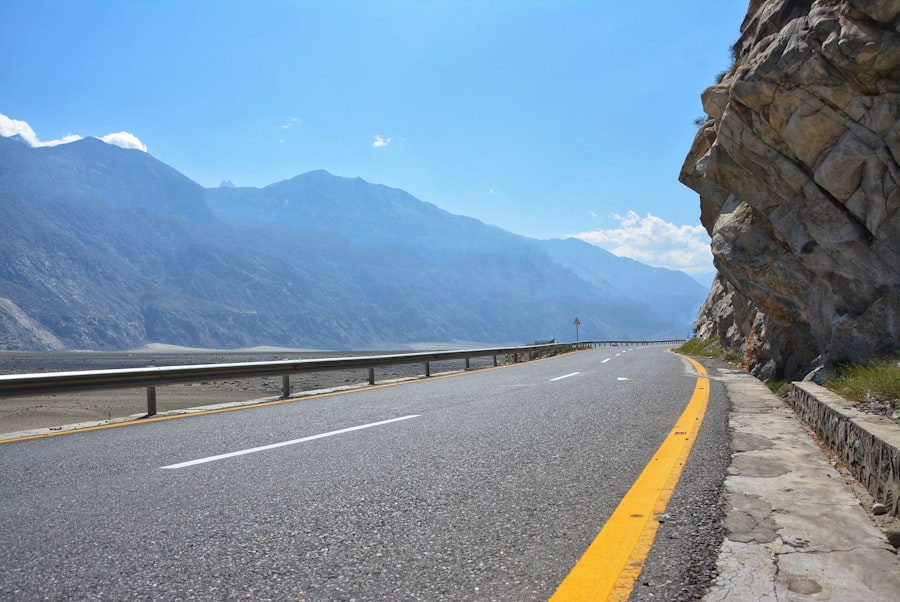
Cultural exchange has always been a hallmark of the Silk Roads, and this tradition continues in the context of the New Silk Roads. As countries engage in collaborative projects under the Belt and Road Initiative, they also foster opportunities for cultural dialogue and understanding. Cultural exchanges can take many forms, including art exhibitions, educational programs, and tourism initiatives that promote mutual appreciation among diverse societies.
For example, initiatives such as the “Silk Road Cultural Cities” program aim to celebrate shared heritage while promoting tourism along these routes. By highlighting historical connections between cultures, these programs encourage people-to-people interactions that transcend political boundaries. Such exchanges not only enrich local communities but also contribute to a broader understanding of global interconnectedness.
The Environmental Impact of the Silk Roads
As with any large-scale infrastructure initiative, environmental considerations are paramount when discussing the New Silk Roads. The construction of roads, railways, and ports can have significant ecological consequences if not managed sustainably. Deforestation, habitat destruction, and pollution are potential risks associated with large infrastructure projects that could undermine local ecosystems.
However, there is also an opportunity for positive environmental impact through sustainable practices integrated into BRI projects.
By prioritizing environmentally friendly practices in infrastructure development, participating countries can mitigate negative impacts while promoting sustainable growth.
The Future of the Silk Roads
The future of the New Silk Roads remains uncertain yet promising as nations navigate the complexities of globalization in an interconnected world. The initiative has the potential to reshape economic landscapes while fostering cultural exchange and cooperation among diverse nations. However, challenges such as geopolitical tensions, debt sustainability concerns, and environmental impacts must be addressed to ensure that the benefits of this modern iteration of the Silk Roads are equitably distributed.
As countries continue to engage with the Belt and Road Initiative, they will need to strike a balance between pursuing economic growth and safeguarding their sovereignty and environmental integrity. The legacy of the original Silk Roads serves as a reminder that trade routes can be powerful catalysts for change when approached with mutual respect and collaboration. In this evolving landscape, it is essential for nations to work together towards a shared vision that embraces both opportunity and responsibility on this new journey along the Silk Roads.
In a related article on hellread.com, the author discusses the impact of China’s Belt and Road Initiative on global trade and geopolitics. The article delves into how this modern-day Silk Road project is reshaping economic relationships and power dynamics across the world. It provides a valuable perspective that complements Peter Frankopan’s insights in his book, The New Silk Roads.
FAQs
What are the New Silk Roads?
The New Silk Roads refer to the modern-day revival of the ancient trade routes that connected Asia, the Middle East, Africa, and Europe. These routes are being reinvigorated through infrastructure projects, trade agreements, and economic partnerships.
Who is Peter Frankopan?
Peter Frankopan is a historian and author known for his book “The Silk Roads: A New History of the World,” which explores the historical significance of the Silk Roads and their impact on global trade and cultural exchange.
What is the significance of the New Silk Roads?
The New Silk Roads have the potential to reshape global trade and economic relationships, as well as to promote cultural exchange and cooperation among countries along the routes. They also have the potential to shift the balance of power and influence in the international arena.
What countries are involved in the New Silk Roads initiative?
The New Silk Roads initiative involves a wide range of countries, including China, Russia, India, Iran, Turkey, and many others in Asia, the Middle East, and Europe. These countries are working together to develop infrastructure, trade agreements, and economic partnerships to facilitate the flow of goods and services along the routes.
How does the New Silk Roads initiative impact global trade?
The New Silk Roads initiative has the potential to open up new markets and trading opportunities for countries along the routes. It also has the potential to reduce transportation costs and improve connectivity between different regions, which can have a significant impact on global trade patterns.




