
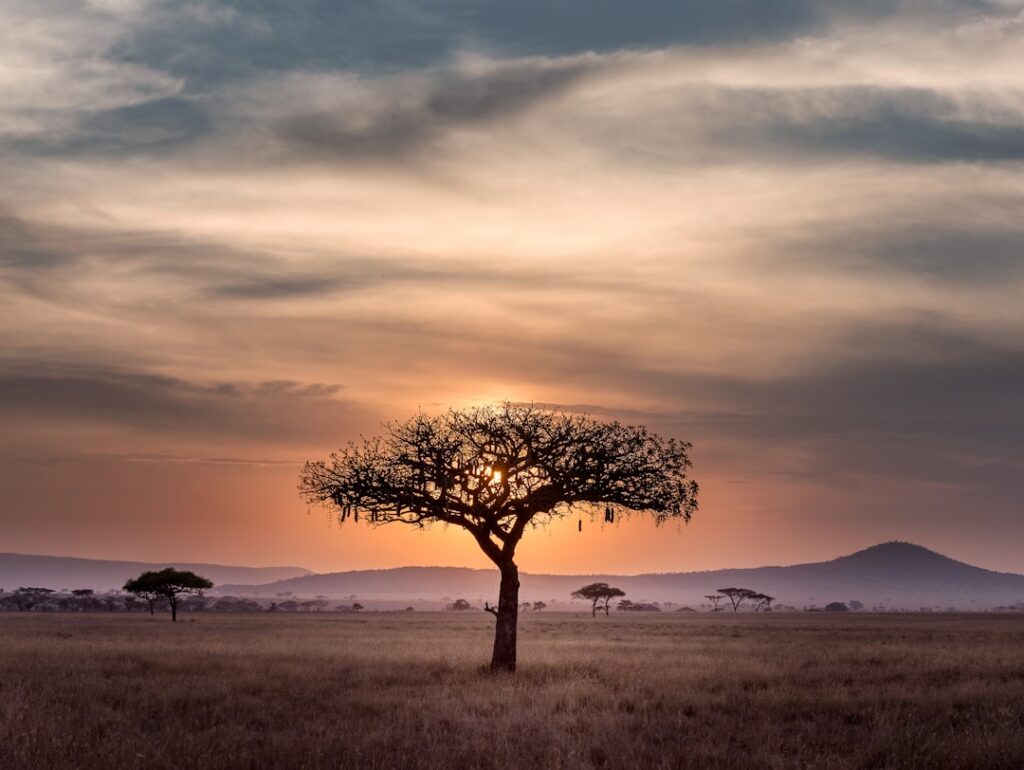
“Dark Star Safari” is a compelling travel narrative penned by the renowned author Paul Theroux, chronicling his journey through Africa from Cairo to Cape Town. This book, published in 2003, serves as both a personal memoir and a broader commentary on the continent’s complexities. Theroux’s journey is not merely a physical traversal of landscapes; it is an exploration of the intricate tapestry of cultures, histories, and socio-political realities that define Africa.
The title itself evokes a sense of mystery and allure, suggesting both the beauty and the darkness that coexist within the continent. Theroux’s narrative is rich with vivid descriptions and poignant reflections, drawing readers into the heart of Africa. He embarks on this journey with a sense of purpose, seeking to reconnect with a land he had previously traversed decades earlier.
The book is structured around his experiences on various modes of transportation, including trains, buses, and even boats, which serve as metaphors for the journey itself—both literal and metaphorical. As he travels through diverse regions, Theroux encounters a myriad of characters, each contributing to his understanding of Africa’s multifaceted identity.
Key Takeaways
- Dark Star Safari is a travel memoir by Paul Theroux, detailing his journey from Cairo to Cape Town.
- Paul Theroux is a renowned travel writer known for his immersive and insightful narratives.
- The journey through Africa is filled with encounters with diverse cultures, landscapes, and people.
- Theroux provides cultural insights and observations on the various countries and communities he visits.
- The author faces challenges and obstacles such as political instability, poverty, and transportation difficulties during his journey.
The author, Paul Theroux
A Pioneering Voice in Travel Literature
His earlier works, such as “The Great Railway Bazaar,” established him as a prominent figure in travel literature, showcasing his unique ability to blend storytelling with cultural critique.
Unflinching Honesty in “Dark Star Safari”
In “Dark Star Safari,” Theroux continues this tradition, offering readers an intimate glimpse into his thoughts and feelings as he navigates the complexities of Africa. Theroux’s writing is characterized by its candidness and depth. He does not shy away from addressing uncomfortable truths about the places he visits or the people he meets.
A Journey of Self-Discovery
This unflinching honesty is one of the hallmarks of his work, allowing readers to engage with the realities of life in Africa rather than a sanitized version of it. His background as a teacher and his experiences living abroad have further enriched his perspective, enabling him to draw connections between personal anecdotes and broader societal issues. Through “Dark Star Safari,” Theroux invites readers to join him on a journey that is as much about self-discovery as it is about exploring the continent.
The journey through Africa

Theroux’s journey begins in Cairo, where he immerses himself in the bustling atmosphere of the city.
As he makes his way southward, Theroux utilizes various forms of transportation, each offering its own unique perspective on the regions he traverses.
The train rides are particularly significant; they symbolize not only movement through space but also a connection to the past, as railways have historically played a crucial role in shaping African societies. Throughout his travels, Theroux visits numerous countries, including Sudan, Uganda, Tanzania, and Zambia. Each stop along the way presents new challenges and revelations.
In Sudan, he grapples with the harsh realities of life in a war-torn country, while in Uganda, he reflects on the legacy of colonialism and its lingering effects on contemporary society. His encounters with locals—whether they are fellow travelers or residents—provide rich insights into the diverse cultures and traditions that exist across the continent. These interactions are often marked by moments of humor and humanity, reminding readers that despite the challenges faced by many Africans, there is also resilience and hope.
Cultural insights and observations
One of the most striking aspects of “Dark Star Safari” is Theroux’s ability to capture the essence of African cultures through his observations. He delves into the intricacies of daily life, from market scenes bustling with vendors to communal gatherings that highlight the importance of family and community ties. His keen eye for detail allows him to paint vivid portraits of the people he meets, showcasing their strengths and vulnerabilities.
Theroux also explores the impact of globalization on traditional cultures. He notes how Western influences have permeated various aspects of life in Africa, often leading to a clash between modernity and tradition. For instance, he observes how young people are increasingly drawn to urban centers in search of opportunities, leaving behind rural communities that are steeped in cultural heritage.
This tension between progress and preservation is a recurring theme throughout his journey, prompting readers to consider the implications of such changes on identity and belonging.
Challenges and obstacles faced
As with any journey, Theroux encounters numerous challenges along the way. From logistical hurdles such as unreliable transportation to more profound issues like political instability and poverty, these obstacles shape his experiences and reflections. In some instances, he faces physical discomfort—long hours spent on crowded buses or trains can take a toll on even the most seasoned traveler.
However, it is often these very challenges that lead to moments of clarity and insight. In addition to logistical difficulties, Theroux grapples with ethical dilemmas as he navigates through regions marked by conflict and suffering. He confronts questions about privilege and responsibility—what does it mean to be a traveler in places where many struggle for basic necessities?
His reflections on these issues add depth to his narrative, encouraging readers to engage critically with their own perceptions of Africa and its people.
Reflections on the state of Africa

Throughout “Dark Star Safari,” Theroux offers poignant reflections on the state of Africa as he witnesses both its struggles and its triumphs. He acknowledges the continent’s rich history and cultural diversity while also confronting the harsh realities faced by many communities. Issues such as corruption, poverty, and health crises are prevalent themes in his observations, yet he also highlights stories of resilience and innovation that emerge from these challenges.
Theroux’s reflections extend beyond mere observation; they invite readers to consider their own roles in understanding and engaging with Africa. He emphasizes that Africa is not a monolithic entity but rather a collection of diverse nations and cultures, each with its own unique narratives. This complexity challenges stereotypes often perpetuated in Western media and encourages a more nuanced understanding of the continent’s realities.
Impact of the journey on the author
The journey through Africa profoundly impacts Theroux on both personal and professional levels. As he navigates through various landscapes and encounters diverse individuals, he undergoes a transformation that reshapes his worldview. The experiences he shares in “Dark Star Safari” reveal not only his evolving understanding of Africa but also his introspection regarding his own identity as a traveler and writer.
Theroux’s reflections often reveal moments of vulnerability as he grapples with feelings of alienation or disconnection from both his surroundings and himself. These moments serve as catalysts for growth; they push him to confront uncomfortable truths about privilege, responsibility, and empathy. By sharing these experiences with readers, Theroux fosters a sense of connection that transcends geographical boundaries—reminding us that travel is not just about exploring new places but also about understanding ourselves in relation to others.
Conclusion and final thoughts
In “Dark Star Safari,” Paul Theroux crafts a narrative that transcends mere travelogue; it is an exploration of humanity itself against the backdrop of Africa’s rich tapestry. Through his keen observations and candid reflections, he invites readers to engage deeply with the complexities of life on the continent. The journey serves as both an external adventure and an internal quest for understanding—a duality that resonates throughout his writing.
Theroux’s ability to capture the essence of Africa while addressing its challenges makes “Dark Star Safari” an essential read for anyone seeking to understand this multifaceted continent. His insights encourage readers to look beyond stereotypes and engage with the realities faced by its people. Ultimately, Theroux’s journey is a testament to the power of travel as a means of fostering empathy and connection across cultures—a reminder that every journey holds the potential for transformation, both for the traveler and those encountered along the way.
If you enjoyed reading Dark Star Safari by Paul Theroux, you may also be interested in checking out this article on Hellread titled Hello World. This article explores the concept of venturing into the unknown and embarking on new journeys, much like the author’s own travel experiences detailed in Dark Star Safari. It delves into the excitement and challenges of exploring unfamiliar territories and the personal growth that can come from such adventures.
FAQs
What is Dark Star Safari by Paul Theroux about?
Dark Star Safari is a travel memoir written by Paul Theroux. In the book, Theroux recounts his journey from Cairo to Cape Town, traveling through Africa by various means of transportation. He reflects on the people, cultures, and landscapes he encounters along the way.
When was Dark Star Safari published?
Dark Star Safari was published in 2002.
What is the significance of the title Dark Star Safari?
The title “Dark Star Safari” refers to the challenging and adventurous nature of Theroux’s journey through Africa. The term “dark star” can be interpreted as a metaphor for the continent’s complexity and enigmatic allure.
What are some of the themes explored in Dark Star Safari?
Some of the themes explored in Dark Star Safari include the impact of colonialism, the diversity of African cultures, the challenges of travel in Africa, and the resilience of the human spirit.
How was Dark Star Safari received by critics?
Dark Star Safari received generally positive reviews from critics. Many praised Theroux’s vivid descriptions, insightful observations, and engaging storytelling. However, some critics also noted that Theroux’s perspective on Africa was at times controversial and polarizing.




