
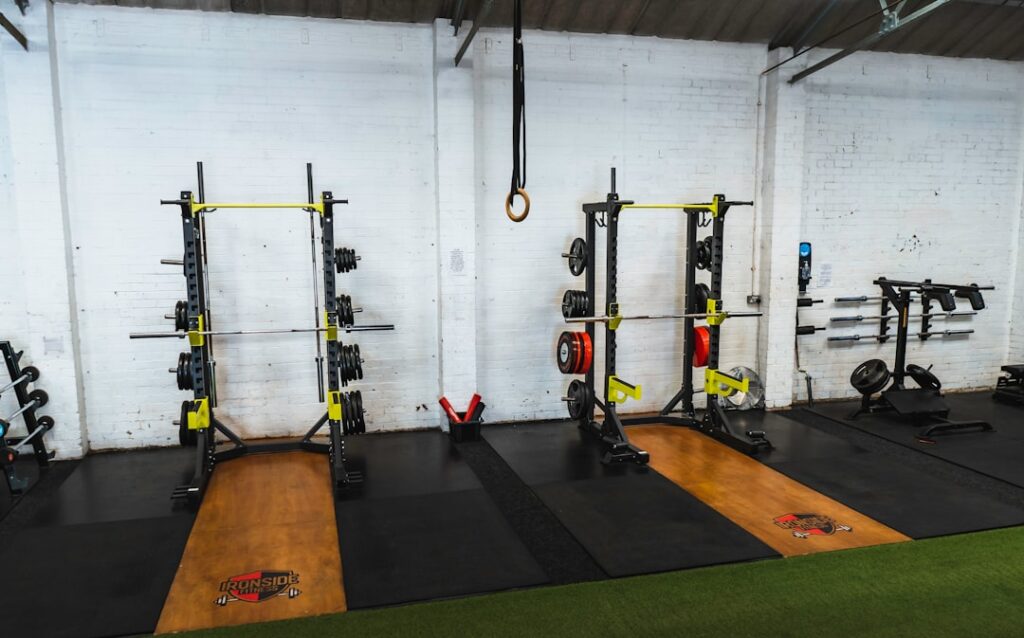
Weight training is often perceived as an activity reserved for bodybuilders or athletes in sports that emphasize strength. However, for runners, incorporating weight training into their regimen can yield significant benefits that enhance performance and reduce the risk of injury. The primary advantage of weight training lies in its ability to improve muscular strength and endurance, which are crucial for maintaining proper running form over longer distances.
This translates to more efficient energy use, allowing runners to maintain their pace for longer periods without succumbing to fatigue. Moreover, weight training can help address muscle imbalances that are common among runners.
Many runners develop strong quadriceps and calves while neglecting other muscle groups such as the hamstrings, glutes, and core. This imbalance can lead to overuse injuries, such as IT band syndrome or runner’s knee. By engaging in a well-rounded weight training program, runners can strengthen these underutilized muscles, promoting better overall stability and alignment.
This not only enhances performance but also contributes to a more balanced physique, which is essential for long-term running success.
Key Takeaways
- Weight training is important for runners to improve strength, power, and endurance, and to prevent injuries.
- A weight training program for runners should focus on compound movements, lower body strength, and core stability.
- The best exercises for runners include squats, deadlifts, lunges, hip thrusts, and core exercises like planks and Russian twists.
- Incorporate weight training into your running schedule by balancing the two activities and allowing for proper recovery.
- Common mistakes in weight training for runners include lifting too heavy, neglecting proper form, and not allowing for enough rest and recovery.
Creating a Weight Training Program for Runners
Compound Movements for Functional Strength
A well-structured program should focus on compound movements that engage multiple muscle groups, as these exercises mimic the functional movements used in running. For instance, squats and deadlifts are excellent choices because they target the legs and core while also improving overall strength and stability.
Core Strength for Stability and Injury Prevention
In addition to compound lifts, incorporating exercises that enhance core strength is vital. A strong core stabilizes the pelvis and spine during running, which is essential for maintaining proper form and preventing injuries. Planks, Russian twists, and medicine ball exercises can be effective additions to a runner’s weight training program.
Flexibility and Mobility for Holistic Training
Furthermore, it is crucial to include flexibility and mobility work within the program to ensure that muscles remain pliable and joints maintain their range of motion. This holistic approach not only prepares the body for the demands of running but also aids in recovery and injury prevention.
The Best Exercises for Runners
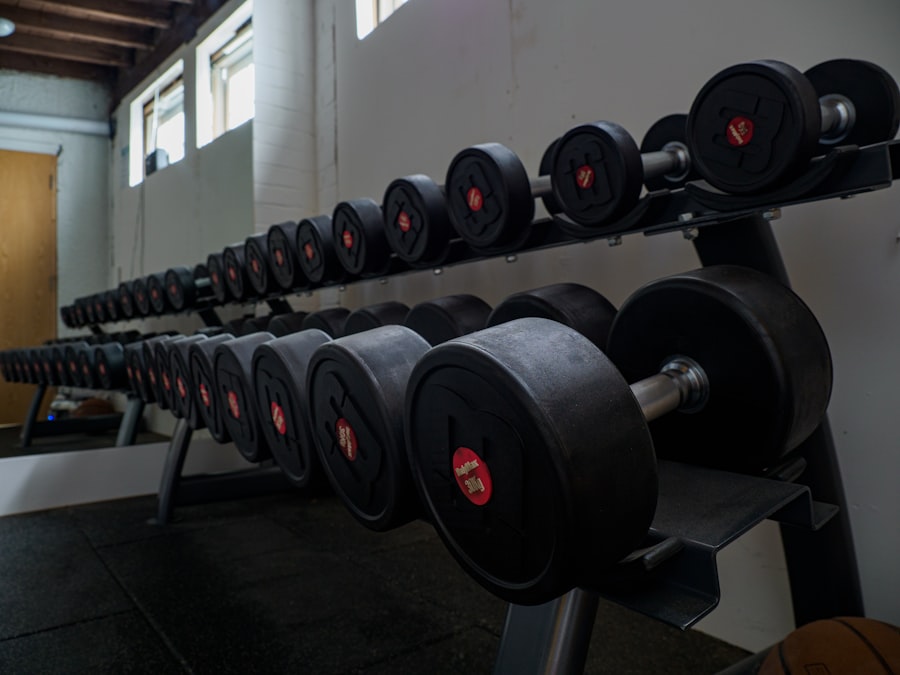
When it comes to selecting the best exercises for runners, a focus on functional movements that enhance strength, power, and stability is paramount. Squats are a foundational exercise that targets the quadriceps, hamstrings, and glutes while also engaging the core. Variations such as front squats or single-leg squats can further challenge balance and coordination, which are essential for maintaining proper running form.
Deadlifts are another powerhouse exercise that strengthens the posterior chain, including the hamstrings, glutes, and lower back. This is particularly important for runners who often experience tightness in these areas due to repetitive motion. Lunges, both forward and reverse, are excellent for building leg strength while also improving balance and coordination.
Additionally, incorporating plyometric exercises like box jumps or jump squats can enhance explosive power, which is beneficial for sprinting and hill work.
Movements such as planks, side planks, and bird-dogs help develop core strength and stability.
Furthermore, incorporating upper body exercises like push-ups or rows can improve overall posture and arm drive during running, contributing to better efficiency.
How to Incorporate Weight Training into Your Running Schedule
Integrating weight training into a running schedule requires strategic planning to ensure that both modalities complement each other rather than detract from performance. A common approach is to schedule weight training sessions on days when runners have shorter or less intense runs planned. This allows for adequate recovery time between workouts while still maintaining a consistent training routine.
For example, a runner might choose to perform weight training on Mondays and Thursdays while reserving longer runs for Tuesdays and Saturdays. This setup allows the body to recover from strength sessions before tackling more demanding running workouts. Additionally, it is essential to listen to one’s body; if fatigue from weight training affects running performance, adjustments may be necessary.
Some runners may find it beneficial to perform lighter weight sessions immediately after a run to avoid excessive fatigue. Another effective strategy is to incorporate circuit training into weight sessions. This involves performing a series of exercises with minimal rest in between, which can help maintain cardiovascular fitness while building strength.
For instance, a circuit might include squats, push-ups, lunges, and planks performed back-to-back with short breaks in between. This method not only saves time but also keeps the heart rate elevated, providing an additional aerobic benefit.
Avoiding Common Mistakes in Weight Training for Runners
While weight training offers numerous benefits for runners, there are common pitfalls that can hinder progress or lead to injury if not addressed. One prevalent mistake is neglecting proper form in favor of lifting heavier weights. Poor technique can result in muscle strain or injury, particularly in vulnerable areas such as the lower back or knees.
It is crucial for runners to prioritize form over weight; using lighter weights with correct technique will yield better long-term results. Another common error is failing to allow adequate recovery time between weight training sessions. Runners often have a mindset focused on pushing through fatigue; however, muscles need time to repair and grow stronger after resistance training.
Overtraining can lead to burnout or injuries that sideline a runner’s progress. A well-structured program should include rest days or lighter sessions to facilitate recovery. Additionally, many runners overlook the importance of warming up before weight training sessions.
A proper warm-up increases blood flow to the muscles and prepares them for the demands of lifting weights. Dynamic stretches or light aerobic activity can effectively raise body temperature and enhance flexibility before engaging in more strenuous exercises.
Nutrition and Recovery for Weight Training and Running
Nutrition plays a pivotal role in supporting both weight training and running performance. Runners need to fuel their bodies with adequate macronutrients—carbohydrates for energy, proteins for muscle repair, and healthy fats for overall health. A balanced diet rich in whole foods will provide the necessary nutrients to support rigorous training schedules.
Post-workout nutrition is particularly important after both running and weight training sessions. Consuming a meal or snack that combines carbohydrates and protein within 30 minutes of completing a workout can significantly enhance recovery. For instance, a smoothie made with banana, spinach, protein powder, and almond milk provides an excellent balance of nutrients that aids muscle recovery while replenishing glycogen stores.
Hydration is another critical aspect of recovery that should not be overlooked. Dehydration can impair performance and recovery; therefore, runners should ensure they are adequately hydrated before, during, and after workouts. Electrolyte-rich drinks may be beneficial during longer runs or intense weight sessions to replace lost minerals.
Monitoring Progress and Adjusting Your Weight Training Program
To maximize the benefits of weight training for running, it is essential to monitor progress regularly and make adjustments as needed. Keeping a training log can help track workouts, including weights lifted, repetitions completed, and overall feelings of fatigue or energy levels post-session. This data provides valuable insights into what is working well and what may need modification.
As strength improves over time, it is important to progressively overload the muscles by increasing weights or changing exercise variations. This principle ensures continued adaptation and growth in strength levels. For example, if a runner has been performing squats with a certain weight for several weeks without noticeable progress, it may be time to increase the load or incorporate different squat variations.
Additionally, periodic assessments of running performance can help gauge how well weight training is translating into improved running efficiency or speed. If a runner notices significant improvements in race times or endurance levels after implementing a weight training program, it may be an indication that the current regimen is effective.
The Benefits of Weight Training for Runners
The advantages of incorporating weight training into a runner’s routine extend far beyond mere strength gains; they encompass improved performance metrics such as speed, endurance, and injury prevention. By developing stronger muscles through resistance training, runners can experience enhanced power output during races or workouts. This increased power translates into faster paces with less perceived effort.
Injury prevention is another critical benefit of weight training for runners. Strengthening muscles around key joints helps stabilize them during high-impact activities like running. This stability reduces the likelihood of common injuries associated with overuse or muscle imbalances.
Furthermore, improved core strength contributes significantly to better posture while running—an essential factor in maintaining efficiency over long distances. Lastly, mental resilience often improves with regular weight training sessions. The discipline required to lift weights translates into greater mental toughness on the run; overcoming physical challenges in the gym can bolster confidence when facing tough workouts or races outdoors.
As runners become more adept at handling physical stressors through strength training, they may find themselves better equipped to tackle the mental challenges inherent in long-distance running. In summary, integrating weight training into a runner’s regimen offers multifaceted benefits that enhance overall performance while reducing injury risk. By understanding its importance and implementing a structured program tailored specifically for their needs, runners can unlock their full potential on the road or trail.
If you’re looking to improve your running performance, you may also be interested in checking out an article on hellread.com that discusses the benefits of incorporating interval training into your routine. Interval training has been shown to help increase speed, endurance, and overall fitness levels, making it a valuable addition to any runner’s workout regimen. By combining the principles outlined in The Complete Guide to Weight Training for Runners by Rob Price with interval training, you can take your running to the next level and achieve your fitness goals faster.
FAQs
What is weight training for runners?
Weight training for runners is a form of strength training that focuses on improving the strength, power, and endurance of the muscles used in running. It involves using resistance, such as weights or resistance bands, to build muscle and improve overall performance.
What are the benefits of weight training for runners?
Weight training for runners can help improve running economy, increase muscular endurance, reduce the risk of injury, and enhance overall performance. It can also help improve balance, stability, and coordination, which are important for running efficiently.
How often should runners incorporate weight training into their routine?
It is recommended that runners incorporate weight training into their routine 2-3 times per week, with at least 48 hours of rest between sessions to allow for muscle recovery and growth.
What are some key exercises for runners to include in their weight training routine?
Key exercises for runners to include in their weight training routine include squats, lunges, deadlifts, calf raises, hip thrusts, and core exercises such as planks and Russian twists. These exercises target the major muscle groups used in running and help improve strength and stability.
How should runners adjust their weight training routine during different phases of their training cycle?
During different phases of their training cycle, runners can adjust their weight training routine by focusing on different aspects of strength and conditioning. For example, during the off-season, runners may focus on building overall strength and power, while during the competitive season, they may focus on maintaining strength and preventing injury.




