
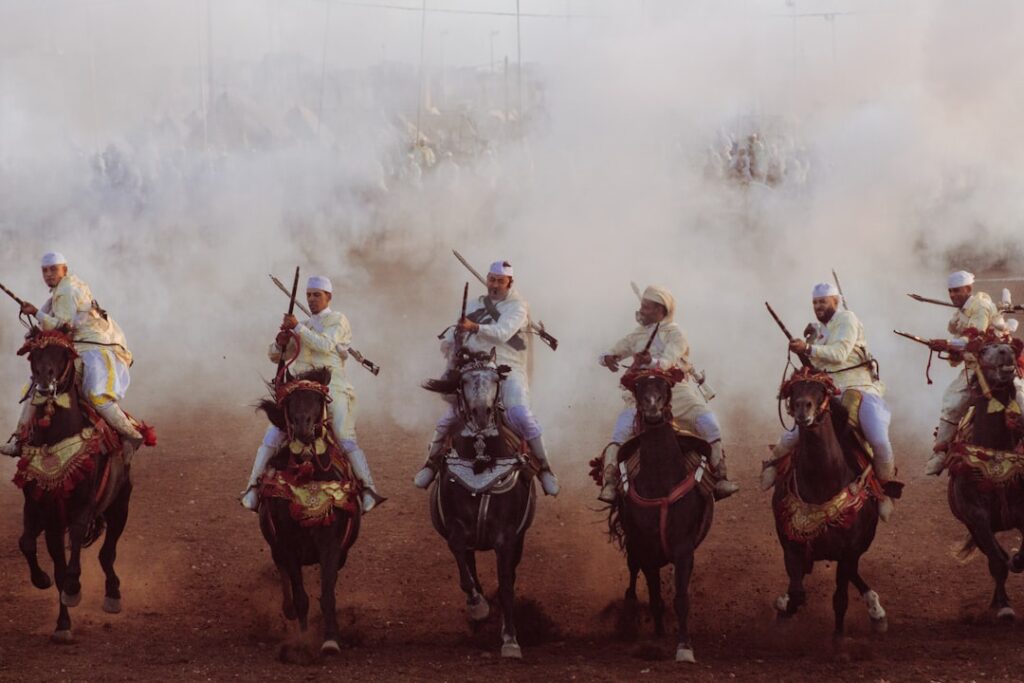
“The Caliph’s House: A Year in Casablanca” is a captivating memoir penned by Tahir Shah, a British author known for his explorations of culture and the human experience. This book chronicles Shah’s transformative year spent in Casablanca, Morocco, where he embarks on a journey that intertwines personal growth with the rich tapestry of Moroccan life. The narrative is not merely a recounting of events; it is an exploration of identity, belonging, and the complexities of adapting to a new culture.
Through vivid descriptions and engaging storytelling, Shah invites readers to experience the sights, sounds, and flavors of Casablanca, while also delving into the deeper philosophical questions that arise from his experiences. Shah’s writing is characterized by its lyrical quality and keen observations, which bring to life the vibrancy of Moroccan culture. He paints a picture of a city that is both enchanting and challenging, filled with contradictions that reflect the broader themes of his memoir.
The book serves as a window into the heart of Casablanca, revealing not only its physical beauty but also the intricacies of its social fabric. As readers journey alongside Shah, they are encouraged to reflect on their own perceptions of home, belonging, and the universal quest for understanding in a world that often feels foreign.
Key Takeaways
- “The Caliph’s House: A Year in Casablanca” is a travel memoir by Tahir Shah, detailing his experiences renovating a traditional Moroccan house.
- Tahir Shah’s journey to Casablanca was prompted by a desire to escape the hustle and bustle of London and immerse himself in a new culture.
- Casablanca is depicted as an enchanting city with a rich history, vibrant markets, and a blend of modern and traditional influences.
- The process of renovating a traditional Moroccan house in Casablanca presented numerous challenges, from bureaucratic hurdles to cultural differences.
- Tahir Shah’s time in Casablanca was filled with mystical encounters and spiritual experiences, adding a layer of intrigue to his memoir.
Tahir Shah’s Journey to Casablanca
Tahir Shah’s journey to Casablanca begins with a desire for change and adventure. After years of living in England, he finds himself yearning for a different kind of life—one that is steeped in history and culture. This longing leads him to Morocco, a country that has long fascinated him with its rich heritage and vibrant traditions.
The decision to move to Casablanca is not made lightly; it represents a significant shift in his life, one that is driven by both personal and professional aspirations. Shah’s background as a writer and storyteller informs his approach to this new chapter, as he seeks to immerse himself fully in the experiences that await him. Upon arriving in Casablanca, Shah is immediately struck by the city’s unique blend of modernity and tradition.
The bustling streets are alive with energy, filled with the sounds of vendors calling out their wares and the aroma of spices wafting through the air. Yet, beneath this vibrant exterior lies a complexity that challenges Shah’s preconceived notions about Moroccan life. He encounters cultural differences that require him to adapt and rethink his understanding of social norms.
This initial period of adjustment is marked by both excitement and trepidation as he navigates the intricacies of daily life in a foreign land.
The Enchanting City of Casablanca
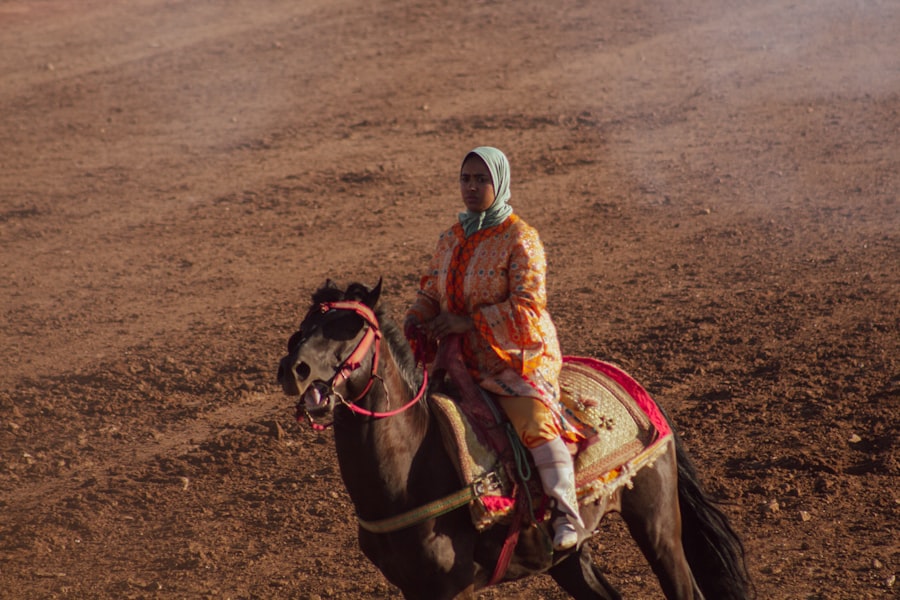
Casablanca itself emerges as a character in Shah’s narrative, with its stunning architecture and diverse neighborhoods offering a backdrop for his experiences. The city is a mosaic of influences, where French colonial buildings stand alongside traditional Moroccan structures, creating a visual feast for the senses. Shah’s descriptions transport readers to the bustling markets of the medina, where colorful textiles and intricate ceramics beckon from every stall.
He captures the essence of the city’s vibrant street life, where locals gather to share stories over cups of mint tea and street food vendors serve up delicious Moroccan delicacies. Beyond its physical beauty, Casablanca is imbued with a sense of history and cultural significance. Shah delves into the city’s past, exploring its role as a crossroads of civilizations and a hub for trade and commerce.
He reflects on how this rich history shapes the identity of its inhabitants, who navigate the complexities of modern life while remaining deeply connected to their roots. Through his eyes, readers gain insight into the duality of Casablanca—a city that embodies both progress and tradition, where the old coexists harmoniously with the new.
Renovating a Traditional Moroccan House
One of the central themes of “The Caliph’s House” is Shah’s endeavor to renovate a traditional Moroccan house, which serves as both a physical space and a metaphor for his journey of self-discovery. The house itself is an architectural gem, with intricate tile work and ornate wood carvings that reflect the artistry of Moroccan craftsmanship. However, it is also in disrepair, requiring significant effort and resources to restore it to its former glory.
This renovation process becomes a symbol of Shah’s own transformation as he grapples with the challenges of adapting to life in Casablanca.
From navigating bureaucratic red tape to dealing with local artisans who have their own unique ways of working, he learns that renovation in Morocco is not merely about construction; it is also about building relationships and understanding cultural nuances.
The process becomes an opportunity for him to connect with his neighbors and immerse himself in the local community, forging bonds that transcend language barriers and cultural differences.
Cultural Immersion and Challenges in Casablanca
Cultural immersion is at the heart of Shah’s experience in Casablanca, as he seeks to understand the intricacies of Moroccan life beyond surface-level observations. He engages with locals from various walks of life, each offering their own perspectives on what it means to be Moroccan in a rapidly changing world. Through these interactions, Shah gains insight into the values and traditions that shape daily life in Casablanca—values rooted in hospitality, family ties, and communal living.
However, this immersion is not without its challenges. Shah grapples with feelings of isolation and homesickness as he navigates a culture that can sometimes feel alienating. Language barriers complicate communication, making it difficult for him to fully express himself or understand others.
Additionally, he confronts cultural misunderstandings that arise from differing social norms and expectations. These challenges force him to confront his own biases and assumptions while fostering personal growth through resilience and adaptability.
Mystical Encounters and Spiritual Experiences
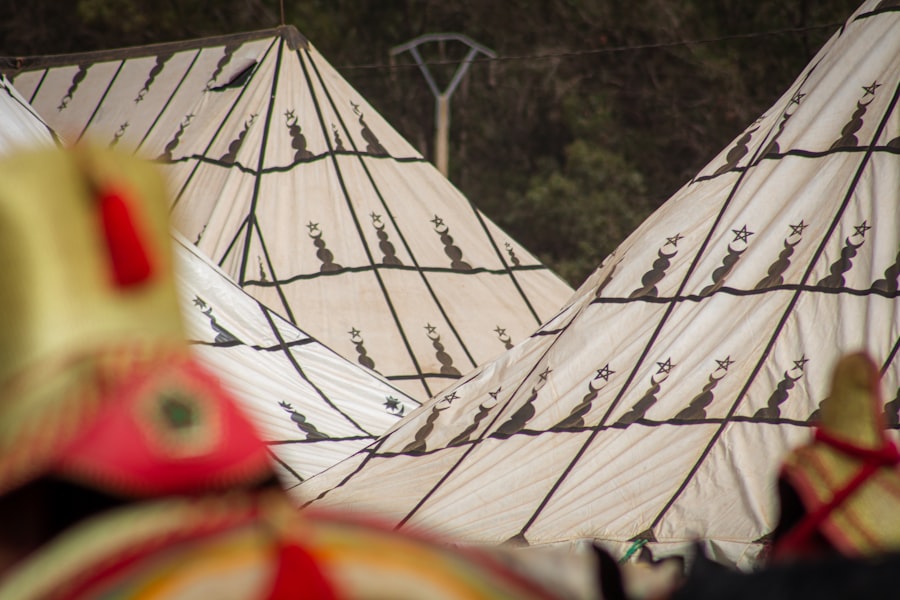
Throughout “The Caliph’s House,” Shah recounts mystical encounters that deepen his connection to Moroccan culture and spirituality. He explores themes of mysticism through interactions with local spiritual leaders and practitioners who embody the rich spiritual heritage of Morocco. These encounters often take place in sacred spaces—mosques, shrines, and gardens—where Shah finds solace and inspiration amidst the chaos of urban life.
One particularly poignant experience involves his visit to a local healer who practices traditional medicine rooted in ancient wisdom. This encounter opens Shah’s eyes to alternative approaches to health and well-being that contrast sharply with Western practices. He learns about the significance of herbs, rituals, and spiritual guidance in Moroccan healing traditions, prompting him to reflect on his own beliefs about health and spirituality.
These mystical experiences serve as reminders that there is much more to life than what can be seen or understood through rational thought alone.
The Caliph’s House: A Year in Casablanca as a Travel Memoir
“The Caliph’s House” stands out as a travel memoir that transcends mere travelogue conventions; it is an exploration of identity, belonging, and the human experience through the lens of place.
His reflections on home—what it means to find one’s place in the world—resonate deeply with anyone who has ever felt out of place or yearned for connection.
The memoir is rich with anecdotes that illustrate both the beauty and complexity of travel. From humorous misadventures to profound moments of insight, Shah captures the essence of what it means to be an outsider navigating unfamiliar terrain. His writing encourages readers to embrace uncertainty and vulnerability as integral parts of the travel experience.
By sharing his struggles alongside his triumphs, Shah creates an authentic narrative that speaks to the transformative power of travel.
Legacy of The Caliph’s House: A Year in Casablanca
The legacy of “The Caliph’s House” extends beyond its pages; it serves as an invitation for readers to reflect on their own journeys—both literal and metaphorical. Through his experiences in Casablanca, Tahir Shah highlights the importance of cultural exchange and understanding in an increasingly interconnected world. His memoir encourages readers to approach new cultures with curiosity rather than judgment, fostering empathy and appreciation for diversity.
Moreover, Shah’s exploration of home resonates with anyone who has grappled with questions of identity and belonging. His journey illustrates that home is not merely a physical space but also an emotional state—a feeling cultivated through relationships, experiences, and personal growth. As readers close the final chapter of “The Caliph’s House,” they are left with a sense of wonder about their own journeys and an appreciation for the myriad ways in which travel can shape our understanding of ourselves and others.
In conclusion, “The Caliph’s House: A Year in Casablanca” is more than just a memoir; it is an exploration of life’s complexities through the lens of culture, identity, and personal transformation. Tahir Shah’s vivid storytelling invites readers into a world rich with experiences that challenge preconceived notions while celebrating the beauty found within diversity.
If you enjoyed reading The Caliph’s House: A Year in Casablanca by Tahir Shah, you may also be interested in checking out this article on Hellread titled


