
The Autoimmune Protocol (AIP) is a dietary and lifestyle approach designed to help individuals with autoimmune diseases manage their symptoms and improve their overall health. Rooted in the principles of the Paleo diet, AIP emphasizes the elimination of foods that may trigger inflammation and immune responses while promoting nutrient-dense, whole foods that support healing. The protocol is not merely a diet; it is a comprehensive lifestyle change that encompasses dietary adjustments, stress management, and other health-promoting practices.
At its core, AIP aims to reduce the burden on the immune system by removing potential irritants and allergens from the diet. This includes a wide range of foods that are commonly associated with inflammation, such as grains, legumes, dairy, refined sugars, and processed foods. By focusing on nutrient-rich foods, AIP seeks to restore gut health, balance the immune system, and ultimately alleviate symptoms associated with autoimmune conditions.
The protocol is often implemented in phases, beginning with a strict elimination phase followed by a gradual reintroduction of foods to identify personal triggers.
Key Takeaways
- The Autoimmune Protocol (AIP) is a diet that focuses on eliminating potential trigger foods to reduce inflammation and support the immune system.
- AIP works by removing foods that may cause inflammation and gut irritation, and then gradually reintroducing them to identify any potential triggers.
- Foods to include in the AIP include nutrient-dense options like vegetables, fruits, healthy fats, and high-quality proteins.
- Foods to avoid on the AIP include grains, legumes, dairy, processed foods, refined sugars, and nightshade vegetables.
- To get started with the AIP, it’s important to plan and prepare meals in advance, seek support from a healthcare professional, and keep a food journal to track symptoms and progress.
How does the Autoimmune Protocol work?
Importance of Gut Health
The protocol emphasizes the importance of gut health, as a compromised gut barrier, often referred to as “leaky gut”, can lead to increased permeability that allows undigested food particles and toxins to enter the bloodstream. This can provoke an immune response, further exacerbating autoimmune symptoms.
Lifestyle Modifications
In addition to dietary changes, the Autoimmune Protocol encourages lifestyle modifications that support overall well-being. Stress management techniques such as mindfulness, yoga, and adequate sleep are integral components of the protocol. Chronic stress can significantly impact immune function and exacerbate inflammation, making it crucial to address this aspect of health.
A Holistic Approach
Furthermore, the Autoimmune Protocol promotes regular physical activity tailored to individual capabilities, which can enhance mood and support metabolic health. By addressing both dietary and lifestyle factors, the Autoimmune Protocol aims to create a holistic approach to managing autoimmune conditions.
Foods to include in the Autoimmune Protocol
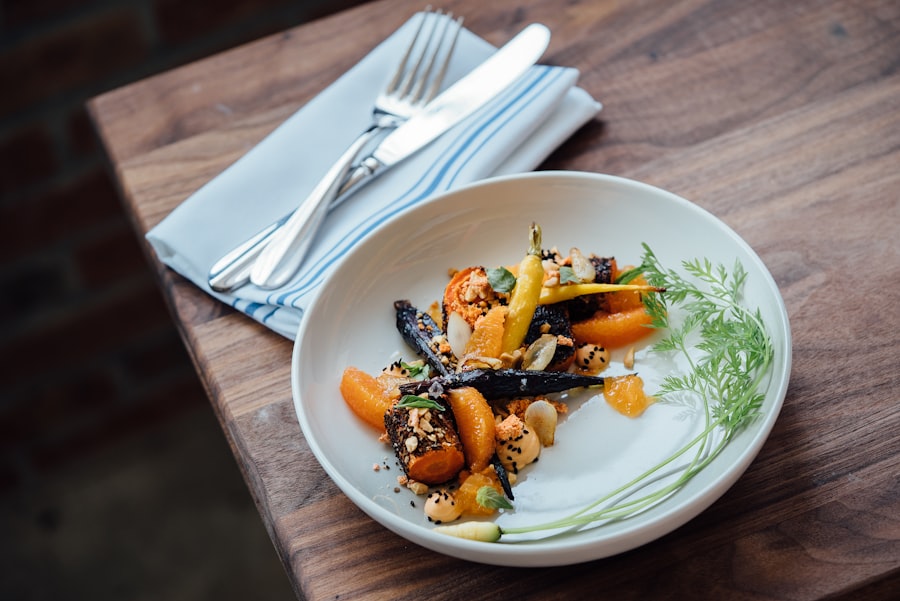
The Autoimmune Protocol emphasizes a variety of nutrient-dense foods that are believed to support healing and reduce inflammation. At the forefront of these foods are vegetables, particularly those that are non-starchy and rich in vitamins, minerals, and antioxidants. Leafy greens like spinach, kale, and Swiss chard are excellent choices due to their high nutrient content.
Cruciferous vegetables such as broccoli and Brussels sprouts also provide beneficial compounds that may help modulate immune function.
These protein sources not only provide essential amino acids but also contain beneficial fats that can support cellular health.
Healthy fats from sources like avocados, olive oil, and coconut oil are also integral to the protocol, as they provide energy and support hormone production. Bone broth is another staple in AIP; it is rich in collagen and amino acids that can promote gut healing and reduce inflammation.
Foods to avoid on the Autoimmune Protocol
While the Autoimmune Protocol includes a wide array of beneficial foods, it also necessitates the avoidance of several categories of foods that may trigger adverse reactions in individuals with autoimmune conditions.
The rationale behind this exclusion is that grains can contribute to gut permeability and may provoke an immune response.
Legumes are another significant category to avoid on AIP. This includes beans, lentils, peanuts, and soy products. Like grains, legumes contain compounds that can be difficult for some individuals to digest and may lead to inflammation.
Dairy products are also excluded due to their potential to cause sensitivity in many people; this includes milk, cheese, yogurt, and even certain dairy alternatives made from nuts or soy. Additionally, processed foods containing refined sugars, artificial additives, and preservatives are strictly avoided as they can exacerbate inflammation and disrupt gut health.
How to get started with the Autoimmune Protocol
Embarking on the Autoimmune Protocol requires careful planning and preparation to ensure a successful transition into this new way of eating. The first step is often to educate oneself about the principles of AIP and familiarize oneself with the foods that are allowed and those that should be avoided. Many resources are available online, including cookbooks specifically tailored for AIP recipes that can provide inspiration and guidance.
Once you have a solid understanding of the protocol, creating a meal plan can be incredibly beneficial. This involves selecting recipes that align with AIP guidelines and preparing a shopping list based on those meals. Stocking up on compliant foods such as fresh vegetables, high-quality proteins, healthy fats, and herbs will make it easier to adhere to the protocol.
It may also be helpful to declutter your pantry by removing non-compliant items to reduce temptation during the elimination phase.
Potential benefits of the Autoimmune Protocol

Reduced Symptoms and Improved Energy
Many people report significant reductions in symptoms such as fatigue, joint pain, digestive issues, and skin problems after adhering to AIP for an extended period. By eliminating inflammatory foods and focusing on nutrient-dense options, individuals may experience improved energy levels and overall vitality.
Enhanced Gut Health
Moreover, AIP has been associated with enhanced gut health due to its emphasis on whole foods that support a healthy microbiome. Foods rich in prebiotics and probiotics can help restore balance in gut flora, which is crucial for immune function. As gut health improves, many individuals find that their bodies become more resilient to stressors and better able to manage inflammation.
Holistic Well-being
This holistic approach not only addresses physical symptoms but can also lead to improved mental clarity and emotional well-being.
Tips for success on the Autoimmune Protocol
Success on the Autoimmune Protocol often hinges on preparation and community support. One effective strategy is to connect with others who are also following AIP or have experience with it. Online forums, social media groups, or local meetups can provide valuable resources for sharing recipes, tips for dining out, or coping strategies for challenges faced during the protocol.
Engaging with a supportive community can help maintain motivation and accountability. Meal prepping is another essential tip for success on AIP. Preparing meals in advance can alleviate stress during busy weeks when time may be limited for cooking.
Batch cooking compliant meals or snacks ensures that you always have healthy options readily available. Additionally, experimenting with new recipes can keep your meals exciting and prevent boredom from setting in. Keeping a food journal can also be beneficial; tracking what you eat alongside any symptoms experienced can help identify personal triggers during the reintroduction phase.
Potential challenges and how to overcome them
While the Autoimmune Protocol offers numerous benefits, it is not without its challenges. One common hurdle is social situations where food choices may be limited or where non-compliant foods are prevalent. Navigating gatherings or dining out can be daunting when adhering strictly to AIP guidelines.
To overcome this challenge, proactive communication is key; informing friends or family about your dietary needs ahead of time can lead to more accommodating meal options. Another challenge many face is the emotional aspect of food restriction. The elimination phase can feel isolating or overwhelming as individuals adjust to new eating habits while potentially mourning their favorite foods.
To combat this emotional struggle, it’s important to focus on the positive aspects of AIP—such as improved health outcomes—and seek out enjoyable alternatives for favorite dishes using compliant ingredients. Engaging in mindfulness practices or seeking professional support from a nutritionist familiar with AIP can also provide guidance through this transition period. By understanding both the benefits and challenges associated with the Autoimmune Protocol, individuals can better prepare themselves for a successful journey toward improved health and well-being through dietary changes and lifestyle adjustments.
If you’re interested in learning more about autoimmune diseases and how they can impact your health, check out this article on hellread.com. This website offers a variety of informative articles on health and wellness, including a recent piece titled “Hello World” that delves into the complexities of autoimmune disorders. Pairing this article with Angie Alt’s beginner’s guide to the Autoimmune Protocol can provide you with a comprehensive understanding of how to manage and improve your autoimmune condition.
FAQs
What is the Autoimmune Protocol (AIP)?
The Autoimmune Protocol (AIP) is a specialized version of the Paleo diet that is designed to help reduce inflammation and symptoms of autoimmune diseases by eliminating potential trigger foods and incorporating nutrient-dense foods.
What foods are eliminated on the Autoimmune Protocol (AIP)?
On the AIP, foods that are commonly known to cause inflammation or trigger autoimmune responses are eliminated, including grains, legumes, dairy, processed sugars, processed oils, eggs, nuts, seeds, nightshade vegetables, and alcohol.
What foods are allowed on the Autoimmune Protocol (AIP)?
The AIP focuses on consuming nutrient-dense foods such as vegetables, fruits, quality meats, fish, organ meats, bone broth, healthy fats, and fermented foods. It also emphasizes the importance of lifestyle factors such as stress management, sleep, and physical activity.
Who can benefit from the Autoimmune Protocol (AIP)?
The AIP is designed for individuals with autoimmune diseases or those experiencing symptoms of inflammation, such as joint pain, fatigue, digestive issues, and skin problems. It is also suitable for anyone looking to improve their overall health and well-being through a nutrient-dense diet.
Is the Autoimmune Protocol (AIP) a long-term diet plan?
The AIP is often used as an elimination diet to identify food sensitivities and trigger foods. Once symptoms improve, some individuals may reintroduce certain foods to determine their tolerance. However, others may choose to follow the AIP as a long-term lifestyle to manage their autoimmune condition. Always consult with a healthcare professional before making significant dietary changes.




