
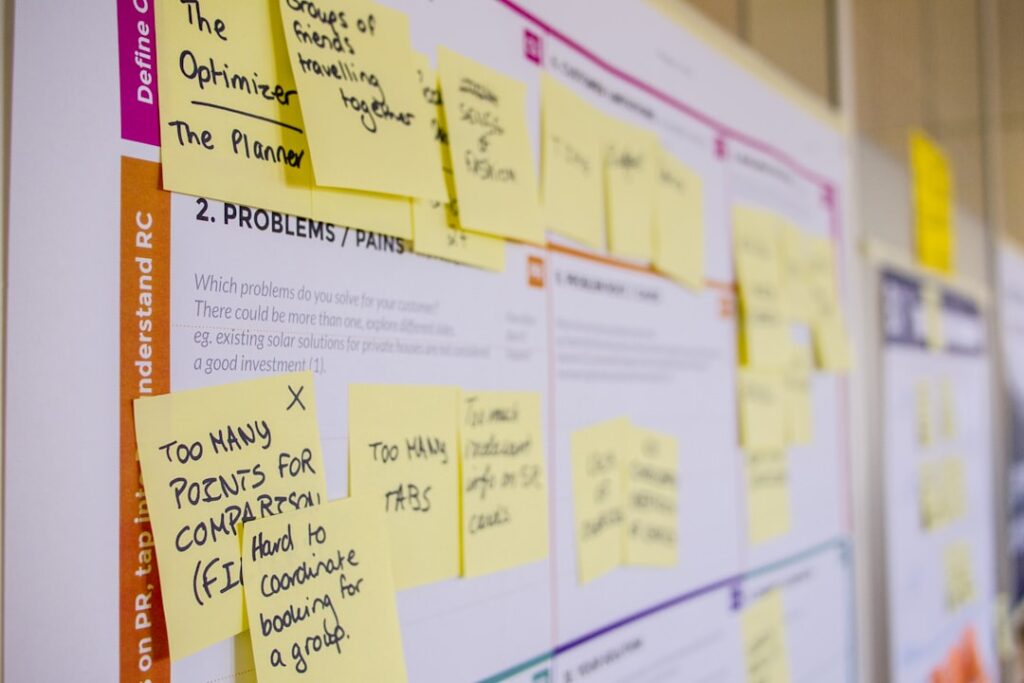
Lean UX is a design methodology that emphasizes collaboration, rapid experimentation, and user feedback to create products that meet user needs effectively. Rooted in the principles of Lean Startup, Lean UX seeks to minimize waste in the design process by focusing on delivering value to users as quickly as possible. This approach is particularly beneficial in environments where speed and adaptability are crucial, such as startups or organizations undergoing digital transformation.
By prioritizing user experience and iterative design, Lean UX fosters a culture of continuous improvement and innovation. At its core, Lean UX shifts the focus from deliverables to outcomes. Traditional UX design often revolves around creating extensive documentation and final products, which can lead to lengthy development cycles and misalignment with user needs.
In contrast, Lean UX encourages teams to create minimum viable products (MVPs) that can be tested and refined based on real user interactions. This iterative process allows designers and developers to validate assumptions early and often, ensuring that the final product is not only functional but also resonates with its intended audience.
Key Takeaways
- Lean UX is a user experience design approach that focuses on reducing waste and maximizing value for the user through rapid iteration and collaboration.
- The principles of Lean UX include cross-functional teams, shared understanding, and a focus on outcomes over outputs.
- Applying Lean principles to improve user experience involves continuous testing, learning, and iterating to create a more user-centric design.
- The benefits of Lean UX include faster time to market, reduced risk, and a more responsive and adaptable design process.
- The Lean UX process involves defining the problem, creating a hypothesis, building a minimum viable product (MVP), and testing with real users to gather feedback and iterate on the design.
The Principles of Lean UX
The principles of Lean UX are grounded in three key tenets: collaboration, experimentation, and user-centered design. Collaboration is essential in Lean UX, as it brings together cross-functional teams that include designers, developers, product managers, and stakeholders. This diverse group works together throughout the design process, fostering a shared understanding of user needs and business goals.
By breaking down silos and encouraging open communication, teams can leverage each member’s expertise to create more effective solutions. Experimentation is another cornerstone of Lean UX. This principle advocates for a mindset of testing hypotheses through rapid prototyping and user feedback.
Instead of investing significant time and resources into a single design solution, teams are encouraged to create multiple iterations of a product or feature. These prototypes can range from low-fidelity wireframes to high-fidelity interactive models, allowing teams to gather insights on user behavior and preferences. By embracing a culture of experimentation, organizations can pivot quickly based on user feedback, ultimately leading to more successful products.
User-centered design is the third principle that underpins Lean UX. This approach places the user at the forefront of the design process, ensuring that their needs and pain points are addressed throughout development. By conducting user research, such as interviews or usability testing, teams can gain valuable insights into how users interact with their products.
This information informs design decisions and helps create solutions that are not only functional but also enjoyable to use. By prioritizing the user experience, organizations can build products that foster loyalty and satisfaction.
Applying Lean Principles to Improve User Experience

Applying Lean principles to improve user experience involves integrating the core tenets of Lean UX into every stage of the design process. One effective method is to start with a clear understanding of the problem space through user research. This initial phase should involve gathering qualitative and quantitative data about users’ needs, behaviors, and pain points.
Techniques such as surveys, interviews, and observational studies can provide valuable insights that inform the design direction. Once the problem space is defined, teams can begin brainstorming potential solutions through collaborative workshops or design sprints. These sessions encourage creativity and allow team members to generate a wide range of ideas without judgment.
After identifying promising concepts, teams can create low-fidelity prototypes to visualize their ideas quickly. These prototypes can then be tested with real users to gather feedback on usability and functionality. By iterating on these designs based on user input, teams can refine their solutions before investing in more polished versions.
Another critical aspect of applying Lean principles is establishing metrics for success early in the process. Defining key performance indicators (KPIs) related to user engagement, satisfaction, or conversion rates allows teams to measure the impact of their design decisions objectively. By continuously monitoring these metrics throughout the development cycle, organizations can make data-driven adjustments that enhance the overall user experience.
The Benefits of Lean UX
The benefits of Lean UX extend beyond just improved user experiences; they also encompass enhanced team dynamics and increased organizational agility. One significant advantage is the reduction of wasted resources. By focusing on rapid prototyping and iterative testing, teams can identify ineffective designs early in the process, preventing costly rework later on.
This efficiency not only saves time but also allows organizations to allocate resources more effectively toward initiatives that drive value.
When team members from different disciplines come together to solve problems, they bring diverse perspectives that can lead to more creative solutions.
This collaborative environment encourages open communication and knowledge sharing, which can enhance team morale and productivity. As team members feel more invested in the design process, they are likely to take greater ownership of their work and contribute more meaningfully to the project’s success. Moreover, Lean UX promotes a strong focus on user feedback, which leads to products that better meet user needs.
By continuously engaging with users throughout the design process, organizations can ensure that their solutions are not only functional but also resonate with their target audience. This alignment with user expectations can result in higher satisfaction rates and increased customer loyalty over time.
The Lean UX Process
The Lean UX process typically follows a cyclical framework that emphasizes continuous learning and adaptation. It begins with defining a problem statement or hypothesis based on user research insights. This initial step sets the stage for subsequent activities by clarifying what the team aims to achieve through their design efforts.
Following this definition phase, teams move into ideation, where they brainstorm potential solutions collaboratively. This stage often involves sketching ideas or creating low-fidelity prototypes that can be quickly tested with users. The goal is to generate a variety of concepts that address the identified problem while remaining open to feedback and iteration.
Once prototypes are developed, they undergo usability testing with real users. This testing phase is crucial for gathering insights into how users interact with the designs and identifying areas for improvement. Based on this feedback, teams iterate on their prototypes, refining them until they align closely with user needs.
The cycle continues as teams implement their refined designs into production while monitoring key performance indicators (KPIs) to assess their impact on user experience. This ongoing evaluation allows organizations to make data-driven decisions about future iterations or enhancements.
Case Studies of Successful Lean UX Implementation

Intuit’s Success Story: Revamping TurboTax
Intuit, a financial software company, faced challenges related to user engagement and satisfaction with its flagship product TurboTax. By adopting Lean UX practices, Intuit conducted extensive user research and employed rapid prototyping techniques to identify pain points within the TurboTax interface. The team created low-fidelity prototypes that were tested with users in real-time scenarios, allowing them to gather immediate feedback on usability issues. This iterative process led to significant improvements in the product’s interface, resulting in higher customer satisfaction ratings and increased usage rates during tax season.
Zappos’ Commitment to Exceptional Customer Experiences
Zappos, an online retailer, embraced Lean UX principles as part of its commitment to delivering exceptional customer experiences. By focusing on rapid experimentation and continuous feedback loops, Zappos was able to optimize its website’s navigation and checkout processes significantly. Through A/B testing various design elements and gathering insights from customer interactions, Zappos identified key areas for improvement that directly impacted conversion rates.
Data-Driven Decision Making with Lean UX
The iterative nature of Lean UX allowed Zappos to make data-driven decisions quickly while ensuring that changes aligned with customer preferences. By adopting Lean UX principles, organizations like Intuit and Zappos have successfully enhanced their product development processes, leading to improved user experiences and increased customer satisfaction.
Challenges and Pitfalls of Lean UX
While Lean UX offers numerous advantages, it is not without its challenges and potential pitfalls. One common issue organizations face is resistance to change from team members accustomed to traditional design methodologies. Shifting from a deliverables-focused mindset to an outcome-oriented approach requires cultural buy-in across all levels of an organization.
Without strong leadership support and clear communication about the benefits of Lean UX, teams may struggle to adopt new practices effectively. Another challenge lies in balancing speed with quality during the iterative design process.
This can lead to suboptimal designs that fail to address critical user needs or usability issues effectively. Additionally, organizations may encounter difficulties in establishing effective metrics for success within a Lean UX framework. Defining relevant KPIs that accurately reflect user engagement or satisfaction can be complex, especially when dealing with multifaceted products or services.
Without clear metrics in place, teams may find it challenging to assess the impact of their design decisions objectively.
Tips for Implementing Lean UX in Your Organization
To successfully implement Lean UX within an organization, several strategies can help facilitate the transition toward this collaborative design approach. First and foremost, fostering a culture of experimentation is essential. Encourage team members to embrace failure as an opportunity for learning rather than a setback.
By creating an environment where experimentation is valued, organizations can empower teams to take risks and explore innovative solutions without fear of repercussions. Another critical tip is to prioritize cross-functional collaboration throughout the design process. Involve stakeholders from various departments—such as marketing, development, and customer support—early on in discussions about user needs and business goals.
This collaborative approach ensures that diverse perspectives are considered when making design decisions while promoting shared ownership of outcomes. Establishing clear metrics for success is also vital for measuring progress within a Lean UX framework. Define KPIs related to user engagement or satisfaction early in the process so that teams have concrete goals to work toward during iterations.
Regularly review these metrics as part of ongoing evaluations to ensure alignment with user needs. Lastly, invest in training and resources that support team members’ understanding of Lean UX principles and practices. Providing workshops or access to relevant literature can help build knowledge around effective methodologies while equipping teams with tools for successful implementation.
By embracing these strategies, organizations can navigate potential challenges associated with adopting Lean UX while reaping its many benefits—ultimately leading to improved user experiences and greater organizational agility in an ever-evolving digital landscape.
If you’re interested in learning more about Lean UX and how it can improve user experience, check out this article on hellread.com. This website offers a variety of insightful articles on design principles and user experience strategies. One article that may be of interest is “Hello World: A Beginner’s Guide to User Experience Design” which provides a comprehensive overview of the basics of UX design.
FAQs
What is Lean UX?
Lean UX is a user experience design approach that incorporates the principles of Lean methodology, focusing on delivering value to the user with minimal waste. It emphasizes rapid iteration, collaboration, and a focus on the user’s needs.
What are the key principles of Lean UX?
The key principles of Lean UX include: 1) Cross-functional collaboration, 2) Rapid iteration, 3) Validated learning, 4) Problem-focused approach, and 5) Minimizing waste.
How does Lean UX differ from traditional UX design?
Traditional UX design often involves extensive upfront research, detailed documentation, and a linear design process. In contrast, Lean UX emphasizes quick iterations, collaboration, and a focus on delivering value to the user.
What are the benefits of applying Lean UX principles?
Some of the benefits of applying Lean UX principles include: 1) Faster time to market, 2) Increased collaboration and communication, 3) Greater flexibility and adaptability, and 4) A focus on delivering value to the user.
How can Lean UX be applied in a team or organization?
Lean UX can be applied in a team or organization by fostering a culture of collaboration, conducting rapid experiments, and focusing on delivering value to the user. It also involves embracing uncertainty and being open to change.




