

“Code Complete,” authored by Steve McConnell, is a seminal work in the field of software development that has influenced countless programmers and software engineers since its first publication in 1993. The book serves as a comprehensive guide to software construction, emphasizing the importance of writing high-quality code and the methodologies that can be employed to achieve this goal. McConnell’s insights are not merely theoretical; they are grounded in practical experience and research, making the book a valuable resource for both novice and seasoned developers.
The text delves into various aspects of coding, from design principles to debugging techniques, providing a holistic view of what it means to construct software effectively. The significance of “Code Complete” extends beyond its pages; it has become a cornerstone in software engineering education and practice. The book is often recommended in academic curricula and professional training programs, highlighting its relevance in an ever-evolving industry.
McConnell’s writing is characterized by clarity and depth, making complex concepts accessible to readers with varying levels of expertise.
Key Takeaways
- Code Complete is a comprehensive guide to software construction, covering everything from coding to testing and debugging.
- Software construction is a critical phase in software development, as it directly impacts the quality and maintainability of the final product.
- The principles of software construction include understanding requirements, designing for change, and managing complexity.
- Best practices for writing high-quality code include using meaningful names, writing clear comments, and following coding standards.
- Code Complete’s approach to software construction emphasizes thorough planning, continuous testing, and regular code reviews to ensure high-quality code.
The Importance of Software Construction
The High Stakes of Software Construction
In an era where software underpins nearly every aspect of modern life—from banking systems to healthcare applications—the stakes are higher than ever. A single flaw in the code can have far-reaching consequences, making it imperative for developers to prioritize quality during the construction phase.
The Long-Term Benefits of Well-Constructed Code
Well-constructed code is easier to read, understand, and modify, which is essential for long-term maintenance. As projects evolve, new features are added, and existing ones are modified; having a solid foundation allows teams to adapt without incurring excessive technical debt. This adaptability is particularly vital in agile development environments, where rapid iterations and continuous integration are commonplace.
Ensuring Robust and Flexible Products
By investing time and effort into high-quality software construction, teams can ensure that their products remain robust and flexible in the face of changing requirements.
The Principles of Software Construction

At the heart of effective software construction lie several key principles that guide developers in their coding practices. One fundamental principle is the concept of modularity. By breaking down a program into smaller, self-contained modules or components, developers can isolate functionality and reduce complexity.
This modular approach not only enhances readability but also facilitates testing and debugging. Each module can be developed and tested independently, allowing for more efficient identification of issues and easier integration into the larger system. Another essential principle is the importance of clarity in code.
Code should be written in a way that is easily understandable by others (and by the original author at a later date). This involves using meaningful variable names, consistent formatting, and clear comments where necessary. Clarity reduces cognitive load for anyone reading the code, making it easier to identify potential problems or areas for improvement.
Additionally, adhering to established coding standards can promote consistency across a codebase, further enhancing readability and maintainability.
Best Practices for Writing High-Quality Code
Writing high-quality code involves adhering to a set of best practices that have been developed over years of experience in the field. One such practice is the use of version control systems (VCS), such as Git. VCS allows developers to track changes to their codebase over time, facilitating collaboration among team members and providing a safety net against accidental data loss.
By maintaining a history of changes, developers can easily revert to previous versions if necessary, making it easier to manage complex projects. Another best practice is the implementation of automated testing. Writing unit tests for individual components ensures that they function as intended before being integrated into the larger system.
Automated tests can catch regressions early in the development process, saving time and resources in the long run. Additionally, employing continuous integration (CI) practices allows teams to automatically run tests whenever changes are made to the codebase, ensuring that new code does not introduce unforeseen issues.
Code Complete’s Approach to Software Construction
“Code Complete” offers a structured approach to software construction that emphasizes both theoretical foundations and practical applications. McConnell advocates for a disciplined approach to coding that incorporates best practices while also allowing for creativity and innovation. One of the book’s key contributions is its focus on the importance of design before coding begins.
McConnell argues that spending time on design can significantly reduce the amount of rework required later in the development process. The book also highlights the significance of iterative development.
This method allows for regular feedback from stakeholders and users, enabling teams to make adjustments based on real-world usage rather than assumptions made during the initial design phase. By embracing an iterative mindset, developers can create more user-centered products that better meet the needs of their audience.
Tools and Techniques for Improving Code Quality
Streamlining the Coding Process
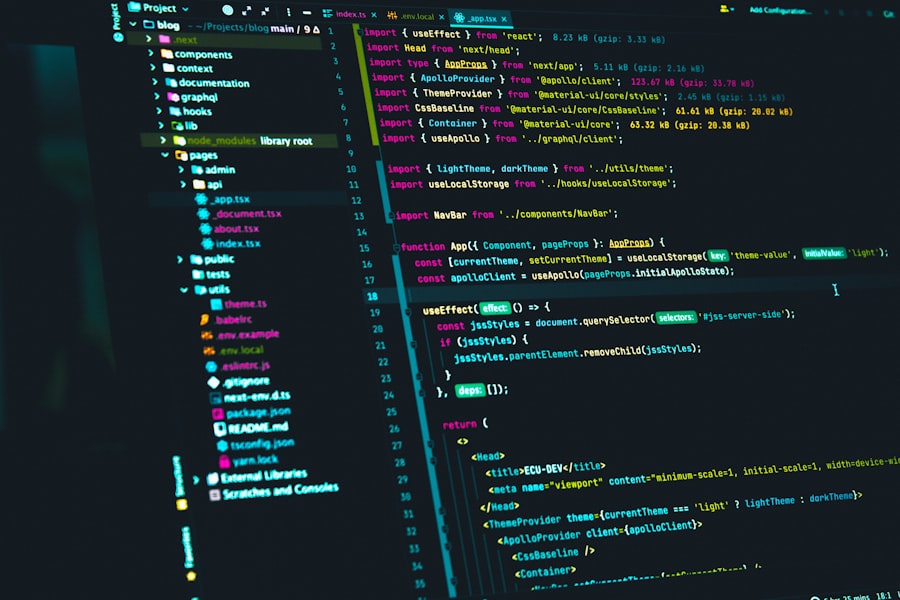
Integrated Development Environments (IDEs) such as Visual Studio or IntelliJ IDEA provide features like syntax highlighting, code completion, and real-time error detection that help developers write better code more efficiently. These tools often come equipped with built-in linters that enforce coding standards and best practices, ensuring that code adheres to established guidelines.
Identifying Potential Issues with Static Analysis
Static analysis tools are another valuable resource for improving code quality. These tools analyze source code without executing it, identifying potential vulnerabilities or areas for improvement based on predefined rules. For instance, tools like SonarQube or ESLint can detect issues such as code smells or security vulnerabilities before they become problematic in production environments.
Proactive Quality Control
By integrating these tools into the development workflow, teams can proactively address quality concerns rather than waiting for issues to arise during testing or after deployment.
Managing Complexity in Software Construction
As software systems grow in size and complexity, managing that complexity becomes a critical challenge for developers. One effective strategy for managing complexity is adopting design patterns—proven solutions to common problems encountered during software development. Design patterns provide a shared vocabulary among developers and offer tried-and-true approaches for structuring code in a way that enhances maintainability and scalability.
Another approach to managing complexity is through documentation. Comprehensive documentation serves as a roadmap for both current team members and future developers who may work on the project. It should include not only technical specifications but also architectural decisions and rationale behind design choices.
By documenting these aspects thoroughly, teams can ensure continuity even as personnel changes occur over time.
Conclusion and Recommendations
In summary, “Code Complete” stands as an essential resource for anyone involved in software development, offering invaluable insights into the principles and practices that underpin effective software construction. The importance of high-quality code cannot be overstated; it directly influences not only the immediate functionality of applications but also their long-term viability and maintainability. By adhering to best practices such as modularity, clarity, version control, automated testing, and leveraging tools designed to enhance code quality, developers can significantly improve their coding outcomes.
For those looking to deepen their understanding of software construction, engaging with “Code Complete” is highly recommended. Its structured approach provides both theoretical knowledge and practical guidance that can be applied across various programming languages and paradigms. As technology continues to evolve at a rapid pace, embracing these principles will be crucial for developing robust software solutions that meet the demands of users while navigating the complexities inherent in modern software development.
If you are interested in software development and looking to expand your knowledge beyond Code Complete: A Practical Handbook of Software Construction By Steve McConnell, you may want to check out the article “Hello World: A Beginner’s Guide to Programming” on hellread.com. This article provides a comprehensive introduction to programming for beginners, covering basic concepts and practical tips to help you get started on your coding journey. It can be a great supplement to McConnell’s book, offering a fresh perspective and additional resources for those looking to enhance their programming skills.
FAQs
What is “Code Complete” by Steve McConnell?
“Code Complete” is a comprehensive handbook of software construction written by Steve McConnell. It provides practical advice and best practices for software developers to improve their coding skills and produce high-quality software.
What topics are covered in “Code Complete”?
“Code Complete” covers a wide range of topics related to software construction, including design, coding, debugging, testing, and maintenance. It also addresses software development methodologies, project management, and team collaboration.
Who is the author of “Code Complete”?
The author of “Code Complete” is Steve McConnell, a software engineer, author, and speaker known for his expertise in software development best practices. McConnell has written several influential books on software engineering and is the founder of Construx, a software consulting and training company.
What makes “Code Complete” a valuable resource for software developers?
“Code Complete” is considered a valuable resource for software developers because it offers practical, evidence-based guidance on all aspects of software construction. The book is well-researched and provides actionable advice that can help developers improve their coding skills and produce more reliable, maintainable software.
Is “Code Complete” suitable for beginners in software development?
“Code Complete” is suitable for both beginners and experienced software developers. While some sections may be more advanced, the book is written in a clear and accessible style, making it valuable for developers at all levels of experience.




