
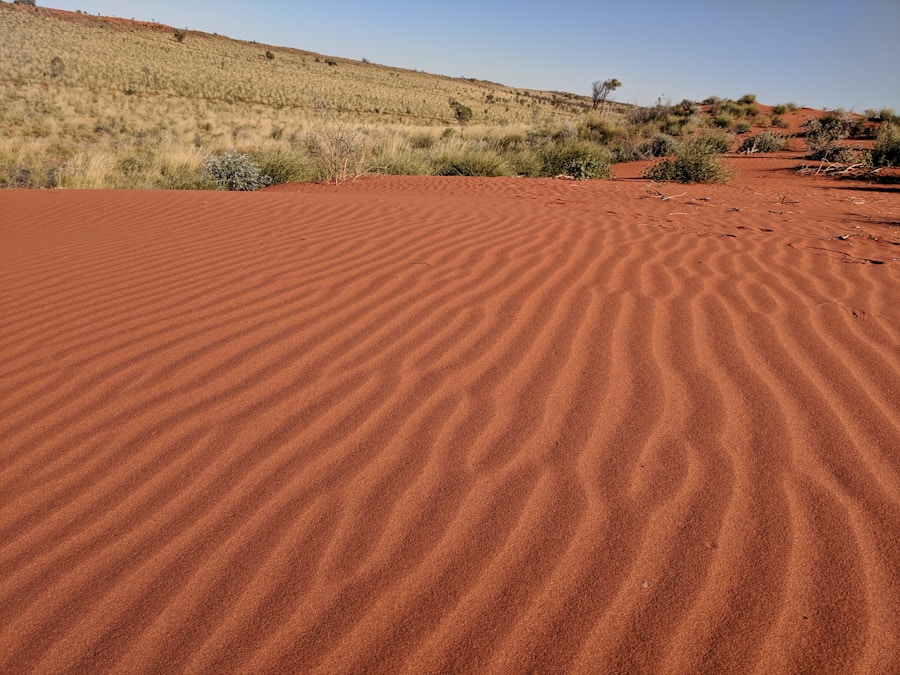
“Tracks,” a memoir penned by Robyn Davidson, chronicles her extraordinary journey across the Australian desert with a caravan of camels. First published in 1980, the book captures not only the physical challenges of traversing the arid landscape but also the emotional and psychological trials that accompany such an endeavor. Davidson’s narrative is a vivid tapestry woven from her experiences, thoughts, and reflections during her trek from Alice Springs to the Indian Ocean.
The memoir gained significant attention for its raw honesty and evocative prose, resonating with readers who are drawn to tales of adventure and self-discovery. The genesis of “Tracks” can be traced back to Davidson’s desire for independence and her quest for a deeper understanding of herself and the world around her. At a time when societal expectations often confined women to traditional roles, Davidson’s decision to embark on a solo journey through one of the most inhospitable terrains on Earth was revolutionary.
Her story is not merely about physical endurance; it is also a profound exploration of identity, freedom, and the connection between humans and nature. The book’s impact has endured over the decades, inspiring countless individuals to seek their own paths of exploration and self-realization.
Key Takeaways
- “Tracks” is the true story of Robyn Davidson’s 1,700-mile journey across the Australian Outback with her four camels.
- Robyn Davidson’s journey was a personal quest for self-discovery and a desire to escape the constraints of modern society.
- The camels played a crucial role in Robyn’s journey, providing her with companionship and a means of transportation through the harsh Outback terrain.
- Robyn faced numerous challenges during her journey, including extreme weather, isolation, and encounters with dangerous wildlife.
- Along the way, Robyn encountered various individuals who offered her support, guidance, and friendship, shaping her perspective on human connection and kindness.
Robyn Davidson’s Journey
Robyn Davidson’s journey began in 1977 when she set out from Alice Springs, armed with little more than her determination and a handful of supplies. The initial stages of her trek were marked by uncertainty and trepidation, as she navigated the vast expanse of the Australian outback. Davidson’s choice to travel with camels was both practical and symbolic; these resilient animals are well-suited to the harsh desert environment, and their presence allowed her to forge a unique bond with them.
Each camel had its own personality, and Davidson learned to understand their needs and behaviors, which became integral to her survival. As she traversed the rugged terrain, Davidson encountered not only the physical challenges posed by the environment but also moments of profound introspection. The solitude of the outback provided her with ample opportunity to reflect on her life, her relationships, and her place in the world.
The journey was not just a physical one; it was also an emotional odyssey that forced her to confront her fears and insecurities. Through her writing, Davidson captures these moments of vulnerability, allowing readers to connect with her on a deeply personal level.
The Camels and the Outback

The camels that accompanied Davidson on her journey were not merely pack animals; they were companions that played a crucial role in her adventure. Davidson chose to work with camels because they are well-adapted to arid environments, capable of enduring long periods without water and able to carry heavy loads across challenging terrain. Each camel had its own distinct personality, which Davidson learned to appreciate as she spent countless hours in their company.
She named them—Bully, Zeleika, and others—imbuing them with individuality that transcended their roles as mere beasts of burden. The outback itself is a character in “Tracks,” shaping Davidson’s experiences and influencing her emotional state throughout the journey. The vastness of the landscape can be both awe-inspiring and intimidating; its beauty is juxtaposed with its harshness.
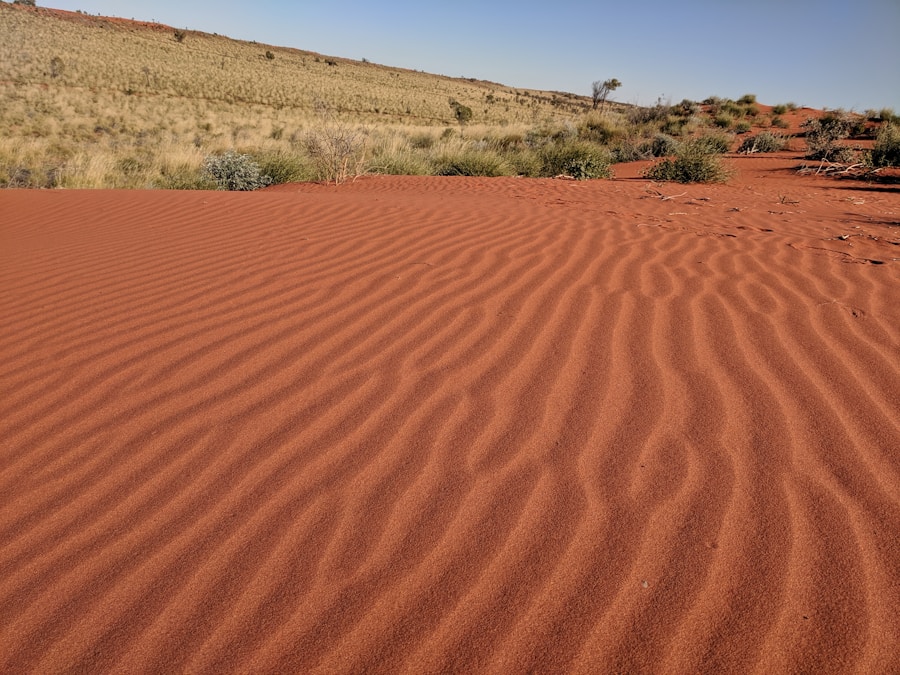
Davidson describes the shifting colors of the desert at sunrise and sunset, the stark silence that envelops her during long stretches of solitude, and the unpredictable weather that can turn from scorching heat to sudden storms. This relationship between Davidson and the outback is complex; it is a source of both challenge and solace, reflecting her internal struggles as she navigates both the physical landscape and her own psyche. (Source: Goodreads)
The Challenges of the Journey
Davidson’s trek was fraught with challenges that tested her resilience at every turn. The physical demands of walking long distances in extreme heat were compounded by the need to care for her camels and manage her supplies. Water scarcity was a constant concern; she had to plan her route meticulously to ensure she could access water sources along the way.
This logistical aspect of her journey required not only physical endurance but also strategic thinking and adaptability. Moreover, Davidson faced psychological challenges that were equally daunting. The isolation of the outback often led to feelings of loneliness and despair.
There were moments when she questioned her decision to undertake such a monumental task, grappling with self-doubt and fear. Yet, it was through these struggles that she found strength and clarity. Each challenge became an opportunity for growth, pushing her beyond her perceived limits.
Davidson’s candid reflections on these hardships provide readers with insight into the mental fortitude required for such an undertaking, illustrating that true adventure often lies in confronting one’s fears head-on.
The People Along the Way
While much of “Tracks” focuses on Davidson’s solitary journey, it also highlights the interactions she had with various people along the way. These encounters added depth to her experience, offering moments of connection amidst the vastness of the desert. From local Indigenous Australians who shared their knowledge of the land to fellow travelers who offered companionship or assistance, each person left an imprint on Davidson’s journey.
One particularly poignant encounter was with a group of Aboriginal people who welcomed her into their community. Their stories and perspectives on the land enriched Davidson’s understanding of Australia’s cultural heritage and deepened her appreciation for the landscape she was traversing. These interactions served as reminders that while she was physically alone in the outback, she was part of a larger tapestry of human experience.
The relationships she formed along the way underscored the importance of community and connection, even in the most remote settings.
The Impact of Tracks
A Literary Masterpiece
The memoir has been lauded for its lyrical prose and vivid imagery, transporting readers into the heart of the Australian outback while simultaneously inviting them to reflect on their own lives.
A Broader Impact
The book’s influence extends beyond literature; it has sparked discussions about gender roles, independence, and the relationship between humans and nature. Davidson’s story challenges traditional notions of femininity by presenting a woman who defies societal expectations in pursuit of her dreams.
A Timeless Inspiration
“Tracks” serves as a testament to the transformative power of exploration—both external and internal—and continues to inspire new generations.
Robyn Davidson’s Legacy
Robyn Davidson’s legacy is multifaceted, encompassing not only her literary contributions but also her role as an advocate for environmental awareness and Indigenous rights. Following the success of “Tracks,” she continued to write about her experiences and engage in discussions surrounding issues related to land use, conservation, and cultural heritage. Her work has shed light on the importance of preserving Australia’s unique landscapes and respecting Indigenous knowledge systems.
Davidson’s influence extends into contemporary discussions about adventure travel and personal exploration. She has become a symbol of resilience and independence for many women who seek to carve their own paths in life. Her story encourages individuals to embrace their passions, confront their fears, and pursue their dreams—no matter how daunting they may seem.
Through her writing and advocacy, Davidson has left an indelible mark on both literature and society, inspiring others to embark on their own journeys toward self-discovery.
Exploring the Themes of Tracks
The themes woven throughout “Tracks” are rich and varied, reflecting both Davidson’s personal journey and broader societal issues.
This exploration is particularly resonant for readers who have faced similar struggles in defining themselves amidst external pressures.
Another significant theme is the relationship between humans and nature. Davidson’s deep connection with the land is evident throughout her narrative; she describes not only its beauty but also its harsh realities. This relationship serves as a reminder of humanity’s place within the natural world—a theme that resonates strongly in today’s context of environmental challenges.
Through her experiences with camels and encounters with Indigenous Australians, Davidson emphasizes the importance of understanding and respecting nature rather than conquering it. Additionally, “Tracks” delves into themes of solitude and companionship. While Davidson often finds herself alone in the vastness of the desert, it is through moments of connection with others that she gains insight into herself and her journey.
This duality highlights the complexity of human experience—the balance between solitude as a means for introspection and connection as a source of strength. In summary, “Tracks” is not just a memoir about an extraordinary journey; it is a profound exploration of identity, nature, resilience, and human connection that continues to resonate with readers around the world.
If you enjoyed reading Tracks by Robyn Davidson, you may also be interested in checking out this article on Hellread titled Hello World. This article explores the concept of venturing into the unknown and embarking on new journeys, much like Davidson did in her epic trek across the Australian desert. It delves into the themes of self-discovery, resilience, and the transformative power of travel. So, if you’re looking for more inspiration and adventure, be sure to give this article a read!
FAQs
What is the book “Tracks” by Robyn Davidson about?
The book “Tracks” by Robyn Davidson is a memoir that recounts the author’s 1,700-mile trek across the Australian desert with her dog and four camels.
When was “Tracks” by Robyn Davidson published?
“Tracks” by Robyn Davidson was first published in 1980.
Is “Tracks” by Robyn Davidson a true story?
Yes, “Tracks” by Robyn Davidson is a true story based on the author’s own experiences and journey across the Australian desert.
What inspired Robyn Davidson to undertake her journey across the Australian desert?
Robyn Davidson was inspired to undertake her journey across the Australian desert by her love for animals and her desire for solitude and self-discovery.
What are some themes explored in “Tracks” by Robyn Davidson?
Some of the themes explored in “Tracks” by Robyn Davidson include adventure, survival, solitude, and the relationship between humans and animals.
Has “Tracks” by Robyn Davidson been adapted into a film?
Yes, “Tracks” by Robyn Davidson has been adapted into a film. The movie, also titled “Tracks,” was released in 2013 and stars Mia Wasikowska as Robyn Davidson.




