
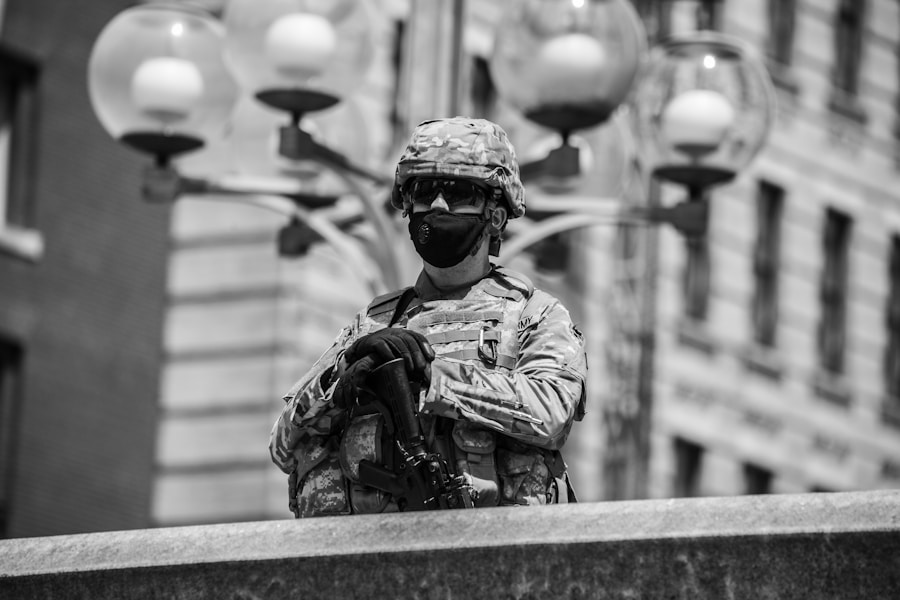
Covert regime change refers to the clandestine efforts undertaken by a state or non-state actor to overthrow or destabilize a government without overt military intervention. This practice often involves a combination of espionage, propaganda, financial support for opposition groups, and other forms of subterfuge. The motivations behind such actions can vary widely, ranging from ideological goals to strategic interests, and they often reflect a desire to reshape the political landscape of a targeted nation.
Covert regime change is characterized by its secretive nature, which allows the intervening party to maintain plausible deniability while pursuing its objectives. The implications of covert regime change are profound and multifaceted. On one hand, it can lead to the establishment of governments that align more closely with the interests of the intervening power.
On the other hand, it can result in significant instability, violence, and long-term consequences for the affected nation. The complexity of these operations often leads to unintended outcomes, raising questions about the efficacy and morality of such interventions. As global dynamics continue to evolve, understanding the historical context and contemporary relevance of covert regime change becomes increasingly important.
Key Takeaways
- Covert regime change refers to the secret and often illegal efforts to overthrow a government and install a new one without the knowledge or consent of the targeted country’s citizens.
- Covert regime change has a long history, with examples dating back to ancient times, but it became more prevalent in the 20th century with the rise of modern intelligence agencies and global power struggles.
- The United States has played a significant role in covert regime change, often using its intelligence agencies to support or orchestrate coups and revolutions in various countries around the world.
- Covert regime change can have devastating impacts on targeted countries, leading to political instability, violence, and long-term social and economic consequences.
- The ethics and legality of covert regime change are highly debated, with many arguing that it violates international law and undermines the sovereignty of nations. The Cold War and modern-day implications continue to shape the discourse around covert regime change.
The History of Covert Regime Change
Iran: The Overthrow of Mohammad Mossadegh
One of the earliest examples of covert regime change occurred when the CIA orchestrated the democratically elected Prime Minister of Iran, Mohammad Mossadegh, in 1953. Mossadegh had nationalized the Iranian oil industry, which threatened Western interests, particularly those of Britain and the United States. The operation, known as Operation Ajax, involved a combination of propaganda, bribery, and mobilization of street protests, ultimately leading to the reinstatement of the Shah, Mohammad Reza Pahlavi.
Chile: The Coup Against Salvador Allende
Another significant instance occurred in 1973 when the CIA played a crucial role in the coup that ousted Chilean President Salvador Allende. Allende was the first Marxist to be elected president in a country with a liberal democracy. His government implemented sweeping reforms that alarmed both domestic elites and foreign investors. The U.S. government viewed Allende’s presidency as a potential threat to regional stability and American interests in Latin America.
Covert Regime Change as a Tool of Foreign Policy
These historical examples illustrate how covert regime change has been employed as a tool of foreign policy to protect perceived national interests.
The Role of America in Covert Regime Change
The United States has been one of the most prominent actors in the realm of covert regime change throughout the 20th century and into the 21st century. The rationale behind these interventions often stemmed from a desire to contain communism during the Cold War or to promote democracy and stability in regions deemed strategically important. The U.S. government has utilized various agencies, most notably the CIA, to carry out these operations, often justifying them under the guise of national security.
S. corporate interests. Similarly, in 1980s Nicaragua, the U.S. supported the Contras in their efforts to overthrow the Sandinista government, which was perceived as too leftist and aligned with Soviet interests. These interventions have often been shrouded in secrecy and have involved complex networks of local collaborators and international allies. The legacy of these actions has left deep scars on the political landscapes of these nations and has often fueled anti-American sentiment.
The Impact of Covert Regime Change on Targeted Countries
The consequences of covert regime change are often dire and far-reaching for the targeted countries. In many cases, these interventions have led to prolonged periods of instability, violence, and civil conflict. For instance, after the overthrow of Allende in Chile, General Pinochet’s regime was marked by widespread human rights abuses, including torture and extrajudicial killings.
The political repression that followed created a climate of fear that stifled dissent and led to significant social divisions within Chilean society. In Iran, the reinstatement of the Shah after Operation Ajax resulted in decades of authoritarian rule characterized by political repression and social unrest. The discontent that brewed under his regime ultimately culminated in the Islamic Revolution of 1979, which not only overthrew the Shah but also established a theocratic government that remains in power today.
This revolution had profound implications for U.S.-Iran relations and contributed to ongoing tensions in the Middle East. Moreover, covert regime changes can create power vacuums that lead to chaos and conflict among rival factions within a country. In Libya, for example, NATO’s intervention in 2011 led to the ousting of Muammar Gaddafi but also resulted in a fragmented state plagued by civil war and competing militias.
The absence of a stable government allowed extremist groups to gain a foothold, further complicating an already volatile situation.
The Ethics and Legality of Covert Regime Change
The ethics and legality surrounding covert regime change are contentious issues that provoke intense debate among scholars, policymakers, and human rights advocates. Critics argue that such actions violate international law principles regarding sovereignty and non-interference in domestic affairs. The United Nations Charter explicitly prohibits member states from using force against the territorial integrity or political independence of any state unless authorized by the Security Council or in self-defense.
From an ethical standpoint, covert regime change raises questions about accountability and moral responsibility. The human cost associated with these interventions is often significant, with civilian casualties and long-term societal disruptions being common outcomes. Furthermore, the lack of transparency surrounding these operations can lead to abuses of power and a disregard for democratic principles.
Proponents may argue that such actions are justified when they aim to prevent greater evils or promote democracy; however, this utilitarian perspective is frequently challenged by those who emphasize respect for national sovereignty and human rights.
The Cold War and Covert Regime Change
The Fear of Communist Expansion
The fear of communist expansion led to numerous interventions across Latin America, Africa, Asia, and even Europe as both superpowers sought to expand their spheres of influence.
Covert Operations and Human Rights Abuses
The U.S., viewing itself as a bulwark against communism, engaged in various covert operations aimed at undermining leftist governments or movements. One notable example is Operation Condor, a campaign initiated in the 1970s involving several South American dictatorships collaborating with U.S. support to eliminate leftist opposition through assassination and repression. This operation resulted in deaths and disappearances across countries like Argentina, Chile, Uruguay, Paraguay, and Brazil.
Lasting Legacy of Covert Regime Changes
The legacy of Cold War-era covert regime changes continues to shape international relations today. Many countries that experienced U.S.-backed interventions have struggled with political instability and social divisions long after the Cold War ended. The repercussions are still felt in contemporary geopolitics as nations grapple with their historical narratives and seek paths toward reconciliation or reform.
Modern-Day Implications of Covert Regime Change
In recent years, covert regime change has evolved alongside advancements in technology and changes in global politics. While traditional methods such as espionage and direct support for opposition groups remain relevant, new tools like cyber warfare and information manipulation have emerged as critical components of modern interventions. The rise of social media has transformed how narratives are constructed and disseminated, allowing for more sophisticated forms of propaganda that can influence public opinion both domestically and internationally.
The Arab Spring serves as a contemporary example where calls for regime change were fueled by grassroots movements but also attracted external interests seeking to exploit these uprisings for their own geopolitical objectives. In Libya, NATO’s intervention was framed as a humanitarian effort to protect civilians from Gaddafi’s forces; however, it also reflected broader strategic interests in reshaping North Africa’s political landscape. The aftermath has been tumultuous, with ongoing conflicts highlighting the complexities involved in such interventions.
Moreover, recent events in Ukraine illustrate how covert actions can escalate into larger conflicts with global ramifications. Russia’s annexation of Crimea in 2014 was preceded by covert operations aimed at destabilizing Ukraine’s pro-Western government. This situation underscores how modern-day covert regime changes can have far-reaching consequences not only for targeted nations but also for international stability as rival powers vie for influence.
Conclusion and Reflections on Covert Regime Change
Covert regime change remains a contentious aspect of international relations that raises critical questions about ethics, legality, and long-term consequences for affected nations. While proponents may argue for its necessity in certain contexts—particularly when confronting authoritarian regimes or preventing humanitarian crises—the historical record reveals a pattern of unintended consequences that often exacerbate existing tensions rather than resolve them. As global dynamics continue to shift in an increasingly multipolar world, understanding the implications of past covert actions is essential for informing future policy decisions.
The lessons learned from historical interventions should guide contemporary approaches toward diplomacy and conflict resolution that prioritize respect for sovereignty and human rights over clandestine operations aimed at regime change. Ultimately, fostering stability through dialogue rather than subterfuge may prove more effective in achieving lasting peace and security on a global scale.
If you are interested in covert operations and regime change, you may also want to check out an article on hellread.com that discusses the impact of covert actions on global politics. This article delves into the complexities of clandestine operations and their long-lasting effects on international relations. It provides a deeper understanding of the strategies and motivations behind covert regime change, shedding light on the hidden aspects of America’s secret Cold War.
FAQs
What is Covert Regime Change?
Covert regime change refers to the secret and clandestine efforts by a foreign government to overthrow or undermine the leadership of another country without openly declaring war or using conventional military force.
What is “America’s Secret Cold War”?
“America’s Secret Cold War” refers to the period of covert operations and clandestine activities conducted by the United States during the Cold War era, particularly aimed at influencing political outcomes in other countries through covert regime change efforts.
Who is Lindsey O’Rourke?
Lindsey O’Rourke is a political scientist and author who has conducted extensive research on covert regime change and the United States’ secret Cold War activities.
What are some examples of Covert Regime Change by America during the Cold War?
Examples of covert regime change by America during the Cold War include the CIA-led coup in Iran in 1953, the Bay of Pigs invasion in Cuba in 1961, and the support for anti-communist forces in countries such as Guatemala and Nicaragua.
What are the implications of Covert Regime Change on international relations?
Covert regime change can have significant implications for international relations, as it can lead to mistrust and hostility between countries involved. It can also have long-lasting effects on the political stability and governance of the targeted countries.




