
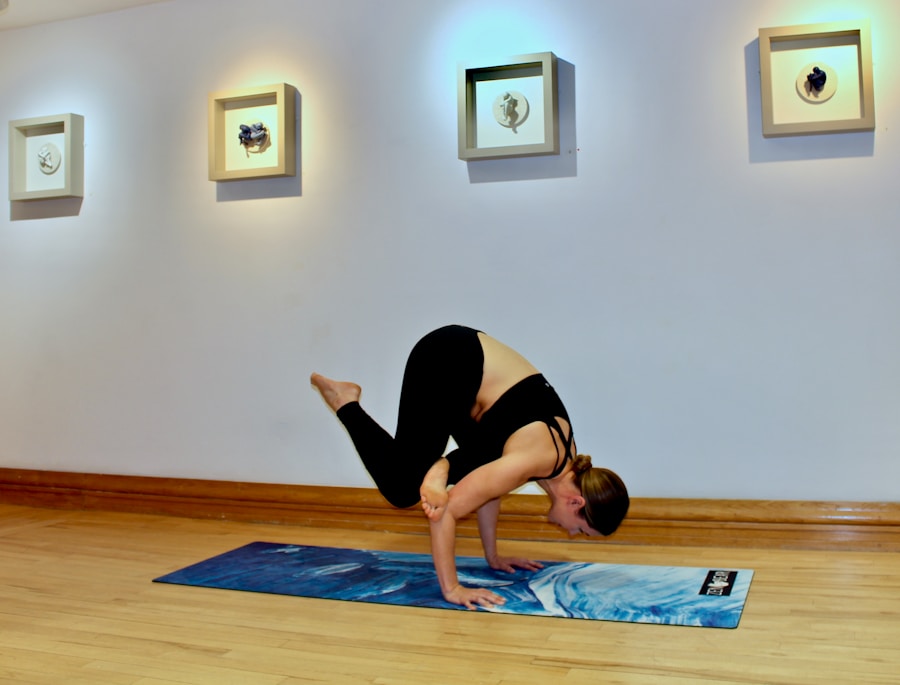
Yoga, an ancient practice rooted in Indian philosophy, has gained significant traction in the realm of sports and athletics over the past few decades. Traditionally associated with spiritual growth and meditation, yoga has evolved into a multifaceted discipline that offers a plethora of physical and mental benefits tailored to the needs of athletes. As the competitive landscape of sports continues to intensify, athletes are increasingly seeking holistic approaches to enhance their performance, recover from injuries, and maintain overall well-being.
This is where yoga comes into play, providing a unique blend of strength, flexibility, and mindfulness that can complement traditional training regimens. The integration of yoga into athletic training is not merely a trend; it is supported by a growing body of research that highlights its efficacy in improving performance metrics across various sports. From professional athletes to weekend warriors, individuals are discovering that yoga can serve as a powerful tool for enhancing physical capabilities while also fostering mental resilience.
Key Takeaways
- Yoga can benefit athletes by improving strength, flexibility, mental focus, and stress relief.
- Yoga poses such as downward dog, warrior poses, and pigeon pose can help athletes improve strength and flexibility.
- Breathing techniques such as ujjayi breath and alternate nostril breathing can enhance athletic performance and reduce stress.
- Yoga can help prevent and rehabilitate injuries by improving balance, stability, and flexibility.
- Incorporating yoga into an athletic training routine can help athletes improve overall performance and well-being.
Benefits of Yoga for Athletes
The benefits of yoga for athletes extend far beyond mere physical enhancement. One of the most significant advantages is the improvement in flexibility, which is crucial for optimal performance in nearly every sport. Increased flexibility allows for a greater range of motion in joints and muscles, reducing the risk of strains and injuries.
For instance, a runner who incorporates yoga into their routine may find that their stride lengthens and their overall efficiency improves, leading to better race times. Similarly, a gymnast can benefit from enhanced flexibility, allowing for more complex movements and improved execution. In addition to physical benefits, yoga also plays a pivotal role in mental conditioning.
The practice emphasizes mindfulness and concentration, which can help athletes maintain focus during high-pressure situations. Techniques such as meditation and breath control foster a sense of calm and clarity, enabling athletes to perform at their best even when faced with distractions or stressors. For example, a basketball player might use breathing techniques learned in yoga to center themselves before taking a crucial free throw, thereby enhancing their chances of success.
Furthermore, the meditative aspects of yoga can aid in recovery by promoting relaxation and reducing anxiety levels, which are often heightened during competitive seasons.
Yoga Poses for Strength and Flexibility

When it comes to specific yoga poses that cater to the needs of athletes, several stand out for their ability to build strength while enhancing flexibility. One such pose is the Warrior II (Virabhadrasana II), which not only strengthens the legs and core but also opens up the hips and chest. This pose is particularly beneficial for athletes involved in sports that require lower body strength and stability, such as soccer or basketball.
By holding Warrior II, athletes can develop endurance in their legs while simultaneously improving their balance and coordination. Another essential pose is Downward-Facing Dog (Adho Mukha Svanasana), which serves as a full-body stretch that targets multiple muscle groups. This pose elongates the spine, stretches the hamstrings and calves, and strengthens the shoulders and arms.
For athletes who spend long hours training or competing, Downward-Facing Dog can alleviate tension and promote recovery by increasing blood flow to fatigued muscles. Additionally, the pose encourages proper alignment and posture, which are critical for preventing injuries during athletic activities.
Breathing Techniques for Athletic Performance
Breath control is a fundamental aspect of yoga that can significantly enhance athletic performance. Techniques such as Ujjayi breath, or “victorious breath,” involve inhaling deeply through the nose while constricting the throat slightly to create a soft sound during exhalation. This method not only helps regulate breath but also increases oxygen intake, which is vital during intense physical exertion.
Athletes who practice Ujjayi breath often report improved stamina and endurance, allowing them to push through challenging workouts or competitions with greater ease. Another effective breathing technique is diaphragmatic breathing, which focuses on engaging the diaphragm fully rather than shallow chest breathing.
By incorporating diaphragmatic breathing into their warm-up routines, athletes can enter their events with a calm mind and a focused approach. For instance, a swimmer might use this technique to steady their nerves before diving into the pool, ensuring they are mentally prepared for the race ahead.
Yoga for Injury Prevention and Rehabilitation
Injury prevention is a critical concern for athletes at all levels, and yoga offers valuable tools to mitigate this risk. The emphasis on alignment and body awareness in yoga helps athletes develop a deeper understanding of their physical limitations and capabilities. By practicing poses that promote balance and stability, such as Tree Pose (Vrksasana) or Half Moon Pose (Ardha Chandrasana), athletes can strengthen stabilizing muscles that are often overlooked in traditional training programs.
This proactive approach not only enhances performance but also reduces the likelihood of injuries caused by muscle imbalances or poor biomechanics. In cases where injuries do occur, yoga can play a vital role in rehabilitation. Many physical therapists incorporate yoga principles into recovery programs due to its gentle yet effective nature.
Poses can be modified to accommodate specific injuries while still promoting healing and strength building. For example, an athlete recovering from a knee injury might focus on seated poses that strengthen the surrounding muscles without placing undue stress on the joint. Additionally, restorative yoga practices can aid in pain management by promoting relaxation and reducing inflammation.
Yoga for Mental Focus and Stress Relief

Mental Focus and Stress Relief
Yoga provides numerous techniques to enhance mental focus and relieve stress, both of which are essential for peak performance. Mindfulness meditation, a common practice within yoga, encourages athletes to cultivate present-moment awareness.
Heightened State of Consciousness
This heightened state of consciousness allows them to tune into their bodies and thoughts without judgment, fostering clarity and concentration during competition. Moreover, yoga’s emphasis on relaxation techniques can significantly reduce stress levels that often accompany rigorous training schedules or competitive events.
Recharging Mental Batteries)
Practices such as Savasana (Corpse Pose) allow athletes to unwind both physically and mentally after intense workouts or competitions. By dedicating time to relaxation, athletes can recharge their mental batteries, leading to improved focus and performance in subsequent training sessions or events.
Incorporating Yoga into an Athletic Training Routine
Integrating yoga into an athletic training routine does not require extensive time commitments; even short sessions can yield substantial benefits. Athletes can begin by dedicating one or two days per week to focused yoga practice, gradually increasing frequency as they become more comfortable with the poses and techniques. Many athletes find that incorporating yoga as part of their warm-up or cool-down routines enhances their overall training experience.
For instance, an athlete might start each training session with a series of sun salutations to warm up their muscles while promoting flexibility. Alternatively, they could conclude their workouts with restorative poses to aid recovery and relaxation. Additionally, participating in group yoga classes can foster camaraderie among teammates while providing an opportunity to learn from experienced instructors who can offer personalized guidance on alignment and technique.
Conclusion and Additional Resources for Yoga and Athletes
As athletes continue to explore holistic approaches to enhance their performance and well-being, yoga stands out as a versatile practice that addresses both physical and mental aspects of athleticism. The myriad benefits it offers—ranging from improved flexibility and strength to enhanced focus and stress relief—make it an invaluable addition to any training regimen. Athletes looking to delve deeper into the world of yoga can find numerous resources available online or through local studios that cater specifically to sports enthusiasts.
Books such as “Yoga for Athletes” by Sage Rountree provide tailored sequences designed for various sports, while online platforms like YogaGlo offer classes specifically aimed at enhancing athletic performance. Additionally, many professional sports teams have begun incorporating yoga into their training programs, further validating its effectiveness in optimizing performance and recovery. By embracing yoga as part of their training routine, athletes can unlock new levels of potential while fostering a deeper connection between mind and body—an essential element for success in any sport.
If you are interested in learning more about how yoga can benefit athletes, check out this article on hellread.com. The article discusses the various ways in which yoga can improve an athlete’s performance, flexibility, and mental focus. It also provides tips on incorporating yoga into a training routine for maximum benefits. Additionally, you may want to read the article on hellread.com for more insights on the topic.
FAQs
What is yoga for athletes?
Yoga for athletes is a specialized form of yoga that is designed to help athletes improve their performance, prevent injuries, and enhance their overall well-being. It focuses on specific poses and sequences that target areas of the body that are commonly overused or prone to injury in various sports.
What are the benefits of yoga for athletes?
Yoga for athletes can help improve flexibility, strength, balance, and mental focus. It can also aid in recovery, reduce the risk of injury, and promote overall relaxation and stress reduction.
How does yoga for athletes differ from regular yoga?
Yoga for athletes is tailored to address the specific needs and challenges that athletes face, such as tight muscles, overuse injuries, and the mental demands of competition. It often incorporates poses and sequences that are designed to complement and enhance athletic training.
Who can benefit from yoga for athletes?
Athletes of all levels and in various sports can benefit from yoga for athletes. It can be particularly beneficial for those looking to improve their performance, prevent injuries, and enhance their overall well-being.
Is yoga for athletes suitable for beginners?
Yes, yoga for athletes can be suitable for beginners, as well as experienced yogis. It can be adapted to meet the needs and abilities of individuals at different levels of fitness and flexibility.




