

Self-compassion is a psychological construct that involves treating oneself with kindness, understanding, and support during times of suffering or perceived inadequacy. It is rooted in the idea that everyone experiences pain, failure, and disappointment, and thus, it is essential to respond to these experiences with a nurturing attitude rather than self-criticism. The concept was popularized by Dr.
Kristin Neff, who defines self-compassion as comprising three main components: self-kindness, common humanity, and mindfulness. Self-kindness refers to being warm and understanding toward oneself when encountering difficult situations, rather than harshly judging oneself. Common humanity emphasizes the recognition that suffering and personal inadequacy are part of the shared human experience, which helps individuals feel less isolated in their struggles.
Mindfulness involves maintaining a balanced awareness of one’s emotions, allowing for a non-judgmental acknowledgment of one’s thoughts and feelings. The practice of self-compassion encourages individuals to embrace their imperfections and vulnerabilities, fostering a more resilient mindset. Unlike self-esteem, which often hinges on external validation and comparisons with others, self-compassion is an internal resource that promotes emotional well-being regardless of external circumstances.
By cultivating self-compassion, individuals can develop a healthier relationship with themselves, leading to improved mental health outcomes and greater overall life satisfaction. This approach not only aids in coping with personal challenges but also enhances one’s ability to connect with others empathetically.
Key Takeaways
- Self-compassion is the practice of treating oneself with kindness, understanding, and acceptance in times of struggle or failure.
- Practicing self-compassion can lead to reduced anxiety, depression, and stress, as well as increased resilience and overall well-being.
- Cultivating self-compassion involves mindfulness, self-kindness, and common humanity, and can be achieved through various exercises and techniques.
- The three elements of self-compassion are self-kindness, common humanity, and mindfulness, which work together to foster a compassionate mindset.
- Self-compassion differs from self-esteem in that it does not depend on success or positive self-evaluations, and can coexist with self-esteem.
- Overcoming obstacles to self-compassion involves recognizing and challenging self-critical thoughts, practicing self-compassion exercises, and seeking support from others.
- Self-compassion in relationships and parenting involves extending the same kindness and understanding to oneself as one would to a loved one, and can lead to healthier and more fulfilling relationships.
- Incorporating self-compassion into daily life can be achieved through self-compassion meditations, self-care practices, and mindful self-compassion exercises.
The Benefits of Practicing Self-Compassion
Practicing self-compassion has been linked to numerous psychological benefits that contribute to overall well-being. Research indicates that individuals who engage in self-compassionate practices tend to experience lower levels of anxiety and depression. This is largely because self-compassion provides a buffer against negative emotions by fostering a more forgiving and understanding attitude toward oneself.
When faced with failure or disappointment, self-compassionate individuals are less likely to ruminate on their shortcomings; instead, they acknowledge their feelings without becoming overwhelmed by them. This ability to process emotions in a healthy manner can lead to improved emotional regulation and resilience. Moreover, self-compassion has been shown to enhance motivation and personal growth.
Contrary to the misconception that self-compassion leads to complacency, studies reveal that individuals who practice self-compassion are more likely to set realistic goals and pursue them with determination. This is because self-compassion allows for a balanced perspective on one’s abilities and limitations, enabling individuals to learn from their mistakes without falling into the trap of self-criticism. As a result, they are more inclined to take constructive feedback positively and use it as a stepping stone for improvement rather than as a source of shame or defeat.
How to Cultivate Self-Compassion
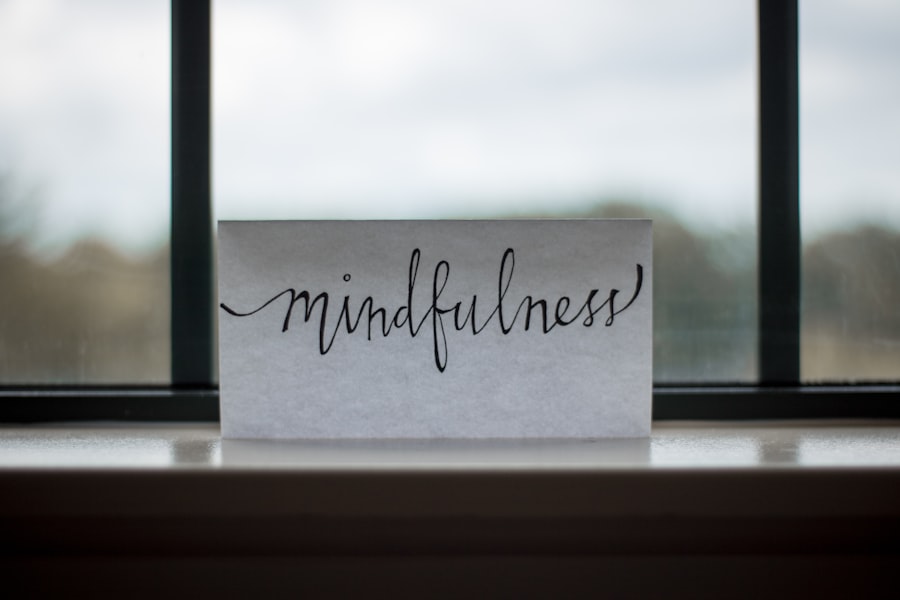
Cultivating self-compassion is a deliberate process that requires practice and intention. One effective way to begin this journey is through mindfulness meditation, which encourages individuals to observe their thoughts and feelings without judgment. By creating a space for self-reflection, mindfulness allows individuals to recognize moments of suffering or inadequacy without becoming engulfed by negative emotions.
This practice can be as simple as dedicating a few minutes each day to sit quietly, focusing on the breath, and acknowledging any feelings of discomfort or distress that arise. Another powerful technique for fostering self-compassion is the practice of self-kindness through positive affirmations and compassionate self-talk. When faced with challenges or setbacks, individuals can consciously replace critical inner dialogue with supportive statements.
For instance, instead of thinking, “I’m such a failure,” one might reframe this thought as, “It’s okay to make mistakes; I’m doing my best.” Writing down these affirmations and revisiting them regularly can reinforce a compassionate mindset over time. Additionally, journaling about one’s experiences can help clarify feelings and promote a deeper understanding of oneself, further enhancing the capacity for self-compassion.
The Three Elements of Self-Compassion
The three core elements of self-compassion—self-kindness, common humanity, and mindfulness—work synergistically to create a holistic approach to emotional well-being. Self-kindness involves treating oneself with the same warmth and care that one would offer a friend in distress. This means acknowledging one’s pain without judgment and responding with gentleness rather than criticism.
For example, when experiencing failure at work, instead of berating oneself for not meeting expectations, an individual practicing self-kindness might reflect on the situation with understanding and recognize that everyone encounters setbacks. Common humanity serves as a reminder that suffering is an inherent part of the human experience. By recognizing that others also face challenges and imperfections, individuals can alleviate feelings of isolation and shame.
This perspective fosters connection and empathy toward oneself and others. For instance, when feeling inadequate in parenting or professional roles, acknowledging that many others share similar struggles can provide comfort and reduce the tendency to feel alone in one’s difficulties. Mindfulness is the third element of self-compassion, emphasizing the importance of being present with one’s thoughts and feelings without becoming overwhelmed by them.
Mindfulness encourages individuals to observe their emotional states with curiosity rather than judgment. This balanced awareness allows for a clearer understanding of one’s experiences and promotes emotional resilience. By integrating these three elements into daily life, individuals can cultivate a more compassionate relationship with themselves that supports mental health and personal growth.
While both self-compassion and self-esteem are related to how individuals perceive themselves, they differ significantly in their foundations and implications for mental health. Self-esteem typically revolves around evaluations of oneself based on external standards or comparisons with others. It often involves a fluctuating sense of worth that can be heavily influenced by achievements or social validation.
For instance, someone may feel high self-esteem after receiving praise at work but may experience a sharp decline in self-worth following criticism or failure. In contrast, self-compassion is rooted in an internal sense of acceptance that remains stable regardless of external circumstances. It encourages individuals to embrace their flaws and recognize their shared humanity rather than relying on external validation for self-worth.
This intrinsic quality makes self-compassion a more sustainable source of emotional resilience. Research has shown that individuals who practice self-compassion tend to have healthier coping mechanisms during difficult times compared to those who rely solely on self-esteem. They are less likely to engage in defensive behaviors or seek validation from others, leading to more authentic relationships and greater overall well-being.
Overcoming Obstacles to Self-Compassion
Despite its numerous benefits, many individuals encounter obstacles when attempting to practice self-compassion. One significant barrier is the pervasive societal belief that self-criticism is necessary for motivation and improvement. Many people have been conditioned to believe that harsh self-judgment will drive them to achieve their goals or correct their mistakes.
This mindset can create resistance to adopting a more compassionate approach toward oneself.
Another common obstacle is the fear of being perceived as weak or indulgent when practicing self-compassion.
Some individuals worry that embracing kindness toward themselves may lead to complacency or a lack of ambition. However, research indicates that self-compassion does not equate to laziness; rather, it fosters resilience and motivation by providing emotional support during challenging times. To overcome this fear, individuals can start by reframing their understanding of strength—recognizing that true strength lies in vulnerability and the ability to face one’s struggles with compassion rather than judgment.
Self-Compassion in Relationships and Parenting

Self-compassion plays a crucial role in fostering healthy relationships and effective parenting practices. When individuals cultivate self-compassion, they are better equipped to extend compassion toward others. This creates an environment where empathy flourishes, leading to deeper connections with friends, family members, and partners.
For instance, when conflicts arise in relationships, those who practice self-compassion are more likely to approach discussions with an open heart rather than defensiveness or blame. This openness allows for constructive communication and resolution rather than escalation. In the context of parenting, self-compassion can significantly impact how parents respond to their children’s needs and challenges.
Parents who practice self-compassion are more likely to model healthy emotional regulation for their children. They demonstrate how to cope with mistakes gracefully and encourage their children to embrace their imperfections as part of growing up. For example, when a child struggles academically or socially, a compassionate parent might acknowledge the child’s feelings while also reassuring them that everyone faces challenges at some point in life.
This approach not only nurtures the child’s emotional development but also fosters resilience as they learn to navigate their own difficulties.
Incorporating Self-Compassion into Daily Life
Incorporating self-compassion into daily life requires intentionality and practice but can lead to profound changes in one’s emotional landscape. One effective strategy is to establish daily rituals that promote mindfulness and reflection. Setting aside time each day for meditation or journaling can create opportunities for individuals to check in with themselves emotionally.
During these moments of reflection, they can acknowledge any feelings of stress or inadequacy while consciously choosing to respond with kindness. Another practical approach is to create reminders throughout the day that encourage self-compassionate thinking. This could involve placing sticky notes with affirmations around one’s living space or setting reminders on digital devices that prompt moments of reflection during busy schedules.
Engaging in activities that promote well-being—such as exercise, spending time in nature, or pursuing hobbies—can also enhance one’s capacity for self-compassion by fostering positive emotions. Ultimately, integrating self-compassion into daily life is about creating a supportive inner dialogue that nurtures emotional resilience and well-being over time.
If you’re interested in learning more about self-compassion and its benefits, you may want to check out this article on hellread.com. The article discusses the importance of being kind to yourself and how it can positively impact your mental health and overall well-being. Kristin Neff’s book, “Self-Compassion: The Proven Power of Being Kind to Yourself,” is a great resource for anyone looking to cultivate self-compassion in their lives.
FAQs
What is self-compassion?
Self-compassion is the practice of treating oneself with kindness, understanding, and acceptance, especially in the face of failure or suffering. It involves being mindful of one’s own emotions and experiences, and responding with warmth and empathy.
What are the components of self-compassion?
According to Kristin Neff, a leading researcher in the field, self-compassion consists of three main components: self-kindness, common humanity, and mindfulness. Self-kindness involves being understanding and supportive toward oneself, common humanity involves recognizing that suffering and failure are a normal part of the human experience, and mindfulness involves being aware of one’s own thoughts and feelings without judgment.
How does self-compassion differ from self-esteem?
Self-compassion and self-esteem are related but distinct concepts. While self-esteem involves evaluating oneself positively and feeling good about one’s worth and abilities, self-compassion involves being kind and understanding toward oneself, regardless of one’s perceived worth or abilities. Self-compassion is more stable and less contingent on success or failure than self-esteem.
What are the benefits of practicing self-compassion?
Research has shown that self-compassion is associated with greater psychological well-being, including lower levels of anxiety, depression, and stress. It is also linked to higher levels of resilience, motivation, and overall life satisfaction. Additionally, self-compassion has been found to be beneficial in the context of relationships, as it can lead to greater empathy and connection with others.
How can one cultivate self-compassion?
Cultivating self-compassion involves developing a mindset of kindness and understanding toward oneself. This can be achieved through practices such as self-compassion meditation, writing self-compassionate letters to oneself, and challenging self-critical thoughts. It also involves recognizing and acknowledging one’s own suffering and responding to it with the same care and concern that one would offer to a friend in a similar situation.




