
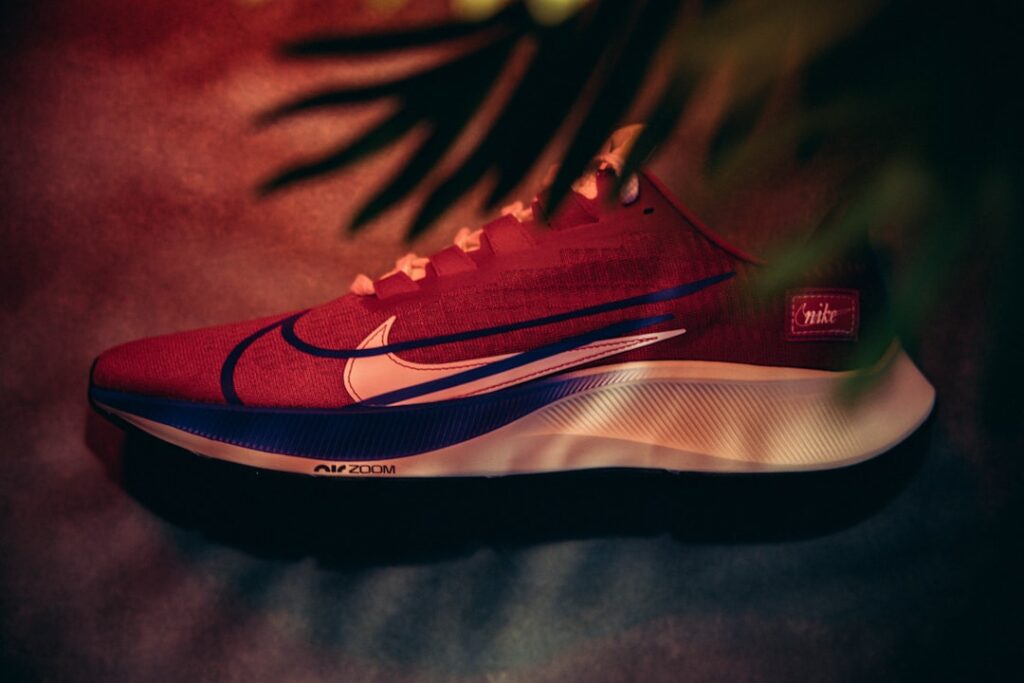
Phil Knight’s journey to becoming the founder of Nike is a compelling narrative that intertwines ambition, innovation, and a relentless pursuit of excellence. Born in 1938 in Portland, Oregon, Knight was raised in a middle-class family that valued hard work and education. After completing his undergraduate studies at the University of Oregon, where he was a middle-distance runner under the tutelage of legendary coach Bill Bowerman, Knight’s passion for athletics began to take shape.
However, it was during his time at Stanford University, where he earned an MBA, that the seeds of his entrepreneurial spirit were sown. Knight wrote a paper proposing the idea of importing high-quality, low-cost running shoes from Japan, a concept that would later evolve into the global powerhouse known as Nike. In 1964, Knight partnered with Bowerman to establish Blue Ribbon Sports, the precursor to Nike.
The duo began by selling Onitsuka Tiger shoes out of the trunk of Knight’s car at track meets. This grassroots approach not only allowed them to connect directly with athletes but also provided invaluable insights into the needs and preferences of their target market. The early days were marked by a combination of excitement and uncertainty, as Knight navigated the complexities of international trade and established relationships with Japanese manufacturers.
His vision was clear: to create a brand that would resonate with athletes and embody the spirit of competition. This vision would ultimately lay the foundation for what would become one of the most recognizable brands in the world.
Key Takeaways
- Nike’s founder, Phil Knight, started the company by selling shoes out of the trunk of his car, and his journey is a testament to the power of determination and hard work.
- Building the Nike brand faced early struggles and challenges, including financial difficulties and fierce competition, but Knight’s perseverance and belief in his vision helped the company overcome these obstacles.
- Perseverance and determination played a crucial role in Nike’s success, as Knight and his team continued to push forward despite setbacks and failures.
- Innovation and risk-taking were key factors in Nike’s growth, as the company constantly sought new technologies and designs to stay ahead of the competition.
- Partnerships and collaborations were instrumental in building Nike into a successful company, as the brand worked with athletes, designers, and other companies to create innovative products and marketing campaigns.
The early struggles and challenges of building a brand
The path to establishing Nike was fraught with challenges that tested Knight’s resolve and business acumen. In the initial years, Blue Ribbon Sports faced significant hurdles, including financial instability and fierce competition from established brands. The company relied heavily on Knight’s personal savings and loans from family and friends to keep operations afloat.
As they struggled to gain traction in a crowded market, Knight and Bowerman had to make difficult decisions regarding product offerings and marketing strategies. The duo’s commitment to quality and performance was unwavering, but they often found themselves at odds with their Japanese suppliers over pricing and production timelines. In 1971, a pivotal moment arrived when Knight decided to sever ties with Onitsuka Tiger due to growing tensions and a desire for greater control over their brand identity.
This decision led to the creation of the Nike brand, named after the Greek goddess of victory. The iconic Swoosh logo, designed by graphic design student Carolyn Davidson for a mere $35, became a symbol of athletic excellence and innovation.
Knight had to invest heavily in marketing to establish Nike’s presence in a competitive landscape dominated by giants like Adidas and Puma. The early advertising campaigns were bold and daring, emphasizing not just the products but also the lifestyle associated with athleticism.
The importance of perseverance and determination

Perseverance emerged as a defining characteristic of Phil Knight’s journey as he faced numerous setbacks on his path to success. The early years of Nike were marked by financial strain, with Knight often working long hours while juggling multiple responsibilities. He understood that building a brand required not only innovative products but also an unwavering commitment to overcoming obstacles.
This determination was evident when Nike faced legal battles with its former supplier, which threatened to derail the fledgling company. Instead of succumbing to adversity, Knight used these challenges as opportunities for growth, learning valuable lessons about negotiation and resilience. Knight’s tenacity was further exemplified during the 1980s when Nike experienced rapid growth but also faced criticism for its manufacturing practices overseas.
As public scrutiny intensified, Knight recognized the need for transparency and ethical practices within the supply chain. Rather than shying away from these issues, he embraced them head-on, implementing changes that would not only improve working conditions but also enhance Nike’s reputation as a socially responsible company. This commitment to perseverance extended beyond business challenges; it became ingrained in Nike’s corporate culture, inspiring employees and athletes alike to push their limits and strive for greatness.
The role of innovation and risk-taking in business
Innovation has been at the heart of Nike’s success story since its inception. Phil Knight understood that in order to stand out in a saturated market, he needed to embrace risk-taking and foster a culture of creativity within his organization. One of the most significant innovations came in the form of the Nike Air technology, which revolutionized athletic footwear by incorporating air cushioning into shoe designs.
This breakthrough not only enhanced performance but also set Nike apart from competitors who were slow to adapt to changing consumer preferences. Knight’s willingness to take risks extended beyond product development; it also encompassed marketing strategies that challenged conventional norms. The “Just Do It” campaign launched in 1988 is a prime example of this approach.
It resonated deeply with consumers by promoting empowerment and self-determination, transcending traditional advertising methods that focused solely on product features. This campaign not only solidified Nike’s brand identity but also established an emotional connection with athletes and fitness enthusiasts worldwide. By prioritizing innovation and embracing calculated risks, Knight positioned Nike as a leader in both performance technology and brand storytelling.
The impact of partnerships and collaborations in building a successful company
Partnerships have played a crucial role in Nike’s ascent to global prominence. From its early days collaborating with athletes like Steve Prefontaine to its later alliances with high-profile figures such as Michael Jordan, these relationships have been instrumental in shaping Nike’s brand image and expanding its reach. The partnership with Jordan led to the creation of the Air Jordan line, which not only revolutionized basketball footwear but also transformed sneaker culture as a whole.
This collaboration exemplified how aligning with influential figures could elevate a brand beyond mere products into a cultural phenomenon. Moreover, Nike has consistently sought partnerships that align with its values and mission. Collaborations with designers like Virgil Abloh and brands such as Off-White have allowed Nike to tap into new markets while maintaining its core identity.
These partnerships have not only introduced innovative designs but have also fostered inclusivity within the fashion industry by bridging the gap between sportswear and high fashion. By leveraging strategic collaborations, Nike has been able to stay relevant in an ever-evolving marketplace while reinforcing its commitment to creativity and diversity.
The evolution of the athletic footwear industry

The athletic footwear industry has undergone significant transformations since Phil Knight launched Blue Ribbon Sports in 1964. Initially dominated by a few key players, the market has expanded dramatically due to changing consumer preferences and advancements in technology. The rise of fitness culture in the 1980s paved the way for increased demand for specialized athletic footwear designed for various sports and activities.
As consumers became more health-conscious, brands began focusing on performance-enhancing features such as cushioning, support, and breathability.
The introduction of technologies like Flyknit and React foam has redefined comfort and performance standards in athletic footwear.
Additionally, the growing trend towards sustainability has prompted Nike to invest in eco-friendly materials and production processes, reflecting a broader shift within the industry towards responsible manufacturing practices. As competition intensifies with new entrants emerging from various corners of the globe, Nike remains committed to innovation while navigating the complexities of an ever-changing market landscape.
The personal and professional growth of Phil Knight
Phil Knight’s journey is not just one of business success; it is also a story of personal growth and transformation. Throughout his career, Knight faced numerous challenges that forced him to evolve both as an entrepreneur and as an individual. Early on, he grappled with self-doubt and uncertainty about his ability to lead a company effectively.
However, through perseverance and learning from failures, he developed a strong sense of leadership that emphasized collaboration and empowerment among his team members. Knight’s experiences also shaped his perspective on work-life balance and corporate responsibility. As Nike grew into a global giant, he recognized the importance of fostering a positive corporate culture that prioritized employee well-being alongside profitability.
This realization led him to implement initiatives aimed at promoting diversity, inclusion, and social responsibility within the organization. His personal growth journey culminated in his decision to step down as CEO in 2004 while remaining actively involved as chairman, allowing him to focus on mentorship and philanthropy—an evolution that reflects his commitment not only to business success but also to making a positive impact on society.
The legacy of Nike and its impact on the sports and fashion industries
Nike’s legacy extends far beyond its status as a leading athletic footwear brand; it has fundamentally reshaped both the sports and fashion industries over the decades. The company’s innovative approach to marketing has set new standards for how brands engage with consumers, emphasizing storytelling that resonates on an emotional level rather than merely promoting products. This shift has influenced countless other brands across various sectors, encouraging them to adopt similar strategies that prioritize authenticity and connection.
Moreover, Nike’s impact on fashion cannot be overstated. The blending of athletic wear with everyday fashion has given rise to athleisure—a trend that has transformed how people perceive sportswear in contemporary society. Collaborations with high-fashion designers have further blurred these lines, making sneakers not just functional items but coveted fashion statements embraced by celebrities and influencers alike.
As Nike continues to evolve while staying true to its core values of innovation and empowerment, its legacy will undoubtedly endure as a testament to what can be achieved through vision, determination, and an unwavering commitment to excellence in both sports and style.
If you enjoyed reading Shoe Dog by Phil Knight, you may also be interested in checking out this article on hellread.com that discusses the impact of entrepreneurship on society. The article delves into the challenges and rewards of starting a business, drawing parallels to Knight’s journey in building Nike. It offers valuable insights and inspiration for aspiring entrepreneurs looking to make their mark in the business world.
FAQs
What is Shoe Dog by Phil Knight about?
Shoe Dog is a memoir by Phil Knight, the co-founder and former CEO of Nike. The book details the early years of Nike, from its humble beginnings as Blue Ribbon Sports to its evolution into one of the world’s most iconic and successful brands.
When was Shoe Dog published?
Shoe Dog was published on April 26, 2016.
What is the main theme of Shoe Dog?
The main theme of Shoe Dog is the entrepreneurial journey of Phil Knight and the founding of Nike. It explores the challenges, triumphs, and personal growth experienced by Knight as he built the company from the ground up.
Is Shoe Dog a biography or a memoir?
Shoe Dog is a memoir, as it is written by Phil Knight himself and focuses on his personal experiences and reflections on the founding of Nike.
What is the significance of Shoe Dog in the business world?
Shoe Dog provides valuable insights into the entrepreneurial process, the challenges of building a successful business, and the determination required to overcome obstacles. It has been praised for its candid portrayal of the ups and downs of business and has become a popular read for aspiring entrepreneurs and business leaders.
Has Shoe Dog received any awards or recognition?
Shoe Dog was a New York Times bestseller and has received widespread acclaim for its compelling storytelling and valuable lessons on business and leadership.




