

“Born to Run,” a captivating narrative penned by Christopher McDougall, delves into the world of long-distance running, exploring not only the physical aspects of the sport but also the cultural and historical significance it holds. The book, published in 2009, has garnered a massive following, inspiring both seasoned athletes and casual joggers alike. McDougall embarks on a quest to uncover the secrets of the Tarahumara tribe, a group of indigenous people in Mexico known for their extraordinary running abilities.
Through vivid storytelling and engaging anecdotes, he examines the essence of running, questioning the modern approach to the sport and advocating for a return to more natural methods. The narrative is not merely a celebration of running; it is an exploration of human potential and endurance. McDougall’s journey takes him through the rugged terrain of the Copper Canyons, where he encounters not only the Tarahumara but also a diverse cast of characters, including elite ultrarunners and eccentric personalities.
The book intertwines personal stories with scientific insights, creating a rich tapestry that highlights the joy and freedom that running can bring. As readers traverse the pages, they are invited to reconsider their own relationship with running and to embrace the idea that perhaps we are all, in some way, “born to run.”
Key Takeaways
- “Born to Run” explores the world of ultra-running and the impact of modern running shoes on the sport.
- The Tarahumara tribe in Mexico is known for their incredible running abilities and endurance.
- The science of running is examined, including the biomechanics and physiology of the sport.
- Modern running shoes are questioned for their impact on running form and injury rates.
- Ultra running and endurance are discussed, highlighting the incredible feats of human endurance in the sport.
The Tarahumara Tribe
The Tarahumara tribe, or Rarámuri as they call themselves, resides in the remote canyons of Mexico’s Sierra Madre Occidental. Renowned for their remarkable endurance and ability to run long distances with apparent ease, the Tarahumara have become emblematic of what it means to be a natural runner. Their lifestyle is deeply intertwined with running; it is not merely a sport but a vital part of their culture and daily existence.
Traditionally, they engage in long-distance running as a means of transportation, communication, and even celebration.
McDougall’s exploration of the Tarahumara reveals much about their philosophy toward running.
They view it as a communal activity, often participating in races that can last for hours or even days. These events are not just competitions; they are social gatherings that strengthen community bonds and celebrate their heritage. The Tarahumara’s ability to run for such extended periods without succumbing to injury or fatigue challenges conventional wisdom about human limits.
Their lifestyle emphasizes a deep connection to nature, which is reflected in their running style—light, fluid, and instinctual. This connection serves as a reminder that running can be a joyous expression of freedom rather than a grueling chore.
The Science of Running
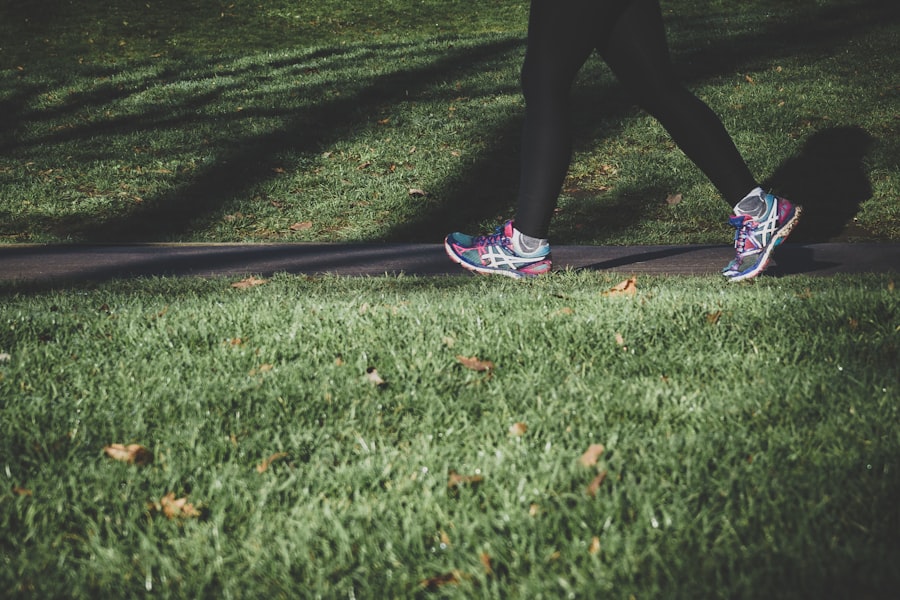
Understanding the science behind running is crucial for both athletes and enthusiasts seeking to improve their performance or simply enjoy the activity more fully. Biomechanics plays a significant role in how we run; it encompasses the study of movement and how our bodies interact with the ground. Factors such as stride length, cadence, and foot strike patterns can greatly influence efficiency and speed.
For instance, research has shown that runners who maintain a higher cadence—taking more steps per minute—tend to experience fewer injuries compared to those with longer strides. This insight underscores the importance of form and technique in enhancing performance while minimizing the risk of injury. Moreover, physiological aspects such as VO2 max—the maximum amount of oxygen an individual can utilize during intense exercise—are critical in determining an athlete’s endurance capabilities.
Training regimens that focus on increasing VO2 max through interval training or long-distance runs can significantly improve overall performance. Additionally, understanding how energy systems work during running can help athletes tailor their training to optimize performance. The body primarily relies on three energy systems: the phosphagen system for short bursts of speed, anaerobic glycolysis for moderate efforts, and aerobic metabolism for prolonged endurance activities.
By recognizing which energy system is engaged during different types of runs, athletes can better prepare themselves for races or training sessions.
The Impact of Modern Running Shoes
The advent of modern running shoes has revolutionized the sport, offering runners unprecedented levels of cushioning and support. However, this innovation has sparked considerable debate among athletes and experts alike regarding its impact on performance and injury rates. Many contemporary shoes are designed with advanced technologies aimed at reducing impact forces on joints and providing stability.
While these features can enhance comfort for some runners, they may also lead to a false sense of security, encouraging individuals to run with poor form or overexert themselves. Critics argue that excessive cushioning can mask the body’s natural feedback mechanisms, leading to an increased risk of injury over time. The Tarahumara tribe’s preference for minimalist footwear serves as a counterpoint to this trend; their simple sandals allow for greater sensory feedback from the ground, promoting a more natural running style.
Studies have indicated that runners who transition to minimalist shoes often experience improvements in form and reduced injury rates after an adjustment period. This raises important questions about how much technology should be integrated into running gear and whether it ultimately serves to enhance or hinder our innate abilities.
Ultra Running and Endurance
Ultra running, defined as any race longer than the traditional marathon distance of 26.2 miles, has gained immense popularity in recent years. Events can range from 50 kilometers to 100 miles or more, often taking place on rugged trails that test both physical and mental endurance. The allure of ultra running lies not only in the challenge it presents but also in the sense of community it fosters among participants.
Runners often share stories of personal triumphs and struggles during these grueling events, creating bonds that extend beyond the race itself. Training for ultra marathons requires a unique approach that emphasizes both physical preparation and mental resilience. Runners must develop strategies for pacing themselves over long distances while also learning how to manage nutrition and hydration effectively during races that can last for hours or even days.
The psychological aspect cannot be overlooked; many ultra runners speak about “the wall,” a point during a race where fatigue sets in and motivation wanes. Overcoming this mental barrier often becomes as crucial as physical training itself. The camaraderie found among ultra runners mirrors that of the Tarahumara tribe’s communal races, highlighting how shared experiences can elevate the human spirit.
The Role of Barefoot Running

Barefoot running has emerged as a popular movement within the running community, advocating for a return to more natural running practices reminiscent of our ancestors. Proponents argue that running without shoes allows for improved biomechanics, greater foot strength, and enhanced proprioception—the body’s ability to sense its position in space. This approach aligns closely with the practices of the Tarahumara tribe, who have thrived for generations using minimal footwear.
Runners often adopt a forefoot or midfoot strike pattern when barefoot, which can decrease impact forces compared to traditional heel striking associated with heavily cushioned shoes. However, transitioning requires patience and gradual adaptation; many runners experience discomfort or injury if they switch too quickly without allowing their bodies time to adjust.
The barefoot movement encourages individuals to reconnect with their bodies and rediscover the joy of running as a natural expression rather than a competitive endeavor.
The Caballo Blanco
Caballo Blanco, or Micah True, is a central figure in “Born to Run,” embodying the spirit of adventure and passion for running that permeates McDougall’s narrative. An enigmatic character who lived among the Tarahumara tribe for years, Caballo Blanco became known for his deep respect for their culture and his commitment to promoting their way of life through running events. He organized races in the Copper Canyons that brought together elite ultrarunners from around the world with local Tarahumara participants, fostering cross-cultural exchange and mutual respect.
Caballo Blanco’s philosophy centered around the idea that running should be an expression of joy rather than competition alone. He believed in embracing the journey rather than fixating solely on finishing times or rankings. His life was a testament to living authentically and pursuing one’s passions without compromise.
Tragically, Caballo Blanco passed away in 2012 while on a run in New Mexico, but his legacy endures through the stories he shared and the connections he fostered between cultures through the universal language of running.
Lessons from Born to Run
“Born to Run” offers profound insights into not only the mechanics of running but also its deeper significance within human culture. One key lesson is the importance of community; whether through shared experiences among ultrarunners or traditional races among the Tarahumara tribe, running serves as a powerful connector among individuals from diverse backgrounds. This sense of belonging can enhance motivation and foster resilience during challenging times.
Additionally, McDougall’s exploration encourages readers to reconsider their relationship with running itself—shifting from viewing it as a chore or obligation to embracing it as an opportunity for joy and self-discovery. The book advocates for listening to one’s body and respecting its limits while also pushing boundaries in pursuit of personal growth. Ultimately, “Born to Run” serves as an invitation to reconnect with our primal instincts as runners while celebrating the rich tapestry of human experience woven through this timeless activity.
If you enjoyed reading Born to Run by Christopher McDougall, you may also be interested in checking out this article on Hellread titled Hello World. This article explores the concept of pushing oneself to new limits and embracing challenges, much like the ultra-runners featured in McDougall’s book. It delves into the idea of breaking free from comfort zones and striving for personal growth through perseverance and determination.
FAQs
What is the book “Born to Run” about?
The book “Born to Run” by Christopher McDougall explores the world of ultra-distance running and the Tarahumara, a reclusive tribe of Mexican Indians known for their incredible running abilities.
Who is the author of “Born to Run”?
The author of “Born to Run” is Christopher McDougall, an American journalist and author.
What is the main theme of “Born to Run”?
The main theme of “Born to Run” is the exploration of human endurance and the potential for greatness in running, as well as the impact of modern running shoes on the sport.
What are some key takeaways from “Born to Run”?
Some key takeaways from “Born to Run” include the importance of natural running techniques, the benefits of minimalist footwear, and the potential for humans to excel in endurance running.
Is “Born to Run” based on true events?
Yes, “Born to Run” is based on true events and features real-life characters, including the author’s own experiences with running and the Tarahumara tribe.
What impact has “Born to Run” had on the running community?
“Born to Run” has had a significant impact on the running community, sparking a movement towards minimalist running shoes and a renewed interest in natural running techniques.




