
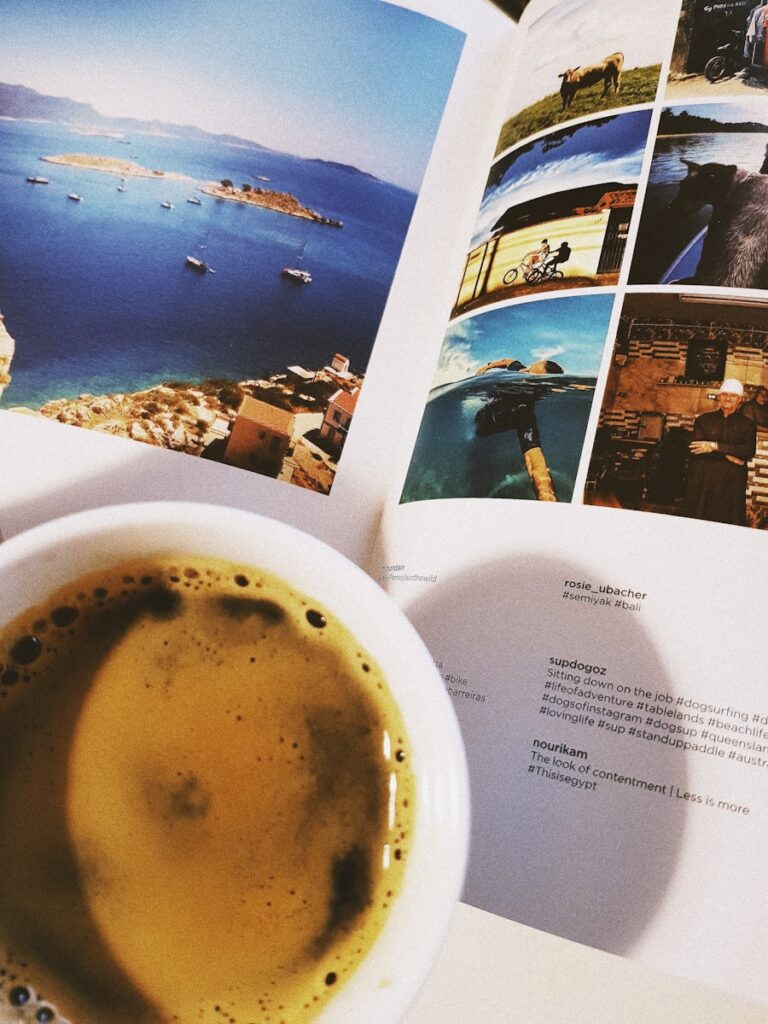
Travel photography is a captivating genre that allows individuals to capture the essence of their journeys, immortalizing moments that reflect the beauty and diversity of the world.
This book delves into various aspects of travel photography, from technical skills to creative storytelling, providing readers with the tools they need to elevate their photography game.
In an age where social media platforms are flooded with images from every corner of the globe, the importance of standing out has never been more critical. The Travel Photography Book emphasizes not just the technical aspects of photography but also the emotional connection that images can evoke. It encourages photographers to look beyond mere snapshots and to create visual narratives that resonate with viewers.
By exploring different cultures, landscapes, and experiences through the lens, photographers can share their unique perspectives and inspire others to embark on their own adventures.
Key Takeaways
- The Travel Photography Book is a comprehensive guide for capturing stunning travel photos and telling compelling stories through photography.
- Tips and techniques for capturing stunning travel photos include researching your destination, using the rule of thirds, and experimenting with different perspectives.
- Composition and framing in travel photography are essential for creating visually appealing and impactful images, including leading lines, framing techniques, and the use of negative space.
- Understanding light and its impact on travel photography is crucial for creating mood and atmosphere in your photos, including the golden hour, harsh light, and using natural light to your advantage.
- Gear and equipment recommendations for travel photography include versatile camera bodies, a selection of lenses, a sturdy tripod, and essential accessories for protecting your gear while on the road.
Tips and Techniques for Capturing Stunning Travel Photos
Capturing stunning travel photos requires a blend of technical knowledge and creative intuition. One of the fundamental tips for achieving remarkable images is to familiarize oneself with the camera settings. Understanding how to manipulate aperture, shutter speed, and ISO can significantly impact the quality of photographs.
For instance, a wide aperture (low f-stop number) can create a beautiful bokeh effect, isolating subjects against a softly blurred background. Conversely, a smaller aperture (high f-stop number) is ideal for landscape photography, ensuring that both foreground and background elements are in sharp focus. Another essential technique is to embrace spontaneity.
Travel often presents unexpected moments that can lead to breathtaking photographs. Whether it’s a local festival, an impromptu street performance, or a fleeting expression on a stranger’s face, being ready to capture these moments can result in powerful imagery. Photographers should always have their cameras accessible and be prepared to shoot at a moment’s notice.
This readiness not only enhances the chances of capturing unique moments but also encourages photographers to engage more deeply with their surroundings.
Composition and Framing in Travel Photography
Composition is a critical element in travel photography that can make or break an image. The rule of thirds is a foundational guideline that many photographers adhere to; it involves dividing the frame into a grid of nine equal parts and placing key elements along these lines or at their intersections. This technique creates balance and draws the viewer’s eye into the photograph.
For example, when photographing a stunning sunset over a mountain range, positioning the horizon along the top third of the frame can emphasize the vibrant colors of the sky while still showcasing the majestic peaks below. Framing is another powerful compositional tool that can add depth and context to travel photographs. Utilizing natural elements such as archways, doorways, or overhanging branches can create a frame within the frame, guiding the viewer’s gaze toward the subject.
This technique not only enhances visual interest but also provides a sense of place, allowing viewers to feel as though they are peering into a scene rather than simply observing it from afar. For instance, capturing a bustling market scene through an ornate doorway can convey both the vibrancy of the market and the architectural beauty of the location.
Understanding Light and its Impact on Travel Photography
Light is arguably one of the most crucial elements in photography, influencing mood, tone, and clarity. Understanding how to work with natural light can dramatically enhance travel photographs. The golden hour—shortly after sunrise and before sunset—offers soft, warm light that can transform ordinary scenes into extraordinary images.
Photographers should aim to schedule their shoots during these times to take advantage of this flattering light. For example, capturing a serene beach at sunset can result in ethereal images where the sky is painted in hues of orange and pink, reflecting beautifully on the water’s surface. Conversely, harsh midday sunlight can create unflattering shadows and overly bright highlights.
In such conditions, photographers might consider seeking shaded areas or using reflectors to diffuse light. Alternatively, they can embrace the challenge by experimenting with high-contrast images that highlight textures and patterns. For instance, photographing intricate details of a local artisan’s work under direct sunlight can create striking images that emphasize craftsmanship while playing with light and shadow.
Gear and Equipment Recommendations for Travel Photography
Selecting the right gear is essential for any travel photographer aiming to capture high-quality images while on the go. A versatile camera system is crucial; many photographers opt for mirrorless cameras due to their compact size and lightweight design without sacrificing image quality. Models like the Sony Alpha series or Fujifilm X series are popular choices among travelers for their portability and excellent performance in various lighting conditions.
In addition to the camera body, investing in a good lens is vital. A zoom lens with a focal range of 24-70mm is often recommended for travel photography as it provides flexibility for various shooting scenarios—from landscapes to portraits—without requiring frequent lens changes. Additionally, a prime lens with a wide aperture (such as 50mm f/1.8) can be invaluable for low-light situations or when seeking that beautiful bokeh effect in portraits.
Accessories also play an important role in enhancing travel photography experiences. A sturdy tripod is essential for long exposure shots or low-light conditions, while filters such as polarizers can help reduce glare and enhance colors in landscape photography. Furthermore, carrying extra batteries and memory cards ensures that photographers are always prepared for spontaneous moments without worrying about running out of power or storage space.
Post-Processing and Editing Tips for Travel Photos
Exposure and Contrast Adjustment
One fundamental aspect of editing is adjusting exposure and contrast; this can help bring out details in shadows and highlights that may have been lost during shooting.
Color Correction and Saturation
Color correction is another critical step in post-processing that can dramatically alter the mood of an image. Photographers should pay attention to white balance adjustments to ensure that colors appear natural and true to life. For example, if an image taken during sunset appears too warm or orange, adjusting the temperature slider can restore balance and make the colors more realistic. Additionally, applying subtle saturation boosts can enhance vibrant scenes without making them look unnatural.
Cropping and Composition
Cropping is also an essential editing technique that allows photographers to improve composition after the fact. By removing distracting elements from the edges of an image or re-centering subjects according to compositional rules, photographers can create more impactful visuals. However, it’s important to strike a balance; excessive cropping can lead to loss of detail or resolution, so careful consideration should be given before making significant adjustments.
Storytelling through Travel Photography
Travel photography transcends mere documentation; it serves as a powerful medium for storytelling. Each photograph has the potential to convey emotions, experiences, and cultural narratives that resonate with viewers on a personal level. To effectively tell stories through images, photographers should focus on capturing not just landscapes but also people and their interactions within those environments.
Portraits of locals engaged in daily activities can provide insight into their lives and cultures, creating a deeper connection between the viewer and the subject. Incorporating elements of context is also vital for storytelling in travel photography. Including recognizable landmarks or cultural symbols within compositions can help ground images in specific locations while adding layers of meaning.
For instance, photographing a street vendor selling traditional food against the backdrop of an iconic cityscape not only highlights culinary culture but also situates it within its geographical context. This approach invites viewers to explore not just what they see but also what lies beneath the surface. Moreover, creating series or thematic collections can enhance storytelling by providing continuity across multiple images.
A series documenting a day in the life of a local community or exploring various facets of a single destination allows viewers to engage with a narrative arc that unfolds over time. This method encourages deeper reflection on cultural nuances and personal experiences while traveling.
Inspiration and Ideas for Your Next Travel Photography Adventure
Finding inspiration for travel photography can come from various sources—books, films, social media platforms like Instagram or Pinterest, or even conversations with fellow travelers. Exploring different cultures through literature or documentaries can spark ideas about locations worth visiting or themes worth exploring in photography. For instance, reading about traditional festivals around the world may inspire photographers to plan trips around these events to capture vibrant celebrations filled with color and emotion.
Additionally, engaging with local communities during travels often leads to unexpected photographic opportunities. Participating in workshops or guided tours led by local photographers can provide unique insights into lesser-known locations or techniques specific to that region’s culture. This immersive experience not only enriches one’s understanding but also fosters connections that may result in compelling photographs.
Lastly, setting personal challenges or projects while traveling can ignite creativity and push boundaries. For example, committing to capturing only black-and-white images during a trip encourages photographers to focus on composition, light, and texture without relying on color distractions. Alternatively, creating a photo essay centered around a specific theme—such as “the faces of travel” or “urban landscapes”—can lead to more intentional shooting practices while fostering deeper engagement with surroundings.
Through exploration, experimentation, and connection with diverse cultures, photographers can continually find inspiration for their next travel photography adventure while honing their craft along the way.
If you’re looking to improve your travel photography skills even further, you may want to check out this article on hellread.com that offers tips and tricks for capturing stunning images while on the go. The Travel Photography Book by Scott Kelby is a great resource, but expanding your knowledge with additional articles can help you take your photography to the next level.
FAQs
What is The Travel Photography Book by Scott Kelby about?
The Travel Photography Book by Scott Kelby is a guidebook that provides tips and techniques for capturing stunning travel photographs. It covers topics such as composition, lighting, gear, and post-processing.
Who is Scott Kelby?
Scott Kelby is a photographer, author, and educator known for his expertise in photography and digital imaging. He is the founder of KelbyOne, an online educational platform for photographers, and has written numerous bestselling books on photography.
What can readers expect to learn from The Travel Photography Book?
Readers can expect to learn practical tips and techniques for improving their travel photography skills, including how to compose compelling shots, work with different lighting conditions, choose the right gear for travel photography, and enhance their images through post-processing.
Is The Travel Photography Book suitable for beginners?
Yes, The Travel Photography Book is suitable for beginners as well as intermediate photographers. It covers fundamental principles of photography while also providing more advanced tips for capturing stunning travel images.
Does The Travel Photography Book include examples of travel photographs?
Yes, The Travel Photography Book includes examples of travel photographs to illustrate the concepts and techniques discussed in the book. These examples serve as visual references for readers to understand how to apply the principles in their own photography.




