

Richard I’Anson is a name synonymous with travel photography, having carved a niche for himself as one of the leading figures in the field. His work has not only graced the pages of numerous travel publications but has also been instrumental in shaping the visual narrative of travel for countless adventurers. As a photographer, I’Anson has traveled extensively, capturing the essence of diverse cultures, breathtaking landscapes, and the intricate details that make each destination unique.
His expertise is encapsulated in the “Lonely Planet’s Guide to Travel Photography,” a comprehensive resource that serves as both an inspiration and a practical guide for aspiring photographers and seasoned travelers alike. The guide is a treasure trove of insights, offering readers a blend of technical knowledge and artistic vision. It emphasizes the importance of not just taking pictures but creating images that resonate with viewers on a deeper level.
I’Anson’s approach to travel photography is rooted in the belief that every photograph should tell a story, capturing not just the sights but also the emotions and experiences associated with them. Through his lens, he encourages photographers to immerse themselves in their surroundings, fostering a connection that transcends mere documentation. This philosophy is at the heart of the guide, making it an essential read for anyone looking to elevate their travel photography skills.
Key Takeaways
- Richard I’Anson is a renowned travel photographer and author of Lonely Planet’s Guide to Travel Photography, offering valuable insights and tips for aspiring travel photographers.
- Composition and framing are crucial in travel photography, as they can make or break a shot, guiding the viewer’s eye and creating a sense of balance and harmony in the image.
- Understanding light and its impact on travel photography is essential, as it can dramatically affect the mood, atmosphere, and overall quality of the photograph.
- Capturing authentic and meaningful travel portraits requires building rapport with the subject, seeking genuine moments, and paying attention to details that convey the essence of the person and their surroundings.
- To capture stunning landscapes and cityscapes in travel photography, it’s important to consider factors such as perspective, depth, and the use of leading lines to create visually compelling images.
The Importance of Composition and Framing in Travel Photography
Balancing Elements
Strategic placement of subjects along intersecting lines or using natural elements to frame a scene creates a sense of balance and harmony that draws the viewer’s eye. This understanding of composition enables photographers to convey their intended message more effectively.
Conveying Emotions
Experimenting with Angles
A wide-angle shot that captures a bustling market scene can evoke feelings of vibrancy and energy, while a tightly framed portrait can convey intimacy and connection. I’Anson encourages photographers to experiment with different angles and perspectives, urging them to step outside their comfort zones. This exploration can lead to unexpected compositions that not only enhance the aesthetic appeal of an image but also provide deeper insights into the culture and environment being photographed.
Understanding Light and its Impact on Travel Photography
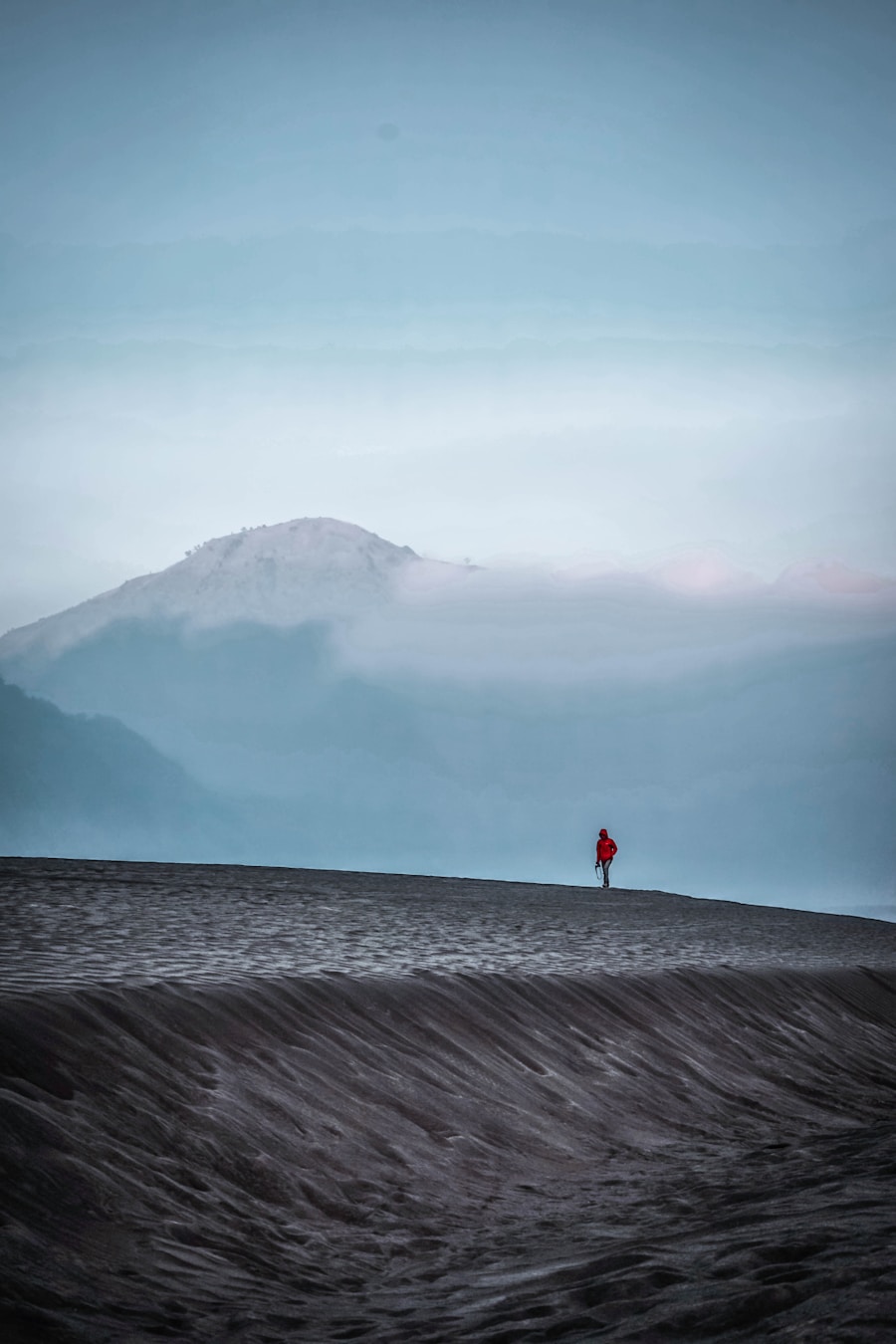
Light is arguably one of the most critical elements in photography, influencing everything from exposure to mood. In travel photography, understanding how to harness natural light can elevate images from mundane to extraordinary. Richard I’Anson highlights the significance of different lighting conditions—such as golden hour, harsh midday sun, and overcast skies—and how each can dramatically alter the atmosphere of a photograph.
For instance, shooting during the golden hour, shortly after sunrise or before sunset, bathes subjects in warm, soft light that enhances colors and textures, creating a magical quality that is often sought after by photographers. Additionally, I’Anson discusses the importance of being adaptable to changing light conditions while traveling. Photographers must learn to read the light and adjust their settings accordingly to capture the best possible image.
This might involve altering shutter speeds, adjusting ISO settings, or even changing locations to find more favorable lighting. The ability to work with available light not only improves technical skills but also fosters a deeper appreciation for the environment. By observing how light interacts with different surfaces and subjects, photographers can develop a more intuitive understanding of their craft.
Tips for Capturing Authentic and Meaningful Travel Portraits
Capturing authentic portraits while traveling requires more than just pointing a camera at someone; it demands an understanding of cultural nuances and interpersonal dynamics. Richard I’Anson advocates for building rapport with subjects before taking their photographs. This might involve engaging in conversation or spending time in their environment to establish trust.
When subjects feel comfortable, they are more likely to reveal their true selves, resulting in portraits that convey genuine emotion and character. Moreover, I’Anson emphasizes the importance of context in travel portraits. A photograph of a local artisan at work can tell a powerful story about their craft and culture when framed within their workshop or market stall.
Photographers are encouraged to be observant and patient, waiting for those fleeting moments that encapsulate the essence of their subjects. By focusing on authenticity and context, travel portraits can transcend mere documentation and become powerful narratives that resonate with viewers.
How to Capture Stunning Landscapes and Cityscapes in Travel Photography
Landscapes and cityscapes present unique challenges and opportunities for travel photographers. Richard I’Anson provides valuable insights into techniques that can help capture these expansive scenes effectively. For landscapes, he suggests scouting locations ahead of time to identify potential vantage points and compositions.
Early mornings or late afternoons are often ideal for landscape photography due to softer light and fewer crowds. Utilizing foreground elements can add depth to landscape images, drawing viewers into the scene while providing context. In urban environments, capturing cityscapes requires an understanding of both architecture and human activity.
I’Anson encourages photographers to explore different angles—such as shooting from elevated viewpoints or incorporating reflections from water or glass surfaces—to create dynamic compositions. Additionally, timing plays a crucial role; capturing a city during twilight can result in stunning images where artificial lights begin to twinkle against the backdrop of dusk. By combining technical skills with an artistic eye, photographers can create striking landscapes and cityscapes that evoke a sense of place.
Utilizing Different Camera Techniques for Travel Photography
Long Exposure Techniques
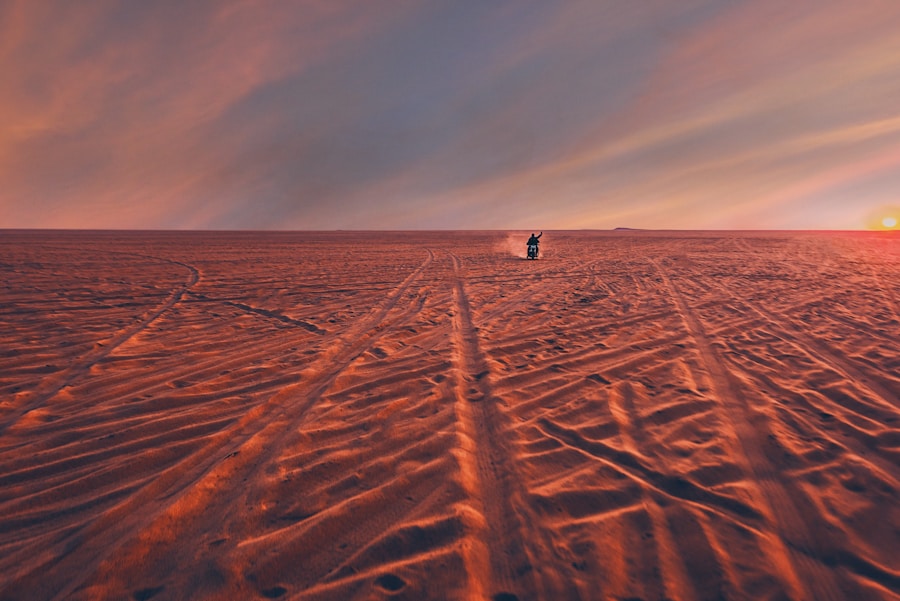
Long exposure techniques can create ethereal effects in landscapes by smoothing out water surfaces or capturing light trails from moving vehicles in cityscapes. This technique requires careful consideration of shutter speed and tripod use but can yield breathtaking results that convey motion and time.
HDR Photography
Another technique highlighted is HDR (High Dynamic Range) photography, which involves taking multiple exposures at different settings and blending them together in post-processing. This method is particularly useful in high-contrast scenes where both shadows and highlights need to be preserved.
Mastering Techniques for Creative Freedom
By mastering these techniques, photographers can expand their creative toolkit, allowing them to approach each scene with fresh perspectives and innovative ideas.
The Art of Telling a Story through Travel Photography
At its core, travel photography is about storytelling—conveying experiences, emotions, and cultural narratives through images. Richard I’Anson emphasizes that every photograph should have a purpose beyond mere aesthetics; it should evoke feelings or provoke thoughts in viewers. To achieve this, photographers must consider not only what they are capturing but also how they are framing it within a broader narrative context.
This might involve documenting a local festival’s vibrancy or capturing quiet moments of daily life in a foreign land.
By weaving together images that reflect different aspects of their travels—such as landscapes, portraits, and cultural details—photographers can create cohesive stories that resonate with audiences on multiple levels.
This narrative approach transforms individual images into chapters of a larger tale, inviting viewers to engage with the photographer’s experiences more deeply.
Post-Processing and Editing Tips for Travel Photographers
Post-processing is an integral part of modern photography that allows photographers to refine their images further after capture. Richard I’Anson discusses various editing techniques that can enhance travel photographs while maintaining authenticity. Basic adjustments such as cropping for better composition or adjusting exposure levels can significantly improve an image’s impact without altering its essence.
Additionally, color correction can help ensure that images accurately reflect the vibrancy of the scene as experienced by the photographer. Beyond basic edits, I’Anson also touches on more advanced techniques such as selective editing and retouching. These methods allow photographers to emphasize specific elements within an image while downplaying distractions.
However, he cautions against over-editing; maintaining a natural look is crucial in travel photography as it preserves the authenticity of the experience being portrayed. By mastering post-processing skills, photographers can elevate their work while staying true to their artistic vision and the stories they wish to tell through their images.
If you’re interested in learning more about travel photography, you may also enjoy reading the article “Hello World: Tips for Capturing Stunning Travel Photos” on hellread.com. This article provides additional insights and tips for capturing beautiful and memorable travel photos, which can complement the information found in Lonely Planet’s Guide to Travel Photography by Richard I’Anson. Happy shooting!
FAQs
What is Lonely Planet’s Guide to Travel Photography by Richard I’Anson?
Lonely Planet’s Guide to Travel Photography is a comprehensive guidebook written by renowned travel photographer Richard I’Anson. It provides practical advice, tips, and techniques for capturing stunning travel photographs.
Who is Richard I’Anson?
Richard I’Anson is a professional travel photographer who has been capturing images from around the world for over 30 years. He has worked on numerous projects for Lonely Planet and his work has been published in various magazines and books.
What does the guide cover?
The guide covers a wide range of topics including equipment, composition, lighting, and post-processing techniques. It also includes practical advice on how to approach and interact with subjects, as well as tips for capturing the essence of a destination.
Is the guide suitable for beginners?
Yes, the guide is suitable for beginners as well as more experienced photographers. It provides a solid foundation for those new to travel photography, while also offering valuable insights and tips for more advanced photographers.
Where can I purchase the guide?
The guide is available for purchase through various bookstores, online retailers, and the Lonely Planet website. It is available in both print and digital formats.




