
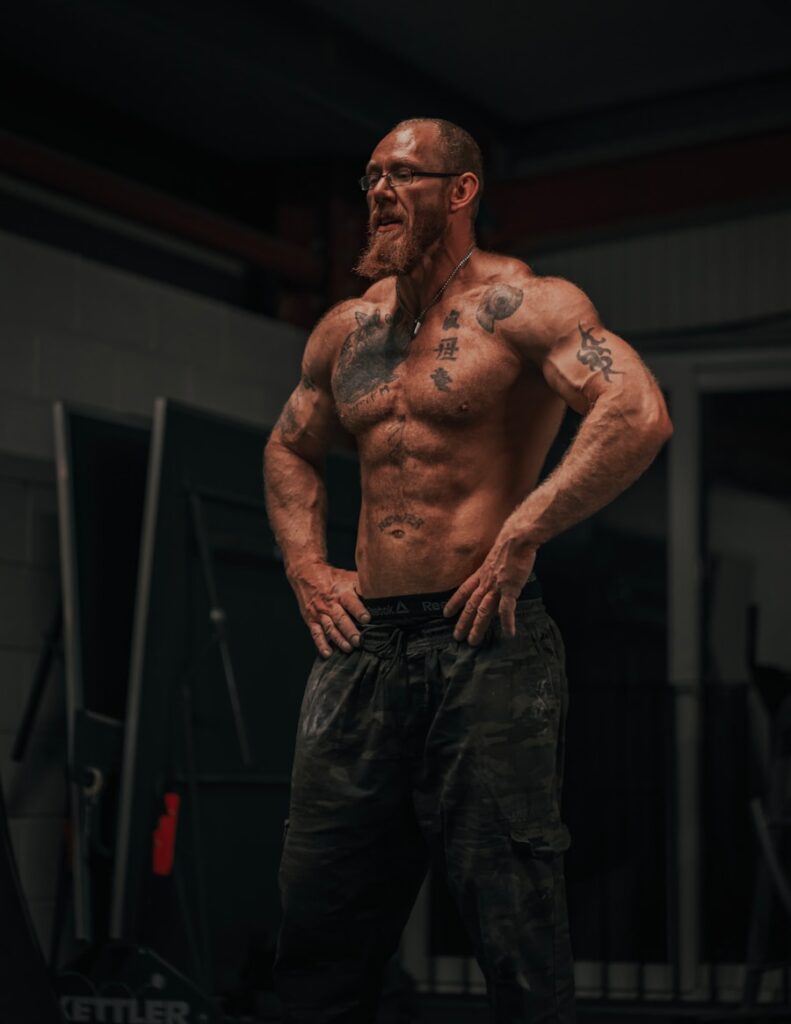
Bigger Leaner Stronger (BLS) is a comprehensive fitness program designed by Michael Matthews, aimed at helping individuals achieve their ideal physique through a combination of effective training, nutrition, and lifestyle strategies. The program is particularly appealing to those who are new to weightlifting or have struggled to see results from traditional workout regimens. Matthews emphasizes a science-based approach, debunking many myths surrounding fitness and muscle building, and providing a clear roadmap for success.
The BLS philosophy revolves around three core principles: building muscle, losing fat, and maintaining a healthy lifestyle, all while ensuring that the process is sustainable and enjoyable. At its core, Bigger Leaner Stronger is not just about lifting weights; it’s about understanding the underlying principles of how the body works and how to optimize performance. Matthews draws on extensive research and personal experience to create a program that is both practical and effective.
The BLS approach encourages individuals to focus on compound movements, proper nutrition, and adequate recovery, which are essential for maximizing muscle growth and overall health. By following the guidelines laid out in the program, individuals can expect to see significant improvements in their strength, physique, and overall well-being.
Key Takeaways
- Bigger Leaner Stronger is a comprehensive guide to building muscle and achieving fitness goals.
- The science behind building muscle involves progressive overload, muscle damage, and metabolic stress.
- Nutrition plays a crucial role in gaining muscle, with a focus on protein intake, calorie surplus, and nutrient timing.
- Cardio can aid in building muscle by improving cardiovascular health and increasing calorie burn.
- Resistance training offers numerous benefits, including increased strength, muscle mass, and fat loss.
- Recovery and rest are essential for muscle building, allowing the body to repair and grow stronger.
- Common mistakes to avoid in muscle building include overtraining, poor nutrition, and neglecting proper form.
- Achieving fitness goals with Bigger Leaner Stronger requires dedication to training, nutrition, and recovery for long-term success.
The Science Behind Building Muscle
Building muscle is a complex physiological process that involves several key factors, including mechanical tension, muscle damage, and metabolic stress. Mechanical tension refers to the force exerted on muscles during resistance training. When lifting weights, the muscles experience tension that stimulates muscle fibers to adapt and grow stronger.
This principle is rooted in the concept of progressive overload, which entails gradually increasing the weight or resistance used in workouts to continually challenge the muscles. Muscle damage occurs when the fibers are subjected to stress beyond their normal capacity, leading to microscopic tears. This damage is a crucial component of muscle growth because it triggers the body’s repair mechanisms.
After a workout, the body works to repair these damaged fibers, resulting in an increase in muscle size and strength. Additionally, metabolic stress, which is caused by the accumulation of metabolites such as lactate during intense exercise, also plays a role in muscle hypertrophy. This stress can lead to hormonal responses that further promote muscle growth.
The Importance of Nutrition in Gaining Muscle

Nutrition is a cornerstone of any successful muscle-building program. Without the right fuel, even the most rigorous training regimen can fall short of delivering results. To effectively gain muscle, individuals must consume an adequate amount of calories and macronutrients—proteins, carbohydrates, and fats.
Protein is particularly vital as it provides the building blocks (amino acids) necessary for muscle repair and growth. Research suggests that consuming around 1.6 to 2.2 grams of protein per kilogram of body weight per day can optimize muscle protein synthesis. Carbohydrates also play a significant role in muscle building by providing energy for workouts and replenishing glycogen stores post-exercise.
A diet rich in complex carbohydrates—such as whole grains, fruits, and vegetables—ensures that individuals have the energy needed for intense training sessions. Fats should not be overlooked either; healthy fats are essential for hormone production and overall health. A balanced diet that includes all three macronutrients will support muscle growth while also promoting recovery and overall well-being.
The Role of Cardio in Building Muscle
While resistance training is paramount for building muscle, cardiovascular exercise also has its place in a well-rounded fitness program. Cardio can enhance overall cardiovascular health, improve endurance, and aid in fat loss—all of which can indirectly support muscle-building efforts. However, it’s essential to strike a balance between cardio and weight training to avoid hindering muscle growth.
Incorporating moderate amounts of cardio into a training routine can be beneficial. For instance, low-intensity steady-state (LISS) cardio can help with recovery by increasing blood flow to muscles without causing excessive fatigue.
High-intensity interval training (HIIT) can also be effective for those looking to maintain cardiovascular fitness while minimizing time spent on cardio workouts. Ultimately, the key is to tailor cardio routines to individual goals and ensure they complement resistance training rather than detract from it.
The Benefits of Resistance Training
Resistance training is the cornerstone of any effective muscle-building program. It not only promotes hypertrophy but also enhances strength, power, and functional fitness. Engaging in regular resistance training leads to numerous physiological adaptations that benefit overall health.
For example, increased muscle mass contributes to improved metabolism, allowing individuals to burn more calories at rest. This metabolic boost can be particularly advantageous for those looking to lose fat while gaining muscle. Moreover, resistance training has been shown to improve bone density, reduce the risk of injury, and enhance joint stability.
These benefits are especially important as individuals age since maintaining strength and mobility becomes increasingly crucial for overall quality of life. Additionally, resistance training has been linked to improved mental health outcomes, including reduced symptoms of anxiety and depression. The sense of accomplishment that comes from lifting heavier weights or achieving personal bests can significantly boost self-esteem and motivation.
The Importance of Recovery and Rest
Recovery is often an overlooked aspect of muscle building but is critical for long-term success. When individuals engage in intense workouts, they create micro-tears in their muscles that require time to heal. Adequate rest allows the body to repair these tears and adapt by increasing muscle size and strength.
Without sufficient recovery time, individuals risk overtraining, which can lead to fatigue, decreased performance, and even injury. Sleep plays a vital role in recovery as well. During deep sleep stages, the body releases growth hormone, which is essential for tissue repair and muscle growth.
Aim for 7-9 hours of quality sleep each night to optimize recovery processes. Additionally, incorporating rest days into a training schedule allows muscles to recover fully before being subjected to further stress. Active recovery techniques such as stretching, foam rolling, or light activity can also aid in recovery by promoting blood flow and reducing soreness.
Common Mistakes to Avoid in Muscle Building
As individuals embark on their muscle-building journey with Bigger Leaner Stronger or any other program, several common pitfalls can hinder progress. One prevalent mistake is neglecting proper form during exercises.
It’s crucial to prioritize form over lifting heavier weights; mastering basic movements will yield better results in the long run. Another common error is underestimating the importance of nutrition. Many individuals focus solely on their workout routines while neglecting their dietary habits.
Consuming insufficient calories or failing to meet protein requirements can stall progress significantly. Additionally, some may fall into the trap of following fad diets or extreme caloric restrictions that are unsustainable over time. Instead, adopting a balanced approach that emphasizes whole foods and adequate macronutrient intake will support muscle growth more effectively.
Achieving Your Fitness Goals with Bigger Leaner Stronger
Achieving fitness goals through Bigger Leaner Stronger requires dedication and an understanding of the principles behind effective muscle building. By focusing on the science of muscle growth, prioritizing nutrition, incorporating appropriate cardio, embracing resistance training, ensuring adequate recovery, and avoiding common mistakes, individuals can set themselves up for success on their fitness journey. The BLS program offers a structured yet flexible approach that empowers individuals to take control of their health and physique.
Ultimately, Bigger Leaner Stronger is more than just a workout plan; it’s a holistic lifestyle approach that encourages individuals to cultivate healthy habits that extend beyond the gym. By committing to this philosophy and remaining consistent with both training and nutrition strategies, anyone can achieve their desired physique while enjoying the process along the way.
If you’re looking to dive deeper into the world of fitness and nutrition, you may want to check out the article “Hello World” on Hellread.com. This article provides a unique perspective on starting a fitness journey and could complement the principles outlined in Bigger Leaner Stronger by Michael Matthews. To read more, visit here.
FAQs
What is Bigger Leaner Stronger by Michael Matthews?
Bigger Leaner Stronger is a book written by Michael Matthews that focuses on building muscle, losing fat, and getting stronger through weightlifting and proper nutrition.
What are the main principles of Bigger Leaner Stronger?
The main principles of Bigger Leaner Stronger include progressive overload, proper nutrition, and consistency in training. The book emphasizes the importance of compound exercises, such as squats, deadlifts, and bench presses, for building strength and muscle.
Who is the target audience for Bigger Leaner Stronger?
The book is targeted towards men who are interested in building muscle, losing fat, and improving their overall strength and physique through weightlifting and nutrition.
What are some key takeaways from Bigger Leaner Stronger?
Some key takeaways from Bigger Leaner Stronger include the importance of tracking progress, following a structured workout program, and understanding the role of macronutrients in achieving fitness goals.
Is Bigger Leaner Stronger suitable for beginners?
Yes, Bigger Leaner Stronger is suitable for beginners who are new to weightlifting and looking to build muscle and strength. The book provides a comprehensive guide to proper form, training techniques, and nutrition for beginners.




