

Pema Chödrön, an American Tibetan Buddhist nun, has become a prominent figure in the realm of mindfulness and spiritual teachings. Born in 1936 in New York City, she initially pursued a career in education before discovering Buddhism in the 1970s. Her journey led her to become a student of Chögyam Trungpa Rinpoche, a key figure in bringing Tibetan Buddhism to the West.
Chödrön’s teachings are characterized by their accessibility and practicality, making complex Buddhist concepts relatable to a modern audience. Her ability to convey profound wisdom with clarity has garnered her a dedicated following, and her books have sold millions of copies worldwide. “Start Where You Are,” published in 1994, is one of Chödrön’s most influential works.
In this book, she emphasizes the importance of embracing our current circumstances, no matter how challenging they may be. The title itself serves as a powerful reminder that personal growth and transformation begin with acceptance of our present situation. Through a series of teachings and anecdotes, Chödrön invites readers to explore their inner landscapes, encouraging them to cultivate mindfulness and compassion.
The book serves as both a guide and a source of inspiration for those seeking to navigate the complexities of life with grace and resilience.
Key Takeaways
- Pema Chödrön is a renowned Buddhist teacher and author of the book “Start Where You Are,” which offers practical guidance for applying mindfulness and compassion in everyday life.
- “Start Where You Are” encourages individuals to embrace the present moment and work with their current circumstances, rather than waiting for the “perfect” time to begin their mindfulness practice.
- The book delves into various teachings and practices, including meditation, self-reflection, and cultivating compassion, to help readers develop a deeper understanding of themselves and their experiences.
- By applying the principles of “Start Where You Are,” individuals can learn to navigate challenges, cultivate self-acceptance, and find peace and clarity in their daily lives.
- Overcoming obstacles and challenges in starting where you are involves recognizing and working with resistance, fear, and self-doubt, and learning to approach difficulties with kindness and curiosity.
Understanding the concept of “Start Where You Are” in mindfulness practice
The concept of “Start Where You Are” is deeply rooted in mindfulness practice, which emphasizes being present in the moment without judgment. This principle encourages individuals to acknowledge their current emotional and mental states rather than striving for an idealized version of themselves. In essence, it is about recognizing that every moment offers an opportunity for growth, regardless of how imperfect or chaotic it may seem.
Chödrön teaches that by accepting our current circumstances, we can begin to cultivate awareness and understanding, which are essential components of mindfulness. In practical terms, starting where you are means allowing yourself to feel your emotions fully without trying to suppress or deny them. For instance, if someone is experiencing anxiety or sadness, instead of pushing those feelings away or wishing they were different, Chödrön encourages individuals to sit with those emotions.
This practice fosters a deeper connection with oneself and creates space for healing. By acknowledging where we are emotionally and mentally, we can begin to understand the underlying causes of our feelings and work towards addressing them with compassion.
Exploring the teachings and practices outlined in the book
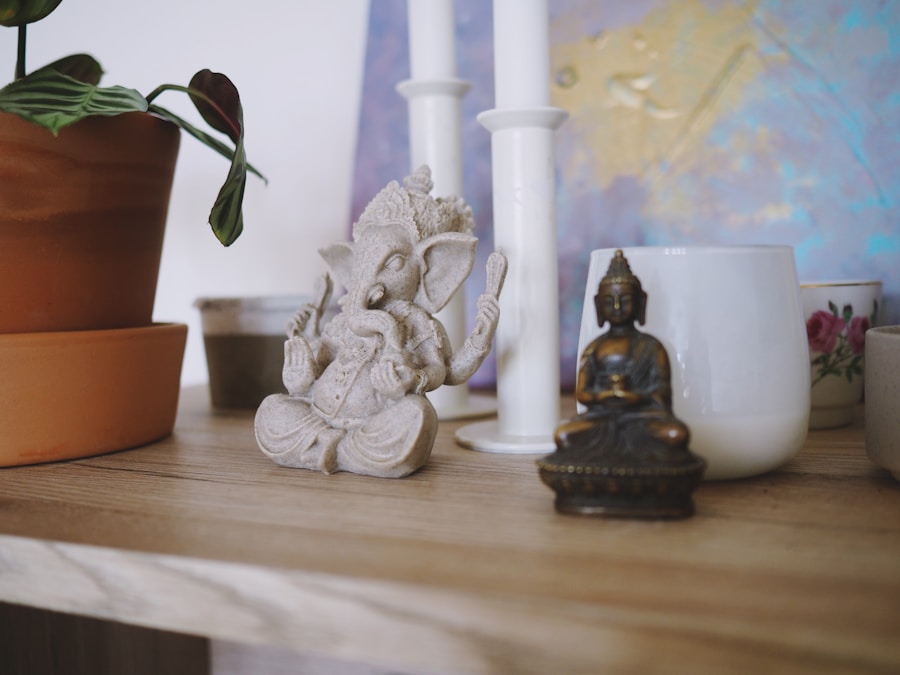
“Start Where You Are” is rich with teachings that draw from Buddhist philosophy while remaining accessible to readers from all backgrounds. One of the central themes is the idea of “shenpa,” a Tibetan term that refers to the feeling of being hooked or triggered by external circumstances. Chödrön explains how shenpa can lead to habitual reactions that perpetuate suffering.
By recognizing when we are caught in these patterns, we can begin to break free from them. This awareness is the first step toward transforming our responses to challenging situations. Chödrön also introduces various meditation practices designed to help individuals cultivate mindfulness and self-awareness.
One such practice involves simply observing thoughts as they arise without attachment or aversion. This technique allows practitioners to develop a non-reactive stance toward their thoughts and emotions, fostering a sense of inner peace.
By practicing loving-kindness, we can create a more compassionate world, starting with our own hearts.
Applying the principles of “Start Where You Are” in everyday life
Integrating the principles of “Start Where You Are” into daily life requires conscious effort and commitment. One practical approach is to incorporate mindfulness into routine activities. For example, during mundane tasks such as washing dishes or commuting, individuals can practice being fully present in the moment.
This means paying attention to the sensations involved—feeling the warmth of water on their hands or noticing the rhythm of their breath while driving. By doing so, they can transform ordinary moments into opportunities for mindfulness. Another way to apply these principles is through journaling or self-reflection.
Taking time each day to write about one’s thoughts and feelings can help clarify emotions and provide insight into personal experiences. Chödrön encourages readers to embrace vulnerability in this process, allowing themselves to explore their inner worlds without judgment. This practice not only fosters self-awareness but also cultivates a sense of acceptance for where one currently stands on their journey.
Overcoming obstacles and challenges in starting where you are
While the concept of starting where you are may seem straightforward, many individuals encounter significant obstacles when attempting to embrace this mindset. One common challenge is the tendency to compare oneself to others, leading to feelings of inadequacy or self-doubt. In a world dominated by social media and curated images of success, it can be easy to feel as though one is falling short.
Chödrön addresses this issue by reminding readers that everyone has their unique path and struggles; comparison only serves to distract from one’s own journey. Another obstacle is the fear of vulnerability that often accompanies self-acceptance. Many people fear that acknowledging their flaws or struggles will lead to judgment from others or even themselves.
Chödrön emphasizes that vulnerability is not a weakness but rather a source of strength and connection. By allowing ourselves to be seen in our authenticity, we open the door to deeper relationships and greater compassion for ourselves and others. Embracing vulnerability can be a transformative experience that ultimately leads to personal growth.
Cultivating compassion and self-acceptance through the teachings of Pema Chödrön

The Foundation of Compassion
She emphasizes that true compassion begins with oneself; only by accepting our own imperfections can we extend genuine kindness to others. This process involves recognizing our shared humanity—the understanding that everyone experiences pain, joy, confusion, and growth.
Cultivating Self-Compassion
Chödrön offers practical exercises for developing self-compassion, such as loving-kindness meditation. In this practice, individuals focus on sending love and goodwill first to themselves before gradually extending those feelings to loved ones, acquaintances, and even those with whom they have conflicts. This gradual expansion helps reinforce the idea that compassion is not limited but rather an infinite resource available to all beings.
Integrating mindfulness and meditation into daily routines
To fully embrace the teachings of “Start Where You Are,” integrating mindfulness and meditation into daily routines is essential. Establishing a consistent meditation practice can significantly enhance one’s ability to remain present and aware throughout the day. Chödrön suggests starting small—perhaps just five minutes each morning—before gradually increasing the duration as comfort grows.
This practice can take various forms, including breath awareness, body scans, or guided meditations focused on specific themes such as compassion or acceptance. In addition to formal meditation sessions, mindfulness can be woven into everyday activities. Practicing mindful eating, for instance, involves savoring each bite and paying attention to flavors and textures rather than rushing through meals mindlessly.
Similarly, mindful walking encourages individuals to connect with their surroundings by noticing sights, sounds, and sensations as they move through space. These practices not only enhance awareness but also foster a deeper appreciation for life’s simple moments.
Embracing the journey of self-discovery and growth with “Start Where You Are”
Pema Chödrön’s “Start Where You Are” serves as a profound guide for anyone seeking personal growth through mindfulness and self-acceptance. By encouraging readers to embrace their current circumstances without judgment, she opens up pathways for transformation that are both accessible and deeply impactful. The teachings within this book resonate with individuals from all walks of life, offering practical tools for navigating challenges while cultivating compassion for oneself and others.
As readers embark on their journeys of self-discovery through Chödrön’s teachings, they are reminded that every moment presents an opportunity for growth and understanding. The principles outlined in “Start Where You Are” empower individuals to face life’s complexities with grace and resilience while fostering a sense of connection with themselves and those around them.
If you enjoyed reading Start Where You Are by Pema Chödrön, you may also be interested in checking out the article Hello World on Hellread.com. This article explores the concept of embracing new beginnings and stepping out of your comfort zone, which aligns with the themes of self-discovery and personal growth discussed in Chödrön’s book. It offers valuable insights and inspiration for those looking to navigate life’s challenges with courage and resilience.
FAQs
What is the book “Start Where You Are” by Pema Chödrön about?
The book “Start Where You Are” by Pema Chödrön is a guide to embracing the present moment and cultivating mindfulness and compassion in everyday life. It offers practical teachings and exercises to help readers navigate life’s challenges with wisdom and grace.
Who is Pema Chödrön?
Pema Chödrön is a renowned Tibetan Buddhist nun, teacher, and author. She is known for her accessible and down-to-earth approach to Buddhist teachings, and her ability to offer practical guidance for applying these teachings to everyday life.
What are some key teachings in “Start Where You Are”?
Some key teachings in “Start Where You Are” include the importance of embracing the present moment, cultivating mindfulness and awareness, working with difficult emotions, and developing compassion for oneself and others.
How can “Start Where You Are” benefit readers?
“Start Where You Are” can benefit readers by offering practical tools and teachings for navigating life’s challenges with greater ease and wisdom. It provides guidance for developing a more compassionate and mindful approach to life, and offers support for working with difficult emotions and experiences.




