
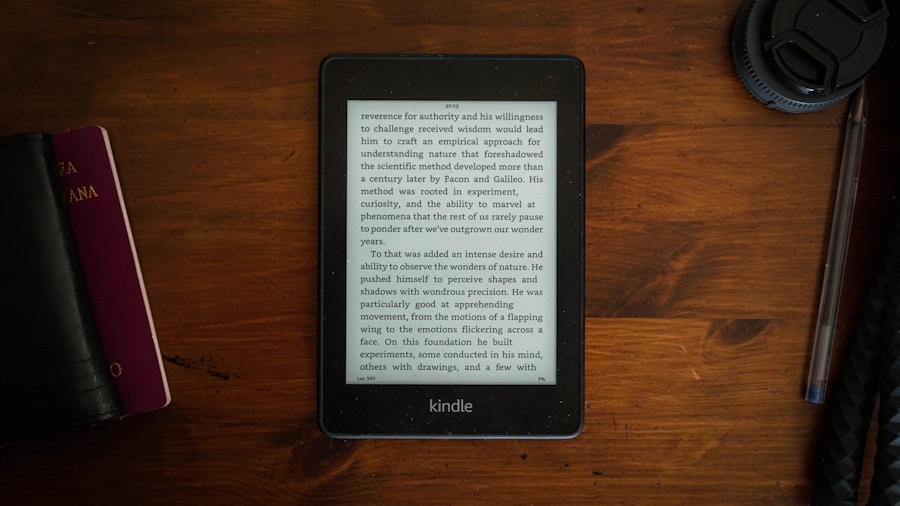
Amazon Unbound is a term that encapsulates the evolution of Amazon from a humble online bookstore into a multifaceted global powerhouse that has transformed the way consumers shop, businesses operate, and technology is integrated into everyday life. This transformation is not merely a story of growth; it is a narrative of relentless innovation, strategic foresight, and an unyielding commitment to customer satisfaction. The journey of Amazon is marked by its ability to adapt to changing market dynamics, embrace new technologies, and expand its reach into various sectors, including cloud computing, entertainment, and artificial intelligence.
The concept of being “unbound” reflects Amazon’s philosophy of breaking traditional barriers and redefining the boundaries of commerce. It signifies a company that is not only focused on selling products but also on creating an ecosystem that enhances the consumer experience. This article delves into the various facets of Amazon’s journey, exploring its rise to prominence, the culture instilled by its founder Jeff Bezos, the innovative strategies that have fueled its expansion, the challenges it faces, and its profound impact on the retail industry.
Key Takeaways
- “Amazon Unbound” provides an in-depth look at the rise and expansion of Amazon, as well as the controversies and challenges it has faced.
- Amazon’s rise to dominance in the retail industry has been fueled by its relentless focus on customer satisfaction and innovation.
- Jeff Bezos’ leadership and the unique culture at Amazon have played a significant role in the company’s success and growth.
- Amazon’s expansion into various industries and its continuous innovation have solidified its position as a global powerhouse.
- Despite its success, Amazon has faced challenges and controversies related to labor practices, antitrust issues, and environmental impact.
The Rise of Amazon
Humility and Ambition
Amazon’s ascent began in 1994 when Jeff Bezos launched the company as an online bookstore. The initial vision was simple yet ambitious: to create the world’s largest selection of books available at the click of a button. This idea resonated with consumers who were increasingly looking for convenience and variety in their shopping experiences.
Customer-Centric Approach
By leveraging the internet’s potential, Bezos was able to tap into a market that traditional brick-and-mortar stores could not fully exploit. The company’s early success was driven by its customer-centric approach, which emphasized user-friendly navigation, competitive pricing, and a robust review system that empowered consumers to make informed decisions.
Diversification and Innovation
As Amazon gained traction, it quickly diversified its offerings beyond books. By the late 1990s, the company had expanded into music and video sales, and soon after, it ventured into electronics, clothing, and household goods. This diversification was not merely opportunistic; it was a calculated strategy to create a one-stop shopping destination. The introduction of features such as personalized recommendations and one-click purchasing further enhanced the shopping experience, solidifying Amazon’s position as a leader in e-commerce.
The company’s relentless pursuit of customer satisfaction laid the groundwork for its future endeavors and set the stage for its transformation into a global retail giant.
Jeff Bezos and the Amazon Culture
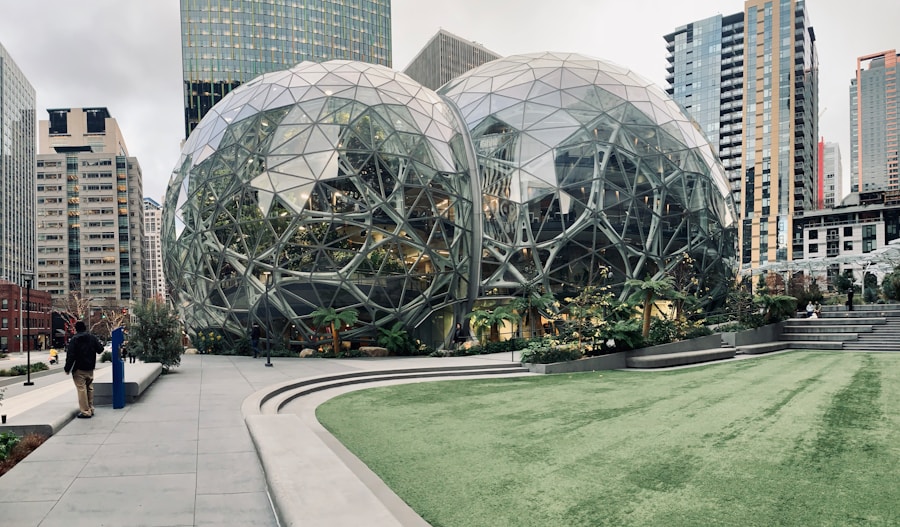
At the heart of Amazon’s success lies the visionary leadership of Jeff Bezos. His unique approach to business has fostered a culture that prioritizes innovation, experimentation, and long-term thinking. Bezos famously stated that “the most important single thing is to focus obsessively on the customer.” This mantra permeates every level of the organization and has become a guiding principle for decision-making at Amazon.
Employees are encouraged to think big, take risks, and embrace failure as a stepping stone to success. This culture of experimentation has led to groundbreaking initiatives such as Amazon Prime, which revolutionized customer loyalty programs by offering fast shipping and exclusive content. Bezos’s leadership style is characterized by his willingness to challenge conventional wisdom and disrupt established norms.
He has often emphasized the importance of being “day one” in terms of maintaining a startup mentality, even as the company has grown exponentially.
The emphasis on data-driven decision-making further reinforces this culture, as teams are encouraged to rely on metrics and analytics to guide their strategies.
Bezos’s vision has not only shaped Amazon’s internal culture but has also influenced the broader tech industry, inspiring other leaders to adopt similar principles in their organizations.
Amazon’s Expansion and Innovation
Amazon’s expansion has been marked by a series of strategic moves that have allowed it to penetrate various markets and industries. One of the most significant milestones in this journey was the launch of Amazon Web Services (AWS) in 2006. Initially conceived as a way to support Amazon’s own infrastructure needs, AWS quickly evolved into a leading cloud computing platform that serves millions of customers worldwide.
By offering scalable computing power and storage solutions, AWS has transformed how businesses operate, enabling them to innovate without the burden of managing physical infrastructure. In addition to cloud computing, Amazon has made significant strides in the realm of entertainment through its acquisition of MGM Studios and the development of Amazon Prime Video. This move not only expanded its content library but also positioned Amazon as a formidable competitor in the streaming industry alongside giants like Netflix and Disney+.
The company’s investment in original programming has yielded critically acclaimed series such as “The Marvelous Mrs. Maisel” and “The Boys,” further solidifying its presence in the entertainment landscape. Moreover, innovations such as Alexa and Echo devices have integrated Amazon into consumers’ daily lives, making it a central player in the smart home market.
Challenges and Controversies
Despite its remarkable success, Amazon has faced numerous challenges and controversies that have raised questions about its business practices and impact on society. One significant issue is the treatment of warehouse workers, who have reported grueling working conditions, unrealistic performance expectations, and inadequate breaks. These concerns have sparked protests and calls for better labor practices within the company.
Critics argue that Amazon’s relentless focus on efficiency comes at the expense of employee well-being, leading to high turnover rates and burnout among workers. Additionally, Amazon has been scrutinized for its market dominance and competitive practices. The company’s aggressive pricing strategies have raised concerns about anti-competitive behavior, with some arguing that it undermines small businesses and local retailers.
Regulatory bodies in various countries have begun investigating Amazon’s practices to determine whether they violate antitrust laws. The ongoing debate surrounding data privacy also poses challenges for Amazon, particularly with its vast collection of consumer data through its various services. As public awareness of data security issues grows, Amazon must navigate these complexities while maintaining consumer trust.
The Future of Amazon

Looking ahead, Amazon’s future appears poised for continued growth and innovation. The company is likely to further invest in artificial intelligence and machine learning technologies to enhance its operations and customer experience. As AI becomes increasingly integrated into various aspects of business, Amazon can leverage these advancements to optimize supply chain management, personalize marketing efforts, and improve customer service through chatbots and virtual assistants.
Moreover, sustainability is expected to play a crucial role in shaping Amazon’s future strategies. The company has made commitments to achieve net-zero carbon emissions by 2040 and is investing in renewable energy projects to power its operations sustainably. As consumers become more environmentally conscious, Amazon’s focus on sustainability could enhance its brand image and attract eco-minded shoppers.
Additionally, expanding its presence in emerging markets presents an opportunity for growth as internet penetration increases globally.
Impact on the Retail Industry
Amazon’s influence on the retail industry is profound and far-reaching. The company’s innovative approaches have set new standards for customer service, convenience, and product availability that competitors are now striving to emulate. Traditional retailers have been forced to adapt their business models in response to Amazon’s disruptive presence.
Many have invested heavily in e-commerce platforms, improved logistics capabilities, and enhanced customer experiences to remain competitive. The rise of omnichannel retailing is one significant trend driven by Amazon’s success. Retailers are increasingly integrating their online and offline operations to provide seamless shopping experiences for consumers.
This shift has led to innovations such as buy-online-pickup-in-store (BOPIS) services and enhanced mobile shopping applications. Furthermore, Amazon’s emphasis on fast shipping has raised consumer expectations regarding delivery times across the industry, prompting retailers to reevaluate their logistics strategies.
Conclusion and Takeaways
The journey of Amazon Unbound illustrates a remarkable evolution characterized by innovation, strategic expansion, and an unwavering commitment to customer satisfaction. From its beginnings as an online bookstore to its current status as a global leader in e-commerce and technology services, Amazon has continually redefined what it means to be a retailer in the digital age. Jeff Bezos’s visionary leadership has fostered a culture that embraces experimentation and long-term thinking while navigating challenges related to labor practices and market dominance.
As we look toward the future, it is clear that Amazon will continue to shape not only its own trajectory but also the broader landscape of retail and technology. Its impact on consumer behavior, business practices, and industry standards will resonate for years to come. Understanding this journey provides valuable insights into the dynamics of modern commerce and highlights the importance of adaptability in an ever-changing marketplace.
If you enjoyed reading “Amazon Unbound” by Brad Stone, you may also be interested in checking out this article on Hellread titled com/2024/12/04/hello-world/’>Hello World.
This article delves into the world of technology and innovation, exploring how new advancements are shaping our future. It provides a fascinating look at the ever-evolving landscape of technology and its impact on society.
FAQs
What is the book “Amazon Unbound” about?
The book “Amazon Unbound” by Brad Stone is a sequel to his previous book “The Everything Store” and it provides an inside look at the rise of Amazon and its founder Jeff Bezos, as well as the company’s expansion into various industries and its impact on the global economy.
Who is the author of “Amazon Unbound”?
The author of “Amazon Unbound” is Brad Stone, a journalist and writer who covers technology and business for Bloomberg News. He is also the author of “The Everything Store: Jeff Bezos and the Age of Amazon.”
What are some of the key topics covered in “Amazon Unbound”?
“Amazon Unbound” covers a wide range of topics related to Amazon, including the company’s expansion into new markets such as cloud computing and entertainment, its impact on traditional retail businesses, and the personal and professional life of Jeff Bezos.
Is “Amazon Unbound” a sequel to another book?
Yes, “Amazon Unbound” is a sequel to Brad Stone’s previous book “The Everything Store,” which also focuses on the rise of Amazon and its founder Jeff Bezos.
Where can I purchase “Amazon Unbound”?
“Amazon Unbound” is available for purchase at major book retailers, both online and in physical stores. It is also available as an e-book and audiobook.




