
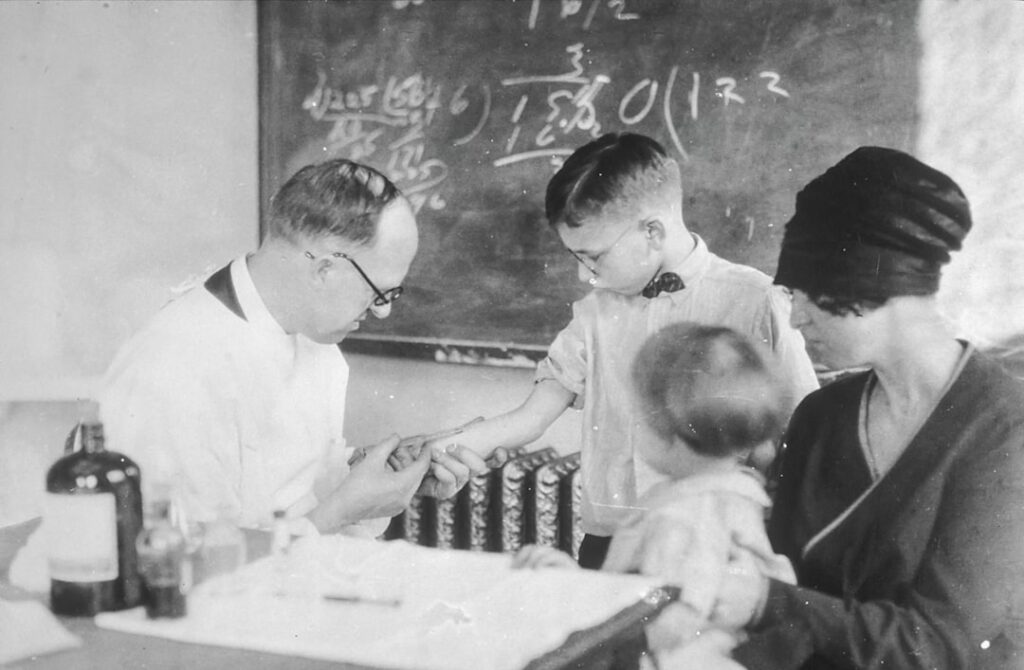
Ben Hecht was a prominent American screenwriter, playwright, and novelist, whose career spanned several decades in the early to mid-20th century. Born on February 28, 1894, in New York City, Hecht became a significant figure in the world of entertainment, particularly in Hollywood, where he contributed to the development of the film industry. His work is characterized by sharp dialogue, innovative storytelling, and a keen understanding of human nature. Hecht’s influence extended beyond his writing; he was also an outspoken political activist and a vocal critic of social injustices, which often found their way into his narratives.
Hecht’s literary contributions are notable not only for their artistic merit but also for their cultural significance. He was a pioneer in blending various genres, including drama, comedy, and social commentary. His ability to capture the zeitgeist of his time made him a relevant voice in American literature and cinema. Among his many works, “A Child of the Century” stands out as a semi-autobiographical account that provides insight into his life and the tumultuous era in which he lived. This book serves as a lens through which readers can explore Hecht’s personal experiences and the broader societal changes occurring during the early 20th century.
In exploring the themes of ambition and disillusionment in Ben Hecht’s “A Child of the Century,” readers may find it insightful to delve into the related article on the evolution of American literature during the early 20th century. This article provides a broader context for understanding the societal changes that influenced Hecht’s writing and the literary movements of the time. For more information, you can read the article here: American Literature in the Early 20th Century.
Key Takeaways
- Ben Hecht was a prolific writer known for his influential contributions to literature and film.
- “A Child of the Century” explores key themes and motifs reflective of its historical context.
- The book offers deep character analysis, highlighting complex personal and societal dynamics.
- “A Child of the Century” significantly impacted literary circles and influenced subsequent works.
- Ben Hecht’s legacy endures through his innovative storytelling and the lasting relevance of his writings.
The Life and Times of Ben Hecht
Ben Hecht’s early life was marked by a blend of cultural influences that shaped his worldview. Growing up in a Jewish family, he experienced the complexities of identity and belonging, themes that would later permeate his writing. After moving to Wisconsin during his childhood, Hecht developed a passion for literature and theater.
He attended the University of Wisconsin-Madison but left before graduating to pursue a career in journalism.
His early work as a reporter honed his skills in storytelling and dialogue, which would become hallmarks of his later writing.
Hecht’s career took off in the 1920s when he moved to Chicago and began writing for the theater. His plays gained popularity, leading to opportunities in Hollywood. By the 1930s, he had established himself as one of the most sought-after screenwriters in the film industry. Hecht’s collaborations with notable directors and actors resulted in several classic films, including “Scarface” (1932) and “Gone with the Wind” (1939). Despite his success in Hollywood, Hecht remained critical of the industry’s commercialism and often clashed with studio executives over creative control.
A Child of the Century: Overview of the Book

“A Child of the Century,” published in 1954, is Ben Hecht’s autobiographical work that reflects on his life experiences and the historical context of his time. The book is structured as a series of vignettes that chronicle Hecht’s journey from his early years in New York to his rise as a prominent figure in Hollywood. Through a mix of personal anecdotes and reflections on broader societal issues, Hecht provides readers with an intimate portrait of his life and the cultural landscape of America during the early 20th century.
The narrative is rich with detail, capturing not only Hecht’s personal struggles but also the significant events that shaped his generation. From the impact of World War I to the rise of the Jazz Age, Hecht weaves together his experiences with historical milestones, creating a tapestry that illustrates the complexities of modern life. The book is not merely a memoir; it serves as a commentary on the shifting values and norms of society, making it a valuable resource for understanding the era.
Themes and Motifs in A Child of the Century
One of the central themes in “A Child of the Century” is the exploration of identity and self-discovery. Hecht grapples with his Jewish heritage and the societal expectations placed upon him throughout his life. This theme resonates deeply as he navigates various cultural landscapes, from New York to Chicago to Hollywood. His reflections on identity are intertwined with broader discussions about race, religion, and belonging, highlighting the complexities faced by individuals in a rapidly changing world.
Another significant motif in the book is the tension between art and commerce. Hecht’s experiences in Hollywood reveal his disdain for the commercial aspects of filmmaking, which often prioritize profit over artistic integrity. This conflict is evident in his writing process and relationships with studio executives. Hecht’s struggle to maintain creative control while working within a system that often stifles innovation serves as a critique of the entertainment industry and raises questions about the role of art in society.
In exploring the themes of identity and ambition in Ben Hecht’s “A Child of the Century,” readers may find it insightful to examine a related article that delves into the complexities of early 20th-century American literature. This piece offers a broader context for understanding the societal influences that shaped Hecht’s narrative and character development. For a deeper analysis, you can read more about this fascinating era in literature by visiting this article.
Character Analysis in A Child of the Century
In “A Child of the Century,” Ben Hecht presents a cast of characters that reflect various facets of society during his lifetime. One notable figure is Hecht himself, whose introspective nature allows readers to connect with his thoughts and emotions on a personal level. His candidness about his flaws and insecurities makes him a relatable protagonist, inviting readers to empathize with his journey.
Other characters in the book serve as representations of different societal archetypes. For instance, Hecht encounters artists, intellectuals, and socialites who embody the cultural shifts occurring during the early 20th century. These interactions provide insight into the diverse perspectives that shaped Hecht’s worldview. Through these character portrayals, Hecht illustrates the complexities of human relationships and the impact of societal norms on individual lives.
The Impact of A Child of the Century on Literature
“A Child of the Century” has had a lasting impact on literature, particularly within the genre of autobiographical writing. Hecht’s candid exploration of his life experiences set a precedent for future writers who sought to blend personal narrative with broader social commentary. The book’s structure, which combines vignettes with reflective prose, has influenced subsequent memoirists who aim to capture the nuances of their own lives while addressing larger cultural themes.
Moreover, Hecht’s work has contributed to discussions about identity and belonging in American literature. By addressing issues related to race, religion, and cultural heritage, “A Child of the Century” resonates with readers from diverse backgrounds. The themes explored in Hecht’s narrative continue to be relevant today, as contemporary writers grapple with similar questions about identity in an increasingly globalized world.
Critical Reception of A Child of the Century
Upon its publication, “A Child of the Century” received mixed reviews from critics. Some praised Hecht’s candidness and ability to weave personal anecdotes with historical context, while others criticized it for being self-indulgent or lacking coherence. Despite these varied responses, many acknowledged Hecht’s talent for storytelling and his unique perspective on American culture.
Over time, critical reception has evolved, with scholars recognizing the book’s significance as both a memoir and a cultural artifact. It has been studied for its insights into early 20th-century America and its reflections on identity and artistic integrity. As literary criticism has shifted towards valuing diverse voices and experiences, “A Child of the Century” has gained renewed appreciation for its contributions to autobiographical literature.
Legacy of Ben Hecht and A Child of the Century
Ben Hecht’s legacy extends beyond his individual works; he is remembered as a pioneering figure who shaped American literature and cinema. His contributions to screenwriting set standards for dialogue and character development that continue to influence filmmakers today. Additionally, Hecht’s willingness to address social issues through his writing has inspired generations of writers to engage with their own cultural contexts.
“A Child of the Century” remains an essential part of Hecht’s legacy, offering readers insight into both his personal journey and the broader societal changes occurring during his lifetime. The book serves as a testament to Hecht’s ability to capture the complexities of human experience while reflecting on significant historical events. As such, it continues to be studied and appreciated for its literary merit and cultural relevance, solidifying Ben Hecht’s place in American literary history.
FAQs
What is “A Child of the Century” by Ben Hecht about?
“A Child of the Century” is a memoir by Ben Hecht that recounts his experiences as a young journalist and writer in early 20th-century America, capturing the cultural and social atmosphere of the time.
When was “A Child of the Century” published?
The book was first published in 1954.
Who was Ben Hecht?
Ben Hecht was an American screenwriter, playwright, journalist, and novelist known for his prolific work in Hollywood and his influential writing style.
What themes are explored in “A Child of the Century”?
The memoir explores themes such as the rise of modern journalism, the cultural shifts of the early 1900s, the bohemian lifestyle, and Hecht’s personal growth and experiences.
Is “A Child of the Century” considered an important literary work?
Yes, it is regarded as a significant autobiographical work that provides insight into American literary and journalistic history, as well as the social dynamics of the early 20th century.




