
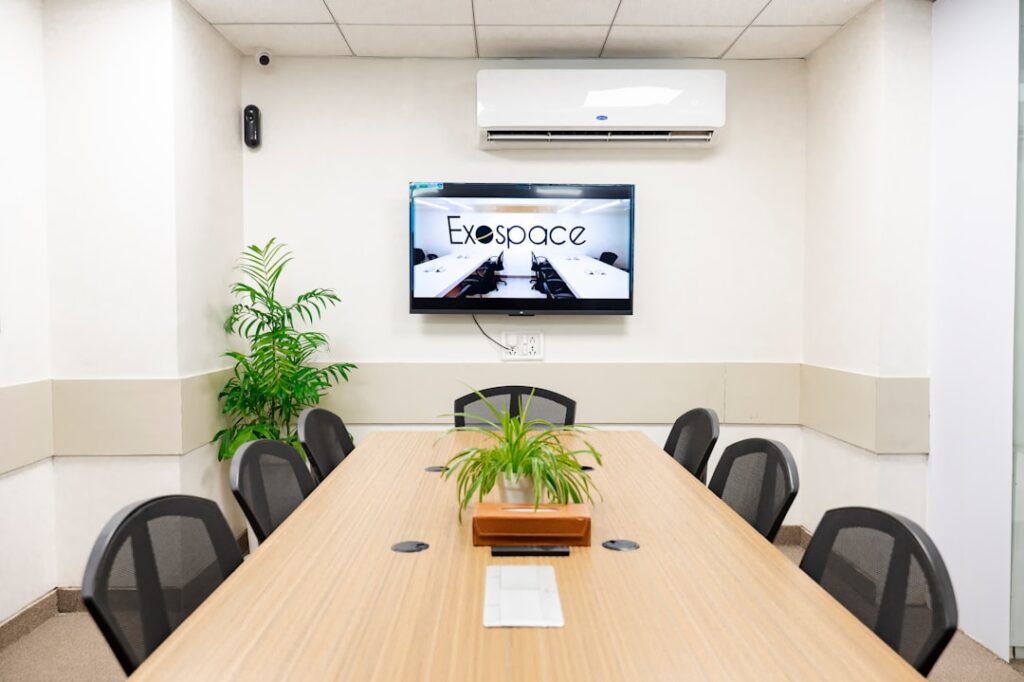
In the modern workplace, meetings are an essential component of collaboration and decision-making. However, the effectiveness of these gatherings often hinges on the systems in place to manage them. Efficient meeting systems not only streamline communication but also enhance productivity by ensuring that time is used wisely.
When meetings are well-structured, participants can focus on the agenda rather than getting bogged down in logistical issues or unclear objectives. This clarity fosters a more engaged atmosphere, where team members feel their contributions are valued and relevant. Moreover, efficient meeting systems can significantly reduce the time spent in meetings, allowing employees to allocate more hours to their core responsibilities.
Research indicates that poorly organized meetings can consume up to 50% of an employee’s workweek, leading to frustration and burnout. By implementing effective systems, organizations can minimize wasted time and maximize the potential for innovation and collaboration. This not only boosts morale but also enhances overall organizational performance, as teams become more agile and responsive to challenges.
Crafting Effective Agendas
An effective agenda serves as the backbone of any successful meeting. It provides a roadmap for discussion, ensuring that all necessary topics are covered while keeping participants focused on the objectives at hand. Crafting an agenda requires careful consideration of the meeting’s purpose and the desired outcomes.
Each item should be prioritized based on its importance and relevance to the overall goals of the meeting. This prioritization helps participants prepare adequately, allowing them to contribute meaningfully to discussions. In addition to outlining topics for discussion, an effective agenda should specify time allocations for each item.
This not only helps keep the meeting on track but also encourages participants to be concise in their contributions. Including a section for “action items” at the end of the agenda can further enhance its effectiveness by clearly delineating responsibilities and next steps. By distributing the agenda in advance, participants have the opportunity to review it and come prepared with insights or questions, fostering a more productive dialogue during the meeting itself.
Setting Clear Outcomes

Establishing clear outcomes is crucial for ensuring that meetings yield tangible results. Without defined objectives, discussions can meander aimlessly, leading to frustration and a lack of direction. Outcomes should be specific, measurable, achievable, relevant, and time-bound (SMART), providing a clear framework for what the meeting aims to accomplish.
For instance, rather than simply stating that a team will “discuss project updates,” a more effective outcome might be “to finalize the timeline for project milestones by the end of the meeting.” Communicating these outcomes at the beginning of the meeting sets expectations for all participants. It allows team members to align their contributions with the desired results, fostering a sense of accountability and purpose. Additionally, revisiting these outcomes throughout the meeting can help maintain focus and ensure that discussions remain relevant.
By clearly articulating what success looks like, teams can leave meetings with a sense of accomplishment and clarity regarding their next steps.
Ensuring Participation and Engagement
Active participation is vital for productive meetings, as diverse perspectives often lead to more innovative solutions. To foster engagement, facilitators should create an inclusive environment where all voices are heard and valued. This can be achieved by encouraging open dialogue and actively soliciting input from quieter members of the group.
Techniques such as round-robin sharing or small group discussions can help ensure that everyone has an opportunity to contribute. Moreover, utilizing interactive tools such as polls or brainstorming sessions can enhance engagement by making participants feel more involved in the decision-making process. When individuals see their ideas being considered and discussed, they are more likely to remain invested in the meeting’s outcomes.
Additionally, recognizing contributions publicly can further motivate team members to participate actively in future discussions, creating a culture of collaboration and shared ownership over projects.
Time Management Strategies
Effective time management is a cornerstone of productive meetings. One strategy is to establish a clear start and end time for each meeting, respecting participants’ schedules and commitments. This not only encourages punctuality but also instills a sense of urgency that can drive focused discussions.
Additionally, assigning a timekeeper can help monitor progress against the agenda, ensuring that each topic receives adequate attention without derailing the overall schedule. Another useful technique is to incorporate buffer times between agenda items. These short breaks allow participants to regroup and refocus before moving on to the next topic, preventing fatigue and maintaining engagement throughout the meeting.
Furthermore, if discussions begin to veer off course or become overly lengthy, having a designated facilitator who can gently steer conversations back on track is essential. By employing these time management strategies, organizations can create a more efficient meeting culture that respects participants’ time while maximizing productivity.
Utilizing Technology for Productive Meetings

In today’s digital age, technology plays a pivotal role in enhancing meeting productivity. Tools such as video conferencing platforms enable remote teams to connect seamlessly, breaking down geographical barriers and facilitating collaboration across distances. Features like screen sharing and collaborative document editing allow participants to engage with content in real-time, fostering a more interactive experience.
Moreover, project management software can be integrated into meetings to provide visual updates on progress and timelines. This not only keeps everyone informed but also allows for immediate feedback and adjustments as needed. Utilizing technology effectively can streamline communication before, during, and after meetings, ensuring that all participants are aligned and informed about decisions made during discussions.
By embracing these technological advancements, organizations can create a more dynamic and efficient meeting environment.
Establishing Accountability for Follow-Through
One of the most critical aspects of effective meetings is establishing accountability for follow-through on action items discussed during the gathering. At the conclusion of each meeting, it is essential to review decisions made and assign specific responsibilities to individuals or teams for each action item. This clarity ensures that everyone understands their roles and deadlines, reducing ambiguity and increasing the likelihood of successful implementation.
To reinforce accountability, organizations can implement tracking systems that monitor progress on action items between meetings. Regular check-ins or status updates can help keep team members accountable while providing opportunities for support or adjustments as needed. By fostering a culture of accountability, organizations not only enhance productivity but also build trust among team members as they rely on one another to fulfill commitments.
Addressing Common Meeting Pitfalls
Despite best efforts, meetings can still fall victim to common pitfalls that hinder their effectiveness. One prevalent issue is the tendency for discussions to become dominated by a few vocal participants while others remain silent. To combat this imbalance, facilitators should actively encourage input from all attendees and create opportunities for quieter members to share their thoughts without feeling overshadowed.
Another common pitfall is failing to follow up on action items from previous meetings. When teams neglect to revisit past commitments, it can lead to frustration and disengagement among participants who feel their contributions are not valued or acted upon. To address this issue, incorporating a brief review of previous action items at the beginning of each meeting can serve as a reminder of accountability while reinforcing the importance of follow-through.
Creating a Culture of Respect and Collaboration
A culture of respect and collaboration is fundamental for fostering productive meetings. When team members feel respected and valued, they are more likely to engage openly in discussions and contribute their ideas without fear of judgment. Leaders play a crucial role in modeling this behavior by actively listening to participants and acknowledging diverse perspectives.
Encouraging collaboration extends beyond individual meetings; it involves creating an environment where teamwork is celebrated and supported across all levels of the organization. This can be achieved through team-building activities or cross-departmental projects that promote relationship-building among colleagues. By cultivating a culture that prioritizes respect and collaboration, organizations can enhance overall morale while driving innovation through collective problem-solving.
Evaluating Meeting Effectiveness
To ensure continuous improvement in meeting practices, organizations must regularly evaluate their effectiveness. This evaluation process can involve gathering feedback from participants regarding their experiences during meetings—what worked well and what could be improved upon. Surveys or informal discussions can provide valuable insights into how meetings are perceived by team members.
Additionally, tracking key performance indicators (KPIs) related to meeting outcomes—such as completion rates for action items or participant engagement levels—can offer quantifiable data on effectiveness over time. By analyzing this information, organizations can identify trends or areas needing improvement while making informed adjustments to their meeting practices.
Implementing Continuous Improvement Practices
Continuous improvement practices are essential for refining meeting systems over time. Organizations should foster an environment where feedback is not only welcomed but actively sought out after each meeting cycle. This iterative approach allows teams to adapt their strategies based on real-time experiences rather than relying solely on past practices.
Incorporating regular training sessions focused on effective meeting techniques can also contribute to ongoing improvement efforts. By equipping team members with skills related to facilitation, agenda-setting, and engagement strategies, organizations empower individuals to take ownership of their contributions during meetings. Ultimately, by committing to continuous improvement practices, organizations can cultivate a culture of excellence that enhances both individual performance and collective outcomes in meetings.




