

A process library is a centralized repository containing documented procedures, workflows, and standardized practices that define how tasks are executed within an organization. This resource provides employees with structured guidelines for performing their duties and maintaining operational consistency. Process libraries contribute to organizational efficiency by establishing standardized methods for task execution, reducing procedural variations, and minimizing errors.
They create a unified reference point that aligns employee activities with organizational objectives and methodologies. This standardization typically results in more consistent outputs and measurable improvements in productivity metrics. Process libraries function as knowledge management systems, particularly valuable for organizations experiencing frequent personnel changes.
When employees leave, documented processes preserve institutional knowledge that would otherwise be lost. New employees can access these documented procedures during onboarding, reducing training time and enabling faster integration into existing workflows. This systematic approach to knowledge preservation helps maintain operational continuity regardless of staff turnover.
Organizations with comprehensive process libraries can implement changes more efficiently when responding to market conditions or operational requirements. The documented procedures provide a baseline for process improvement initiatives and facilitate systematic updates to organizational practices.
Identifying the Key Processes in Your Business
Identifying key processes within your business is the first step toward creating an effective process library. Key processes are those that are critical to the organization’s success and directly impact its ability to deliver value to customers. These processes can vary significantly across different industries and organizations, but they typically include core functions such as sales, customer service, product development, and supply chain management.
To pinpoint these processes, organizations can conduct a thorough analysis of their operations, engaging stakeholders from various departments to gather insights on what constitutes a key process. Once identified, it is crucial to prioritize these processes based on their impact on business objectives. For instance, a manufacturing company may find that its production line processes are vital for meeting customer demand and maintaining quality standards.
In contrast, a service-oriented business might prioritize customer interaction processes to enhance client satisfaction and retention. By focusing on these key processes, organizations can ensure that their process library addresses the most critical areas of their operations, ultimately leading to improved performance and customer satisfaction.
Documenting and Standardizing Processes for Consistency and Efficiency
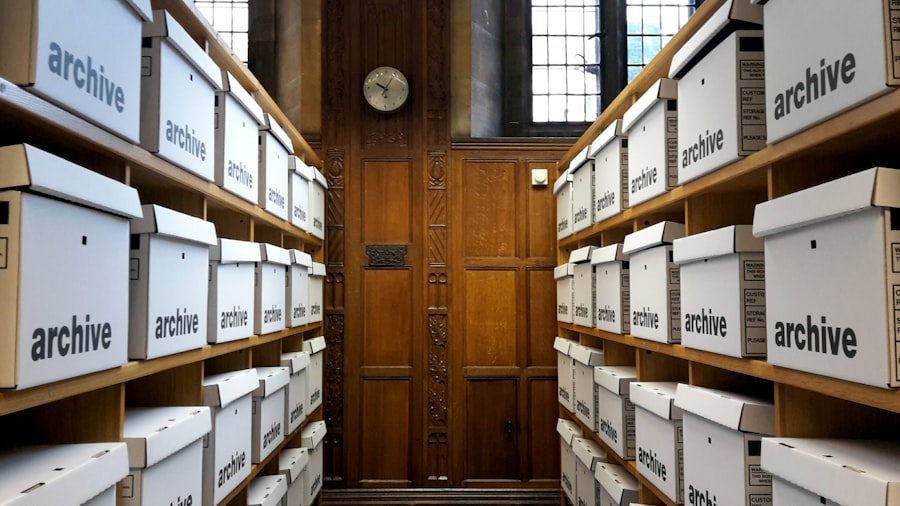
The documentation of processes is a fundamental aspect of building a process library. Each key process should be meticulously documented to provide clear instructions on how tasks should be performed. This documentation should include step-by-step procedures, roles and responsibilities, necessary tools or resources, and any relevant guidelines or standards.
Standardizing these processes is equally important; it ensures that every employee follows the same procedures, which minimizes variability and enhances overall efficiency. Standardization also plays a crucial role in quality control. When processes are documented and standardized, it becomes easier to identify deviations from the norm and implement corrective actions.
For example, in a customer service environment, having a standardized approach to handling customer inquiries can lead to quicker resolution times and higher customer satisfaction rates. Additionally, standardized processes facilitate training efforts, as new employees can refer to the documented procedures to learn their roles more effectively. This consistency not only streamlines operations but also builds trust among employees and customers alike.
Creating a Centralized Repository for Your Process Library
A centralized repository is essential for housing your process library effectively. This repository serves as the main access point for all documented processes, ensuring that employees can easily find the information they need without sifting through multiple sources or outdated documents. The repository can take various forms, such as an intranet site, a dedicated software platform, or even cloud-based storage solutions.
The key is to choose a format that aligns with your organization’s needs and technological capabilities. In addition to accessibility, a centralized repository enhances collaboration among teams. Employees from different departments can contribute to the process library by adding their insights or suggesting improvements to existing processes.
This collaborative approach not only enriches the content of the library but also fosters a sense of ownership among employees regarding the processes they follow. Furthermore, having a centralized location for all process documentation simplifies version control; updates can be made in one place, ensuring that everyone has access to the most current information.
Organizing and Categorizing Processes for Easy Access and Reference
Once you have established a centralized repository for your process library, the next step is organizing and categorizing the processes for easy access and reference. Effective organization involves grouping related processes together in a logical manner that reflects how employees interact with them in their daily tasks. For instance, processes could be categorized by department (e.g., sales, marketing, operations) or by function (e.g., onboarding, customer support, product development).
Using clear naming conventions and tags can further enhance the usability of the process library. Employees should be able to search for processes using keywords or phrases that resonate with their work experience. Additionally, incorporating visual aids such as flowcharts or diagrams can help clarify complex processes and make them more digestible for users.
By investing time in organizing and categorizing processes thoughtfully, businesses can significantly reduce the time employees spend searching for information, thereby increasing overall productivity.
Implementing a User-Friendly Interface for Navigating the Process Library

A user-friendly interface is crucial for ensuring that employees can navigate the process library with ease. The design of the interface should prioritize simplicity and intuitiveness, allowing users to find what they need quickly without unnecessary complications. Features such as search functionality, filters, and easy-to-navigate menus can greatly enhance user experience.
Additionally, incorporating responsive design principles ensures that the process library is accessible across various devices—be it desktops, tablets, or smartphones. User feedback should play an integral role in shaping the interface design. Conducting usability testing with actual employees can provide valuable insights into how they interact with the process library and what improvements can be made.
For example, if users struggle to locate specific processes or find certain features cumbersome, these insights can guide iterative design changes that enhance usability. Ultimately, a well-designed interface not only improves employee engagement with the process library but also encourages consistent usage across the organization.
Ensuring Security and Access Control for Sensitive Process Information
As organizations compile sensitive information within their process libraries—such as proprietary methodologies or confidential client data—ensuring security becomes paramount. Implementing robust access control measures is essential to protect this information from unauthorized access or breaches. Access controls can be established based on user roles; for instance, only certain employees may have permission to edit or delete documents while others may only have viewing rights.
Additionally, employing encryption methods for data storage and transmission can further safeguard sensitive information within the process library. Regular audits of access logs can help identify any unusual activity or potential security threats. Training employees on best practices for data security is also critical; they should be aware of how to handle sensitive information responsibly and recognize potential phishing attempts or other security risks.
By prioritizing security measures within the process library framework, organizations can protect their intellectual property while fostering trust among employees regarding data handling practices.
Integrating the Process Library with Other Business Systems and Tools
Integrating the process library with other business systems and tools can significantly enhance its utility within an organization. For instance, linking the process library with project management software allows teams to reference relevant procedures while working on specific tasks or projects seamlessly. This integration ensures that employees have immediate access to necessary guidelines without having to switch between multiple platforms.
Moreover, integrating the process library with communication tools such as Slack or Microsoft Teams can facilitate real-time collaboration among team members. Employees can share links to specific processes directly within their conversations or discussions about ongoing projects. This interconnectedness not only streamlines workflows but also reinforces the importance of adhering to established procedures throughout various stages of project execution.
By leveraging technology to create an integrated ecosystem around the process library, organizations can maximize its effectiveness and ensure that it becomes an integral part of daily operations.
Training and Onboarding Employees to Use the Process Library
Training and onboarding are critical components of ensuring that employees effectively utilize the process library. A well-structured training program should introduce new hires to the purpose of the process library and how it fits into their roles within the organization. This training could include hands-on workshops where employees practice navigating the repository, searching for specific processes, and understanding how to apply them in real-world scenarios.
Ongoing training sessions should also be conducted periodically to keep all employees updated on any changes or additions to the process library. As new processes are developed or existing ones are revised, it is essential that employees are informed about these updates so they can continue to perform their tasks efficiently. Additionally, creating user guides or video tutorials can serve as valuable resources for employees who may need a refresher on how to navigate the process library effectively.
Measuring and Analyzing the Impact of the Process Library on Business Performance
To understand the effectiveness of your process library, it is essential to measure and analyze its impact on business performance regularly. Key performance indicators (KPIs) such as time saved on task completion, reduction in errors or rework rates, and employee satisfaction scores can provide valuable insights into how well the process library is functioning. For instance, if data shows that teams are completing projects faster after implementing standardized processes from the library, this indicates a positive impact on efficiency.
Additionally, gathering qualitative feedback from employees about their experiences using the process library can uncover areas for improvement that quantitative data may not reveal. Surveys or focus groups can be effective methods for collecting this feedback. By analyzing both quantitative metrics and qualitative insights together, organizations can gain a comprehensive understanding of how their process library contributes to overall business performance and identify opportunities for further enhancement.
Continuously Updating and Improving the Process Library for Long-Term Success
The creation of a process library is not a one-time effort; it requires ongoing maintenance and improvement to remain relevant and effective over time. As businesses evolve—whether through changes in technology, market conditions, or internal restructuring—their processes must adapt accordingly. Establishing a regular review cycle for all documented processes ensures that they remain current and reflect best practices.
Encouraging employee input during this review cycle is crucial; those who work directly with specific processes often have valuable insights into what works well and what could be improved. Implementing a feedback mechanism within the process library allows users to suggest changes or report issues easily. By fostering a culture of continuous improvement around the process library, organizations can ensure that it remains a dynamic resource that evolves alongside their business needs—ultimately contributing to long-term success and operational excellence.




