
Paul Theroux’s “The Happy Isles of Oceania” is a travel memoir documenting the author’s journey across Pacific islands. Published in 1992, the book combines personal narrative with cultural observation as Theroux travels by kayak and other means through various island nations and territories in Oceania. The work covers Theroux’s visits to multiple Pacific destinations, including islands in Polynesia, Melanesia, and Micronesia.
Throughout his travels, he documents the geography, local customs, and social conditions he encounters. The book presents his interactions with island residents and his observations of how modernization and tourism have affected traditional Pacific island communities. Theroux’s account examines both the natural beauty of the Pacific islands and the economic and social challenges facing their populations.
He describes the contrast between the romanticized Western perception of tropical paradise and the realities of island life, including issues such as economic dependence, environmental concerns, and cultural change. The narrative follows his island-hopping journey while providing historical context and cultural analysis of the regions he visits.
Key Takeaways
- Paul Theroux offers a vivid exploration of the diverse cultures and landscapes of the Pacific Islands.
- The book emphasizes deep cultural immersion and personal encounters with the island inhabitants.
- It highlights both the natural beauty and the challenges faced by Oceania due to colonization and globalization.
- Adventures and misadventures provide insight into the complexities of travel in remote island settings.
- The narrative reflects on important lessons about cultural preservation and the impact of external influences on Oceania.
Exploring the Pacific Islands with Paul Theroux
Theroux’s exploration begins with a sense of adventure, as he embarks on a journey that takes him from the well-trodden paths of tourist hotspots to the more obscure corners of the Pacific. His travels are marked by a series of boat rides, flights, and encounters that reveal the unique character of each island. For instance, his visit to Tahiti is not merely a stopover in a tropical paradise; it becomes a lens through which he examines the impact of tourism on local culture and identity.
Theroux’s observations about the commercialization of such destinations serve as a critique of how globalization can dilute the authenticity of indigenous cultures. As he moves from one island to another, Theroux’s narrative is interspersed with historical context and personal anecdotes that enrich the reader’s understanding of the region. He delves into the stories behind each island’s name, its colonial past, and its current socio-political climate.
For example, his time in Fiji reveals not only its stunning landscapes but also its complex history of ethnic tensions and political upheaval. Through these explorations, Theroux invites readers to consider how geography shapes identity and how history continues to influence contemporary life in these islands.
Cultural Immersion in Oceania

Cultural immersion is a central theme in “The Happy Isles of Oceania,” as Theroux seeks to engage with the local customs, traditions, and ways of life that define each island community. His interactions with local people are often marked by curiosity and respect, as he strives to understand their perspectives and experiences. In Samoa, for instance, he participates in traditional ceremonies and rituals, gaining insight into the significance of communal life and familial bonds in Samoan culture.
These experiences are not merely observational; they are transformative moments that challenge Theroux’s own preconceptions about life in the Pacific. Theroux’s cultural immersion extends beyond mere participation; it involves a deep engagement with the stories and histories that shape these communities. He listens to elders recount tales of their ancestors, learning about the oral traditions that have preserved their heritage through generations.
This emphasis on storytelling highlights the importance of memory and identity in Oceania, where history is often conveyed through narrative rather than written records. By immersing himself in these cultural practices, Theroux underscores the richness of Pacific Islander identities and the resilience of their traditions in the face of modern challenges.
Adventures and Misadventures in the Pacific
The journey through Oceania is not without its share of adventures and misadventures, which Theroux recounts with both humor and humility. His travels are punctuated by unexpected encounters and challenges that test his resolve and adaptability. For example, during a boat trip to one of the more remote islands, he finds himself at the mercy of unpredictable weather conditions, leading to moments of uncertainty and anxiety.
These experiences serve as reminders that travel is often as much about navigating obstacles as it is about enjoying idyllic landscapes.
In one instance, he faces communication barriers that lead to misunderstandings with locals, highlighting the importance of patience and openness in cross-cultural interactions.
These moments of difficulty are balanced by serendipitous encounters that enrich his journey, such as stumbling upon a local festival or sharing meals with families who welcome him into their homes. Through these narratives, Theroux captures the unpredictable nature of travel while emphasizing the value of embracing both the highs and lows along the way.
Reflections on the Natural Beauty of Oceania
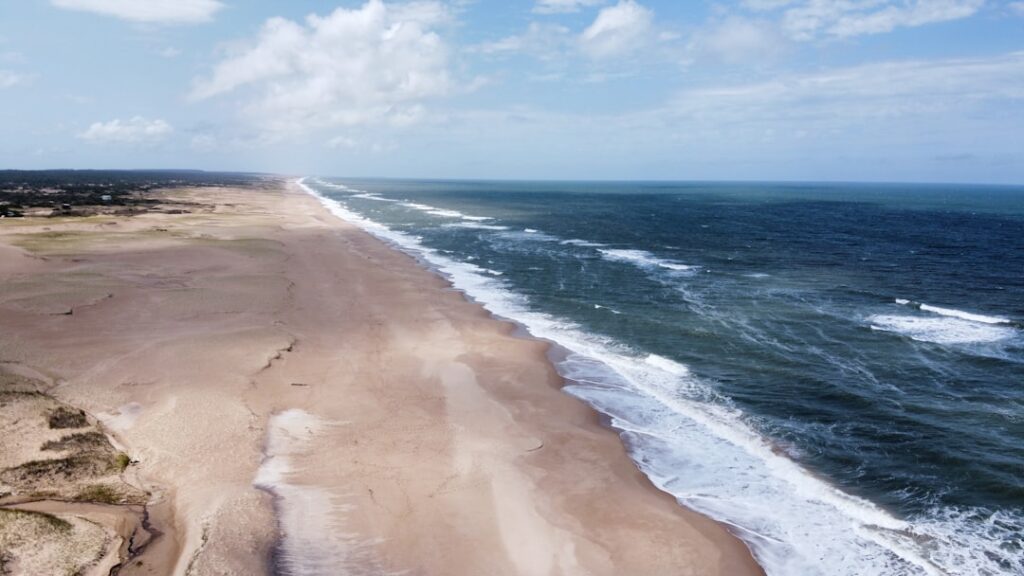
The natural beauty of Oceania is a recurring motif throughout Theroux’s narrative, serving as both a backdrop for his adventures and a source of inspiration for his reflections. The islands are characterized by their stunning landscapes—crystal-clear waters, lush rainforests, and dramatic volcanic formations—that evoke a sense of wonder and reverence. Theroux’s descriptions are rich with sensory detail; he paints vivid pictures of sunrises over tranquil lagoons and sunsets casting golden hues over rugged coastlines.
These moments invite readers to appreciate not only the aesthetic beauty but also the ecological significance of these environments. However, Theroux does not shy away from addressing the environmental challenges facing these islands. He reflects on issues such as climate change, rising sea levels, and deforestation, which threaten both the natural landscapes and the livelihoods of local communities.
His observations serve as a poignant reminder that even in paradise, there are pressing concerns that demand attention and action. By juxtaposing descriptions of breathtaking scenery with discussions about environmental degradation, Theroux encourages readers to consider their own relationship with nature and the responsibility that comes with it.
Encounters with the People of Oceania
One of the most compelling aspects of “The Happy Isles of Oceania” is Theroux’s encounters with the diverse peoples who inhabit these islands. His interactions range from casual conversations with fishermen to deeper discussions with community leaders, each providing unique insights into their lives and aspirations. In Papua New Guinea, for instance, he meets individuals who share their struggles with modernity while clinging to traditional practices.
These encounters highlight the tension between preserving cultural heritage and adapting to contemporary realities. Theroux’s ability to connect with people from various backgrounds underscores his belief in the power of human connection. He often finds common ground through shared experiences or mutual interests, fostering relationships that transcend cultural barriers.
In one memorable encounter, he engages in a spirited debate about politics with local youths who express their hopes for a better future. These dialogues not only enrich his understanding but also reflect the resilience and agency of Pacific Islanders as they navigate their own paths amidst global influences.
The Impact of Colonization and Globalization on Oceania
The legacy of colonization looms large over many Pacific Islands, shaping their histories and contemporary realities in profound ways. Theroux delves into this complex history, examining how colonial powers have influenced local cultures, economies, and governance structures. He reflects on how colonialism has left indelible marks on identity—often resulting in a struggle between traditional values and external pressures to conform to Western ideals.
This tension is particularly evident in places like Hawaii, where Theroux explores how native Hawaiian culture has been both celebrated and commodified in response to tourism. Globalization further complicates this landscape, introducing new dynamics that impact local communities.
While tourism can provide vital income streams, it can also result in cultural dilution and environmental degradation. In Fiji, for example, he notes how luxury resorts cater to international visitors while local communities grapple with issues such as land rights and resource management. Through these reflections, Theroux encourages readers to consider the broader implications of globalization on cultural identity and sustainability in Oceania.
Lessons Learned from The Happy Isles of Oceania
Throughout “The Happy Isles of Oceania,” Theroux imparts valuable lessons drawn from his experiences across these diverse islands. One key takeaway is the importance of humility in travel—recognizing that every destination has its own complexities and nuances that cannot be fully understood from an outsider’s perspective. His willingness to engage with locals and listen to their stories exemplifies this humility, fostering deeper connections that enrich his journey.
Another lesson revolves around resilience—the ability of island communities to adapt to changing circumstances while maintaining their cultural identities. Theroux’s encounters reveal a profound strength among Pacific Islanders as they navigate challenges posed by colonization, globalization, and environmental threats. Their stories serve as reminders that even in adversity, there exists an enduring spirit that celebrates heritage while embracing change.
Ultimately, “The Happy Isles of Oceania” is more than just a travel narrative; it is an exploration of humanity’s relationship with place—how geography shapes identity, how culture evolves over time, and how individuals find meaning within their environments. Through his journey across these islands, Paul Theroux invites readers to reflect on their own connections to place and culture while appreciating the beauty and complexity that define Oceania.
In “The Happy Isles of Oceania,” Paul Theroux explores the beauty and complexity of the Pacific Islands, weaving together personal anecdotes and cultural observations. For readers interested in further exploring themes of travel and adventure, a related article can be found at Hello World, which delves into the transformative power of travel and the unique experiences that come with exploring new cultures.
FAQs
What is “The Happy Isles of Oceania” about?
“The Happy Isles of Oceania” is a travelogue by Paul Theroux that chronicles his journey through the islands of the South Pacific. The book explores the diverse cultures, landscapes, and histories of Oceania, including places like Fiji, Samoa, Tonga, and New Zealand.
Who is Paul Theroux?
Paul Theroux is an American travel writer and novelist known for his detailed and insightful travel books. He has written extensively about his journeys around the world, combining personal experiences with cultural observations.
When was “The Happy Isles of Oceania” published?
“The Happy Isles of Oceania” was first published in 1992.
What regions does the book cover?
The book covers various islands and countries in the South Pacific region, including Fiji, Samoa, Tonga, New Caledonia, Vanuatu, and New Zealand, among others.
What themes are explored in the book?
The book explores themes such as cultural identity, colonial history, the impact of modernization on traditional societies, and the natural beauty and challenges of island life in Oceania.
Is “The Happy Isles of Oceania” a fictional or non-fictional work?
It is a non-fiction travel narrative based on Paul Theroux’s real-life experiences and observations during his journey through Oceania.
What style of writing does Paul Theroux use in this book?
Theroux employs a descriptive and reflective style, combining vivid storytelling with critical insights into the places and people he encounters.
Why is the book titled “The Happy Isles of Oceania”?
The title refers to the idyllic and often romanticized perception of the South Pacific islands as “happy” or paradise-like places, a notion that Theroux examines and sometimes challenges throughout his travels.
Is “The Happy Isles of Oceania” suitable for readers interested in travel literature?
Yes, the book is highly regarded in the travel literature genre and is recommended for readers interested in exploring the cultures and landscapes of the South Pacific through a seasoned travel writer’s perspective.
Has “The Happy Isles of Oceania” received any notable recognition?
While specific awards may vary, the book is considered one of Paul Theroux’s significant travel works and has been praised for its insightful and engaging portrayal of Oceania.




