
Robert Macfarlane is a British author born in 1976 in Edinburgh, Scotland, who specializes in nature writing and environmental literature. His work examines the connections between language, landscape, and human experience through a combination of memoir, travel writing, and environmental philosophy. Macfarlane has published several influential books including “Mountains of the Mind” (2003), “The Wild Places” (2007), and “Landmarks” (2015).
These works investigate how people relate to their natural environments and how geographical features influence human identity and culture. His writing focuses primarily on British landscapes, including mountains, forests, and coastal areas. “Mountains of the Mind” explores humanity’s fascination with mountains and high places, examining both the psychological and cultural aspects of mountaineering.
“The Wild Places” documents Macfarlane’s journeys to remote locations across Britain and Ireland in search of wilderness. “Landmarks” investigates the relationship between language and landscape, collecting regional terms for natural phenomena and geographical features that are disappearing from common usage. Macfarlane’s work contributes to contemporary discussions about environmental conservation and the importance of maintaining connections with natural spaces.
His writing style combines detailed observation with historical research and personal reflection, making complex environmental and philosophical concepts accessible to general readers. He has received recognition for his contributions to nature writing and environmental awareness through various literary awards and academic appointments.
Key Takeaways
- Robert Macfarlane emphasizes the deep connection between people and landmarks.
- Landmarks serve as vital guides to understanding the natural world and cultural identity.
- The language used to describe landmarks shapes our perception and relationship with them.
- Preserving landmarks is crucial for maintaining heritage and environmental integrity.
- Landmarks inspire creativity in literature and art, reflecting their enduring significance.
The Importance of Landmarks
Landmarks serve as vital points of reference in our physical and cultural landscapes. They are not merely geographical features; they embody history, memory, and identity. From towering mountains to ancient ruins, landmarks provide a sense of orientation and belonging.
They anchor us in our surroundings, offering a tangible connection to the past while also shaping our understanding of the present. In many cultures, landmarks are revered as symbols of heritage and pride, representing the stories and struggles of those who came before us. The significance of landmarks extends beyond their physical presence; they often play a crucial role in shaping local economies and communities.
For instance, iconic structures like the Eiffel Tower or the Great Wall of China attract millions of visitors each year, generating revenue and fostering cultural exchange. These landmarks become focal points for tourism, education, and conservation efforts, highlighting their multifaceted importance in contemporary society. Moreover, they serve as reminders of our shared humanity, transcending geographical boundaries and connecting people through their universal appeal.
Exploring the Natural World Through Landmarks
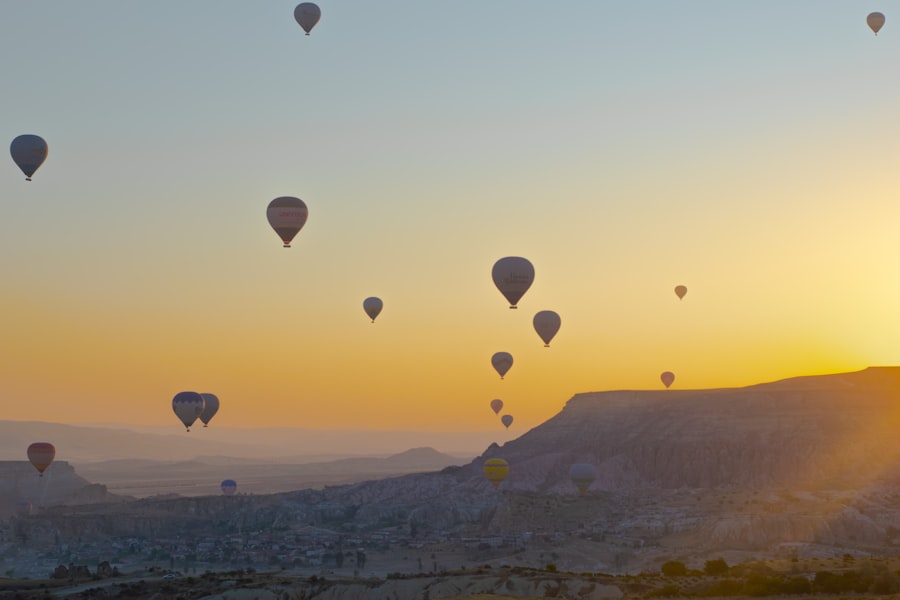
The exploration of natural landmarks offers a unique lens through which we can appreciate the beauty and complexity of our environment. Mountains, rivers, forests, and coastlines are not just backdrops; they are dynamic entities that shape ecosystems and influence human activity.
Similarly, the Amazon rainforest serves as a vital carbon sink, highlighting the interconnectedness of natural landmarks and global ecological health. Macfarlane’s writing often reflects this deep engagement with the natural world. In “The Wild Places,” he embarks on a journey to discover the remnants of wilderness in Britain, seeking out landscapes that have remained relatively untouched by human intervention.
Through his vivid descriptions and personal anecdotes, he invites readers to consider their own relationship with nature and the importance of preserving these wild spaces. By exploring natural landmarks, we gain insight into the delicate balance between human activity and environmental sustainability, prompting us to reflect on our responsibilities as stewards of the earth.
Landmarks and Cultural Identity
Landmarks are integral to cultural identity, serving as symbols that encapsulate the values, beliefs, and histories of communities. They often reflect the unique characteristics of a place, embodying its traditions and collective memory. For instance, Stonehenge stands as a testament to prehistoric engineering and spirituality in Britain, while the Pyramids of Giza represent the grandeur of ancient Egyptian civilization.
These landmarks not only attract tourists but also foster a sense of pride among local populations who identify with their cultural significance. Moreover, landmarks can act as catalysts for social cohesion and community engagement. They provide spaces for gathering, celebration, and reflection, reinforcing shared identities among diverse groups.
In many cases, landmarks become sites of activism and advocacy, where communities rally to protect their heritage from encroaching development or environmental degradation. The preservation of such sites is crucial for maintaining cultural continuity and ensuring that future generations can connect with their roots.
The Language of Landmarks
The language we use to describe landmarks plays a pivotal role in shaping our perceptions and experiences of them. Robert Macfarlane emphasizes this connection in his work by exploring how specific terms can evoke powerful imagery and emotions associated with particular landscapes. For example, words like “crag,” “moor,” or “glade” carry distinct connotations that resonate with those familiar with these environments.
This linguistic richness not only enhances our understanding of place but also fosters a deeper emotional connection to the land. Macfarlane’s exploration of language extends beyond mere vocabulary; he delves into the cultural narratives embedded within these terms. Many words associated with landscapes have historical roots that reflect human interactions with nature over centuries.
By examining these linguistic connections, we can gain insight into how different cultures perceive their environments and how language shapes our relationship with them. This interplay between language and landscape underscores the importance of preserving both our natural heritage and the linguistic diversity that articulates it.
Preserving and Protecting Landmarks
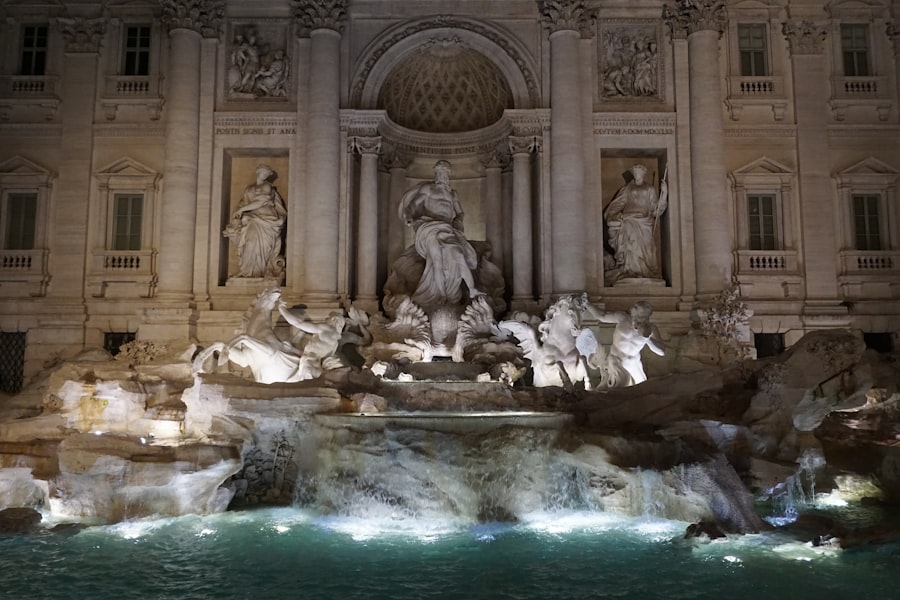
The preservation and protection of landmarks are critical issues in an era marked by rapid urbanization and environmental change. As populations grow and development pressures increase, many significant sites face threats from pollution, climate change, and neglect. The challenge lies in balancing economic growth with conservation efforts to ensure that these landmarks endure for future generations.
Organizations dedicated to heritage conservation work tirelessly to safeguard these sites through advocacy, education, and restoration initiatives. One notable example is the UNESCO World Heritage program, which aims to identify and protect sites of outstanding cultural or natural significance worldwide. This initiative highlights the global recognition of landmarks as irreplaceable treasures that contribute to our shared heritage.
Local communities also play a vital role in preservation efforts by advocating for sustainable practices that respect both cultural integrity and environmental health. Engaging local populations in conservation initiatives fosters a sense of ownership and responsibility toward these landmarks, ensuring their protection for years to come.
Landmarks in Literature and Art
Landmarks have long served as sources of inspiration for artists and writers across various mediums. In literature, they often symbolize broader themes such as exploration, identity, or conflict.
Similarly, in visual art, iconic landscapes have been immortalized by painters like J.M.W. Turner or Claude Monet, whose works capture the ephemeral beauty of nature. Robert Macfarlane himself draws upon literary traditions while crafting his narratives about landscapes.
His writing is imbued with references to other authors who have grappled with similar themes—such as John Muir’s reverence for wilderness or Nan Shepherd’s intimate portrayals of the Scottish Highlands. By situating his work within this rich literary context, Macfarlane not only honors those who came before him but also invites readers to engage with their own interpretations of place through artful expression.
The Future of Landmarks
As we look toward the future, the fate of landmarks hangs in a delicate balance between preservation efforts and modern challenges. Climate change poses significant threats to many natural landmarks—rising sea levels endanger coastal sites while extreme weather events can erode geological formations that have stood for millennia. Urbanization continues to encroach upon historical sites, often leading to their degradation or destruction in favor of new developments.
However, there is hope in the growing awareness surrounding conservation issues. Movements advocating for sustainable tourism practices emphasize responsible engagement with landmarks while promoting local economies without compromising cultural integrity or environmental health. Education plays a crucial role in fostering appreciation for these sites; by instilling a sense of stewardship in younger generations, we can ensure that landmarks remain vibrant symbols of our shared heritage.
In this evolving landscape where technology intersects with tradition—virtual reality experiences allow individuals to explore distant landmarks from their homes—there lies an opportunity to deepen our connection with these sites while advocating for their protection. As Robert Macfarlane eloquently illustrates through his work, engaging with landmarks is not merely an act of observation; it is an invitation to participate actively in preserving our collective history and nurturing our relationship with the natural world.
In “Landmarks,” Robert Macfarlane explores the intricate relationship between language and the natural world, emphasizing the importance of place and memory in our understanding of landscapes. A related article that delves into similar themes is available at Hello World, which discusses the significance of words in shaping our experiences and perceptions of the environment. This connection highlights how language can enrich our appreciation of the places we inhabit.
FAQs
Who is Robert Macfarlane?
Robert Macfarlane is a British writer and academic known for his works on nature, landscape, and the environment. He has authored several books exploring the relationship between people and places.
What is the book “Landmarks” about?
“Landmarks” is a book by Robert Macfarlane that explores the language of landscape and the ways in which people name and describe the natural world. It delves into the significance of place-names and the cultural and ecological importance of language connected to the environment.
When was “Landmarks” published?
“Landmarks” was first published in 2015.
What themes does “Landmarks” explore?
The book explores themes such as the power of language in shaping our connection to nature, the importance of preserving place-names, and the relationship between culture, history, and landscape.
Is “Landmarks” illustrated?
Yes, “Landmarks” includes illustrations and calligraphy by artist Jackie Morris, which complement the text and enhance the book’s focus on language and landscape.
What is the significance of place-names in “Landmarks”?
In “Landmarks,” place-names are shown to be vital in connecting people to their environment, preserving cultural heritage, and fostering a deeper understanding and appreciation of the natural world.
Has “Landmarks” received any awards or recognition?
“Landmarks” has been widely praised for its literary quality and its contribution to environmental writing, though specific awards may vary by region and publication.
Can “Landmarks” be used for educational purposes?
Yes, “Landmarks” is often used in educational settings to teach about language, geography, ecology, and cultural history, making it a valuable resource for students and educators interested in these topics.
Where can I purchase or read “Landmarks”?
“Landmarks” is available for purchase at bookstores, online retailers, and may also be found in libraries. Digital and audiobook versions may also be available depending on the platform.




