

“The Way of the World” is a seminal work that transcends the boundaries of conventional travel literature, offering readers a profound exploration of the human experience through the lens of travel. Written by the Swiss author Nicolas Bouvier, this book is not merely a recounting of geographical locations or cultural encounters; it is a philosophical meditation on the nature of existence, identity, and the interconnectedness of humanity. Bouvier’s narrative is imbued with a sense of wonder and curiosity, inviting readers to embark on a journey that is as much about introspection as it is about exploration.
The book chronicles Bouvier’s travels through various countries, particularly focusing on his journey from Europe to the East, specifically through the Balkans and into the heart of Asia. What sets “The Way of the World” apart from other travelogues is its lyrical prose and contemplative tone. Bouvier’s reflections on the landscapes he traverses and the people he encounters reveal a deep appreciation for the diversity of cultures and the shared experiences that bind us all.
Key Takeaways
- Nicolas Bouvier’s “The Way of the World” offers a vivid account of his life and extensive travels.
- The book explores deep themes such as cultural encounters, personal growth, and the nature of travel.
- Bouvier’s unique writing style blends poetic description with insightful observations, influencing travel literature.
- The work has been widely received as a classic, leaving a lasting legacy in both literary and travel communities.
- “The Way of the World” provides rich reflections on human experience through the lens of diverse places and cultures.
The Life and Travels of Nicolas Bouvier
Nicolas Bouvier was born in 1929 in Lausanne, Switzerland, and his early life was marked by a profound curiosity about the world beyond his immediate surroundings. After studying law and art history, he found himself drawn to the idea of travel as a means of self-discovery and exploration. In 1953, Bouvier embarked on a journey that would take him through some of the most captivating landscapes and cultures of the time.
His travels were not just physical; they were also deeply personal, as he sought to understand his place in a rapidly changing world. Bouvier’s journey began in Yugoslavia, where he was captivated by the rich tapestry of cultures and histories that coexisted within its borders. He traveled with his friend Thierry Vernet, and together they navigated through cities and rural areas, immersing themselves in local customs and traditions.
Their experiences were marked by both adventure and hardship, as they faced challenges such as language barriers, political tensions, and the unpredictability of travel itself. Bouvier’s ability to capture these moments with sensitivity and insight is one of the hallmarks of his writing, allowing readers to feel as though they are accompanying him on his journey.
Themes and Motifs in The Way of the World
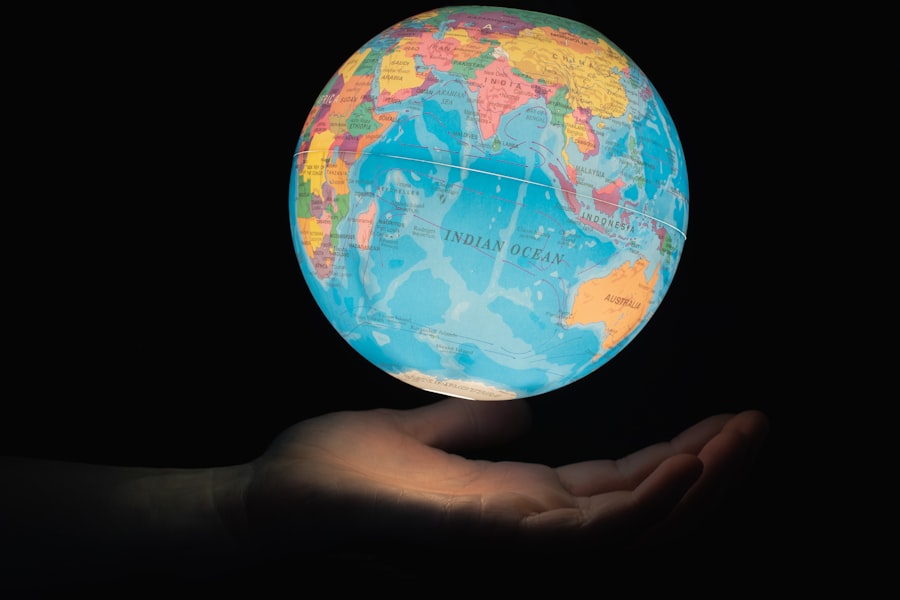
One of the central themes in “The Way of the World” is the idea of connection—both to place and to people. Bouvier emphasizes how travel can foster a sense of belonging, even in unfamiliar environments. He illustrates this through his interactions with locals, highlighting moments of genuine connection that transcend language and cultural differences.
For instance, he recounts instances where simple gestures or shared meals create bonds that linger long after the journey has ended. This theme resonates deeply with readers, reminding them that despite geographical distances, humanity shares common threads that unite us. Another prominent motif in Bouvier’s work is the concept of time.
Throughout “The Way of the World,” he reflects on how travel alters one’s perception of time, often leading to a more profound appreciation for the present moment. Bouvier’s narrative is punctuated by moments of stillness where he pauses to observe his surroundings, allowing readers to experience time as fluid rather than linear. This motif serves as a reminder that in our fast-paced lives, taking time to reflect and appreciate our surroundings can lead to greater insights about ourselves and our place in the world.
Bouvier’s Writing Style and Influence
Bouvier’s writing style is characterized by its poetic quality and vivid imagery. He employs rich descriptions that evoke not only the sights but also the sounds, smells, and emotions associated with each location he visits. His prose flows seamlessly between narrative storytelling and philosophical musings, creating a tapestry that engages readers on multiple levels.
For example, when describing a bustling market in Istanbul, Bouvier does not merely list the items for sale; instead, he immerses readers in the atmosphere, allowing them to feel the energy of the crowd and the vibrancy of colors. Moreover, Bouvier’s influence extends beyond his own writings; he has inspired countless travelers and writers who seek to capture the essence of their journeys. His ability to blend personal reflection with cultural observation has paved the way for a new genre of travel literature that prioritizes introspection alongside adventure.
Authors such as Pico Iyer and Paul Theroux have cited Bouvier as an influence in their own works, demonstrating how his approach to travel writing has left an indelible mark on contemporary literature.
Reception and Legacy of The Way of the World
Upon its publication in 1963, “The Way of the World” received critical acclaim for its innovative approach to travel writing. Critics praised Bouvier for his ability to transcend mere description and delve into deeper philosophical questions about existence and identity. The book resonated with readers who were seeking more than just a guidebook; they were looking for a narrative that spoke to their own experiences and aspirations.
Over time, “The Way of the World” has become a classic in travel literature, studied in academic settings and cherished by avid travelers alike. Bouvier’s legacy continues to thrive as new generations discover his work. The themes he explored—connection, time, and self-discovery—remain relevant in today’s increasingly globalized world.
As travelers navigate complex cultural landscapes, Bouvier’s insights serve as a guiding light, encouraging them to approach their journeys with curiosity and openness. His ability to articulate the nuances of human experience has solidified his place as one of the most significant voices in 20th-century literature.
Exploring the Places and Cultures in The Way of the World
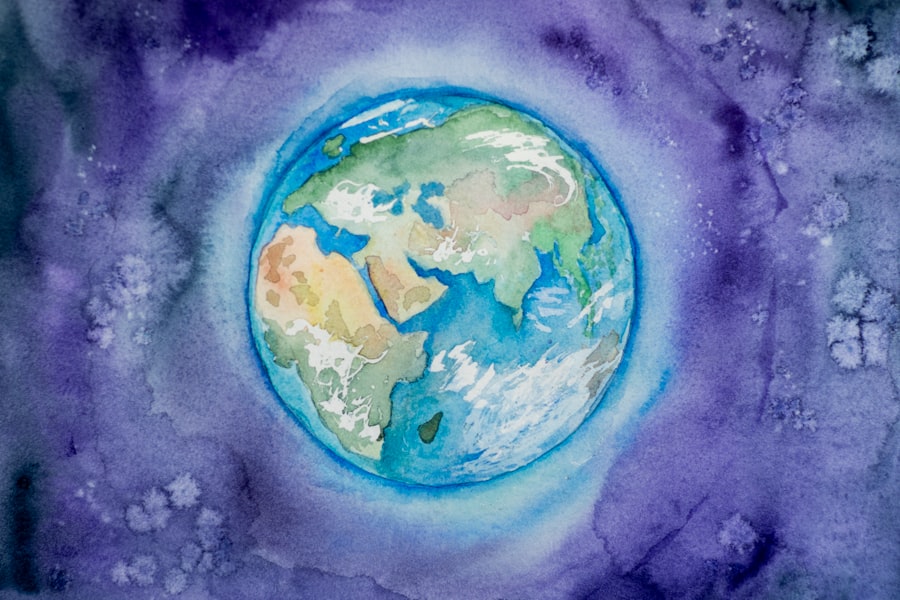
Bouvier’s travels take readers through a diverse array of landscapes and cultures, each contributing to his overarching narrative. From the rugged mountains of Yugoslavia to the bustling streets of Istanbul, each location is depicted with a sense of reverence and wonder. Bouvier’s keen observations allow readers to appreciate not only the physical beauty of these places but also their historical significance and cultural richness.
In one particularly evocative passage, Bouvier describes his time spent in Iran during a period of political upheaval. He captures the tension in the air while simultaneously highlighting moments of warmth and hospitality from locals who welcomed him into their homes. This duality reflects Bouvier’s understanding that places are often shaped by complex histories that cannot be reduced to simple narratives.
By presenting these multifaceted portrayals, he encourages readers to engage with cultures on a deeper level, fostering empathy and understanding.
Bouvier’s Reflections on Travel and the Human Experience
Throughout “The Way of the World,” Bouvier offers profound reflections on what it means to travel—not just physically but also emotionally and spiritually. He posits that travel is an act of courage; it requires individuals to step outside their comfort zones and confront unfamiliarity head-on. This confrontation often leads to moments of vulnerability but also opportunities for growth.
Bouvier’s insights remind readers that travel can be transformative, challenging preconceived notions about identity and belonging. Moreover, Bouvier emphasizes that travel is inherently tied to human experience; it is a way to connect with others while also exploring one’s own identity. He reflects on how encounters with diverse cultures can lead to self-discovery, prompting individuals to question their beliefs and values.
This introspective approach encourages readers to view travel not merely as an escape from daily life but as an essential part of understanding what it means to be human.
The Impact of The Way of the World on Travel Literature
“The Way of the World” has had a lasting impact on travel literature by redefining what it means to document one’s journeys. Bouvier’s emphasis on introspection over mere observation has inspired writers to explore their own narratives within their travels rather than simply cataloging experiences. This shift has led to a richer genre that values personal voice and emotional depth alongside geographical exploration.
As contemporary travelers seek authenticity in their experiences, Bouvier’s work serves as a reminder that every journey is unique and deeply personal. His ability to weave together personal anecdotes with broader cultural observations has paved the way for future authors who aim to capture not just places but also feelings associated with those places. In this way, “The Way of the World” remains not only a classic but also a vital source of inspiration for anyone who seeks to understand themselves through travel.
In exploring the themes of travel and self-discovery in Nicolas Bouvier’s “The Way of the World,” readers may find a related article on the transformative power of journeys in literature. This article delves into how travel narratives shape our understanding of the world and ourselves, much like Bouvier’s reflections. For more insights, you can read the article [here](https://hellread.com/2024/12/04/hello-world/).
FAQs
Who is Nicolas Bouvier?
Nicolas Bouvier was a Swiss writer and traveler known for his travel literature. He gained recognition for his vivid and poetic descriptions of his journeys.
What is “The Way of the World” by Nicolas Bouvier?
“The Way of the World” is a travel book written by Nicolas Bouvier. It recounts his journey from Geneva to the Indian subcontinent, capturing his experiences, observations, and reflections along the way.
When was “The Way of the World” published?
“The Way of the World” was originally published in 1963. It has since become a classic in travel literature.
What regions does “The Way of the World” cover?
The book covers a journey through various regions including the Balkans, Turkey, Iran, Afghanistan, and Pakistan, ultimately reaching India.
What themes are explored in “The Way of the World”?
The book explores themes such as cultural encounters, the nature of travel, human connections, and the contrast between different ways of life.
Is “The Way of the World” a factual travelogue or a fictional story?
“The Way of the World” is a factual travelogue based on Nicolas Bouvier’s real-life journey and experiences.
What style of writing does Nicolas Bouvier use in “The Way of the World”?
Bouvier’s writing style is poetic, reflective, and richly descriptive, blending personal narrative with cultural and historical insights.
Why is “The Way of the World” significant in travel literature?
The book is significant for its deep humanism, literary quality, and its ability to convey the complexities of travel beyond mere sightseeing, influencing many subsequent travel writers.
Has “The Way of the World” been translated into other languages?
Yes, “The Way of the World” has been translated into multiple languages, making it accessible to a global audience.
Can “The Way of the World” be used as a guide for travelers today?
While it offers valuable cultural insights and inspiration, the book is primarily a literary travelogue rather than a practical travel guide.




