
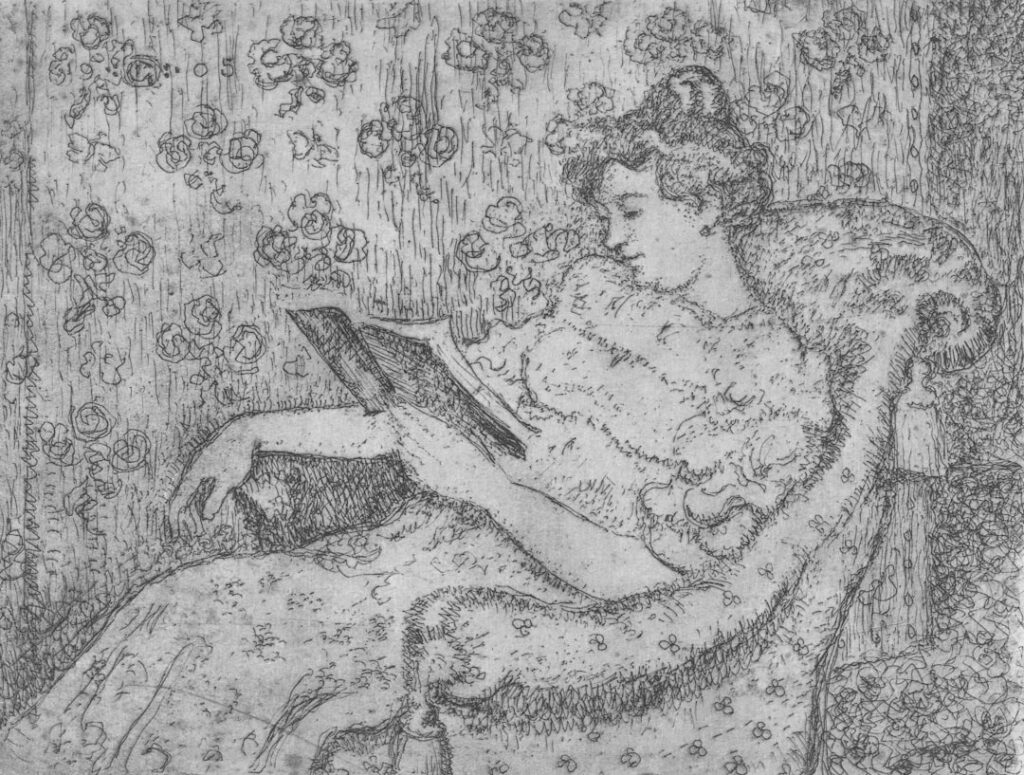
“Memoirs of a Woman of Pleasure,” commonly known as “Fanny Hill,” is a seminal work in the realm of erotic literature, penned by John Cleland in 1748. This novel stands out not only for its explicit content but also for its intricate exploration of human desire, societal norms, and the complexities of love and pleasure. The narrative follows the life of Fanny Hill, a young woman who navigates the tumultuous waters of 18th-century England’s sexual landscape.
Cleland’s work is often regarded as one of the first erotic novels in the English language, and it has sparked considerable debate regarding its artistic merit and moral implications. The novel’s significance extends beyond its eroticism; it serves as a lens through which readers can examine the social mores of the time. Cleland’s portrayal of Fanny’s experiences offers insights into the lives of women in a patriarchal society, where their autonomy and desires were often suppressed.
As such, “Fanny Hill” is not merely a tale of sexual escapades but a commentary on the broader themes of freedom, identity, and the quest for personal fulfillment in an era marked by rigid social conventions.
Key Takeaways
- “Memoirs of a Woman of Pleasure” is a novel written by John Cleland in 1748, also known as “Fanny Hill.”
- John Cleland was an English novelist and a controversial figure due to his scandalous and explicit writing.
- The novel sparked controversy and was banned for its explicit content, but it also explored themes of female sexuality and pleasure.
- The protagonist, Fanny Hill, is a young woman who enters the world of prostitution and experiences a journey of sexual awakening.
- “Memoirs of a Woman of Pleasure” has had a lasting impact on literature and culture, influencing modern interpretations and adaptations while also sparking discussions on gender and power dynamics.
The Life and Works of John Cleland
John Cleland was born in 1709 in England and led a life that was as colorful and tumultuous as the characters he created. His early education at Westminster School laid the groundwork for his literary pursuits, but his life took a turn when he became embroiled in various financial difficulties. Cleland’s experiences with debt and imprisonment influenced his writing, particularly in “Fanny Hill,” where themes of economic desperation and survival are prevalent.
His background in literature and his personal struggles provided him with a unique perspective on the human condition, which he adeptly translated into his works. In addition to “Fanny Hill,” Cleland wrote several other works, including poetry and plays, but none achieved the notoriety or impact of his most famous novel. His writing often reflected the complexities of human relationships and the interplay between desire and morality.
Despite facing significant backlash for his explicit content, Cleland remained undeterred in his exploration of taboo subjects. His ability to weave together humor, pathos, and eroticism has cemented his place in literary history, making him a pivotal figure in the development of erotic literature.
The Controversy Surrounding Memoirs of a Woman of Pleasure

The publication of “Memoirs of a Woman of Pleasure” ignited a firestorm of controversy that reverberated through 18th-century England. Upon its release, the novel was met with immediate criticism for its unabashed portrayal of sexual encounters and its candid exploration of female desire. Critics argued that Cleland’s work was morally reprehensible, claiming it would corrupt the minds of readers and undermine societal values.
The explicit nature of the text led to its classification as obscene, resulting in legal challenges and attempts to suppress its distribution. Despite—or perhaps because of—this controversy, “Fanny Hill” garnered a significant readership. The very act of censorship often fueled curiosity, leading to underground circulation among those eager to explore its provocative content.
The backlash against Cleland’s work highlighted the tension between artistic expression and societal norms, raising questions about the boundaries of literature and the role of censorship in shaping public discourse. This dichotomy continues to resonate today, as debates surrounding explicit content in literature remain relevant.
Themes and Symbolism in Memoirs of a Woman of Pleasure
At its core, “Memoirs of a Woman of Pleasure” delves into themes of desire, autonomy, and societal constraints. Fanny Hill’s journey is emblematic of the struggle for self-identity within a repressive society that often relegates women to mere objects of desire. Cleland intricately weaves these themes throughout the narrative, using Fanny’s experiences to critique the limitations placed on women’s sexual agency.
The novel serves as both a celebration of female pleasure and a poignant commentary on the societal forces that seek to control it. Symbolism plays a crucial role in enhancing these themes. The various settings in which Fanny finds herself—from brothels to lavish homes—reflect her shifting status within society and her evolving understanding of pleasure.
The characters she encounters serve as representations of different facets of human desire, each contributing to her growth and self-discovery. Cleland’s use of vivid imagery and rich descriptions further amplifies these themes, inviting readers to engage with Fanny’s world on both an emotional and intellectual level.
The Protagonist, Fanny Hill
Fanny Hill emerges as one of literature’s most memorable heroines, embodying both vulnerability and resilience. Her character is crafted with depth, allowing readers to witness her transformation from an innocent young woman to a savvy participant in her own sexual awakening. Fanny’s narrative voice is both candid and reflective, providing insight into her thoughts and feelings as she navigates a world fraught with challenges and temptations.
Throughout her journey, Fanny grapples with her desires while also confronting societal expectations. Her relationships with men are complex; they range from exploitative encounters to genuine connections that challenge her understanding of love and intimacy. Cleland’s portrayal of Fanny is multifaceted—she is not merely a passive object but an active agent in her own story.
This complexity invites readers to empathize with her struggles while also questioning the societal structures that shape her experiences.
The Representation of Sexuality and Pleasure in the Novel
“Memoirs of a Woman of Pleasure” is notable for its frank representation of sexuality and pleasure, which was groundbreaking for its time. Cleland does not shy away from depicting sexual acts; rather, he presents them as integral aspects of human experience. The novel explores various dimensions of pleasure—physical, emotional, and psychological—challenging contemporary notions about sexuality as something shameful or taboo.
The explicit nature of Fanny’s encounters serves to normalize female desire, presenting it as a natural part of life rather than something to be hidden or repressed. Cleland’s writing invites readers to engage with these themes without judgment, fostering an environment where pleasure can be celebrated rather than condemned. This radical approach not only positions Fanny as an empowered figure but also encourages readers to reconsider their own perceptions of sexuality.
Reception and Legacy of Memoirs of a Woman of Pleasure
The reception of “Memoirs of a Woman of Pleasure” has been marked by both acclaim and condemnation. Initially banned in several countries due to its explicit content, the novel nevertheless found its way into the hands of eager readers who were captivated by its boldness. Over time, critical perspectives have evolved; contemporary scholars recognize Cleland’s work as an important contribution to literary history that challenges traditional narratives surrounding sexuality.
The legacy of “Fanny Hill” extends beyond its initial publication; it has influenced countless writers and artists who grapple with themes of desire and identity. Its impact can be seen in subsequent works that explore eroticism with similar candor, paving the way for future generations to engage with these subjects more openly. As discussions around sexuality continue to evolve, Cleland’s novel remains relevant, serving as a touchstone for debates about freedom of expression and the representation of women’s experiences.
Censorship and Banning of Memoirs of a Woman of Pleasure
Censorship has played a significant role in shaping the narrative surrounding “Memoirs of a Woman of Pleasure.” Upon its release, the novel faced immediate scrutiny from authorities who deemed it obscene due to its explicit depictions of sexual acts. Legal battles ensued as publishers sought to defend the work against charges that threatened its distribution. This climate of censorship not only stifled artistic expression but also highlighted societal anxieties surrounding sexuality.
The attempts to ban “Fanny Hill” ultimately contributed to its notoriety; the very act of suppression often fueled curiosity among readers who sought out the text despite—or perhaps because of—the controversy surrounding it. This paradox illustrates how censorship can inadvertently elevate a work’s status within cultural discourse. The ongoing debates about censorship in literature continue to echo Cleland’s experiences, raising questions about the balance between protecting societal morals and preserving artistic freedom.
The Influence of Memoirs of a Woman of Pleasure on Literature and Culture
The influence of “Memoirs of a Woman of Pleasure” on literature and culture is profound and far-reaching. As one of the earliest examples of erotic fiction in English literature, it set a precedent for future writers who sought to explore themes related to sexuality and desire. Cleland’s candid approach paved the way for subsequent authors to tackle similar subjects without fear or hesitation.
Moreover, “Fanny Hill” has inspired adaptations across various media, including film, theater, and visual arts. Its enduring popularity speaks to its relevance in contemporary discussions about sexuality and gender dynamics. The novel’s exploration of female pleasure continues to resonate with modern audiences, prompting renewed interest in its themes and characters.
As society grapples with evolving attitudes toward sexuality, Cleland’s work remains an essential reference point for understanding the complexities inherent in human desire.
Gender and Power Dynamics in Memoirs of a Woman of Pleasure
Gender and power dynamics are central themes within “Memoirs of a Woman of Pleasure,” as Cleland deftly navigates the intricacies of male-female relationships in 18th-century England. Fanny Hill’s experiences reveal the stark power imbalances that characterize her interactions with men; she often finds herself at their mercy due to societal constraints that limit her autonomy. However, rather than portraying Fanny solely as a victim, Cleland crafts her character as one who actively seeks agency within these confines.
The novel illustrates how women were often commodified within patriarchal structures, yet Fanny’s journey reflects her resistance against such objectification. Through her relationships with various men—some exploitative, others more egalitarian—Fanny learns to assert her desires while navigating societal expectations. This nuanced portrayal invites readers to consider how power dynamics shape not only individual relationships but also broader societal norms regarding gender roles.
Modern Interpretations and Adaptations of Memoirs of a Woman of Pleasure
In recent years, “Memoirs of a Woman of Pleasure” has experienced a resurgence in interest as modern interpretations seek to recontextualize Cleland’s work for contemporary audiences. Adaptations have emerged across various platforms—film adaptations have sought to capture Fanny’s spirit while exploring themes relevant to today’s discussions about sexuality and empowerment. These reinterpretations often emphasize Fanny’s agency and resilience, highlighting her journey toward self-discovery amidst societal constraints.
Moreover, scholarly analysis has expanded to include feminist perspectives that examine how “Fanny Hill” can be understood through contemporary lenses on gender and sexuality. Modern critiques often celebrate Cleland’s willingness to confront taboo subjects while also interrogating the limitations imposed by his historical context. As society continues to evolve in its understanding of desire and identity, “Memoirs of a Woman of Pleasure” remains an essential text that invites ongoing dialogue about the complexities inherent in human relationships.
In exploring the themes of desire and societal constraints in John Cleland’s “Memoirs of a Woman of Pleasure,” one can find a fascinating discussion in a related article on Hellread. This article delves into the historical context of erotic literature and its impact on modern narratives of sexuality. For more insights, you can read the article [here](https://hellread.com/2024/12/04/hello-world/).
FAQs
What is “Memoirs of a Woman of Pleasure” by John Cleland?
“Memoirs of a Woman of Pleasure” is an erotic novel written by John Cleland and first published in 1748. It is also known as “Fanny Hill” and is considered one of the first original English prose pornography.
What is the plot of “Memoirs of a Woman of Pleasure”?
The novel follows the life of a young woman named Fanny Hill, who becomes a prostitute in London after being orphaned. The story details her sexual encounters and experiences in the city’s underground world of pleasure.
Is “Memoirs of a Woman of Pleasure” considered controversial?
Yes, “Memoirs of a Woman of Pleasure” has been the subject of controversy and censorship due to its explicit sexual content. It has been banned and censored in various countries throughout history.
What is the significance of “Memoirs of a Woman of Pleasure” in literature?
The novel is significant for its early exploration of female sexuality and its portrayal of a woman’s sexual agency. It has also been studied for its literary style and its place in the history of erotic literature.
Has “Memoirs of a Woman of Pleasure” been adapted into other forms of media?
Yes, the novel has been adapted into various forms of media, including film, television, and stage productions. It has also been the subject of academic study and analysis.




