

Fodor’s Essential Japan serves as a comprehensive guide for travelers seeking to immerse themselves in the rich tapestry of Japanese culture, history, and modernity. This guidebook is not merely a collection of travel tips; it is a curated experience that invites readers to explore the multifaceted nature of Japan. From the bustling streets of Tokyo to the serene temples of Kyoto, Fodor’s provides insights that help travelers navigate the complexities of this fascinating country.
The guide emphasizes the importance of understanding local customs, traditions, and etiquette, which are crucial for a respectful and enriching travel experience. The book is structured to cater to various interests, whether one is drawn to Japan’s historical landmarks, its culinary delights, or its natural beauty. Each section is meticulously crafted to highlight not only the must-see attractions but also hidden gems that often go unnoticed by the average tourist.
With practical advice on transportation, accommodation, and cultural nuances, Fodor’s Essential Japan equips travelers with the knowledge they need to make the most of their journey. It encourages a deeper connection with the land and its people, fostering an appreciation for the unique blend of ancient traditions and cutting-edge modernity that defines Japan.
Key Takeaways
- Fodor’s Essential Japan offers a comprehensive guide to experiencing the beauty and wonder of Japan.
- Japan’s unique culture and history can be explored through its traditional arts, festivals, and historical landmarks.
- Navigating Japan’s diverse and vibrant cities allows travelers to experience the blend of modernity and tradition.
- Japan’s stunning natural landscapes, including Mount Fuji and cherry blossom gardens, offer breathtaking experiences for nature lovers.
- Indulging in Japan’s world-renowned cuisine, such as sushi, ramen, and tempura, is a must for food enthusiasts visiting the country.
Exploring Japan’s Unique Culture and History
Japan’s culture is a rich amalgamation of ancient traditions and contemporary influences, making it one of the most intriguing societies in the world. The country’s history stretches back thousands of years, marked by significant events that have shaped its identity. From the Jomon period, known for its early pottery and hunter-gatherer societies, to the Heian period, which saw the flourishing of art and literature, each era has left an indelible mark on Japanese culture.
The influence of Buddhism and Shintoism can be seen in various aspects of daily life, from festivals to architectural styles, creating a unique spiritual landscape that continues to resonate with the Japanese people today. One cannot discuss Japanese culture without mentioning its profound respect for nature and seasonal changes. This reverence is evident in traditional practices such as Hanami, the cherry blossom viewing festival, which celebrates the fleeting beauty of sakura blossoms each spring.
Similarly, the changing colors of maple leaves in autumn are celebrated through Momijigari, where people venture into nature to appreciate the vibrant hues. These cultural practices reflect a deep-seated connection to the environment and an understanding of impermanence, which is a recurring theme in Japanese art and philosophy.
Navigating Japan’s Diverse and Vibrant Cities
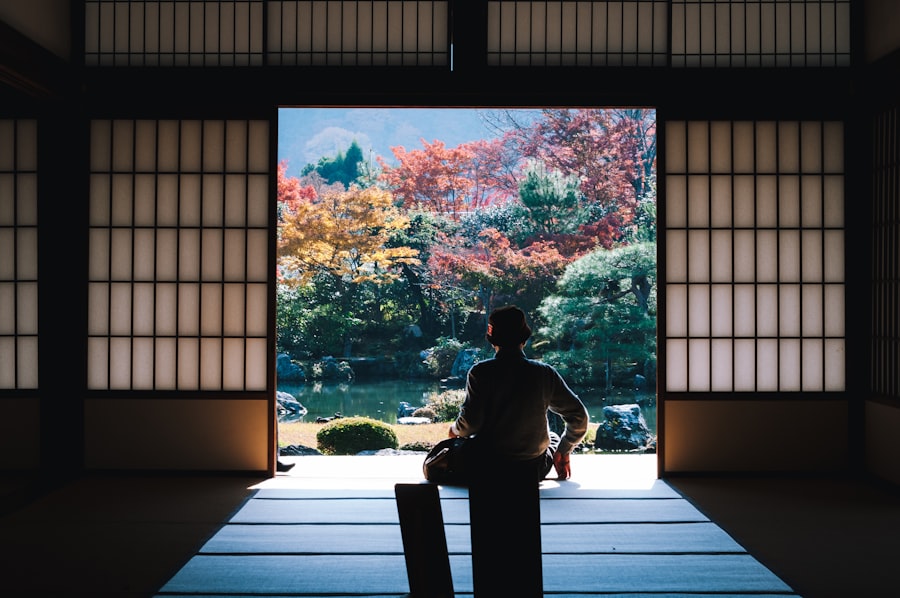
Japan’s cities are a testament to its dynamic blend of tradition and innovation. Tokyo, the capital city, is a sprawling metropolis that offers an exhilarating mix of ultramodern skyscrapers and historic temples. The Shibuya Crossing, often dubbed the busiest pedestrian intersection in the world, epitomizes Tokyo’s frenetic energy.
Nearby, one can find the tranquil Meiji Shrine, surrounded by a lush forest that provides a stark contrast to the urban landscape. This juxtaposition is emblematic of Japan’s ability to harmonize the old with the new, creating spaces where history coexists with contemporary life. Osaka, known for its vibrant street food scene and friendly locals, presents another facet of urban Japan.
The Dotonbori district is famous for its neon lights and culinary delights, where visitors can indulge in local specialties such as takoyaki and okonomiyaki. The city’s rich history is encapsulated in landmarks like Osaka Castle, which offers insights into Japan’s feudal past. Meanwhile, Kyoto stands as a living museum of traditional Japanese culture, with its well-preserved temples, tea houses, and geisha districts.
Each city in Japan has its own unique character and charm, inviting travelers to explore diverse experiences that reflect the country’s multifaceted identity.
Discovering Japan’s Stunning Natural Landscapes
Beyond its urban centers lies a breathtaking array of natural landscapes that showcase Japan’s geographical diversity. From snow-capped mountains to serene coastlines, the country offers a plethora of outdoor experiences for nature enthusiasts. The Japanese Alps provide stunning vistas and opportunities for hiking and skiing, while Mount Fuji stands as an iconic symbol of Japan’s natural beauty.
Climbing this sacred mountain is a rite of passage for many locals and tourists alike, offering not only physical challenge but also spiritual fulfillment as one ascends to its summit. In addition to mountainous terrains, Japan boasts picturesque coastlines dotted with beautiful beaches and tranquil islands. The Okinawa archipelago is renowned for its crystal-clear waters and vibrant coral reefs, making it a paradise for snorkeling and diving enthusiasts.
Meanwhile, places like Nara Park offer a unique blend of nature and culture, where visitors can stroll among free-roaming deer while admiring ancient temples. The changing seasons further enhance Japan’s natural beauty; cherry blossoms in spring and vibrant foliage in autumn create stunning backdrops that captivate both locals and visitors alike.
Indulging in Japan’s World-renowned Cuisine
Japanese cuisine is celebrated worldwide for its emphasis on fresh ingredients, meticulous presentation, and harmonious flavors. The culinary landscape is incredibly diverse, ranging from street food stalls to Michelin-starred restaurants. Sushi is perhaps the most iconic representation of Japanese food culture; however, it is just one facet of a much larger gastronomic tradition.
Dining in Japan often transcends mere sustenance; it is an experience steeped in ritual and respect for ingredients. Kaiseki dining exemplifies this philosophy through its multi-course meals that showcase seasonal produce and meticulous preparation techniques.
Each dish is presented with artistic flair, reflecting not only taste but also aesthetics. Furthermore, izakayas—casual pubs serving small plates—offer an opportunity to sample a variety of dishes in a relaxed setting. The communal aspect of dining in izakayas fosters social connections among friends and strangers alike, embodying the spirit of hospitality that permeates Japanese culture.
Experiencing Japan’s Rich Tradition of Art and Architecture
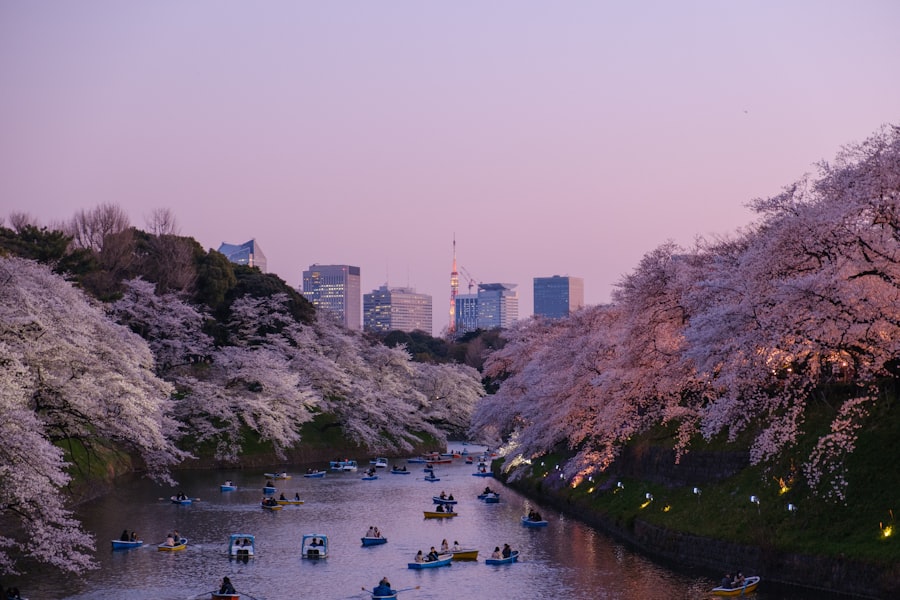
Japan’s artistic heritage is as diverse as its landscapes and cuisine. Traditional arts such as calligraphy (shodo), pottery (yakimono), and textile arts (such as kimono weaving) have been practiced for centuries and continue to thrive today. Each art form carries with it a deep sense of history and cultural significance.
For instance, ukiyo-e woodblock prints from the Edo period depict scenes from everyday life and nature, capturing the essence of Japanese aesthetics that emphasize simplicity and beauty. Architecturally, Japan boasts an array of styles that reflect its historical evolution.
The use of natural materials like wood and paper allows these buildings to blend seamlessly into their surroundings. In contrast, contemporary architecture in cities like Tokyo pushes boundaries with innovative designs that challenge conventional norms while still respecting traditional values. Notable architects such as Tadao Ando have gained international acclaim for their ability to create spaces that evoke tranquility amidst urban chaos.
Practical Tips for Traveling in Japan
Traveling in Japan can be an enriching experience if one is well-prepared. Understanding local customs is essential; for example, bowing is a common form of greeting that reflects respect in Japanese culture. Additionally, it is customary to remove shoes when entering homes or certain traditional establishments like ryokans (inns) or temples.
Familiarizing oneself with basic Japanese phrases can also enhance interactions with locals who may appreciate any effort made to communicate in their language. Transportation in Japan is efficient and user-friendly, particularly with the extensive rail network that connects major cities and regions. The Japan Rail Pass offers unlimited travel on most trains for a set period, making it an economical choice for tourists planning to explore multiple destinations.
While navigating public transport can seem daunting at first due to language barriers or complex signage, many stations provide English translations and helpful staff are often available to assist travelers. Moreover, cash remains king in many establishments; thus carrying yen is advisable as some places may not accept credit cards.
Embracing the Beauty and Wonder of Japan
Japan stands as a testament to the beauty found in contrasts—where ancient traditions coexist with modern innovations, where bustling cities are juxtaposed against serene landscapes, and where culinary artistry meets deep-rooted cultural practices. Fodor’s Essential Japan serves as an invaluable resource for those looking to delve into this captivating country. By embracing both its historical depth and contemporary vibrancy, travelers can gain a profound appreciation for what makes Japan truly unique.
As one embarks on this journey through Japan’s cities, landscapes, cuisine, art, and traditions, they are invited not just to observe but to engage with a culture that values harmony, respect, and beauty in all forms. Whether it’s savoring a bowl of ramen at a local eatery or standing in quiet contemplation before a centuries-old temple, each experience contributes to a deeper understanding of this remarkable nation. In doing so, travelers not only enrich their own lives but also foster connections that transcend borders—an enduring legacy of their time spent in Japan.
If you’re planning a trip to Japan and have found “Fodor’s Essential Japan” by Fodor’s Travel Guides to be an invaluable resource, you might also be interested in exploring additional travel insights and tips. A related article that could complement your reading is available on Hellread, which offers a variety of travel-related content. You can check out their article titled “Hello World” for more travel inspiration and advice by visiting this link. This article might provide further context and ideas to enhance your travel itinerary in Japan.
FAQs
What is Fodor’s Essential Japan by Fodor’s Travel Guides?
Fodor’s Essential Japan is a comprehensive travel guidebook published by Fodor’s Travel Guides. It provides detailed information on various aspects of traveling in Japan, including popular attractions, accommodations, dining options, and cultural experiences.
What does the Fodor’s Essential Japan guide cover?
The Fodor’s Essential Japan guide covers a wide range of topics related to traveling in Japan, including major cities, cultural attractions, outdoor activities, dining and accommodation options, transportation, and practical travel tips.
Is Fodor’s Essential Japan suitable for first-time visitors to Japan?
Yes, Fodor’s Essential Japan is suitable for first-time visitors to Japan. The guide provides essential information and recommendations to help travelers navigate the country and make the most of their trip.
Does Fodor’s Essential Japan include maps and practical travel tips?
Yes, Fodor’s Essential Japan includes detailed maps of major cities and regions in Japan, as well as practical travel tips on topics such as transportation, etiquette, and cultural customs.
Is Fodor’s Essential Japan available in digital formats?
Yes, Fodor’s Essential Japan is available in digital formats, including e-books and mobile apps, making it convenient for travelers to access the guide on their electronic devices while on the go.




