

Lonely Planet Japan serves as an essential guide for travelers seeking to explore the rich tapestry of this island nation. Renowned for its meticulous attention to detail, the guide offers insights that go beyond mere tourist attractions, delving into the heart of Japanese culture, history, and everyday life. With its comprehensive coverage, Lonely Planet Japan caters to a diverse range of travelers, from those seeking adventure in the bustling streets of Tokyo to those yearning for tranquility in the serene temples of Kyoto.
The guide is not just a collection of places to visit; it is a gateway to understanding the nuances of a society that balances ancient traditions with cutting-edge modernity. The guidebook is structured to provide a seamless travel experience, featuring practical tips, cultural etiquette, and recommendations that resonate with both first-time visitors and seasoned travelers. Each section is meticulously crafted to ensure that readers can navigate Japan’s complex landscape with confidence.
Whether you are interested in exploring the vibrant nightlife of Osaka or the historical significance of Hiroshima, Lonely Planet Japan equips you with the knowledge needed to make informed decisions and create unforgettable memories.
Key Takeaways
- Lonely Planet Japan is a comprehensive travel guide that provides valuable information on the history, culture, top destinations, food and drink recommendations, accommodation options, transportation tips, and practical information for traveling in Japan.
- Japan has a rich history and culture, with influences from Shintoism, Buddhism, and Confucianism, as well as a strong emphasis on traditional arts such as tea ceremonies, calligraphy, and flower arranging.
- Top destinations and attractions in Japan include the bustling city of Tokyo, the historic city of Kyoto, the iconic Mount Fuji, the traditional town of Takayama, and the scenic island of Okinawa.
- Food and drink recommendations in Japan include trying sushi and sashimi, sampling different types of ramen, indulging in Japanese wagyu beef, and experiencing the traditional tea ceremony.
- Accommodation options in Japan range from traditional ryokans and minshukus to modern hotels and guesthouses, providing a variety of experiences for travelers.
History and Culture of Japan
Japan’s history is a fascinating narrative that spans thousands of years, marked by periods of isolation and rapid modernization. The Jomon period, which began around 14,000 BCE, is characterized by its hunter-gatherer culture and the development of pottery. This era laid the groundwork for the emergence of more complex societies.
The subsequent Yayoi period introduced rice cultivation and metalworking, which significantly influenced social structures and economic practices. The arrival of Buddhism from Korea in the 6th century further transformed Japanese culture, intertwining spiritual beliefs with artistic expression. The Edo period (1603-1868) represents a pivotal chapter in Japan’s history, marked by peace and stability under the Tokugawa shogunate.
This era saw the flourishing of arts such as ukiyo-e (woodblock printing) and kabuki theater, which continue to influence contemporary Japanese culture. The Meiji Restoration in 1868 heralded a new age of modernization as Japan opened its doors to the West, adopting Western technologies and ideas while striving to maintain its unique cultural identity. This duality—embracing modernity while honoring tradition—remains a defining characteristic of Japan today.
Top Destinations and Attractions in Japan
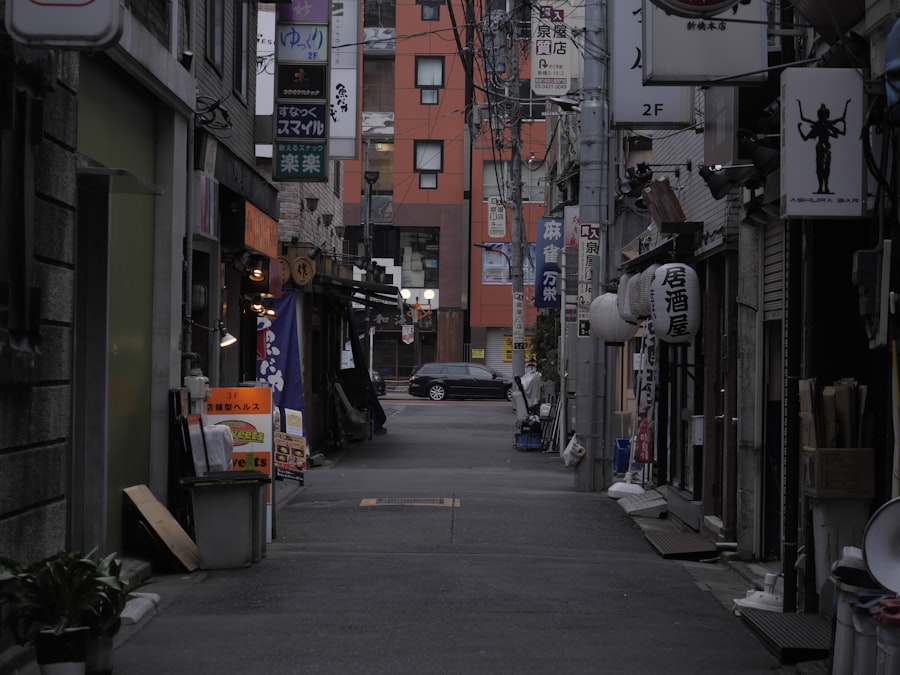
Japan boasts an array of destinations that cater to various interests, making it a treasure trove for travelers. Tokyo, the capital city, is a vibrant metropolis where ancient shrines coexist with futuristic skyscrapers. The iconic Shibuya Crossing exemplifies this juxtaposition, as thousands of pedestrians navigate the intersection amidst neon lights and bustling shops.
Visitors can explore historic sites like the Meiji Shrine or indulge in retail therapy in districts such as Harajuku and Ginza. Tokyo’s culinary scene is equally diverse, offering everything from Michelin-starred restaurants to street food stalls. Kyoto, often regarded as the cultural heart of Japan, is home to over 1,600 temples and shrines, including the famous Kinkaku-ji (Golden Pavilion) and Fushimi Inari Taisha with its thousands of vermilion torii gates.
The city’s traditional tea houses and geisha districts provide a glimpse into Japan’s past, allowing visitors to experience the elegance of kaiseki dining or attend a tea ceremony. Beyond Kyoto, destinations like Hiroshima offer poignant reminders of history with sites such as the Hiroshima Peace Memorial Park, while the natural beauty of places like Mount Fuji and the Japanese Alps invites outdoor enthusiasts to explore hiking trails and scenic vistas.
Food and Drink Recommendations in Japan
Japanese cuisine is a culinary art form that emphasizes seasonal ingredients and meticulous presentation. Sushi is perhaps the most famous dish internationally, but it represents just a fraction of Japan’s diverse food landscape. In Tokyo, visitors can savor fresh sushi at Tsukiji Outer Market or indulge in a traditional kaiseki meal that showcases multiple courses prepared with precision.
Ramen, another beloved dish, varies by region; for instance, Sapporo is known for its rich miso ramen, while Hakata specializes in tonkotsu (pork bone) broth. Street food also plays a significant role in Japanese gastronomy. Takoyaki (octopus balls) and okonomiyaki (savory pancakes) are popular choices found at food stalls across cities like Osaka.
For those looking to experience local beverages, sake tasting offers an opportunity to explore Japan’s rice wine culture. Each region produces distinct varieties influenced by local water sources and brewing techniques. Additionally, matcha (powdered green tea) has gained global popularity; visitors can enjoy it in traditional tea ceremonies or as an ingredient in desserts like matcha ice cream.
Accommodation Options in Japan
Japan offers a wide range of accommodation options that cater to different budgets and preferences. Traditional ryokan inns provide an authentic experience, allowing guests to sleep on tatami mats and enjoy kaiseki meals prepared with local ingredients. Staying at a ryokan often includes access to onsen (hot springs), which are integral to Japanese culture and relaxation practices.
Popular ryokan destinations include Hakone and Beppu, where visitors can unwind in natural mineral baths surrounded by picturesque landscapes. For those seeking modern amenities, hotels ranging from luxury chains to budget-friendly hostels are widely available. Business hotels are particularly common in urban areas, offering compact yet comfortable rooms equipped with essential services for travelers on the go.
Capsule hotels have gained popularity for their unique sleeping pods that maximize space while providing privacy—a novel experience for adventurous travelers. Additionally, Airbnb options have emerged as an alternative for those looking for home-like accommodations in residential neighborhoods.
Transportation Tips for Traveling in Japan

Navigating Japan’s extensive transportation network can be both efficient and enjoyable. The Shinkansen, or bullet train, is one of the fastest and most convenient ways to travel between major cities such as Tokyo, Kyoto, and Osaka. With speeds reaching up to 320 km/h (200 mph), these trains offer a comfortable ride with stunning views of the countryside.
Purchasing a Japan Rail Pass before arrival can provide significant savings for travelers planning multiple long-distance journeys. Within cities, public transportation systems are highly reliable and user-friendly. Tokyo’s subway system is one of the most extensive in the world, featuring clear signage in English and easy-to-use ticketing machines.
For those who prefer flexibility, renting a bicycle is an excellent way to explore cities like Kyoto at a leisurely pace while taking in local sights.
Practical Information for Traveling in Japan
When planning a trip to Japan, it’s essential to be aware of practical considerations that can enhance your travel experience. Currency exchange can be done at airports or banks; however, many establishments still prefer cash transactions over credit cards.
Additionally, tipping is not customary in Japan; exceptional service is expected as part of the hospitality culture. Language can be a barrier for some travelers; while many Japanese people understand basic English, learning a few key phrases can go a long way in fostering positive interactions. Simple greetings or expressions of gratitude are appreciated by locals.
Furthermore, understanding cultural etiquette—such as bowing when greeting someone or removing shoes before entering homes—can enrich your experience and demonstrate respect for Japanese customs.
Conclusion and Final Thoughts on Lonely Planet Japan
Lonely Planet Japan stands out as an invaluable resource for anyone looking to immerse themselves in the wonders of this captivating country. Its detailed insights into history, culture, cuisine, and practical travel tips empower visitors to navigate Japan with confidence and curiosity. The guidebook not only highlights must-see attractions but also encourages exploration off the beaten path—inviting travelers to discover hidden gems that reflect the true essence of Japanese life.
As you embark on your journey through Japan, let Lonely Planet be your companion in uncovering the layers of this multifaceted nation. From the bustling streets of Tokyo to the tranquil temples of Kyoto, each destination offers unique experiences that resonate long after your visit has ended. With its blend of tradition and innovation, Japan promises an unforgettable adventure that will leave an indelible mark on your travel memories.
If you’re planning a trip to Japan and have found “Lonely Planet Japan” by Lonely Planet to be an invaluable resource, you might also be interested in exploring additional travel insights and tips. A related article that could enhance your travel experience is available on Hellread. This article provides further exploration into the cultural nuances and hidden gems of Japan, complementing the comprehensive guide offered by Lonely Planet. For more detailed information, you can read the article by visiting this link.
FAQs
What is Lonely Planet Japan?
Lonely Planet Japan is a comprehensive travel guidebook that provides detailed information about traveling in Japan. It includes recommendations for accommodations, restaurants, attractions, transportation, and more.
Who is the author of Lonely Planet Japan?
Lonely Planet Japan is written by the travel experts at Lonely Planet, a well-known travel guidebook publisher.
What information does Lonely Planet Japan cover?
Lonely Planet Japan covers a wide range of information including cultural insights, language tips, budgeting advice, maps, and suggested itineraries for different regions of Japan.
Is Lonely Planet Japan available in different formats?
Yes, Lonely Planet Japan is available in print format as well as in digital formats such as e-books and mobile apps for easy access while traveling.
Is Lonely Planet Japan only for backpackers and budget travelers?
No, Lonely Planet Japan caters to all types of travelers, including backpackers, budget travelers, and those seeking luxury experiences. It provides options for a variety of travel styles and budgets.
Can Lonely Planet Japan be used for trip planning and on-the-go reference?
Yes, Lonely Planet Japan is designed to be used for both trip planning and as a reference guide while traveling. It provides practical information and recommendations for all stages of a trip to Japan.




