

Accessibility is a fundamental aspect of creating inclusive environments, whether in digital spaces or physical locations. It ensures that individuals with disabilities can participate fully in society, enjoying the same opportunities as those without disabilities. The importance of accessibility extends beyond mere compliance with laws; it embodies the principles of equity and social justice.
When environments are accessible, they empower individuals to engage in everyday activities, from shopping and education to employment and social interactions. This empowerment fosters a sense of belonging and community, which is essential for the well-being of all individuals. Moreover, accessibility is not solely about accommodating those with disabilities; it benefits everyone.
For instance, features designed for accessibility, such as curb cuts or captioning, often enhance usability for a broader audience. Parents with strollers, elderly individuals, and even those temporarily injured can all benefit from accessible design. Thus, the importance of accessibility lies in its ability to create a more inclusive society where everyone can thrive, regardless of their physical or cognitive abilities.
By prioritizing accessibility, we not only comply with ethical standards but also enrich the fabric of our communities.
Key Takeaways
- Accessibility is crucial for ensuring that everyone, regardless of their abilities, can access and use websites, apps, and physical spaces.
- There are various types of disabilities, including visual, auditory, physical, and cognitive, and it’s important to understand the specific needs and challenges of each group.
- Designing for accessibility involves considering factors such as color contrast, text size, keyboard navigation, and screen reader compatibility.
- Making websites and apps accessible may involve using alt text for images, providing captions for videos, and ensuring that forms and buttons are easily navigable.
- Ensuring physical spaces are accessible includes providing ramps, elevators, accessible parking, and clear signage for people with disabilities.
Understanding Different Types of Disabilities
Disabilities can be broadly categorized into several types, each presenting unique challenges and requiring specific considerations for accessibility. Physical disabilities may include mobility impairments that affect an individual’s ability to navigate spaces independently. This category encompasses a wide range of conditions, from paralysis to arthritis, which can limit movement and dexterity.
Understanding these challenges is crucial for designing environments that accommodate individuals who may use wheelchairs, walkers, or other assistive devices. Cognitive disabilities represent another significant category, encompassing conditions such as dyslexia, autism spectrum disorders, and intellectual disabilities. These disabilities can affect an individual’s ability to process information, communicate effectively, or navigate social situations.
For example, individuals with dyslexia may struggle with reading traditional text formats, necessitating alternative methods of information delivery. Similarly, those on the autism spectrum may require environments that minimize sensory overload to function comfortably. Recognizing the diverse nature of disabilities is essential for creating inclusive spaces that cater to the needs of all individuals.
Designing for Accessibility

Designing for accessibility involves a thoughtful approach that considers the diverse needs of users from the outset. Universal design principles advocate for creating products and environments that are inherently accessible to all people, regardless of their abilities or disabilities. This approach emphasizes flexibility and adaptability in design, allowing users to engage with spaces and products in ways that suit their individual needs.
Incorporating feedback from individuals with disabilities during the design process is also vital. Engaging with users who have firsthand experience can provide invaluable insights into the specific challenges they face and the solutions that would best address their needs.
This participatory approach not only enhances the effectiveness of design but also fosters a sense of ownership among users. By prioritizing accessibility in the design phase, we can create environments that are not only functional but also welcoming and inclusive for everyone.
Making Websites and Apps Accessible
In today’s digital age, ensuring that websites and applications are accessible is paramount. The World Wide Web Consortium (W3C) has established the Web Content Accessibility Guidelines (WCAG), which provide a comprehensive framework for creating accessible digital content. These guidelines emphasize principles such as perceivability, operability, understandability, and robustness.
For example, providing alternative text for images allows individuals using screen readers to understand visual content, while ensuring keyboard navigability enables users with mobility impairments to access all features without relying on a mouse. Moreover, color contrast plays a crucial role in web accessibility. Text that is difficult to read due to poor contrast can pose significant barriers for individuals with visual impairments or color blindness.
By adhering to WCAG standards regarding color contrast ratios, designers can enhance readability and ensure that information is accessible to all users. Additionally, incorporating features such as adjustable text sizes and customizable layouts can further improve user experience across diverse populations. Ultimately, making websites and apps accessible is not just about compliance; it is about creating digital spaces that are inclusive and user-friendly for everyone.
Ensuring Physical Spaces are Accessible
Creating accessible physical spaces requires a multifaceted approach that addresses various aspects of design and infrastructure. One critical element is the implementation of proper signage that is clear and easy to understand. This includes using large fonts, high-contrast colors, and symbols that convey information effectively to individuals with visual impairments or cognitive disabilities.
Additionally, tactile paving can guide individuals with visual impairments through public spaces by providing sensory cues about their surroundings. Another essential consideration is the layout of physical spaces. Wide pathways and doorways are necessary to accommodate wheelchairs and other mobility devices, while ramps should be strategically placed to provide access where stairs are present.
Elevators must be equipped with auditory signals and braille buttons to assist individuals with visual impairments in navigating multi-story buildings. Furthermore, restrooms should be designed with accessibility in mind, featuring grab bars and sufficient space for maneuverability. By addressing these elements comprehensively, we can create physical environments that are welcoming and usable for everyone.
The Role of Legislation in Accessibility
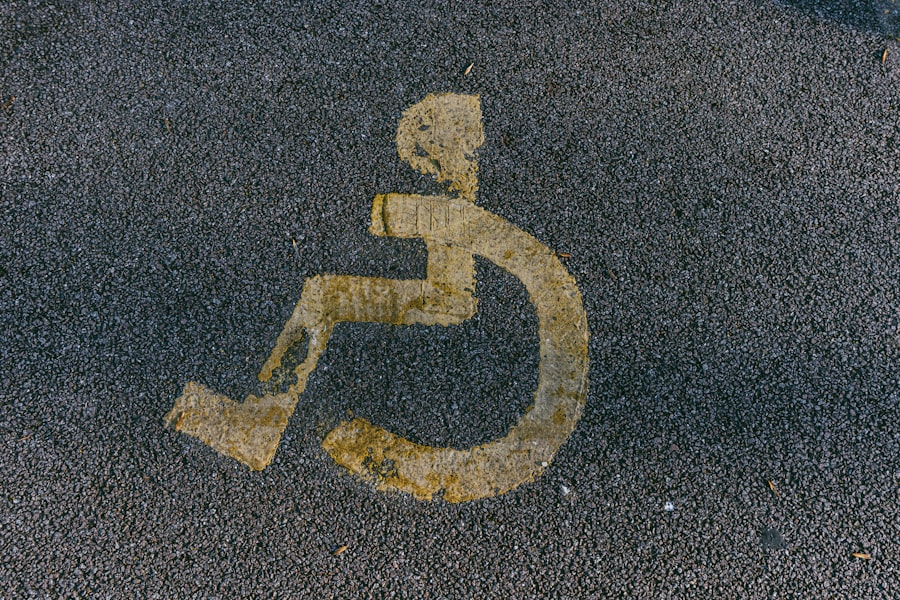
Legislation plays a pivotal role in promoting accessibility across various sectors. In many countries, laws such as the Americans with Disabilities Act (ADA) in the United States set forth requirements for accessibility in public spaces and services. These legal frameworks establish minimum standards that organizations must adhere to in order to ensure equal access for individuals with disabilities.
Compliance with such legislation not only protects the rights of individuals but also encourages organizations to adopt more inclusive practices. However, legislation alone cannot guarantee accessibility; it must be accompanied by a cultural shift towards inclusivity. Advocacy groups play a crucial role in raising awareness about accessibility issues and pushing for stronger regulations where necessary.
Additionally, ongoing training and education for designers, architects, and business owners are essential to ensure that they understand the importance of accessibility and how to implement it effectively. By fostering a culture of inclusivity supported by robust legislation, we can create environments that truly accommodate all individuals.
The Business Case for Accessibility
Investing in accessibility is not only a moral imperative but also a sound business strategy. Companies that prioritize accessibility often see increased customer loyalty and satisfaction among diverse consumer bases.
According to the World Health Organization (WHO), over one billion people worldwide experience some form of disability; thus, failing to consider accessibility means missing out on potential customers. Furthermore, accessible design can enhance overall user experience for all customers, leading to increased engagement and retention rates. For instance, websites that are easy to navigate benefit not only individuals with disabilities but also those who may be less tech-savvy or who prefer simplified interfaces.
Additionally, companies that embrace accessibility often enjoy positive public relations benefits as they demonstrate their commitment to social responsibility and inclusivity. Ultimately, the business case for accessibility underscores the idea that inclusivity is not just good ethics; it is good business.
Tips for Creating Inclusive Environments
Creating inclusive environments requires intentionality and a commitment to understanding the diverse needs of all individuals. One effective strategy is to conduct regular accessibility audits of both physical spaces and digital platforms. These audits can identify barriers that may hinder access and provide actionable recommendations for improvement.
Engaging individuals with disabilities in this process ensures that their perspectives are considered and valued. Another important tip is to foster an inclusive culture within organizations by providing training on disability awareness and sensitivity. This training can help employees understand the challenges faced by individuals with disabilities and equip them with the tools needed to create welcoming environments.
Additionally, promoting open communication channels where feedback can be shared allows organizations to continuously improve their accessibility efforts based on real user experiences. Incorporating assistive technologies can also significantly enhance inclusivity in various settings. For example, providing speech-to-text software or screen readers can empower individuals with different abilities to engage more fully in educational or workplace environments.
Furthermore, creating flexible policies that accommodate diverse needs—such as remote work options or flexible hours—can help ensure that all individuals have equal opportunities to succeed. By implementing these strategies and fostering a culture of inclusivity, organizations can create environments where everyone feels valued and empowered to participate fully in society.
If you enjoyed reading “Accessibility for Everyone” by Laura Kalbag, you may also be interested in checking out this article on Hellread titled “Hello World.” This article discusses the importance of creating inclusive and accessible websites for all users, similar to the themes explored in Kalbag’s work. You can read the article here.
FAQs
What is accessibility?
Accessibility refers to the design of products, devices, services, or environments for people with disabilities. It ensures that everyone, regardless of their abilities, can access and use the same information and resources.
Why is accessibility important?
Accessibility is important because it ensures that everyone, including people with disabilities, can fully participate in society. It also helps businesses and organizations reach a wider audience and improve user experience for all users.
What are some examples of accessibility barriers?
Some examples of accessibility barriers include physical barriers such as stairs and narrow doorways, as well as digital barriers such as websites and apps that are not compatible with screen readers or do not have proper color contrast for people with visual impairments.
How can accessibility be improved?
Accessibility can be improved by following accessibility guidelines and standards, such as the Web Content Accessibility Guidelines (WCAG). This includes designing products and services with inclusive features, providing alternative formats for content, and conducting usability testing with people with disabilities.
What are the benefits of making products and services accessible?
Making products and services accessible benefits not only people with disabilities, but also businesses and organizations. It can lead to increased customer satisfaction, improved brand reputation, and compliance with legal requirements. Additionally, accessible design often results in better usability for all users.




